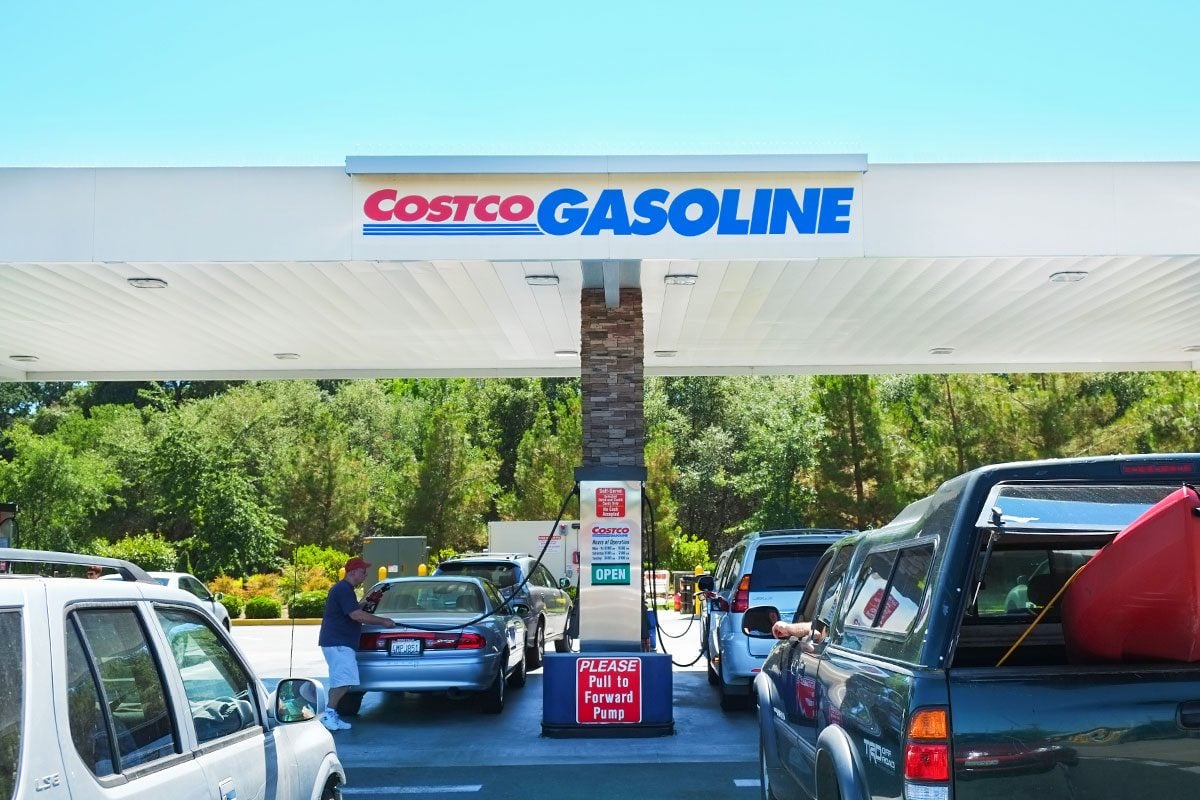
Costco gas has a funny way of turning ordinary drivers into amateur economists. One minute you are just trying to fill up before work; the next, you are calculating cents per gallon, membership payback periods, pump-line strategy, and whether it is socially acceptable to cheer quietly when the price board is 30 cents lower than the station across the street.
So, why is gas at Costco cheaper? The short answer is that Costco uses fuel as part of a much bigger retail strategy. It does not treat gasoline like a typical convenience-store profit center. Instead, Costco sells high volumes of fuel at low margins, limits access to members, runs efficient stations, keeps operating costs lean, and uses low fuel prices to reinforce the value of a Costco membership. In plain English: Costco gas is cheaper because the company can make money in places where ordinary gas stations cannot.
That does not mean Costco gasoline is low quality. In fact, Costco sells Kirkland Signature fuel that meets TOP TIER detergent standards, the same performance category recommended by many automakers. The magic trick is not “cheap gas because it is weak gas.” The trick is “cheap gas because Costco’s business model is built like a savings machine wearing comfortable sneakers.”
The Membership Model Is the Main Reason Costco Can Sell Cheaper Gas
The biggest reason Costco gas prices are often lower comes down to membership. Costco is not simply a gas retailer. It is a membership warehouse club, and that changes the math dramatically.
Most gas stations rely on fuel, snacks, drinks, car washes, lottery tickets, and convenience-store purchases to make their money. The fuel itself may not always bring in a huge profit per gallon, but the station still needs enough margin to pay rent, labor, utilities, credit card fees, equipment costs, insurance, taxes, and a small profit for the operator.
Costco has another engine powering the business: annual membership fees. Members pay to access the warehouse, services, and gasoline stations. That recurring fee revenue allows Costco to price merchandise and fuel aggressively because the company is not depending on every gallon of gas to carry the entire business on its back like a tiny petroleum superhero.
Costco’s public financial reports have repeatedly shown how important membership fees are to the company’s profitability. That gives Costco a major advantage over traditional retailers. When members believe they are saving money on everyday purchasesincluding gasthey are more likely to renew. Cheaper gas is not just a product; it is a loyalty tool.
Costco Uses Gas to Bring Members Back Again and Again
Gasoline is one of the best repeat-visit products on earth. You may buy a couch once every decade, a refrigerator once in a blue moon, and a suspiciously large jar of pickles whenever bravery strikes. But gas? Drivers need it constantly.
By offering discounted fuel, Costco gives members another reason to visit frequently. Once a member is already at Costco for gas, there is a good chance they will walk into the warehouse “just to grab one thing.” Of course, “one thing” at Costco has been known to mean paper towels, rotisserie chicken, berries, toothpaste, socks, a 40-pound bag of dog food, and a kayak that nobody planned for.
This is one of the smartest parts of Costco’s fuel strategy. Gas stations help increase traffic to warehouses. Even if Costco earns less profit per gallon than a traditional station, the company benefits when fuel shoppers also buy groceries, household items, pharmacy products, tires, or food court favorites.
High Volume Helps Costco Lower the Price Per Gallon
Costco gas stations are designed for volume. Lots of volume. If you have ever pulled into a Costco fuel station on a Saturday morning, you have seen the system in action: multiple pumps, long lines, organized lanes, extra-long hoses, and attendants keeping everything moving.
High volume matters because gasoline retailing is a scale business. When a station sells more gallons, it can spread fixed costs over more transactions. Equipment, land, maintenance, compliance, and labor become cheaper per gallon when the station is pumping a large amount of fuel every day.
Traditional gas stations may depend on a smaller local customer base and convenience pricing. Costco, by contrast, attracts price-sensitive members who intentionally drive there for savings. That steady demand helps Costco turn inventory quickly and negotiate effectively in the fuel supply chain.
Costco Accepts Lower Margins on Gasoline
One of Costco’s defining business principles is low markup. The company is famous for keeping prices competitive instead of trying to squeeze maximum profit out of every item. Gasoline fits that philosophy perfectly.
Costco’s gasoline business generally operates with a lower gross margin percentage than many non-gasoline categories. That means Costco may make less profit on each gallon but still benefit from the bigger picture: more member visits, stronger loyalty, increased warehouse traffic, and higher membership renewal rates.
Think of Costco gas as a welcome mat with octane. It tells members, “Yes, your membership is worth it.” That message is powerful, especially when fuel prices rise and drivers start treating the gas gauge like a tiny financial villain.
Costco Keeps Station Operations Simple
Another reason Costco gas is cheaper is operational simplicity. Costco fuel stations are not built like typical convenience stores. You generally will not find aisles of chips, coffee machines, windshield fluid displays, lottery counters, or a small battlefield of impulse purchases.
That matters because convenience stores require staffing, inventory management, cleaning, security, shrink control, and additional overhead. Costco’s fuel stations are more focused: get members in, get them fueled, get them out safely.
Streamlined Payment Options Reduce Complexity
Costco also limits payment methods at U.S. gas stations. The company accepts Visa cards, the Costco Anywhere Visa Card by Citi, most PIN-based debit and ATM cards, Apple Pay, Costco Shop Cards, and certain approved spending cards. Cash and checks are not accepted at the pumps.
That may feel inconvenient for some drivers, but it helps keep the process fast and standardized. Fewer payment complications can mean quicker transactions, lower administrative burden, and smoother station flow. Every second saved at the pump matters when dozens of cars are waiting and everyone is trying not to make awkward eye contact with the person behind them.
One-Way Traffic and Long Hoses Improve Efficiency
Costco gas stations often use one-way traffic patterns and extra-long hoses. These features are not random design choices. They reduce confusion, help cars move through more efficiently, and allow drivers to fuel from either side of the vehicle.
That last point is underrated. At many gas stations, people circle like confused sharks trying to find the “correct” side for the fuel door. At Costco, the long hoses help reduce that dance. Fewer delays mean more completed transactions, more gallons sold, and better overall efficiency.
Costco Buys Fuel Strategically
Costco’s size gives it purchasing advantages. The company operates hundreds of fuel stations and sells enormous volumes of gasoline. Large buyers often have more leverage in procurement, logistics, and supplier relationships than small independent stations.
Gasoline prices are influenced by crude oil costs, refining expenses, taxes, distribution, marketing, local competition, seasonal fuel blends, and regional supply conditions. Costco cannot magically ignore these factors. It still buys fuel in the real market, not from a secret underground lake labeled “Discount Gas.”
However, because Costco sells fuel at high volume and runs a lean station model, it can often price closer to cost than competitors. That is why Costco gas may be 5, 10, 20, or even more cents per gallon cheaper than nearby stations, depending on the market.
Costco Gas Is Cheaper, But It Is Still Quality Fuel
A common myth is that cheaper gasoline must be lower quality. That may sound logical, but it is not necessarily true. Costco’s Kirkland Signature gasoline meets TOP TIER detergent standards, which go beyond the minimum detergent requirements set by federal regulations.
Detergent additives are important because they help reduce deposits in fuel injectors, intake valves, and combustion chambers. Cleaner engine components can support better drivability, fuel economy, and emissions performance over time. In other words, the “cheap” gas is not the automotive equivalent of mystery soup.
Costco says its gasoline is formulated with deposit-control additives and is designed to help clean engines and reduce buildup. For many drivers, that combination of lower price and recognized fuel quality is exactly why Costco gas feels like such a win.
Why Nearby Gas Stations May Charge More
To understand why Costco is cheaper, it helps to understand why regular gas stations may be more expensive. A corner gas station is often selling convenience. It may be open 24 hours, located on a busy intersection, offer snacks and drinks, accept more payment types, provide car washes, and serve customers who do not want to wait in a line.
That convenience has a price. Stations in prime locations may have higher rent or property costs. They may also face higher labor expenses, franchise fees, branding costs, or credit card processing fees. Some stations rely heavily on fuel margins when convenience-store sales are not enough.
Costco does not need to win the same game. Its fuel stations are member-only, high-volume, no-frills operations attached to a broader warehouse ecosystem. Costco can undercut nearby competitors because it is solving a different business problem.
The Membership Fee Changes the Savings Calculation
Costco gas is cheaper at the pump, but the true savings depend on how much fuel you buy and how close you live to a Costco station.
For example, suppose Costco gas is 25 cents cheaper per gallon than your nearby alternative. If you buy 15 gallons per week, you save $3.75 per fill-up. Over 50 fill-ups, that is $187.50 in annual fuel savings. That can more than cover a basic Costco membership.
But if you drive very little, live far from Costco, or regularly wait 20 minutes with the engine running, the math becomes less exciting. Saving $3 is lovely. Burning time, fuel, and patience to get it is less lovely. Your personal break-even point depends on fuel price differences, gallons purchased, distance traveled, wait time, and whether you already use Costco for groceries and household items.
Costco Gas Prices Can Vary by Location
Costco gas is usually cheaper, but it is not the same price everywhere. Gasoline is a local product with local price pressures. State fuel taxes, environmental rules, refinery access, transportation costs, and competition all affect the final price.
That is why a Costco in California may have very different fuel prices from a Costco in Texas, Ohio, Florida, or Georgia. Even within the same metro area, prices can vary from station to station. A Costco located near several aggressive competitors may price differently than one in a less competitive area.
The best way to know whether Costco gas is worth it in your area is to compare prices using a fuel-price app, Google Maps, or Costco’s own warehouse tools before making the trip. The price board is powerful, but the calculator is undefeated.
Why Are the Lines So Long?
The lines are long because the discount is real enough for people to care. Costco gas stations attract loyal members, commuters, rideshare drivers, families, small-business owners, and anyone who gets personally offended by paying more than necessary for fuel.
Long lines do not necessarily mean Costco is inefficient. In many cases, the stations move cars quickly because of the one-way layout, multiple pumps, and long hoses. But demand can still overwhelm capacity during peak hours.
Best Times to Buy Gas at Costco
If you want cheaper gas without auditioning for a documentary called “Waiting at Pump 7,” timing helps. Early mornings, later evenings, and weekdays are often better than weekends. Avoid the lunch rush, after-work commute hours, and the “everyone remembered they need gas before a road trip” window.
Station hours vary, so check your local Costco before going. Many Costco gas stations open earlier and close later than the warehouse itself, which can make off-peak fueling easier.
Is Costco Gas Always the Cheapest?
Costco gas is often among the cheapest options in a local market, but not always. Independent stations, grocery fuel rewards, credit card discounts, regional promotions, or competing warehouse clubs may occasionally beat Costco’s price.
Still, Costco has a strong reputation for consistent savings. The value is especially noticeable when gas prices rise. A 20-cent discount feels nice when gas is $3 per gallon; it feels like a tiny financial rescue boat when gas is $5 or $6 per gallon.
Does Executive Membership Make Costco Gas Cheaper?
A standard Costco membership usually gives access to Costco gas. Executive Membership offers a 2% annual reward on many eligible Costco purchases, but gasoline is typically excluded from that 2% Executive reward in the United States. However, the Costco Anywhere Visa Card by Citi may offer cash back on eligible gas purchases, subject to card terms and annual caps.
That means Executive Membership is not automatically a better gas-savings tool by itself. It may be worth it if you spend heavily on qualifying Costco purchases, but for gas alone, a basic membership may be enough for many drivers.
Who Benefits Most from Costco Gas?
Costco gas tends to benefit frequent drivers the most. Commuters, parents with school and sports schedules, delivery drivers, rideshare workers, road-trippers, and households with multiple vehicles can save meaningfully over a year.
It also works well for people who already shop at Costco. If you are going to the warehouse anyway, adding a fuel stop is convenient and efficient. The savings become even stronger when there is no extra driving involved.
On the other hand, Costco gas may be less useful for people who drive rarely, live far from a warehouse, dislike waiting, or prefer stations with full convenience-store services. Saving money is great, but so is not turning a simple fill-up into a lifestyle commitment.
Experiences and Practical Lessons from Buying Cheaper Gas at Costco
The Costco gas experience is not just about numbers. It has its own rhythm, rules, and small cultural moments. The first thing many drivers notice is the line. At first glance, it can look intimidating, like everyone in town simultaneously decided their tank was empty and their schedule was flexible. But after a few visits, many members realize the line usually moves faster than expected.
One practical lesson is to pick a lane and commit. Because Costco uses long hoses, you do not need to obsess over whether the pump is on the same side as your fuel door. This is emotionally freeing. At regular stations, choosing the wrong side can feel like failing a small engineering exam. At Costco, the hose usually reaches, and everyone can move on with their day.
Another experience: Costco gas rewards planning. Drivers who show up during peak times may save money but spend more time. Drivers who go early in the morning, late in the evening, or during slower weekday periods often enjoy the best version of Costco fuel: low price, quick lane, clean station, and no feeling that they have joined a parade of bargain hunters.
Payment preparation matters too. Having your membership card, digital card, accepted payment card, or Costco Shop Card ready keeps the line moving. Nobody wants to be the person at the pump conducting a full wallet excavation while six cars wait behind them. Costco gas is efficient when drivers are efficient with it.
Many members also discover that Costco gas changes how they think about the membership fee. At first, the membership may feel like a cover charge. But when you save a few dollars per fill-up week after week, the fee starts to feel less like a cost and more like a prepaid ticket to lower everyday prices. Add warehouse savings on groceries, tires, prescriptions, optical services, and household basics, and gas becomes one piece of a larger value puzzle.
There is also a psychological benefit. Gas prices are one of the most visible costs in daily life. You may not know the exact price of oats, laundry detergent, or printer paper, but you probably notice when gas jumps 40 cents. Costco’s lower price board gives drivers a rare feeling of control over an expense that usually feels impossible to negotiate. You cannot haggle with the pump, but you can choose a cheaper pump.
Of course, the experience is not perfect. Lines can be long. Some stations are crowded. Payment options are narrower than at ordinary gas stations. If you are nearly empty and in a hurry, Costco may not be the best choice. The smart approach is to use Costco gas strategically, not desperately. Fill up when you are nearby, when the station is not packed, and before your dashboard light starts glowing like a judgmental tiny sun.
The biggest lesson is simple: Costco gas is cheaper because Costco has built a system where low fuel prices support the entire membership model. The savings are real, but the best experience comes from understanding the trade-offs. Use the station at the right time, compare local prices, know your annual fuel usage, and remember that your time has value too.
Conclusion: Why Costco Gas Is Cheaper
Costco gas is cheaper because Costco plays a different game from traditional gas stations. The company uses membership fees, high-volume fuel sales, low margins, efficient station design, limited payment complexity, and strong customer loyalty to keep prices lower. Gasoline helps bring members back, reinforces the value of the membership, and often leads to additional warehouse shopping.
Just as important, Costco’s lower fuel prices do not mean lower fuel quality. Kirkland Signature gasoline meets TOP TIER standards and includes detergent additives designed to help keep engines cleaner. For many drivers, that combinationlower price and solid qualityis exactly why Costco gas has become one of the most loved perks of membership.
The best strategy is to treat Costco gas like a smart savings tool. Compare local prices, avoid peak hours, calculate whether your annual fuel savings justify the membership, and do not drive far out of your way just to save a few cents. When the timing and location work, Costco gas can be one of the easiest ways to reduce driving costs without changing your car, your commute, or your habit of pretending the “empty” light is merely a suggestion.
Note: This article is based on current publicly available information from Costco fuel resources, Costco financial reporting, U.S. gasoline pricing data, automotive fuel-quality standards, and consumer fuel-savings analysis. Source links are intentionally omitted for clean web publication.