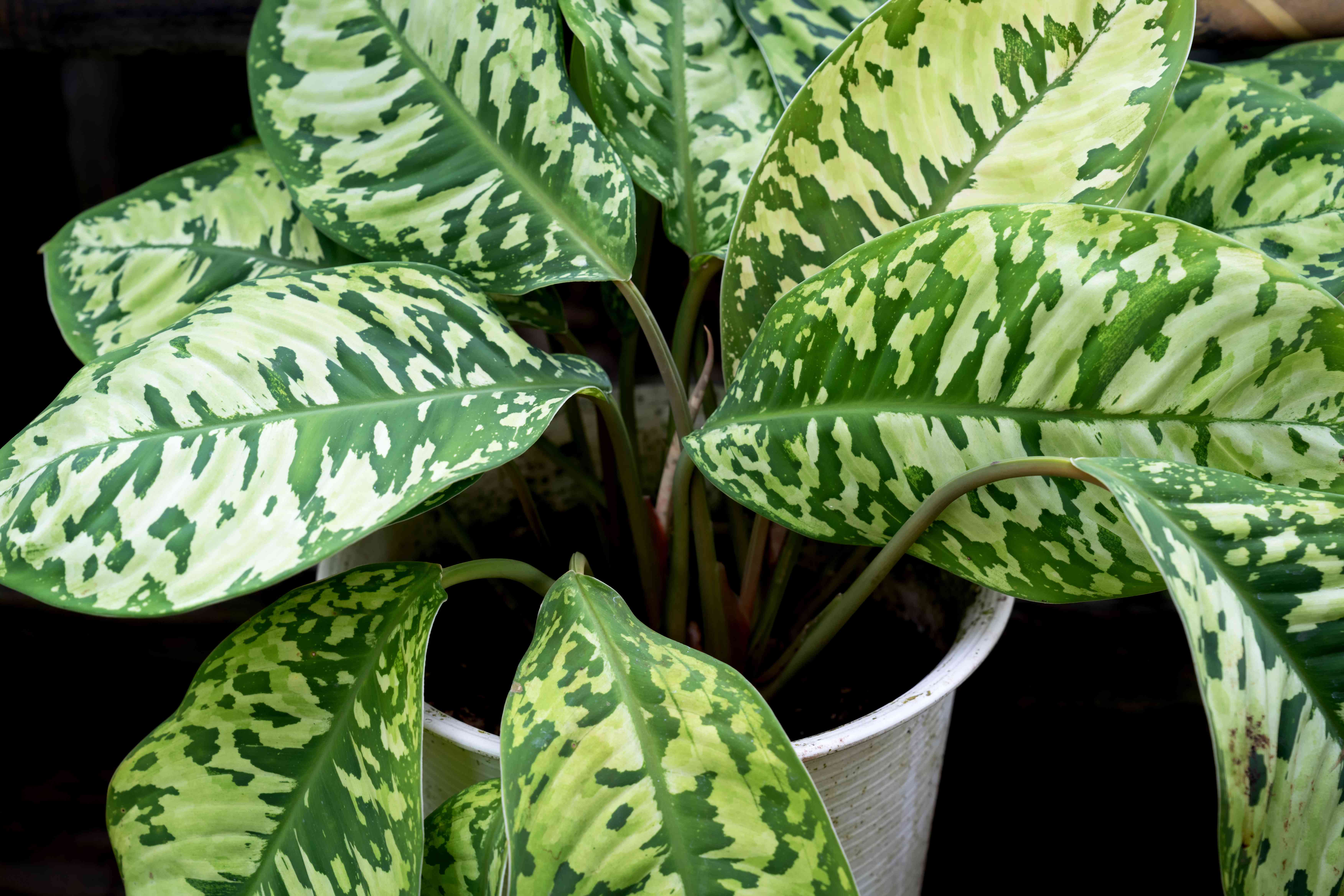
Dieffenbachia is one of those houseplants that seems to wake up every morning and choose drama. One week it looks lush and tropical, the next it is tall, bare-legged, and leaning like it just heard shocking gossip from the pothos on the shelf. The good news is that this makes it an excellent candidate for propagation. In plain English: when your plant gets awkward, you can turn that awkwardness into more plants.
If you have ever wanted to multiply your dumb cane without spending more money at the garden center, you are in luck. Learning how to propagate Dieffenbachia is not difficult, but it does require a little care, a clean blade, and a healthy respect for its sap. This plant is beautiful, but it is not cuddly. Think “fancy tropical diva,” not “golden retriever.”
In this guide, you will learn three easy ways to propagate Dieffenbachia: stem cuttings, division, and air layering. We will also cover the best time to do it, the supplies you need, how to avoid common mistakes, and what kind of aftercare helps your new plants settle in without throwing a leafy tantrum.
Why Propagate Dieffenbachia?
There are a few solid reasons to propagate Dieffenbachia besides the obvious one, which is that free plants are delightful. First, propagation helps you rescue a leggy plant that has lost its lower leaves. Second, it lets you refresh an older specimen by cutting and rerooting the top. Third, if your plant has multiple stems, you can divide it and create fuller-looking plants for different rooms.
Propagation also makes practical sense. Instead of tossing a plant that has become too tall, uneven, or top-heavy, you can turn one plant into two or three healthy ones. That is not just good plant parenting. That is a strong return on your potting soil investment.
Before You Start: A Few Smart Prep Steps
1. Wear gloves
Dieffenbachia sap can irritate skin, eyes, and mouths. Keep it away from kids and pets, and do not rub your face while handling the plant. This is not the moment to discover you have itchy-eyelid energy.
2. Use clean tools
Use a sharp, sanitized knife or pruners. Clean cuts help reduce stress on the plant and lower the chance of rot or disease.
3. Pick the right season
The best time to propagate Dieffenbachia is during active growth, usually spring or early summer. The plant is naturally geared up to make roots and push new growth then, which improves your odds of success.
4. Get the right materials ready
You do not need a jungle lab. A small setup works fine:
- Clean pruners or a sharp knife
- Gloves
- Small pots with drainage holes
- Fresh, well-draining potting mix
- Perlite or bark for added aeration
- Optional rooting hormone
- Moist sphagnum moss and plastic wrap for air layering
A loose, airy mix is better than heavy soil. You want moisture around the cutting, not a swamp audition.
Method 1: Propagate Dieffenbachia From Stem Cuttings
Stem cuttings are the most popular way to propagate Dieffenbachia, and for good reason. They are simple, reliable, and especially useful when your plant has become tall and bare near the bottom. This method works with top cuttings and cane cuttings.
Option A: Top Cuttings
If the top of your plant is leafy and healthy, this is the easiest place to start.
- Choose a healthy stem with several leaves.
- Cut a section that is about 3 to 6 inches long.
- Make sure the cutting includes at least two nodes. Nodes are the points where leaves emerge and where roots can develop.
- Remove the lower leaves so the bottom nodes can sit in the rooting mix.
- Dip the cut end in rooting hormone if you have it.
- Plant the cutting in a moist, well-draining propagation mix.
- Place it in bright, indirect light and keep the mix lightly moist.
You can also root the top in water, and some growers do. But soil or a propagation mix usually gives you a smoother transition once roots form. Water-rooted cuttings can get a little offended when moved to potting mix later.
Option B: Cane Cuttings
If your Dieffenbachia has a bare, thick stem, do not assume it is useless. That old cane is propagation gold.
- Cut the bare stem into sections about 2 to 3 inches long.
- Make sure each section has one or two nodes.
- Lay the sections horizontally on the potting mix, or insert them vertically with the bud facing up.
- Press them gently into the medium so they stay in contact with moisture.
- Keep the medium warm and slightly moist, never soggy.
This method takes patience, but it is excellent for overgrown dumb cane plants. New shoots and roots usually appear before long if the cane sections stay warm and do not rot.
Best Conditions for Stem Cuttings
Cuttings root best in warm conditions with bright indirect light. A room that feels comfortable to you will usually work, and a slightly warm rooting medium can speed things along. High humidity helps too, so loosely tenting the pot with a clear plastic bag can create a mini greenhouse. Just leave a little airflow so things do not turn fungal and weird.
Method 2: Propagate Dieffenbachia by Division
Division is the fastest method when your plant already has multiple stems or crowns growing from the same pot. In that case, Dieffenbachia has basically done half the work for you.
When Division Works Best
This method is ideal when repotting a full, mature plant in spring. If you pull the plant from the pot and notice distinct sections with their own roots, that is your signal. Congratulations, your plant has been secretly planning to become two plants all along.
How to Divide Dieffenbachia
- Water the plant lightly the day before so the root ball is easier to handle.
- Slide the plant out of its pot carefully.
- Gently tease apart the clumps with your hands.
- If the roots are tangled, use a clean knife to separate sections with minimal damage.
- Make sure each division has both roots and stems attached.
- Repot each section into its own container with fresh potting mix.
- Water lightly and place in bright, indirect light.
Division gives you instant new plants, which is satisfying in a very efficient, no-nonsense way. There is no waiting for a bare stick to prove itself. Each section already has roots, so recovery is usually faster than with cuttings.
Why Growers Love This Method
Division is simple, low-risk, and excellent for anyone nervous about chopping stems. It is also useful if your goal is to keep full, bushy plants rather than create tiny propagation projects. Think of it as the practical sibling of the propagation family.
Method 3: Propagate Dieffenbachia by Air Layering
Air layering sounds fancy, but it is really just a smart way to root a stem before cutting it off the parent plant. This is especially helpful for tall, leggy Dieffenbachia that have lost leaves along the lower stem. Instead of taking a cutting and hoping for the best, you encourage roots to form while the top is still attached and nourished.
How Air Layering Works
- Choose the spot on the stem where you want new roots to form.
- Make a shallow upward cut about one-third to halfway through the stem.
- Insert a toothpick or small piece of clean material to keep the slit open.
- Dust the wound lightly with rooting hormone if desired.
- Wrap moist sphagnum moss around the wounded area.
- Cover the moss with plastic wrap and secure both ends.
- Check occasionally to keep the moss moist, not dripping wet.
- Once roots are visible, cut below the rooted section and pot it up.
This method is perfect for plant owners who look at a tall Dieffenbachia and think, “I would like this plant to stop impersonating a palm tree.” It reduces shock because the stem develops roots before separation. It also gives you a cleaner-looking plant at the end.
When to Choose Air Layering
Use this method when your plant is top-heavy, leggy, or too tall for the room, but the top growth is healthy and attractive. Air layering takes a bit more setup than stem cuttings, but it often feels safer for valuable or sentimental plants.
How to Care for New Dieffenbachia Propagations
Once your new plants are potted, resist the urge to fuss over them every 14 minutes. Fresh propagations need consistency, not a helicopter gardener.
Light
Give them bright, indirect light. Too much direct sun can scorch the leaves, but dim light slows rooting and growth.
Water
Keep the mix evenly lightly moist at first, but never waterlog it. Soggy conditions invite rot, especially with fresh cuttings.
Humidity
Moderate to high humidity helps. A loose humidity tent or simply placing plants in a naturally humid room can be useful.
Temperature
Warm conditions are best. Avoid cold drafts, chilly windowsills, and dramatic temperature swings.
Fertilizer
Do not fertilize right away. Wait until you see clear new growth and signs that roots are established.
Common Mistakes to Avoid
Overwatering
This is the classic propagation mistake. Wet soil is not the same as successful soil. Aim for lightly moist, airy, and well-drained.
No nodes on the cutting
A stem without a node is basically decorative compost. Roots and shoots need nodes to form.
Using dull or dirty tools
Messy cuts stress the plant and create openings for disease. Clean tools matter more than people think.
Too little light
Cuttings do not need blazing sun, but they do need enough light to stay alive and build new roots.
Ignoring safety
Dieffenbachia is not the houseplant to handle carelessly. Gloves, hand washing, and common sense go a long way.
Which Dieffenbachia Propagation Method Is Best?
If you want the easiest beginner method, choose stem cuttings. If your plant is already clumping and rooted in sections, choose division. If your plant is tall, leggy, or sentimental and you want a lower-risk approach, choose air layering.
In other words:
- Stem cuttings: Best for most people
- Division: Fastest when the plant is multi-stemmed
- Air layering: Best for tall, bare, awkward plants
Final Thoughts
Learning how to propagate Dieffenbachia is one of those rewarding plant skills that makes you feel unreasonably competent. You start with one slightly unruly houseplant and end with a small indoor jungle plus a story about your triumph over tropical chaos.
The secret is choosing the right method for the plant you have in front of you. Stem cuttings are classic, division is wonderfully efficient, and air layering is the clever move for leggy giants. Give your new plants warmth, bright indirect light, and a little patience, and they will usually do the rest.
And if your first attempt is less than perfect, welcome to houseplant life. Sometimes propagation is science. Sometimes it is art. And sometimes it is just you, a pair of gloves, and a Dieffenbachia looking suspiciously judgmental from the kitchen table.
Extra Experience and Practical Lessons From Propagating Dieffenbachia
One of the most useful things I have learned from propagating Dieffenbachia is that the plant usually tells you which method to use if you stop and look at it for a minute. A top-heavy plant with a bare stem is practically begging for stem cuttings or air layering. A full pot with multiple canes is quietly suggesting division. The mistake many beginners make is picking a method because it sounds easy online instead of because it matches the plant’s shape in real life.
Another real-world lesson is that healthy-looking cuttings are not always fast-rooting cuttings. Sometimes a cutting sits there like a stubborn little green sculpture for a while, doing absolutely nothing visible. Then suddenly it pushes a new leaf, and you realize roots were forming all along. This is why patience matters. Tugging on the cutting every other day to “check progress” is basically the plant version of digging up a cake to see if it is baked.
I have also noticed that Dieffenbachia propagations do better when the setup is boring. Not fancy. Not clever. Just boring in the best way: airy mix, warm room, bright indirect light, and stable moisture. People love to overcomplicate propagation with ten additives, twelve sprays, and a level of emotional intensity that would exhaust a fern. Dieffenbachia generally prefers a calm, consistent routine.
The biggest surprise for many growers is how useful ugly old canes can be. A bare stem looks like a lost cause, but those nodes are full of potential. I have seen gardeners throw out the exact part of the plant that could have produced the most interesting comeback. Cane cuttings are especially satisfying because they feel like plant magic. You start with what looks like a chopped stick, and later it becomes a fresh new plant with leaves and roots.
Division, on the other hand, is often the confidence builder. When someone is nervous about cutting a favorite plant, division feels less dramatic. You are not really “injuring” the plant so much as helping it move into separate apartments. It is also the method that gives the fastest emotional reward. You repot two or three divisions, step back, and instantly feel like the kind of person who owns a labeled potting bench and alphabetized fertilizer shelf.
Air layering tends to be the method people underestimate until they try it. Yes, it looks more technical. Yes, it involves moss and wrapping and a bit of faith. But for a tall Dieffenbachia that has outgrown its looks, it can be the smartest move. Instead of beheading the plant and hoping the top roots well, you let it grow roots first. That makes the whole process feel less like a gamble and more like a plan.
Perhaps the most practical lesson of all is that aftercare matters just as much as the propagation method. A perfect cutting can still fail in soggy soil or deep shade. A slightly imperfect cutting can still succeed if the environment is warm, bright, and steady. That is encouraging, because it means you do not have to do everything flawlessly. You just have to avoid the major mistakes and give the plant a reasonable place to recover.
So if you are standing there with gloves on, pruners in hand, and a Dieffenbachia that has seen better days, take heart. You do not need expert-level wizardry. You need a sound method, clean cuts, and a little patience. The plant already knows how to grow. You are just helping it choose a new beginning.