Note: This article is written for web publishing in standard American English and is based on real home, garden, outdoor living, and small-space gardening guidance.
Friday has a special kind of magic. Monday is for pretending your inbox is manageable. Wednesday is for negotiating with your coffee maker. But Friday? Friday is for looking around your home and garden and thinking, “You know what would make this space better? A bench, a pillow with personality, and maybe a tower of basil that makes me feel like a very stylish farmer.”
Welcome to this week’s Friday Favorites: benches, pretty pillows, and garden towersa cheerful little tour through three outdoor upgrades that do more than look good in photos. A well-placed bench creates a destination. A pretty pillow makes a hard chair feel less like a punishment. And a garden tower turns a patio, porch, balcony, or sunny corner into a productive vertical garden without demanding half your yard as rent.
The best part? These are not “renovate your entire backyard and sell one kidney” ideas. They are practical, flexible, and easy to personalize. Whether your outdoor space is a sprawling garden, a narrow front porch, or a balcony that currently holds one lonely folding chair, these favorites can help you create a more inviting, useful, and joyful place to spend time.
Why Benches, Pillows, and Garden Towers Work So Well Together
Great outdoor design is not just about filling space. It is about giving the eye somewhere to land and giving people a reason to stay. Benches, outdoor pillows, and garden towers do that beautifully because each one plays a different role.
A bench provides structure. It says, “This is a spot.” It can frame a garden path, welcome guests on a porch, soften a patio wall, or create a quiet reading corner under a tree. Pretty pillows bring softness, color, and comfort. They can connect your outdoor palette with your indoor style, making the patio feel like a true extension of the home. Garden towers add height, greenery, and usefulness. They are especially valuable for small-space gardening because they let plants grow upward instead of sprawling across precious floor space.
Together, these pieces create a mini outdoor room. The bench is the seat, the pillows are the charm, and the garden tower is the living backdrop. It is basically the outdoor version of a cozy reading nook, except with more sunshine and fewer mysterious crumbs in the cushions.
Favorite One: The Bench That Turns Empty Space Into a Destination
A garden bench is one of the most hardworking pieces you can add outdoors. It is furniture, decor, a focal point, and an invitation all in one. Unlike a full patio set, a bench does not require much square footage. It can tuck against a fence, sit beneath a window, nestle near a flower bed, or anchor the end of a walkway.
Where to Place a Garden Bench
Placement matters. A bench tossed randomly into a yard can look like it wandered away from a bus stop. A thoughtfully placed bench, however, can make even a modest garden feel intentional.
Try placing a bench where it creates a view. That might be facing a flower border, overlooking a vegetable garden, sitting beneath a flowering tree, or positioned near a birdbath. If you have a front porch, a bench near the entrance adds instant curb appeal. On a patio, a bench can work as flexible seating for guests, especially when paired with a side table or outdoor planter.
For small yards, place a bench against a wall or fence to save room. Add a tall planter, trellis, or garden tower nearby to create vertical interest. This simple combination can make a narrow area feel layered and lush instead of cramped.
Best Bench Materials for Outdoor Living
Outdoor benches come in many materials, and each has a personality. Teak is classic, durable, and naturally handsome, but it usually costs more. Acacia offers a warm wood look at a friendlier price, though it benefits from regular sealing and protection. Metal benches, such as aluminum or powder-coated steel, can feel modern and sturdy. Wrought iron brings romance and vintage charm but may need cushions unless you enjoy sitting on something that feels like a decorative skillet.
Polywood and recycled plastic benches are practical favorites for low-maintenance spaces. They resist moisture, are easy to clean, and can mimic the look of painted wood. For cottage-style gardens, a painted wooden bench in white, green, black, or soft blue can feel timeless. For modern patios, a simple slatted bench or backless bench can keep the look clean and flexible.
How to Style a Bench Without Overdoing It
The secret to styling a bench is restraint. A bench does not need seven pillows, three lanterns, a blanket, a tray, and a ceramic squirrel named Gerald. Start with one seat cushion if the bench is firm, then add two or three outdoor pillows. Choose pillows in a mix of solids, stripes, florals, or small-scale patterns. Keep the colors connected to nearby plants, pots, doors, shutters, or outdoor rugs.
If the bench sits in a garden, allow the landscape to do some of the decorating. Climbing roses, lavender, ornamental grasses, boxwood, hydrangeas, or herbs can soften the area naturally. If the bench is on a porch, use a planter on one side and a small outdoor table on the other. The goal is to make the bench feel styled, not staged for a catalog where no human has ever spilled lemonade.
Favorite Two: Pretty Pillows That Add Instant Personality
Outdoor pillows are the quickest way to refresh a space without repainting, replanting, or making a dramatic announcement to your family that you are “reimagining the patio.” They add comfort, color, and seasonal style in minutes.
Pretty pillows can also solve a common outdoor design problem: hard surfaces. Patios, decks, porches, and garden walls often include stone, brick, concrete, wood, or metal. These materials are useful and durable, but they can feel visually hard. Pillows soften the look and make the space feel more like an outdoor living room.
What Makes a Good Outdoor Pillow?
A good outdoor pillow should be more than cute. It should be made with fabric designed to handle sunlight, moisture, and everyday dirt. Look for terms such as outdoor-safe, UV-resistant, fade-resistant, water-repellent, or performance fabric. Many outdoor pillows use polyester, acrylic, olefin, or solution-dyed fabrics because these materials are better suited for changing weather than standard indoor textiles.
Water-resistant does not mean waterproof, though. Outdoor pillows still need care. If a storm is coming, bring them inside or store them in a deck box. If they get soaked, stand them upright and let them dry completely before stacking or storing them. Damp pillows trapped in a pile are basically a welcome party for mildew, and mildew is never invited to Friday Favorites.
Choosing Pillow Colors and Patterns
For a calm, designer look, choose one main color family and vary the pattern. For example, blue pillows can include navy stripes, pale blue florals, and a solid denim tone. For a cheerful garden look, mix botanical prints with warm colors like coral, yellow, terracotta, or leafy green. For a timeless porch, try black-and-white stripes with natural linen tones and one seasonal accent color.
Pattern scale matters. Pair one large print with one medium print and one small pattern or solid. This keeps the arrangement lively without making your bench look like it lost a fight with a fabric store. Stripes are especially useful because they mix well with florals, checks, geometrics, and solids.
How Many Pillows Are Enough?
For a small bench, two pillows may be perfect. For a longer garden bench, three to five pillows can work well, depending on the depth of the seat. On a patio sofa, use a balanced mix of square pillows and lumbar pillows. Lumbar pillows are especially helpful on benches because they provide back support without taking up too much sitting room.
Do the sit test. If guests have to remove a mountain of pillows before sitting down, you have crossed from cozy into obstacle course. Pretty is wonderful. Functional is better. Pretty and functional is the sweet spot.
Favorite Three: Garden Towers for Beauty, Herbs, and Small-Space Growing
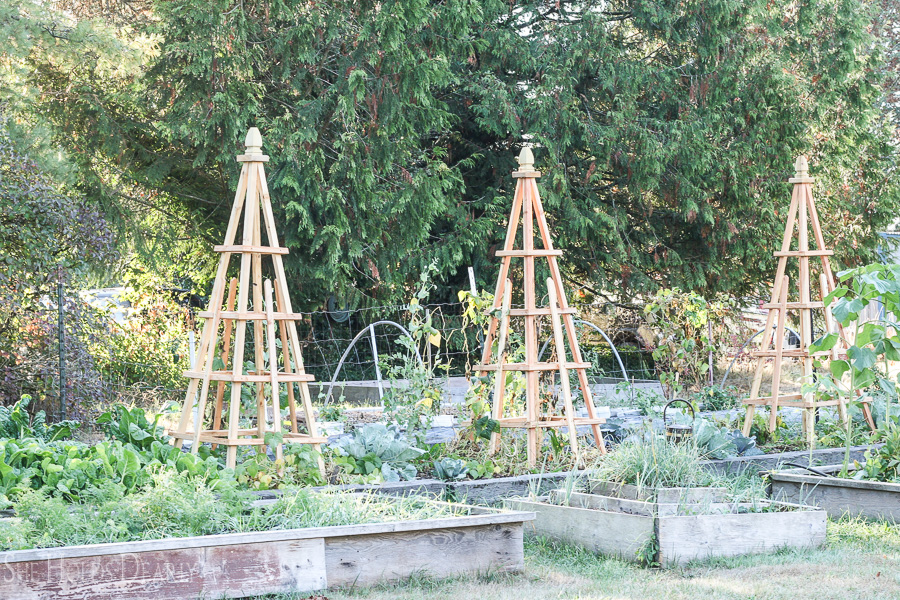
Garden towers are having a well-deserved moment because they solve several problems at once. They save space, add height, create a lush look, and make it possible to grow herbs, greens, strawberries, flowers, and compact vegetables in areas where traditional garden beds may not fit.
A garden tower can be a stacked planter, tiered container system, vertical hydroponic tower, wall-mounted planter, or rotating vertical garden. Some are decorative and simple. Others are serious food-growing systems with watering reservoirs or composting features. The right choice depends on your space, budget, sunlight, and how committed you are to becoming the neighborhood’s basil supplier.
Best Plants for Garden Towers
Plants with smaller root systems usually perform best in vertical gardens. Herbs are an excellent choice: basil, parsley, cilantro, thyme, oregano, mint, chives, and dill can all work well in containers with proper light and drainage. Leafy greens such as lettuce, spinach, kale, arugula, and Swiss chard are also good candidates. Strawberries are popular because they trail attractively and are easy to harvest from a tower.
Compact flowers can make a garden tower beautiful as well as useful. Try nasturtiums, violas, petunias, calibrachoa, alyssum, marigolds, or trailing lobelia. For a pollinator-friendly tower, include flowering herbs and nectar-rich annuals. If you want to grow vegetables, choose compact varieties and check the container depth. Tomatoes, cucumbers, beans, and peppers may need additional support, larger containers, and consistent watering.
Sunlight, Water, and Drainage Matter
Most edible plants need strong light to thrive. Herbs and vegetables generally prefer at least six hours of sun per day, though leafy greens can tolerate some afternoon shade in hot climates. Garden towers dry out faster than in-ground beds because air circulates around the containers and the soil volume is smaller. That means regular watering is essential.
Drainage is equally important. Containers should allow excess water to escape so roots do not sit in soggy soil. Use high-quality potting mix rather than heavy garden soil. Potting mix is lighter, drains better, and supports healthier container growth. If your tower sits on a porch, balcony, or deck, use a saucer or drainage plan so water does not stain surfaces or annoy the neighbor below, who may not appreciate surprise herb water dripping onto their chair.
How to Make a Garden Tower Look Decorative
The most attractive garden towers combine texture, color, and repetition. Choose a limited plant palette instead of planting one of everything. For example, a Mediterranean tower might include rosemary, thyme, oregano, lavender, and trailing flowers. A salad tower could mix lettuces in different colors with chives and edible flowers. A cottage-style tower might include strawberries, alyssum, basil, and nasturtiums.
Place taller or more upright plants near the top or center, and trailing plants along the edges. Repeat colors in nearby pillows, planters, or flowers. If your bench has blue-and-white pillows, a tower with purple basil, white alyssum, and blue-toned pots can tie the space together beautifully.
How to Combine Benches, Pillows, and Garden Towers in One Outdoor Space
The easiest way to combine these favorites is to think in layers: seating, softness, and greenery. Start with the bench. Decide whether it will be a focal point, a resting spot, or extra seating. Then add pillows that match the mood you want. Finally, place a garden tower nearby to bring height, scent, movement, and life.
For a Front Porch
Use a wooden or metal bench near the door. Add two outdoor pillows in colors that complement your front door or seasonal flowers. Place a slim garden tower or tiered planter beside the bench with herbs, trailing flowers, or ferns. This creates a welcoming entry that feels polished without being fussy.
For a Small Patio
Choose a backless bench that can double as seating or a plant display. Add a narrow outdoor cushion and one lumbar pillow. Use a vertical garden tower against a wall to grow herbs or strawberries. A small side table completes the setup and gives you a place for coffee, lemonade, or the gardening gloves you keep losing.
For a Backyard Garden
Place a bench at the end of a path, under a tree, or near a flower border. Use pillows in natural colors that do not compete with the garden. Add a garden tower nearby for herbs or pollinator plants. This creates a beautiful pause point where you can sit, admire your work, and pretend you are not mentally listing weeds that need pulling.
Smart Buying Tips for Outdoor Benches, Pillows, and Garden Towers
Before buying anything, measure your space. Outdoor furniture often looks smaller online than it does when it arrives and blocks the door like a dramatic piece of lumber. Check the bench width, seat depth, and weight capacity. For pillows, confirm that the covers or inserts are suitable for outdoor use. For garden towers, review the footprint, number of planting pockets, watering method, drainage design, and recommended plant types.
Think about maintenance honestly. If you enjoy caring for natural wood, a teak or acacia bench may be lovely. If you want to hose something off and move on with your life, recycled plastic or metal may be better. If your climate gets heavy rain, choose pillows with removable covers and quick-drying inserts. If you travel often, consider a self-watering garden tower or drought-tolerant plants.
Also consider storage. Outdoor pillows last longer when protected from long periods of rain, snow, intense sun, and dirt. A deck box, storage bench, mudroom basket, or garage shelf can keep them fresh. Garden towers may need winter protection depending on the material and plants. In cold regions, emptying or moving planters before freezes can prevent cracking and root damage.
Easy Care Tips to Keep Everything Looking Fresh
A little routine care goes a long way. Brush dirt and pollen off pillows before it settles into the fabric. Spot-clean spills quickly with mild soap and water, then rinse and air dry. Always check the care label before using bleach, fabric protectant, or machine washing.
For benches, wipe surfaces regularly and remove leaves or debris that trap moisture. Wood benches may need oiling, sealing, or staining depending on the material. Metal benches should be checked for rust or chipped finishes. Plastic and resin benches are usually easy to clean with gentle soap and water.
For garden towers, check soil moisture frequently, especially during hot weather. Harvest herbs regularly to encourage new growth. Remove yellowing leaves, rotate the tower if one side gets more sun, and refresh potting mix when plants begin to decline. Vertical gardens are efficient, but they are not maintenance-free. Think of them as pets that smell like pesto.
Friday Favorites Experience: What These Pieces Feel Like in Real Life
There is something deeply satisfying about creating an outdoor corner that looks good and actually gets used. A few summers ago, I helped style a small patio that had all the charm of a parking space with ambitions. It was square, plain, and surrounded by a fence that seemed designed by someone who had strong feelings about beige. The owner wanted a garden feel, but there was no room for a full dining set or raised beds. So we started with a bench.
The bench was simple: black metal, clean lines, not too ornate. On its own, it looked fine. Not thrilling, but respectable. Then came the pillows. We added two striped outdoor pillows, one leafy green lumbar pillow, and a neutral cushion. Suddenly the bench looked less like a place to wait for a bus and more like a place to sit with iced tea and judge the squirrels. The pillows made the entire patio feel softer and more personal.
The real transformation happened when we added a garden tower beside it. Instead of using a large planter that would eat up floor space, we chose a vertical tower with several planting levels. The top held basil and parsley. The middle had strawberries and trailing nasturtiums. The lower pockets had lettuce and thyme. Within a few weeks, the tower filled out and gave the patio height, fragrance, and movement. The strawberries were not supermarket-perfect, but eating one while standing barefoot on the patio felt like a small victory over modern life.
What surprised me most was how the setup changed behavior. Before the bench, the patio was a pass-through space. After the bench, pillows, and tower, it became a destination. Morning coffee moved outside. Phone calls got taken there. Guests sat down without being asked. Even watering the tower became a pleasant ritual rather than a chore. The owner started trimming basil for pasta, snipping parsley for salads, and moving the pillows around like a person who had discovered a new hobby with very low stakes.
The lesson is that outdoor spaces do not need to be huge to feel special. They need purpose, comfort, and signs of life. A bench gives you the purpose. Pillows give you comfort. A garden tower gives you life, color, and maybe enough herbs to make dinner feel slightly more gourmet. Together, they create a small scene that says, “Stay a minute.” And honestly, that is what the best home and garden upgrades do. They do not just decorate your space; they change how you move through it.
Another thing I have learned is that imperfection helps. Outdoor pillows fade eventually. Herbs bolt. A bench gets dusty. A tower may lean a little if you overload one side with ambitious tomato plants. That is okay. Gardens are not showrooms. They are living spaces. The goal is not to create a perfect photo; it is to create a place where you want to spend your Friday evening, even if the mint is plotting world domination and one pillow has been claimed by the dog.
Conclusion: Small Outdoor Favorites, Big Weekend Energy
Benches, pretty pillows, and garden towers may seem like simple pieces, but together they can completely change the mood of an outdoor space. A bench creates a place to pause. Pillows bring comfort and personality. A garden tower adds beauty, height, and the pleasure of growing something useful. Whether you are refreshing a porch, upgrading a patio, or making a balcony feel more alive, these Friday favorites offer an easy path to a more inviting home.
The best outdoor spaces are not necessarily the biggest or most expensive. They are the ones that make you want to step outside, sit down, breathe deeply, and enjoy the view. Add a bench. Toss on a few pillows. Grow something upward. Then let Friday do what Friday does best: make everything feel a little more possible.