If you thought Google was only for searches, maps, and the occasional panic-Googling of “why is my laptop making that sound,” think again. For years, Google has been quietly stuffing its homepage with interactive surprises: little games, puzzles, musical toys, and playable tributes that turn a search engine into a playground. These Google Doodle games are the internet’s equivalent of finding fries at the bottom of the bagunexpected, delightful, and weirdly easy to spend 45 minutes on when you meant to check one email.
What makes Google Doodle games so charming is that they never arrive with the swagger of a major game launch. They just appear. One day you open Google to look up a recipe, and suddenly you are playing Pac-Man inside the logo, batting home runs with a hot dog, or helping a cat battle ghosts. It is the sneakiest form of fun on the web: no download, no setup, no account, and no shame until you realize you have been “just trying one round” for half an hour.
In this guide, we are digging into the best Google Doodle games, why they became so popular, how to find them, and what they reveal about the strange genius of hiding entertainment inside the world’s most famous search bar.
What Are Google Doodle Games, Exactly?
Google Doodles started as temporary changes to the Google logo to celebrate holidays, anniversaries, historical figures, and cultural milestones. Over time, those doodles evolved from static art into animations, music tools, and fully interactive games. That shift changed the whole vibe. Suddenly, the homepage was not just informative. It was playable.
That is part of the magic. A Google Doodle game does not feel like a separate entertainment product. It feels like a wink. Google slips a tiny browser game into your day and pretends this is completely normal behavior for a search engine. Somehow, it works.
The best interactive Doodles blend three ingredients: nostalgia, simplicity, and surprise. They are easy to understand in seconds, visually memorable, and connected to something bigger than the game itself. Sometimes that “something bigger” is a major cultural icon like Pac-Man. Sometimes it is a historic event, a scientific concept, or an underappreciated person whose story becomes more engaging because you get to play with it.
Why Google Doodle Games Feel Like Secret Games
Let’s be honest: many of these games are not exactly hidden in the “buried under a volcano guarded by riddles” sense. But they do feel secret because most people discover them by accident. You open Google for one task and stumble into a game you did not know existed. That surprise is half the appeal.
Even better, many players do not realize old Doodle games live on in the Google Doodles archive. That means the fun does not disappear when the homepage moves on. The game may be off the front page, but it is still sitting there online, waiting for someone to remember it exists. In other words, Google built a secret arcade and then did a very Google thing by hiding it in plain sight.
This is why searches for terms like Google secret games, hidden Google games, and best Google Doodle games stay popular. People love the feeling that there is a bonus room inside the internet. Google Doodle games deliver exactly that.
The Best Google Doodle Games Worth Playing
1. Pac-Man: The One That Changed Everything
If Google Doodle games have a celebrity hall of fame, Pac-Man gets the giant gold statue and probably its own snack table. This Doodle turned the Google logo into a playable Pac-Man maze and became the moment many people realized Doodles could be more than cute art.
It worked because Google did not just nod politely at Pac-Man. It embraced the whole arcade spirit. The sound, the movement, the maze design, the recognizable chase mechanicsit all felt familiar enough to spark nostalgia but clever enough to feel fresh. It was simple, addictive, and dangerously available on a page people were already visiting all day.
Even now, Pac-Man remains the first game many people associate with interactive Doodles. That is not just because it was fun. It proved Google could use its homepage as a playful cultural stage, not just a search box with commitment issues.
2. Doodle Champion Island Games: Google Accidentally Made a Whole Tiny Epic
Then there is Doodle Champion Island Games, which feels less like a doodle and more like someone at Google said, “What if we made a charming sports adventure RPG and just casually put it on the homepage?” This game took the Doodle concept to a much bigger scale, with a map to explore, side quests, mini-games, and a surprisingly rich personality.
You play as Lucky, a calico cat athlete exploring an island filled with competitions inspired by sports and Japanese folklore. It has the energy of a retro console game and the visual charm of an animated short. For many players, Champion Island was the moment Google Doodles stopped feeling like little distractions and started feeling like polished digital experiences.
It also showed how far the format could go. A Doodle no longer had to be a 90-second curiosity. It could be a world.
3. Cricket: Tiny, Silly, Impossible to Quit
Cricket is one of those games that looks absurdly simple until it steals your afternoon. You tap to swing. That is basically it. Yet the timing, pace, and cartoon style make it incredibly moreish. The bug-sized players give the whole thing a toy-box charm, like somebody turned a cereal mascot into an athlete.
This is where Google Doodle games shine. They do not need complicated controls or realistic graphics. They need one good mechanic and enough personality to make you mutter, “Okay, one more try,” eight hundred times.
4. Coding for Carrots: Educational, but in a Sneaky Way
Coding for Carrots, also known as the kids coding Doodle, is the kind of educational game that does not feel like homework wearing sunglasses. Players arrange coding blocks to guide a rabbit through levels and collect carrots. The concept is simple, but it introduces programming logic in a way that feels approachable, visual, and satisfying.
This is an important part of the Google Doodle games legacy. Some Doodles are pure entertainment. Others make learning feel playful. The best educational Doodles never lecture. They invite you to experiment, fail a little, and quietly understand something new before your brain has time to complain.
5. Halloween Games: Chaotic Cat Energy and Ghostly Competition
Google’s Halloween Doodles deserve their own spooky little shelf. Magic Cat Academy gave players a magical cat battling ghosts with swipe-based spell gestures, while The Great Ghoul Duel turned things into a competitive multiplayer ghost match. These games are fast, funny, and ideal for players who like their browser fun with extra chaos.
The Halloween titles stand out because they lean hard into seasonal mood. They are playful, weird, and visually distinctive without becoming complicated. You can jump in immediately, which is exactly what a good homepage game should allow. No tutorial novel. No dramatic onboarding. Just cat, ghost, mayhem. Beautiful.
6. Baseball on the Fourth of July: Peak American Nonsense
The Fourth of July baseball Doodle is wonderfully ridiculous. Instead of ordinary ballplayers, Google turned classic barbecue foods into athletes. A hot dog can bat. Popcorn can apparently achieve sporting dignity. It is baseball by way of a cookout fever dream.
And yet it works because the controls are easy, the joke lands instantly, and the whole thing feels cheerful rather than overdesigned. This is the signature Google Doodle formula: one memorable visual idea, one simple action loop, and enough charm to make you grin while you miss three pitches in a row.
7. Rubik’s Cube and Other Puzzle-Heavy Doodles
Not every great Google Doodle game is about reflexes. Some are about curiosity and patience, which is a polite way of saying they let you discover how bad you are at puzzles in front of your own browser history. The interactive Rubik’s Cube Doodle is a perfect example. It turned an iconic physical puzzle into a digital one while keeping the thrill and frustration intact.
These kinds of Doodles appeal to a different mood. Instead of quick arcade action, they offer tinkering, experimentation, and the illusion that this time you are absolutely going to solve it without looking anything up. Sure you are.
What Makes Google Doodle Games So Effective?
The genius of Google Doodle games is not just that they are fun. It is that they remove nearly every barrier between curiosity and play. There is no app store. No installation. No giant file download. No tutorial voiced by a mysterious man with too much confidence. You click, and you are in.
That instant access matters. Browser games live or die by friction, and Google has almost none. Because the games appear where people already are, they feel effortless to try. That is why even tiny Doodle games can become memorable. They catch people at the exact moment when procrastination and curiosity shake hands.
They also succeed because they are themed. These are not random games dropped into a void. Each one is tied to a celebration, invention, artist, holiday, sport, or cultural moment. That framing gives the experience context. You are not just clicking around. You are participating in a tribute, even if your version of participation is mostly losing to a cartoon ghost.
How to Find Google Doodle Games Today
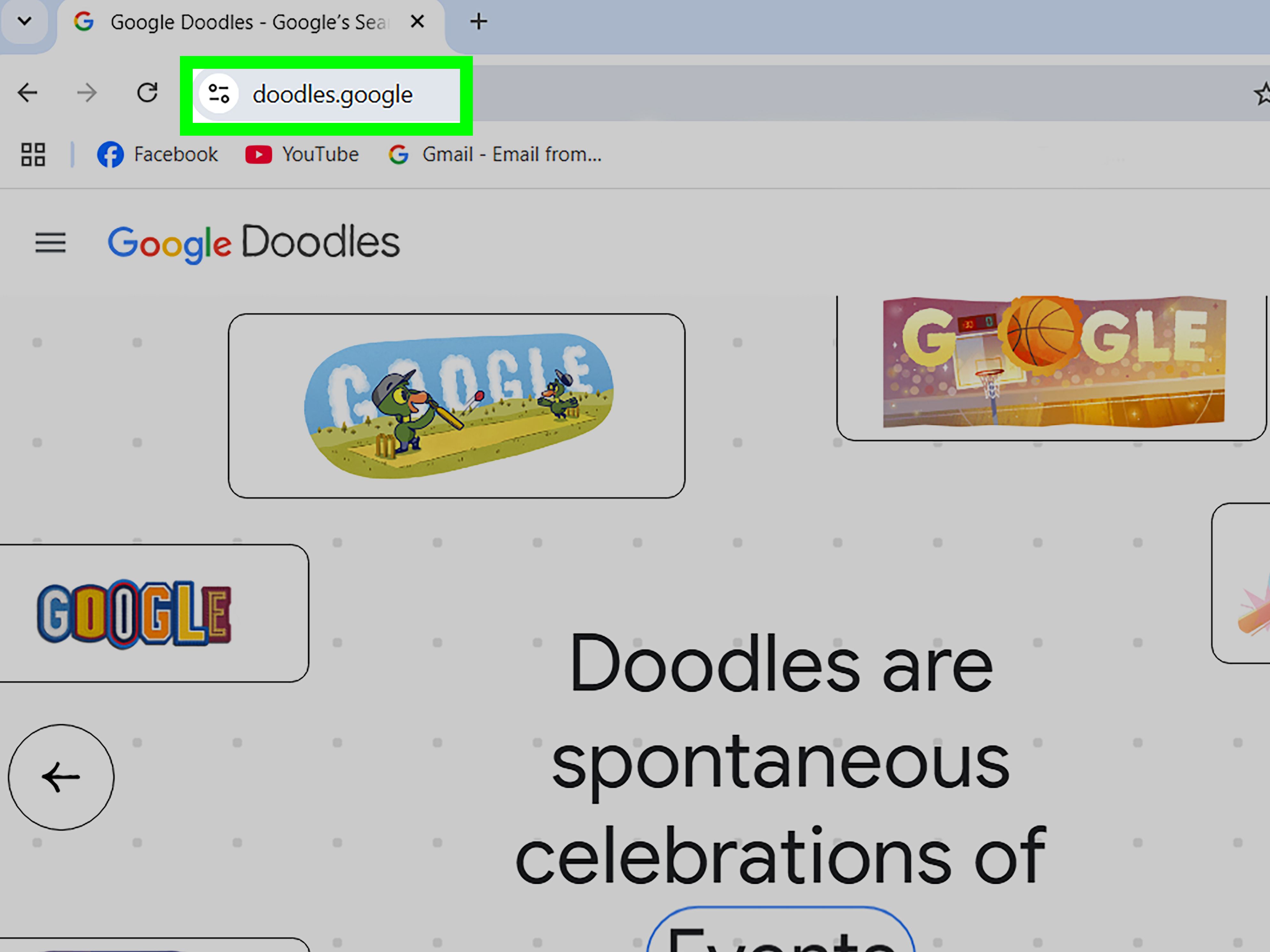
If you want to explore more hidden Google games, the smartest move is to browse the official Google Doodles archive. That is where many past interactive Doodles still live. You can search by topic, year, or theme and discover old favorites along with plenty of lesser-known experiments.
Another trick is remembering that some anniversary Doodles bundle older games together. The Birthday Spinner became especially memorable because it helped people rediscover past hits without needing to know exactly what to search for. It was part celebration, part nostalgia machine, part productivity assassin.
The bigger point is this: if you only notice the Doodle on the homepage the day it appears, you are seeing a fraction of the fun. The archive is where the real treasure hunt begins.
Why These Hidden Google Games Still Matter
In a web packed with aggressive pop-ups, subscriptions, autoplay nonsense, and digital experiences that seem designed by caffeine-fueled committee, Google Doodle games feel refreshingly light. They do not demand your loyalty. They do not try to become your lifestyle. They show up, offer a few minutes of delight, and quietly let you leave.
That restraint is part of why people remember them so fondly. They are playful without being exhausting. Smart without being smug. Nostalgic without turning into a museum exhibit about your childhood. They remind us the internet can still surprise us with something whimsical, polished, and genuinely joyful.
And that may be the real secret of Google Doodle games. They are not just hidden games in Google. They are hidden reminders that the web can still be fun for no reason other than fun itself. What a concept. Someone alert the rest of the internet.
Personal Experience: What It Feels Like to Fall Into Google Doodle Games
There is a very specific kind of experience that only Google Doodle games create, and it usually begins with innocence. You open a browser. You intend to search for something practical, like weather, tax forms, or whether your tomato plant is dramatically dying or simply being theatrical. Then the homepage catches your eye. The logo is moving. The letters look suspicious. You click. Your original plan immediately leaves the building.
That feeling is hard to fake, which is why these games stick in memory. A regular game asks for your attention. A Google Doodle game sneaks into it. The transition from “I am doing a normal internet task” to “I am emotionally invested in a cricket match run by cartoon insects” happens so quickly that your brain barely files the paperwork.
For a lot of people, Pac-Man was the gateway. It felt oddly thrilling to see such a familiar game appear where a search box should be. There was a little spark of internet joy in realizing that the homepage itself had become the toy. Later Doodles kept that same surprise alive, even when the mechanics changed. You were never just launching a game. You were discovering one. That difference matters.
Another reason the experience feels special is that Google Doodle games are usually social in a quiet, low-pressure way. They give you the kind of online story people actually like to tell. “Hey, did you see the Google game today?” “I accidentally spent twenty minutes on that Halloween cat thing.” “I thought I was just checking email and somehow ended up trying to beat my baseball score with a hot dog.” These are tiny internet moments, but they travel well because they are funny, accessible, and easy to share.
There is also something strangely comforting about their design. Most Doodle games do not try to overwhelm you. They look friendly. They explain themselves quickly. They are colorful without feeling noisy. Even when they are challenging, they carry a sense of playfulness that makes failure feel entertaining instead of annoying. You lose, you laugh, you click replay, and suddenly you have entered a loop that feels both silly and satisfying.
Personally, that is the biggest charm of hidden Google games. They create low-stakes delight. You are not grinding for achievements, buying skins, or studying a patch update like it is sacred literature. You are just playing. For a minute or ten, the internet stops trying to optimize you and simply amuses you.
That is why the best Google Doodle games linger in memory longer than you might expect. They are tied to little snapshots of real life: the afternoon you avoided work with Pac-Man, the holiday when the homepage surprised your whole family, the random evening when you found an old Doodle in the archive and played it like a forgotten arcade cabinet. They become part of how people remember the web at its most humancurious, creative, a little ridiculous, and much more fun than it had any right to be.
Conclusion
Google Doodle games are some of the best examples of fun hidden in plain sight online. They transform an ordinary search page into a place for discovery, nostalgia, creativity, and the occasional gloriously unnecessary competitive streak. From Pac-Man and Cricket to Champion Island and Halloween ghost battles, these interactive Doodles prove that even the most practical corners of the web can still hold a little magic.
If you have never explored the archive, now is the time. Somewhere in there is a game you missed, a favorite you forgot, or a charming distraction ready to derail your productivity in the nicest possible way. For once, getting sidetracked by the internet may actually be worth it.