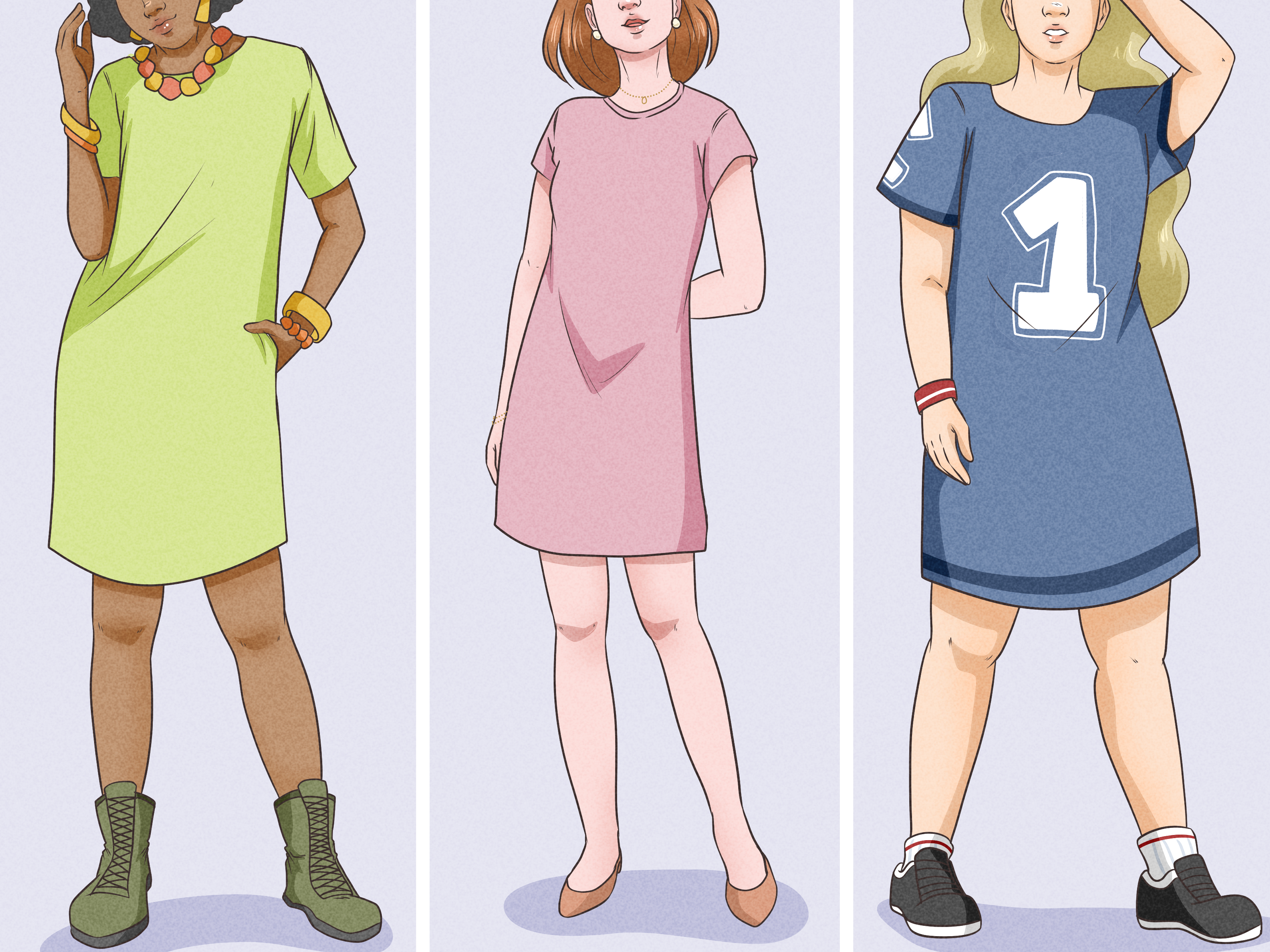
A dress is already doing a lot of heavy lifting. It covers the “what am I wearing?” question in one graceful swoop, which is why dresses are the superheroes of the closet. But accessories? Accessories are the plot twist. They decide whether your simple black dress says “gallery opening,” “date night,” “office polished,” or “I just threw this on and accidentally look fabulous.”
Learning how to accessorize a dress is not about piling on every shiny object you own like a stylish raccoon. It is about choosing details that support the shape, color, occasion, and mood of the dress. The right jewelry, shoes, belt, bag, scarf, or hair accessory can make an old dress feel brand new, turn a casual outfit into a dressed-up look, and give your personal style a little microphone.
Below are six practical, stylish, and easy ways to accessorize a dress without overthinking it. Whether you are styling a little black dress, a floral sundress, a sweater dress, a slip dress, a shirt dress, or a formal gown, these tips will help you build a complete outfit that feels intentional, flattering, and fun.
1. Start With Jewelry That Matches the Dress Neckline
Jewelry is usually the first thing people think of when they hear the word “accessories,” and for good reason. A necklace, earrings, bracelet, or ring can change the entire energy of a dress. The trick is choosing jewelry that works with the neckline instead of fighting it for attention.
For V-Neck Dresses
A V-neck dress naturally points the eye downward, so a pendant necklace or delicate layered chain works beautifully. The shape of the necklace echoes the neckline, which creates a clean, balanced look. For a deep V-neck evening dress, a slim lariat necklace can feel elegant without looking too busy.
For Strapless or Off-the-Shoulder Dresses
These necklines leave the collarbone and shoulders open, so you have two strong options. You can wear a short necklace or choker to frame the neckline, or skip the necklace entirely and choose statement earrings. Oversized hoops, sculptural studs, pearl drops, or chandelier earrings can make the look feel polished while keeping the upper body uncluttered.
For High-Neck Dresses
High-neck dresses often look better without a necklace. Instead, focus on earrings, bracelets, or rings. A sleek bun with bold earrings can make a high-neck dress feel modern and sharp. If the dress is simple, a stack of bracelets or a cocktail ring adds interest without crowding the neckline.
For Busy Prints or Embellished Dresses
If your dress already has sequins, embroidery, ruffles, lace, or a loud print, let it speak first. Choose simple jewelry: small hoops, fine chains, minimalist cuffs, or tiny studs. Think of jewelry as the backup singer, not the person grabbing the karaoke microphone during the chorus.
A helpful rule is to choose one main jewelry moment. If you wear bold earrings, keep the necklace simple or skip it. If you wear a statement necklace, keep earrings quieter. This keeps your outfit stylish instead of looking like a jewelry box had a dramatic accident.
2. Use a Belt to Shape, Define, or Refresh the Dress
A belt is one of the easiest ways to accessorize a dress because it changes the silhouette immediately. It can define the waist, break up a solid color, add texture, or make a loose dress look more tailored. If your dress feels a little shapeless, a belt may be the missing piece.
Thin Belts for Subtle Definition
A slim leather belt works well with shirt dresses, wrap dresses, sweater dresses, and fit-and-flare dresses. It gives structure without taking over the outfit. For work or daytime looks, a thin belt in black, brown, tan, cream, or metallic can make the outfit feel pulled together.
Wide Belts for Drama
A wide belt creates a stronger fashion statement. It is great for simple maxi dresses, long sweater dresses, or minimalist black dresses. A wide belt can create an hourglass effect and make a plain dress feel styled rather than merely worn.
Chain Belts and Decorative Belts
For evening outfits, vacation looks, or boho-inspired dresses, a chain belt or embellished belt can add personality. Try a gold chain belt over a black slip dress, a woven belt over a linen dress, or a western-style belt with a flowy floral dress. The goal is to add contrast and intention.
When choosing a belt, pay attention to where the dress naturally wants to sit. Some dresses look best belted at the true waist, while others look more relaxed with a belt sitting slightly lower on the hips. If the dress has a seam, waistline, or wrap tie, use that as your guide.
One warning: not every dress needs a belt. If a dress already has strong ruching, pleats, heavy embellishment, or a structured bodice, adding a belt may interrupt the design. In fashion, as in group chats, sometimes the best contribution is knowing when not to add more.
3. Choose Shoes That Match the Mood, Not Just the Color
Shoes are not just accessories; they are outfit punctuation. A dress with sneakers says something different from the same dress with stilettos, ankle boots, ballet flats, or strappy sandals. When accessorizing a dress, shoes should match the mood, occasion, and proportion of the look.
For Casual Dresses
Casual cotton dresses, T-shirt dresses, sundresses, and denim dresses pair well with sneakers, flat sandals, espadrilles, ballet flats, loafers, or ankle boots. White sneakers make a dress feel fresh and relaxed. Flat sandals give a vacation mood. Loafers create a preppy, city-ready look.
For Office Dresses
For work, choose shoes that look polished but remain comfortable. Pointed flats, loafers, block heels, kitten heels, and classic pumps all work well. Neutral shades such as black, nude, tan, chocolate, navy, and burgundy are easy to repeat with multiple dresses.
For Evening Dresses
Evening dresses usually pair well with heels, metallic sandals, sleek pumps, or dressy flats. Metallic shoes are especially useful because silver, gold, bronze, and champagne can work almost like neutrals. They add shine without requiring a perfect color match.
For Maxi Dresses
With maxi dresses, consider length. If the hem nearly touches the floor, shoes with a little height can prevent dragging. Wedges, platforms, block heels, or heeled boots can work. If the maxi dress is cropped at the ankle, flat sandals or sleek sneakers can look effortless.
Should your shoes match your bag? They can, but they do not have to. Matching shoes and handbags can look classic and intentional, especially for formal outfits. But modern styling often looks more interesting when the shoes and bag coordinate rather than match exactly. For example, a cream dress can look beautiful with tan sandals and a woven bag, or with red heels and a small black clutch.
The best shoe choice should answer one question: “Where is this dress going?” If the answer is brunch, do not punish your feet with skyscraper heels. If the answer is a wedding, maybe save the muddy festival boots for another day.
4. Pick the Right Bag for Balance and Function
A bag is both practical and visual. It carries your essentials, but it also affects the balance of the outfit. The size, shape, color, and texture of your bag can make a dress look casual, formal, playful, refined, edgy, or romantic.
Small Bags for Dressy Looks
For cocktail dresses, formal dresses, and evening outfits, smaller bags usually look best. A clutch, wristlet, mini shoulder bag, or small top-handle bag keeps the outfit elegant. Satin, velvet, metallic leather, beading, pearls, and structured shapes all work well for dressier occasions.
Tote Bags for Casual and Daytime Dresses
For everyday dresses, a tote, bucket bag, crossbody, or roomy shoulder bag can look relaxed and useful. A straw tote with a sundress feels summery. A leather tote with a shirt dress feels office-friendly. A canvas bag with a T-shirt dress says, “I might buy flowers, books, or emergency snacks.” Honestly, all three are valid.
Color-Pop Bags
A colorful bag is one of the easiest ways to refresh a neutral dress. Try a red bag with a black dress, a cobalt bag with a white dress, a green bag with a navy dress, or a pastel bag with a beige dress. The dress becomes a blank canvas, and the bag gets to be the charming little exclamation point.
Texture Matters
Do not forget texture. A woven bag can soften a structured dress. A glossy patent bag can sharpen a simple knit dress. A suede bag can add warmth. A beaded bag can make a plain slip dress feel party-ready.
For the most polished result, coordinate your bag with at least one other element of the outfit. It could match the metal of your jewelry, echo the shade of your shoes, repeat a color from the dress print, or contrast intentionally with the entire look.
5. Add Layers, Scarves, and Toppers for Texture
Layering is an underrated way to accessorize a dress. A scarf, jacket, cardigan, blazer, shawl, vest, or wrap can change the dress completely while adding comfort. This is especially helpful when you want to wear the same dress in different seasons.
Scarves
A scarf is one of the most versatile dress accessories. You can tie a silk scarf around your neck, wear it in your hair, wrap it around your handbag handle, use it as a belt, or drape it over your shoulders. A printed scarf can add color to a solid dress, while a neutral scarf can soften a bold print.
For a simple black dress, try a leopard-print scarf, a red silk scarf, or a cream satin scarf. For a floral dress, choose a scarf in one color pulled from the print. For a linen dress, try a lightweight cotton or gauze scarf for an easy warm-weather look.
Jackets and Blazers
A blazer instantly makes a dress feel more structured. It works especially well with slip dresses, sheath dresses, midi dresses, and shirt dresses. A denim jacket makes a dress more casual. A leather jacket adds edge. A cropped jacket highlights the waist, while a long blazer creates a sleek line.
Cardigans and Sweaters
A cardigan can make a dress feel cozy and approachable. A cropped cardigan pairs well with fit-and-flare dresses, while a long cardigan works nicely with slim midi dresses. You can also layer a sweater over a dress and make it look like a skirt, which is a brilliant closet trick when you want more outfits without buying more clothes.
Wraps and Shawls
For formal events, a wrap or shawl is both elegant and practical. It keeps you warm in aggressive air conditioning, which is important because banquet halls often seem to be climate-controlled by penguins.
The key to layering is proportion. If your dress is flowy, try a more structured topper. If your dress is fitted, you can add a softer layer. If your dress is already bulky, keep the layer sleek so the outfit does not swallow you whole.
6. Finish With Hair Accessories, Hats, Sunglasses, and Personal Details
The final way to accessorize a dress is with the little extras that express personality. These are the details that make an outfit feel like you: hair accessories, hats, sunglasses, tights, brooches, charms, socks, gloves, and even lipstick.
Hair Accessories
Headbands, barrettes, claw clips, bows, silk scrunchies, and hair scarves can transform a dress outfit. A satin bow with a simple dress feels romantic. A sleek headband with a sheath dress feels polished. A printed hair scarf with a sundress feels playful and relaxed.
Hats
Hats are bold, useful, and often underused. A straw hat with a summer dress looks classic. A beret with a sweater dress feels charming. A wide-brim hat can make a maxi dress look dramatic. A baseball cap with a casual dress creates sporty contrast.
Sunglasses
Sunglasses are small but powerful. Cat-eye frames can make a dress feel vintage. Oversized frames add glamour. Rectangular sunglasses feel modern. Aviators add an easy casual edge. The right sunglasses can make a simple outfit look styled in three seconds, which is basically fashion magic.
Tights and Socks
Tights are excellent for changing the mood of a dress. Sheer black tights make a dress feel evening-ready. Opaque tights add warmth and structure. Patterned tights can turn a plain dress into a statement. Socks with loafers or Mary Janes can make a mini dress feel preppy and youthful.
Brooches, Charms, and Small Personal Touches
Brooches are having a stylish comeback because they add personality without requiring much effort. Pin one to a blazer, cardigan, scarf, or simple dress. Bag charms, charm bracelets, sentimental pendants, and initial necklaces also make an outfit feel more personal. These details do not have to be expensive. They just have to feel intentional.
How to Accessorize Different Types of Dresses
Little Black Dress
The little black dress is the ultimate accessory playground. For a classic look, add pearl earrings, black pumps, and a structured clutch. For a modern look, try metallic heels, sculptural earrings, and a bold red bag. For a casual look, add sneakers, a denim jacket, and a crossbody bag.
Floral Dress
With floral dresses, pull one color from the print and repeat it in your accessories. If the dress has pink flowers, try pink earrings or a pink bag. If it has green leaves, try green sandals. Keep jewelry simple if the print is busy.
Slip Dress
A slip dress is sleek and minimal, so accessories can push it in many directions. Add strappy heels and delicate jewelry for evening. Add a blazer and kitten heels for dinner. Add a T-shirt underneath and sneakers for daytime.
Shirt Dress
A shirt dress looks great with a belt, loafers, hoop earrings, and a structured tote. For a weekend version, roll the sleeves, add flat sandals, and carry a woven bag.
Sweater Dress
A sweater dress pairs beautifully with boots, belts, long coats, scarves, and gold jewelry. If the dress is oversized, define the waist with a belt. If it is fitted, add a long coat or oversized scarf for balance.
Common Accessorizing Mistakes to Avoid
Wearing Too Many Statement Pieces
A statement necklace, statement earrings, statement belt, statement shoes, and statement bag all in one outfit can feel chaotic. Choose one or two focal points and let the rest support them.
Ignoring the Occasion
A beach tote may not work with a cocktail dress, and rhinestone heels may feel strange at a casual picnic. Match your accessories to the setting, not just the dress.
Forgetting Comfort
If the shoes hurt, the bag is too heavy, or the necklace keeps twisting, the outfit will annoy you all day. Style should look good, but it should also let you live your life without constant adjustment.
Matching Everything Too Perfectly
Perfect matching can look elegant, but it can also feel stiff. Try coordinating instead. Repeat a color, metal, texture, or mood without making every piece identical.
Real-Life Experiences: What Actually Works When Accessorizing a Dress
One of the most useful lessons about accessorizing a dress is that the best outfit is not always the most complicated one. A plain dress can become memorable with one smart detail. For example, a simple navy midi dress may look fine on its own, but add tan block-heel sandals, a woven belt, small gold hoops, and a straw bag, and suddenly it feels like an outfit that knows where it is going. It says brunch, farmers market, vacation dinner, and “yes, I read the menu before arriving.”
A black dress is another perfect example. Many people save a black dress for formal events, but accessories can make it work almost anywhere. With a blazer, pointed flats, and a leather tote, it becomes office-ready. With red lipstick, metallic sandals, and a clutch, it becomes evening-ready. With sneakers, a baseball cap, and a denim jacket, it becomes weekend-ready. The dress did not change; the accessories did all the storytelling.
Another experience many women recognize is the last-minute outfit panic before an event. The dress is chosen, but something feels unfinished. Usually, the problem is not the dress. It is the lack of a visual anchor. A belt can solve this by defining the waist. A bold earring can brighten the face. A colorful bag can make the outfit feel intentional. A scarf can connect colors that otherwise seem unrelated. Accessories are often the bridge between “I put on clothes” and “I styled a look.”
Comfort is also a real-world factor that style advice sometimes ignores. Beautiful shoes are wonderful until you are standing for three hours wondering whether it is socially acceptable to go barefoot near the dessert table. For long events, block heels, wedges, kitten heels, dressy flats, or supportive sandals can be smarter than ultra-high stilettos. A polished outfit that lets you move confidently will always look better than a painful one that makes you walk like a baby deer on tile.
It also helps to build a small accessory kit that works with many dresses. A pair of gold hoops, pearl studs, a delicate necklace, a black belt, a tan belt, nude or metallic shoes, a black clutch, a neutral tote, and one colorful bag can create dozens of combinations. Add a silk scarf, sunglasses, and a good hair clip, and you have enough styling power to rescue almost any dress from boredom.
The final experience-based tip is simple: take a mirror photo before leaving. Accessories can look different in a full outfit than they do on the bed. A necklace may be too long for the neckline. The bag may be too casual. The shoes may feel visually heavy. A quick photo helps you see the outfit as a whole. It is like getting a second opinion from your phone, which, unlike a friend, will not say “cute!” while secretly questioning the belt.
Conclusion
Accessorizing a dress is about balance, personality, and purpose. Start with the dress: notice its neckline, color, shape, fabric, and occasion. Then choose accessories that support the story you want to tell. Jewelry can frame your face, a belt can define your shape, shoes can shift the mood, a bag can add function and polish, layers can create texture, and finishing touches can make the outfit feel uniquely yours.
You do not need a giant closet or a celebrity stylist to accessorize well. You need a few reliable pieces, a willingness to experiment, and the confidence to remove one accessory when the outfit starts shouting. The best accessories do not compete with your dress. They help it become the version of itself that gets compliments in elevators, restaurants, offices, weddings, and possibly the frozen food aisle. Style is everywhere. Dress accordingly.