Some products have wildly glamorous names. Others sound like they were titled by a very practical person with a barcode scanner and a cup of tea. Tea Towel Gradient Orange Bangladesh falls into the second category, and honestly, that is part of its charm. The name may read like a search query that escaped into the wild, but behind it is something much more interesting: a handmade cotton kitchen textile with warm color, useful everyday function, and a story tied to artisan production in Bangladesh.
In plain English, this is the kind of kitchen towel that tries to do more than just hang there looking respectable. It is decorative without being fussy, practical without being boring, and colorful without behaving like a neon traffic cone in your kitchen. If you have ever wanted a tea towel that can dry a dish, brighten a room, and make your countertop look a little less like a place where you aggressively opened three packages at once, this one makes a strong case for itself.
This article takes a close look at what the product appears to be, why tea towels like this matter, how an orange gradient works in real kitchens, what the Bangladesh connection adds to the story, and how to use and care for a towel like this so it earns its keep. Because a good tea towel should not be a decorative hostage. It should work for a living.
What “Tea Towel Gradient Orange Bangladesh” Actually Refers To
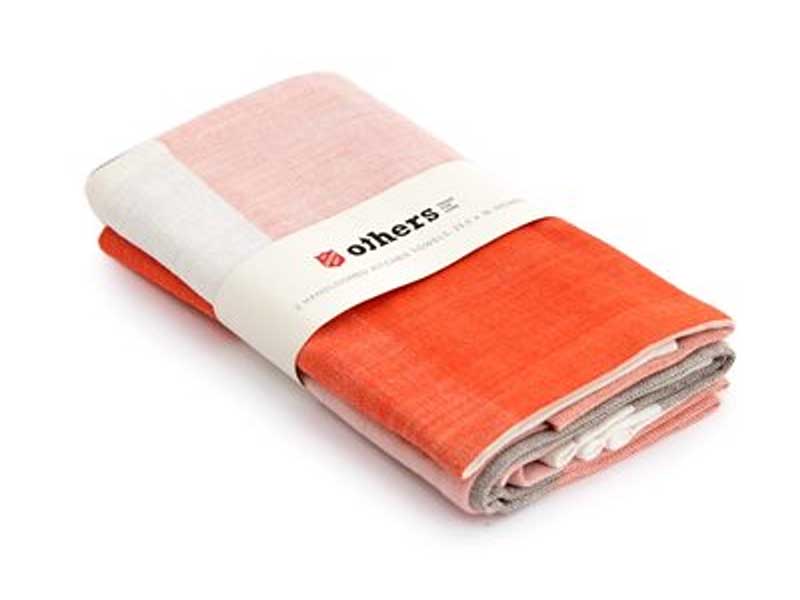
The title refers to a real product listing seen through U.S. retail and design sources: a set of orange gradient tea towels handmade in Bangladesh and sold through the Others social enterprise connected to The Salvation Army. The product is described as a pack of two, made from 100% cotton, measuring roughly 24 by 16 inches, and finished with a hanging loop. That alone tells you a lot.
First, the material matters. Cotton remains one of the most common and most practical choices for kitchen towels because it is soft, absorbent, washable, and friendly to daily use. Second, the size is useful. A towel in this range is large enough to dry dishes, line a bread basket, wrap baked goods, or sit draped over an oven handle without looking too skimpy or too bath-towel-adjacent. Third, a hanging loop is a tiny detail that saves you from the classic kitchen drama of “Why is my towel on the floor again?”
The “gradient orange” part is the aesthetic hook. Instead of a flat block of color, the towel leans into tonal movement, likely shifting from one orange value to another. That creates more visual depth than a plain solid towel and makes the piece feel more considered, almost like a small soft furnishing rather than a purely utilitarian rag. In other words, it says, “Yes, I dry dishes. But I also have range.”
Why This Tea Towel Stands Out
1. It Uses a Material That Makes Sense
Tea towels traditionally are made from cotton or linen rather than thick terry cloth. That distinction matters because flat-woven fabrics tend to be better for tasks like drying dishes, polishing glassware, and handling kitchen prep without leaving behind a snowstorm of lint. Cotton is especially appealing because it feels soft in the hand, washes well, and fits the rhythm of everyday kitchens. It is the kind of fabric that does not ask for applause. It just shows up and gets things done.
A flatter cotton weave also gives a towel a cleaner look when it is folded or draped. That makes it easier for a tea towel to function as decor. Thick towels can be wonderful for absorbency, but they can also look bulky and slump around your kitchen like they had a difficult week. A well-made cotton tea towel has more posture.
2. The Orange Gradient Gives It Design Value
Orange is one of those colors people either embrace immediately or approach with the caution of someone meeting a very enthusiastic dog. But in interiors, especially kitchens, orange can work beautifully when it is handled with restraint. Designers often describe orange as warm, energizing, and cheerful. Those qualities make sense in a kitchen, which is already a room built around warmth, movement, and food.
The gradient effect softens the impact. A strong orange accent can wake up a neutral kitchen, but a gradient feels less shouty than a solid saturated block. It adds movement and warmth without turning your countertop into a citrus billboard. If your kitchen leans white, cream, black, wood-toned, olive, or brass-heavy, an orange gradient towel can slip in and make the room feel more alive. It is basically the design equivalent of opening the blinds.
3. The Bangladesh Connection Adds Real Context
Bangladesh is deeply linked to textile production, from its historic muslin tradition to its major role in the modern garment and textile economy. That does not automatically make every textile product meaningful, of course. A towel is still a towel. But when a product is described as handmade by artisans in Bangladesh through a social enterprise model, the origin becomes part of the object’s value, not just a line in the fine print.
That matters because consumers increasingly want household goods that have both function and context. A tea towel attached to artisan work and ethical business language tells a different story from a generic six-pack tossed into a warehouse bin. It becomes less about disposable buying and more about thoughtful everyday ownership. No, it will not solve global supply-chain ethics all by itself. It is a tea towel, not a United Nations summit. But it does invite more intentional shopping.
Tea Towel vs. Dish Towel: Is There Even a Difference?
In everyday American conversation, people often use “tea towel” and “dish towel” as if they mean the same thing. In practice, they overlap a lot. The main difference is usually construction. Tea towels are commonly cotton or linen and often flatter, lighter, and more decorative. Dish towels can include terry cloth and may be more absorbent for heavy cleanup.
That means a towel like this orange gradient set sits in the sweet spot between utility and style. It is probably best for drying clean dishes, wiping clean hands, lining a tray, wrapping bread, or serving as a visual accent near the sink or stove. It is less likely to be your first choice for a catastrophic spaghetti sauce emergency. For that kind of chaos, you want something sturdier, darker, or already emotionally prepared for sacrifice.
Best Ways to Use a Tea Towel Like This
A good tea towel earns its reputation by being flexible. This type of cotton towel is useful for:
Drying dishes and glassware
Flat-woven cotton towels are often favored for drying dishes because they can absorb moisture without leaving lint all over your glasses. If you have ever dried wine glasses with the wrong towel and wound up with fuzzy stemware, you know why that matters.
Lining bread baskets or serving trays
Tea towels work beautifully under rolls, muffins, biscuits, or pastries. The fabric adds softness, protects surfaces, and makes even a casual breakfast feel a bit more pulled together.
Wrapping baked goods or fragile kitchen items
Tea towels are also useful for wrapping warm bread, cushioning jars, or separating delicate serving pieces in storage or transport. They are soft enough to protect and light enough not to become awkward.
Adding a low-effort style moment
Sometimes the best use is simply hanging the towel where it can be seen. On an oven handle, a hook, or a small bar near the sink, an orange gradient towel brings warmth to the room without requiring a full kitchen makeover. It is one of the least expensive ways to make a kitchen feel intentional.
Reducing dependence on disposables
While cloth towels are not a replacement for every cleaning task, they can help reduce paper towel use for lower-risk jobs like drying clean produce bowls, wiping washed hands, or handling already-clean cookware. Small habits like that make reusable kitchen textiles feel less decorative and more genuinely useful.
How to Style an Orange Gradient Tea Towel in a Real Kitchen
This is where the product name stops sounding like a catalog label and starts sounding like a design choice. Orange can be wonderful in kitchens because it pairs naturally with materials already common in the room: warm woods, brushed brass, stone, matte black accents, white tile, and earthy ceramics.
In a minimalist kitchen, this towel can act as the one warm accent that keeps the room from feeling too clinical. In a rustic kitchen, it can echo terracotta, copper, and wood tones. In a modern kitchen, a gradient pattern keeps the color from feeling flat and gives the eye something to follow.
Want it to look expensive? Pair it with a wooden cutting board, a ceramic fruit bowl, and a neutral countertop. Want it to feel cozy? Hang it near cream cabinets and open shelving. Want it to look cheerful? Let it live near lemons, bread, or a very smug Dutch oven. The towel does not need much help.
How to Wash and Care for It Without Ruining the Vibe
Kitchen towels live hard lives. They deal with moisture, food residue, hands, counters, and the occasional identity crisis when someone uses them as an oven mitt. So care matters.
For cotton tea towels, regular washing is important, especially if they are used around food prep. Kitchen towels should be washed more often than decorative linens because damp fabric can collect odors and bacteria quickly. Let the towel dry fully between uses, and do not toss a wet towel into a laundry pile unless you enjoy the scent of regret.
Wash kitchen towels separately from delicate clothes and, ideally, separately from sheets. Warm or hot water is commonly recommended when the care label allows, especially for heavily used kitchen textiles. If color retention is a concern, sort similar shades together for the first few washes. Go easy on detergent, and avoid anything that leaves a heavy coating behind, since absorbency matters more than fake fluff.
If the towel is being used mainly for display and light drying, it will age gracefully. If it becomes the household’s official spill responder, expect more wear. That is not a flaw. That is the biography of a useful textile.
Is Tea Towel Gradient Orange Bangladesh Worth It?
If you want the cheapest possible kitchen towel, probably not. Bulk basics exist for a reason, and they are perfectly fine when all you need is a stack of washable workhorses. But if you want a towel that does three things at once, this type of product becomes much more appealing.
It offers function through cotton construction and a practical size, style through a warm gradient palette, and story through its Bangladesh artisan connection and social enterprise framing. That combination is why products like this get picked up by design-curation sites as well as mission-driven retail shops.
In other words, this is not just a towel for people who need to dry a plate. It is a towel for people who like their everyday objects to have a bit of texture, intention, and visual pleasure. It is a small domestic luxury without the drama of something too precious to use.
Everyday Experiences With a Tea Towel Like This
The most interesting thing about a product like Tea Towel Gradient Orange Bangladesh is not the listing itself. It is the way it slips into daily life and starts making ordinary moments feel slightly less ordinary. That sounds dramatic for a kitchen towel, but stay with me. The kitchen is full of humble objects that quietly shape the mood of the room, and textiles are some of the most powerful among them.
Imagine walking into your kitchen early in the morning when the light is still soft and half the house is pretending it is not awake yet. A towel in a warm orange gradient hanging from the oven handle changes the tone of the room before you even boil water. It introduces warmth visually, which is useful in kitchens that lean cool, white, gray, or industrial. It is a small cue that says this is a lived-in space, not a showroom where no one is allowed to toast bread.
Then there is the tactile experience. A cotton tea towel feels different from bulkier terry cloth. It is lighter, smoother, easier to fold, easier to drape, and easier to grab one-handed while balancing a plate, a mug, or a questionable life decision involving hot jam. That ease matters. People often do not talk about “fabric handling” in daily life, but they notice it immediately. You either reach for a towel happily or you avoid it. Good kitchen textiles get chosen without hesitation.
There is also a hosting experience attached to tea towels like this. Put one under a basket of rolls, fold one beside a coffee tray, or drape one next to a cutting board with fruit and cheese, and suddenly your kitchen setup looks intentional. Not staged in a stressful way. Just pleasantly awake. The orange gradient can make simple food feel more inviting because warm colors naturally complement bread, citrus, roasted vegetables, baked goods, and wood serving pieces.
On practical days, the towel simply does what you need it to do. It dries hands. It wipes a clean rim. It catches a few drops near the sink. It wraps something breakable for transport. It softens the look of a countertop. That is the real experience of using an item like this: it moves between beauty and utility without requiring a ceremony every time you touch it.
And there is a quieter experience too, one tied to buying objects with clearer origins. When a household textile is connected to artisan production in Bangladesh through a mission-driven retail story, it feels less anonymous. You are still buying a kitchen towel, yes, but you are buying one with more human context than a random supermarket bundle. For many shoppers, that changes the relationship to the object. It becomes something you keep, care for, and notice a bit more.
Over time, a towel like this can become part of your kitchen’s visual memory. The one that was always there in autumn. The one you used when friends came over for soup. The one that made a rental kitchen look better than it had any right to. The one that survived frequent laundering and still looked cheerful. That may sound sentimental for cotton rectangles, but homes are built from repeat encounters with useful things. A well-chosen tea towel earns its place one ordinary day at a time.
Conclusion
Tea Towel Gradient Orange Bangladesh may sound like a string of catalog keywords, but the object behind the title is more compelling than the name suggests. It combines the practical strengths of a cotton tea towel with the warmth of orange-toned design and the added interest of handmade production in Bangladesh. That makes it more than a generic kitchen linen and less than an overhyped “must-have.” Honestly, that is a sweet spot.
For shoppers who want kitchen textiles that look good, work hard, and carry a little more story than the average bargain-bin towel, this kind of piece is easy to appreciate. It dries, decorates, softens, warms, and quietly improves the atmosphere of the room. Not bad for something that mostly hangs around waiting for you to spill coffee.