Portion sizes are sneaky. One minute you are pouring cereal into a bowl like a responsible adult, and the next minute your breakfast has quietly turned into “serves four” with a spoon. No judgment. Modern plates are big, restaurant portions are often enormous, snack bags are designed for heroic hand-to-mouth endurance, and the Nutrition Facts label can look like it was written by someone who has never met a hungry human.
Understanding how much you are really eating is not about panic, guilt, or turning dinner into a math exam. It is about awareness. When you know the difference between a serving size and a portion size, you can build meals that feel satisfying, support energy, and help you enjoy food without accidentally eating three servings of pasta while wondering why the box is looking so empty.
This guide breaks down portion control in a practical, friendly way: what serving sizes mean, how portions became distorted, how to estimate food without weighing every grape, and how to eat in a balanced way that fits real life.
What Is a Portion Size?
A portion size is the amount of food you choose to eat at one time. It may be a bowl of soup, two slices of pizza, half a sandwich, a handful of almonds, or the entire restaurant entrée that arrives looking like it needs its own zip code.
A portion is personal. It depends on your hunger, age, activity level, health needs, schedule, and the type of food in front of you. A highly active person may need a larger portion than someone who has been sitting most of the day. A growing teenager, an athlete, a pregnant person, or someone recovering from illness may need more food than a simple chart suggests.
The goal is not to make every plate tiny. The goal is to make portions intentional.
Serving Size vs. Portion Size: The Difference Matters
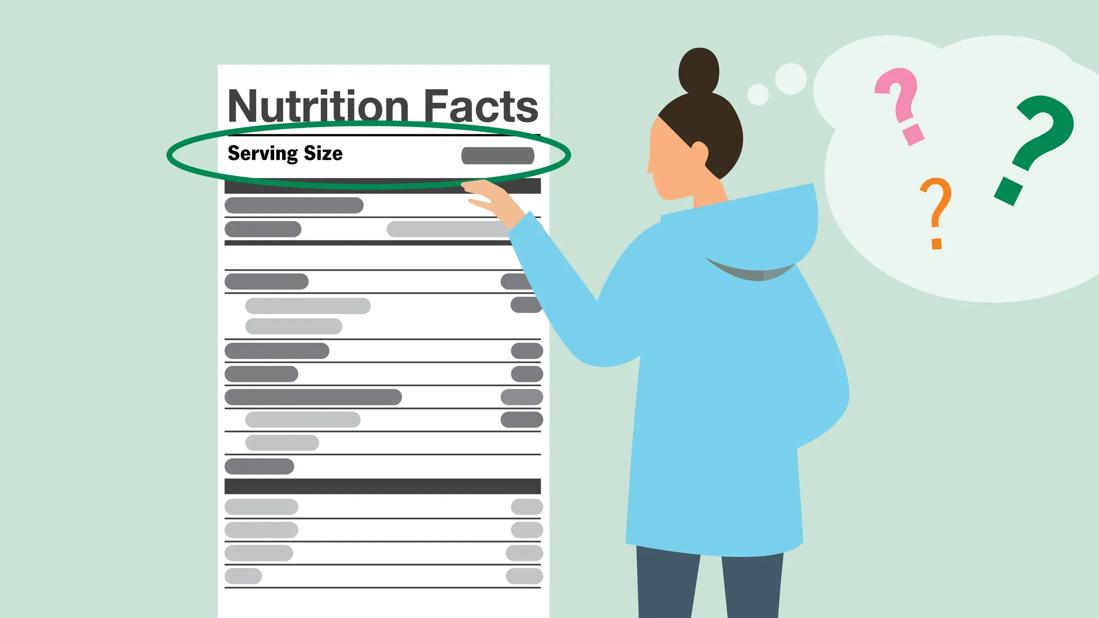
A serving size is a standardized amount used on food labels. It helps you compare nutrition information between similar foods. For example, a label may list nutrition facts for 1 cup of cereal, 2 tablespoons of peanut butter, or 2/3 cup of ice cream.
Here is the twist: a serving size is not always a recommendation. It often reflects the amount people typically eat. That means the serving size on a label is a reference point, not a command from the food universe.
Example: The “Oops, That Was Two Servings” Moment
Imagine a bottle of smoothie that looks like one drink. The label says it contains two servings. If you drink the whole bottle, you are getting twice the calories, sugar, protein, sodium, and other nutrients listed per serving. That does not automatically make the smoothie “bad,” but it does mean the label only tells the full truth after you check the servings per container.
The first rule of portion awareness: always look at both the serving size and the servings per container. Food labels become much less mysterious when those two lines are not ignored.
Why Portion Sizes Have Become So Confusing
Portion confusion is not a personal failure. It is part environment, part habit, and part “why is this muffin the size of a softball?” Over the years, many packaged foods, restaurant meals, and beverages have grown larger. Bigger portions can make normal servings look oddly small.
This is often called portion distortion. When oversized meals become familiar, our eyes adjust. A large soda looks normal. A giant plate of fries looks standard. A bowl that holds three cups of cereal looks like breakfast, not a cereal avalanche.
The problem is that our bodies do not always register large portions immediately. When food is served in a big container, eaten quickly, or enjoyed while distracted, it becomes easy to eat more than intended before fullness catches up.
How Much Are You Really Eating? Common Portion Surprises
Some foods are especially easy to underestimate. They are not “bad foods”; they are simply compact, calorie-dense, or commonly served in large amounts.
1. Pasta and Rice
A modest serving of cooked pasta or rice can look smaller than the mountain served at many restaurants. A typical label serving may be around 1/2 to 1 cup cooked, depending on the food. Many people eat two or three times that amount without noticing.
2. Nut Butters
Peanut butter, almond butter, and similar spreads are nutrient-rich, but a serving is often 2 tablespoons. The difference between a measured spoonful and a “peanut butter sculpture” on toast can be significant.
3. Nuts and Trail Mix
Nuts provide healthy fats, protein, and minerals. They are also energy-dense. A small handful may be a serving, while eating straight from the bag can quickly turn snack time into a full meal wearing a disguise.
4. Salad Dressing and Oils
Olive oil and dressings can add flavor and help absorb certain nutrients, but portions are easy to underestimate. A tablespoon or two can become a waterfall if poured directly from the bottle.
5. Beverages
Juice, sweet tea, sports drinks, specialty coffees, smoothies, and flavored milks may contain more than one serving per bottle or cup. Drinks go down quickly, which makes them easy to overlook.
Simple Visual Portion Guides
You do not need to carry measuring cups to a birthday party. Visual cues can help you estimate portions when labels and kitchen tools are not available.
- 1 cup is roughly the size of a baseball or an average fist.
- 1/2 cup is about the size of a tennis ball or a small handful.
- 3 ounces of cooked meat, poultry, or fish is about the size of a deck of cards or the palm of your hand.
- 1 ounce of cheese is about the size of a pair of dice.
- 1 tablespoon is close to the size of your thumb tip.
- 1 teaspoon is about the size of a postage stamp or fingertip.
These are not perfect measurements, but they are useful. The point is not laboratory precision. The point is to train your eyes so a portion looks familiar before hunger starts negotiating.
The Plate Method: A Balanced Way to Build Meals
One of the easiest ways to manage portions is the plate method. Instead of counting every bite, you use your plate as a visual guide.
Try This Simple Meal Layout
- Half your plate: vegetables and fruits, especially colorful, fiber-rich choices.
- One quarter of your plate: grains or starchy foods, preferably whole grains when possible.
- One quarter of your plate: protein foods such as beans, lentils, eggs, fish, poultry, tofu, yogurt, or lean meats.
- Add a drink: water is a simple default, though milk or fortified alternatives may fit some meals.
This approach works because it naturally balances volume, nutrients, and satisfaction. Vegetables and fruits add fiber and water. Protein helps with fullness. Grains and starches provide energy. Healthy fats add flavor and staying power.
It also keeps portion control from feeling like punishment. A plate full of colorful food looks abundant, not sad. Nobody wants dinner to resemble a museum exhibit titled “One Lonely Carrot.”
How to Read Food Labels for Real-Life Portions
The Nutrition Facts label is one of the best tools for understanding portion sizes. Start at the top, not in the middle. The top tells you the serving size and number of servings per container.
Step 1: Check the Serving Size
Ask, “Is this the amount I usually eat?” If the label serving is 1 cup and you usually eat 2 cups, multiply the listed nutrients by two.
Step 2: Check Servings Per Container
Small packages can contain multiple servings. A bag of chips, bottle of juice, frozen meal, or pint of ice cream may look single-serving but tell a different story on the label.
Step 3: Compare Similar Foods
Because serving sizes are standardized for similar products, labels can help you compare cereals, yogurts, breads, sauces, and snacks. Look at fiber, protein, added sugars, saturated fat, and sodiumnot just calories.
Step 4: Match the Label to Your Plate
If you eat more or less than the serving listed, adjust the numbers mentally. This habit becomes easier with practice and quickly turns into common sense.
Portion Control Without Obsessing Over Food
Portion awareness should make eating easier, not stressful. Measuring everything forever is not necessary for most people. In fact, becoming overly rigid can make meals feel tense and joyless. Food is fuel, culture, comfort, celebration, and connection. It is not a spreadsheet with sauce.
A helpful approach is to measure certain foods once or twice at home. Pour your usual cereal into a bowl, then measure it. Scoop your usual pasta serving, then compare it with 1 cup. Spoon peanut butter the way you normally do, then see how close it is to 2 tablespoons.
This short “reality check” teaches your eyes. After that, you can estimate more confidently without turning every meal into a science fair project.
Smart Portion Tips at Home
Use Smaller Plates and Bowls
A smaller plate can make a reasonable portion look more satisfying. Large plates often make normal portions look tiny, which may lead you to add extra food just to fill the space.
Serve Food From the Kitchen
Instead of placing large serving dishes on the table, plate food in the kitchen. You can always go back if you are still hungry, but this creates a pause before automatic second helpings.
Do Not Eat Straight From the Bag
Snacking from a package is a classic portion trap. Put chips, crackers, nuts, or popcorn into a bowl. The bag does not need to sit beside you like a crunchy emotional support animal.
Slow Down
It takes time for fullness signals to register. Eating more slowly gives your body a chance to say, “Thanks, we’re good,” before you accidentally overshoot.
Add Volume With Produce
Vegetables, fruits, soups, and salads can add satisfying volume without making meals feel heavy. This is especially useful when reducing portions of calorie-dense foods like fried items, creamy sauces, or large servings of refined grains.
Portion Tips When Eating Out
Restaurant portions can be generoussometimes delightfully, sometimes absurdly. A single entrée may contain enough food for two meals. That does not mean you cannot enjoy eating out. It simply means you may need a strategy.
- Split an entrée with a friend.
- Order an appetizer with a side salad as your meal.
- Ask for a to-go box early and save part for later.
- Choose sauces and dressings on the side.
- Pause halfway through and check your hunger.
- Stop when comfortably satisfied, not stuffed.
Eating out should still be fun. Portion awareness is not about refusing every fry. It is about deciding how much you actually want, then enjoying it on purpose.
Healthy Portions Are Not the Same for Everyone
There is no universal perfect portion. Your needs change with activity, sleep, stress, growth, health conditions, medications, and personal goals. Some days you are hungrier. Some days you need lighter meals. Some days your body asks for more because it did more.
People with diabetes, kidney disease, heart disease, digestive conditions, food allergies, eating disorder history, or other medical needs should follow personalized guidance from a qualified healthcare professional or registered dietitian.
For everyone else, portion sizes are best treated as flexible guides. A serving size can teach you what is typical. Your hunger and fullness cues can teach you what is right today.
Mindful Eating: The Missing Piece
Mindful eating simply means paying attention. You notice the food, the flavor, the speed, the setting, and how your body feels. This is harder than it sounds when lunch is eaten over a keyboard and dinner happens in front of a streaming show that keeps asking, “Are you still watching?” Yes, unfortunately, and so is the snack bowl.
Try the Hunger Scale
Before eating, ask yourself where your hunger falls from 1 to 10. A 1 is extremely hungry. A 10 is uncomfortably full. Many people feel best starting a meal around 3 or 4 and stopping around 7, when they feel satisfied but not stuffed.
Remove One Distraction
You do not need silent monk-level dining. Just remove one distraction. Put the phone down for the first five minutes. Sit at a table. Take a few slower bites. Notice flavor. This small pause can improve portion awareness dramatically.
Common Portion Size Mistakes
Mistake 1: Thinking “Healthy” Means Unlimited
Avocados, nuts, granola, olive oil, smoothies, and whole-grain breads can be nutritious, but portions still matter. Nutrient-dense does not mean bottomless.
Mistake 2: Ignoring Liquid Calories
Drinks can contribute a lot without making you feel as full as solid food. Watch serving sizes for sweet drinks, juices, coffee beverages, and smoothies.
Mistake 3: Skipping Meals, Then Overeating Later
Waiting too long to eat can make portion control harder. Regular meals and balanced snacks may help prevent the “I could eat the refrigerator handle” stage of hunger.
Mistake 4: Using Oversized Dinnerware
Large bowls and plates can quietly increase portions. Try using a smaller dish and see whether it changes your visual expectation.
Mistake 5: Treating Portion Control Like Punishment
The purpose of portion awareness is not deprivation. It is learning how much food supports your body while still leaving room for enjoyment.
A Practical One-Day Portion Example
Here is what balanced portion awareness might look like in real life:
Breakfast
Greek yogurt with berries, a sprinkle of granola, and a spoonful of nuts. Instead of pouring granola freely, measure it once to learn what a serving looks like.
Lunch
A grain bowl with half the bowl filled with vegetables, one quarter with brown rice or quinoa, and one quarter with chicken, tofu, beans, or eggs. Add dressing on the side.
Snack
An apple with peanut butter, or hummus with carrots and whole-grain crackers. Plate the snack instead of eating from the container.
Dinner
Salmon, roasted vegetables, and a baked potato. Use the plate method and adjust based on hunger. If you are still hungry, add more vegetables, protein, or another satisfying food rather than automatically doubling everything.
of Real-Life Experience: What Portion Awareness Feels Like in Practice
Learning portion sizes in real life is usually less glamorous than it sounds. Nobody wakes up one morning, measures 1 cup of rice, and hears inspirational music. More often, the process begins with a tiny shock. You pour your usual bowl of cereal, check the label, measure it, and realize your “one bowl” was actually closer to three servings. Suddenly the cereal box is not shrinking mysteriously at night. It was you. You were the cereal goblin.
One of the most useful experiences is measuring common foods only once. For example, scoop your normal peanut butter serving onto toast, then compare it with 2 tablespoons. Pour your usual orange juice, then compare it with 8 ounces. Serve your regular pasta portion, then check how it looks next to 1 cup cooked. This is not about shame. It is like turning the lights on in a room. Once you see the actual size, you cannot unsee itand that makes future choices easier.
Another real-world lesson is that plates are powerful. A moderate dinner on a giant plate can look lonely, like it needs a motivational speech. The same dinner on a smaller plate can look complete and satisfying. This does not mean you are tricking yourself in a bad way. You are simply giving your eyes a better frame of reference.
Eating out teaches a different lesson: restaurant portions often do not match home portions. A burrito may be the size of a forearm. A pasta entrée may arrive in a bowl deep enough to bathe a small dog. When you expect that, you can plan for it. Sharing, boxing half, ordering smaller plates, or slowing down halfway through can turn a huge meal into two enjoyable meals instead of one uncomfortable one.
Snacking is another area where experience matters. A handful of chips from a bowl feels different from a handful from a family-size bag. The bowl has an ending. The bag has ambition. Portioning snacks before sitting down helps you enjoy them more because you are not constantly negotiating with the package.
The biggest surprise is that portion awareness can actually increase enjoyment. When you slow down and choose an amount intentionally, food tastes better. You notice crunch, sweetness, salt, creaminess, warmth, and satisfaction. You are not racing to the bottom of the plate. You are eating like someone who gets to enjoy the meal, not someone trying to finish before the next email arrives.
Over time, portion sizes become less about rules and more about rhythm. Some meals are bigger. Some are lighter. Some days require extra fuel. Some treats are worth savoring fully. The skill is not eating the smallest amount possible. The skill is recognizing what enough feels likeand trusting yourself to stop there most of the time.
Conclusion: Portion Awareness Is a Skill, Not a Diet
Portion sizes can be confusing, especially in a world of oversized packages, generous restaurants, and bowls that could double as mixing equipment. But with a few simple habitsreading labels, using visual cues, plating snacks, slowing down, and building balanced mealsyou can better understand how much you are really eating.
The best portion strategy is flexible. It respects nutrition without becoming obsessive. It leaves room for favorite foods. It helps you feel satisfied, energized, and more aware of your choices. Most importantly, it reminds you that food is not the enemy. Confusion is the enemy. And now, you have a fork, a plate, and a much better plan.