Decorating on a budget used to feel like a sad little compromise. You either bought something cheap and obvious, or you stared at a designer room online and whispered, “Maybe in my next life.” Thankfully, that drama is no longer necessary. These days, some of the smartest home decor upgrades are not about spending more money. They are about spending more strategically.
That is where Amazon home decor hacks under $50 come in. Not the gimmicky kind that make your room look like a dorm with a credit card, but the designer-approved kind: clever, low-risk upgrades that improve light, texture, balance, and function. Interior pros consistently return to a few timeless moves, such as using mirrors to amplify light, swapping in softer textiles, adding layered lighting, and choosing pieces that bring shape and contrast to plain rooms. In other words, the magic is usually not in one giant purchase. It is in a handful of small changes that work together like a very stylish team project.
If your living room feels flat, your entryway feels forgotten, or your bedroom looks like it is still emotionally attached to your old college bedding, this guide is for you. Below are practical, stylish, and realistic ways to make affordable Amazon decor look expensive, intentional, and genuinely livable.
Why Small Decor Hacks Make Such a Big Difference
Designers often talk about “the bones” of a room, but most people are not knocking down walls on a random Tuesday. What you can do is change how a room feels. A better lamp makes a room warmer. A mirror can make it feel brighter. Curtain panels hung higher make ceilings seem taller. A tray can turn clutter into a deliberate vignette instead of a visual cry for help.
The best affordable home decor hacks work because they solve at least one of these problems:
1. They add light
Rooms rarely look expensive when they are lit by one lonely overhead bulb. Small lamps, rechargeable sconces, puck lights, and candlelight-style accents create depth and mood. That soft, layered glow is one of the easiest ways to make a room feel finished.
2. They add texture
Texture is what keeps a room from looking flat or sterile. Think woven baskets, linen-look curtains, boucle pillow covers, ribbed ceramic vases, wood bead garlands, and soft throws. When everything is smooth and shiny, the room feels cold. When you mix materials, it feels designed.
3. They improve scale
A small item can still have big visual impact when it is the right size. One decent mirror can do more for a narrow entryway than five tiny decorations. One pair of fuller curtain panels can make a window look far more custom than a dozen small “cute” accessories.
4. They create order
Good styling is not just decoration. It is editing. Trays, baskets, decorative boxes, and matching containers help everyday clutter look intentional. Designers know this trick well: less chaos always looks more expensive.
10 Designer-Approved Amazon Home Decor Hacks Under $50
1. Use a Mirror to Fake More Space and More Light
If you only steal one designer move, make it this one. Mirrors reflect both natural and artificial light, which helps rooms feel brighter and more open. In a small entryway, above a console, across from a window, or at the end of a dim hallway, a mirror can change the mood instantly.
The trick is to choose a shape that looks intentional. Arched mirrors, vintage-inspired frames, and thin black metal styles tend to look more elevated than generic builder-grade rectangles. If your rental has a plain bathroom mirror, consider a peel-and-stick frame or lightweight trim solution for a fast visual upgrade. It is the decor equivalent of putting the room in a better outfit.
2. Switch to Layered Lighting Instead of Overhead-Only Lighting
No room has ever whispered “luxury” under harsh top-down lighting. Designers layer light sources because it softens shadows and gives a room dimension. On Amazon, you can often find budget-friendly table lamps, rechargeable wall lights, LED puck lights, clip-on reading lights, and flameless candles that do the job without requiring a full electrical identity crisis.
Place a small lamp on a side table, bookshelf, dresser, or kitchen counter. Add puck lights inside open shelving or under cabinets. Use battery-operated sconces to frame a bed or mirror. Suddenly, the room feels curated instead of interrogated.
3. Upgrade Basic Curtains and Hang Them Higher Than You Think
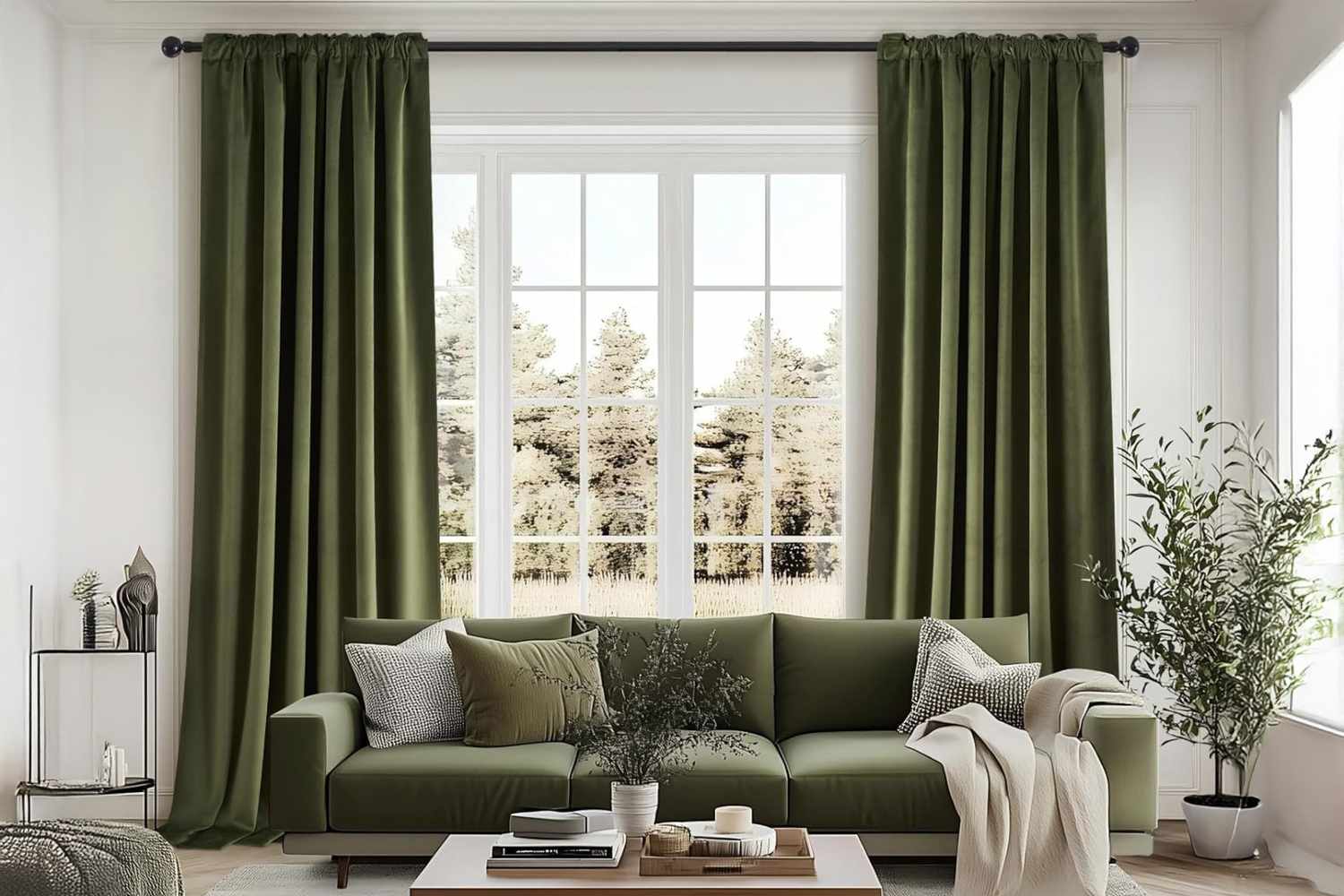
One of the most designer-looking cheap decor hacks is simply hanging curtains closer to the ceiling instead of directly above the window frame. This makes windows look larger and ceilings feel taller. It is a classic trick because it works.
Amazon is full of velvet-look, linen-look, blackout, and pinch-pleated curtain panels that can dramatically change a room for under $50, especially when you are decorating a smaller space or buying a single pair. Stick with longer lengths, fuller fabric, and rods that extend beyond the window so more glass is visible when the curtains are open. Tiny, skimpy curtains are the sweatpants of window treatments. Functional, yes. Elevated, not exactly.
4. Create Texture With Woven Baskets That Do More Than Just Sit There Looking Pretty
Baskets are an overachiever in the decor world. They add warmth, hide clutter, and work in almost every room. In a living room, use one for throw blankets. In an entryway, use it for shoes or umbrellas. In a bathroom, fill one with extra towels or toilet paper. On a wall, shallow woven baskets can even become sculptural decor.
What makes baskets such a strong hack is that they blur the line between storage and styling. That is a designer sweet spot. When something is both useful and good-looking, it earns its shelf space.
5. Replace Random Throw Pillows With Pillow Covers That Actually Coordinate
Pillows are one of the fastest and cheapest ways to change a room, but they also go wrong faster than almost anything else. The fix is simple: stop buying random single pillows and start buying coordinated pillow covers. This saves money, stores more easily, and lets you swap looks seasonally.
Choose a mix of solids, subtle patterns, and tactile fabrics. For example, pair a striped lumbar pillow with two larger boucle or faux linen covers in a color palette that matches the room. Stick to two or three tones, not eleven. Your sofa does not need to tell every color in the rainbow that it appreciates them.
6. Style a Tray Like It Is Your Job
Trays are one of the simplest Amazon home decor hacks under $50 because they make almost anything look deliberate. On a coffee table, a tray can hold candles, books, coasters, and a small vase. On a dresser, it can corral perfume, jewelry, and a catchall bowl. In the bathroom, it can turn soap, lotion, and a candle into a mini spa moment.
The secret is grouping. Designers rarely scatter small objects around a room with no relationship to one another. A tray gives those items a visual home. Wood, marble-look, mirrored, and acrylic trays all work, depending on the style of your space.
7. Fake Custom Decor With Peel-and-Stick Upgrades
Peel-and-stick decor has gotten dramatically better. Today’s best options can add personality without the commitment of paint or major renovation. Think removable wallpaper for a small accent wall, peel-and-stick backsplash tile for a rental kitchen, privacy film for windows, or adhesive trim details that dress up plain surfaces.
The smartest way to use these upgrades is in small doses. Try the back of a bookshelf, the wall behind a bed, the inside of a powder room, or a boring entry nook. A little pattern goes a long way, and because it is removable, it is far less scary than making a giant permanent mistake because you got overexcited at midnight.
8. Use Decorative Books, Frames, and Objects in Groups of Three
If your shelves look cluttered, the problem may not be the objects. It may be the arrangement. Designers often style shelves in small groupings with height variation and breathing room. Three items is an easy formula: one taller object, one medium object, and one smaller accent.
Use stacked books, a candle, and a small vase. Or a frame, a box, and a bead garland. Or a plant, a bowl, and a sculptural object. The point is not to buy more stuff. It is to style fewer things more thoughtfully. That alone can make a discount shelf look expensive.
9. Add One “Statement” Accent Instead of Ten Tiny Ones
When decorating on a budget, people often buy lots of small accents because they feel safer. But one stronger piece usually works better than several weak ones. That statement piece might be an arched mirror, a bold lamp, a dramatic vase, an oversized bowl, a patterned runner, or a pair of eye-catching curtain panels.
This is especially helpful in entryways, bathrooms, and bedrooms where square footage is limited. A room looks more sophisticated when there is a clear focal point. Otherwise, the eye just bounces around wondering what exactly is going on.
10. Make Everyday Items Look Like Decor
The most convincing stylish rooms do not hide real life. They just make it look better. A soap dispenser in amber glass looks nicer than a plastic bottle. Matching hangers instantly improve an open closet. A tissue box cover, a decorative catchall, or a sleek fruit bowl can elevate the most ordinary corners of a home.
This is the hack that quietly changes everything. Once you start upgrading daily-use items, the room begins to feel cohesive even when nothing dramatic has changed. You are not decorating around your life. You are styling the life you already have.
How to Shop Amazon Decor Without Making Expensive-Looking Mistakes
Search by material, shape, and function
Instead of searching vague phrases like “cute home decor,” think like a designer. Search for terms such as “linen-look curtain panel,” “arched mirror,” “ribbed ceramic vase,” “woven storage basket,” or “rechargeable wall sconce.” The more specific the material and silhouette, the better your results tend to be.
Read dimensions before you fall in love
Many online decor disappointments happen because something looked grand on screen and arrived the size of a lunchbox. Always check height, width, and depth. Decor that is too small can make a space feel accidental rather than styled.
Stick to a limited palette
A simple color palette instantly makes budget decorating look more intentional. Warm neutrals, earthy greens, soft blues, black-and-cream combinations, and muted rust tones all tend to layer beautifully. Pick a base palette and let texture do the rest.
Mix affordable pieces with what you already own
You do not need a total room reset. In fact, mixing new Amazon finds with existing furniture, vintage pieces, thrifted books, or sentimental decor usually looks more personal and sophisticated. The goal is not “everything matches.” The goal is “everything belongs.”
Room-by-Room Ideas for Using These Budget Decor Hacks
Living Room
Add two coordinated pillow covers, a soft throw, a tray for the coffee table, and a lamp with a warm bulb. If the room still feels flat, hang a mirror across from a window to boost light.
Bedroom
Use rechargeable sconces or clip lights by the bed, swap in fuller curtains, add one lumbar pillow, and place a textured basket nearby for extra blankets. If your walls feel blank, try peel-and-stick wallpaper behind the headboard.
Bathroom
Frame a plain mirror, decant soap into matching dispensers, roll towels into a basket, and add a small tray for lotion, a candle, and daily essentials. Bathrooms love a little spa energy.
Entryway
Hang a mirror, place a runner or doormat, add a bowl for keys, and use one basket for shoes or bags. Even a tiny entry can feel polished with just a few functional pieces.
Kitchen
Use under-cabinet lighting, a tray for oils or coffee supplies, matching jars for open shelving, and a washable runner for softness. Decor in a kitchen should still earn its keep.
The Best Part About These Hacks
The real beauty of designer-approved Amazon home decor hacks under $50 is that they are flexible. You can try one this weekend and another next month. You can test a style without committing to a full-room overhaul. And you can build a home that feels warm, layered, and personal without pretending your budget is unlimited.
Good decorating is rarely about having the most expensive things. It is about knowing what actually changes a room. Light. Texture. Shape. Scale. Order. Once you focus on those elements, even budget-friendly decor starts to work much harder. That is not just smart shopping. That is smart design.
Real-Life Experiences With Designer-Approved Amazon Home Decor Hacks Under $50
One of the reasons this topic resonates with so many people is because the experience is surprisingly universal. Almost everyone has had that moment of standing in a room and thinking, “Why does this feel unfinished?” The furniture is there. The walls are painted. The basics technically exist. And yet the room still looks like it is waiting for permission to become itself. That is where these small, affordable decor hacks tend to shine in real life.
For many people, the first breakthrough happens with lighting. A room that felt cold and generic can suddenly feel calm and inviting after adding one warm table lamp and a few soft accent lights. It is not dramatic in the way a renovation is dramatic, but it changes how you use the room. You linger longer. You read there. You actually want to sit on the sofa instead of walking past it like it owes you rent.
Another common experience is discovering that clutter is often more of a styling problem than a possession problem. A basket by the couch for blankets, a tray on the coffee table, or a box for remotes can make the room feel instantly calmer. It is the same stuff, but it looks more intentional. That shift matters because when a home looks more organized, it usually feels easier to maintain.
Mirrors are another favorite because the payoff is immediate. People often notice that an entryway looks brighter, a bedroom feels larger, or a dark corner seems less forgotten after adding the right reflective surface. The mirror does not create more square footage, obviously, but it changes perception. And in home decor, perception is half the battle.
Textiles also create some of the most satisfying low-cost upgrades. Swapping flat, lifeless pillow covers for textured ones or replacing short curtains with longer, fuller panels can make a room feel finished in a way that surprises people. It is often the moment when a space stops looking temporary and starts looking chosen. That emotional difference is bigger than it sounds. A home that feels chosen usually feels more comfortable too.
What makes these experiences so effective is that they are realistic. They do not require expert DIY skills, a giant budget, or a full design plan printed on fancy paper. They are the kind of adjustments ordinary people can make room by room, learning their style as they go. And that may be the most designer-approved idea of all: creating a home slowly, thoughtfully, and with enough flexibility to change your mind when you realize that the neon cactus pillow was, in fact, a cry for help.