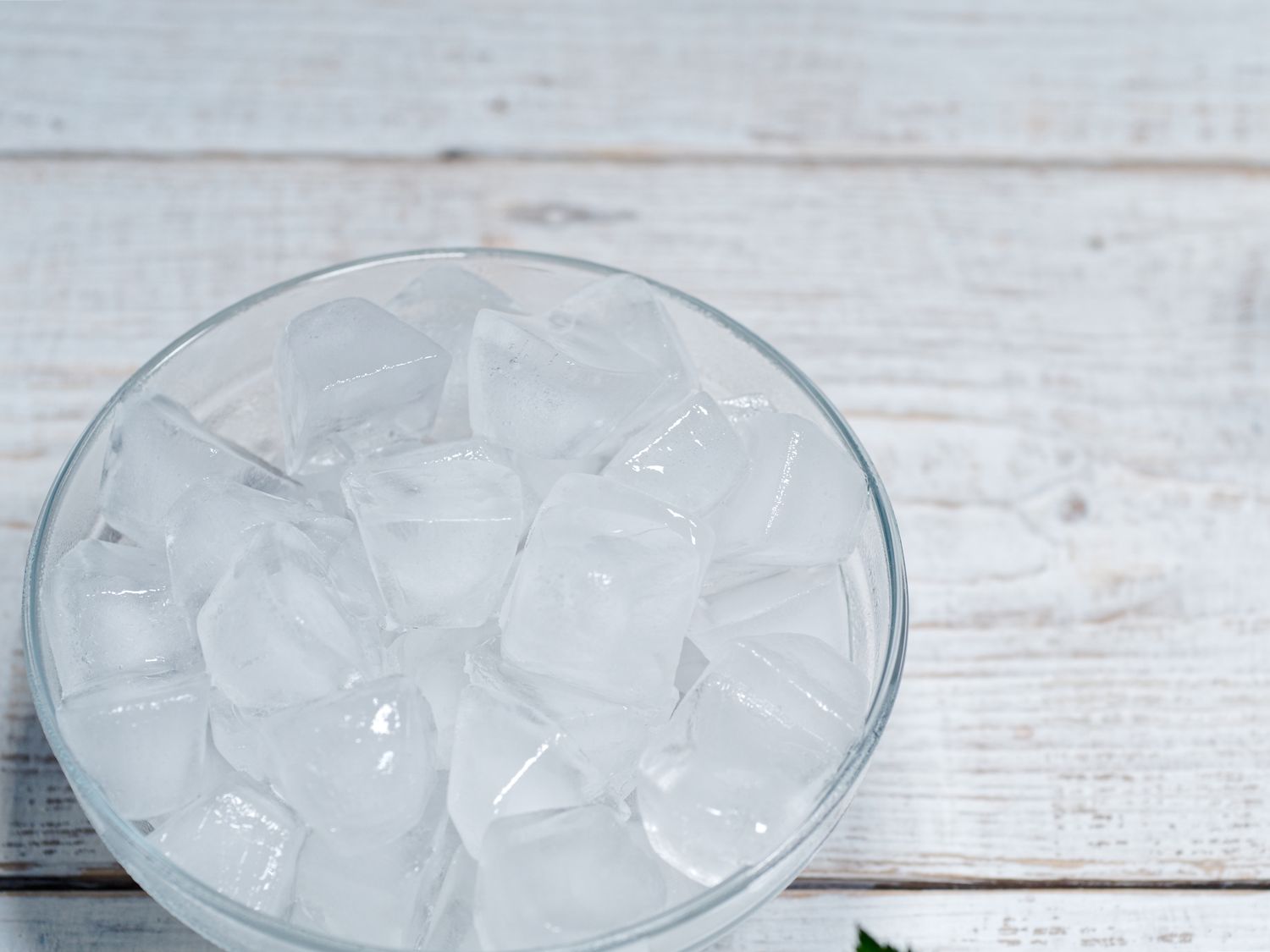
If your social feed has convinced you that flawless skin is just one bowl of ice water away, welcome to the club. The viral ice water facial has become one of those beauty trends that looks both oddly glamorous and slightly unhinged. The basic idea is simple: dunk your face into very cold water, sometimes with floating ice cubes, and emerge looking refreshed, snatched, and mysteriously better at life.
It is easy to see why the trend blew up. It is cheap, fast, dramatic on camera, and gives off strong “I have my morning routine together” energy. But before you start chilling your cheekbones like a fancy drink garnish, it is worth asking a more important question: does an ice water facial actually do anything useful for your skin?
According to dermatologists, the answer is yes, but with a giant asterisk. Cold can temporarily reduce puffiness, tone down some redness, and make skin look a bit tighter for a short time. What it cannot do is permanently shrink pores, erase acne, replace good skincare, or turn your bathroom into a dermatology clinic. In other words, it is not nonsense, but it is also not magic.
Here is what dermatologists really think about the viral ice water facial, who may benefit from it, who should skip it, and how to try it without making your skin angry enough to file a complaint.
What Is an Ice Water Facial, Exactly?
An ice water facial is exactly what it sounds like: exposing your face to very cold water, often with ice, for a short period of time. Some people dip their entire face into a bowl. Others press on a cold compress, use an ice roller, glide chilled globes across the skin, or do a quick cold rinse at the sink. The aesthetic may vary, but the principle is the same. Cold triggers temporary constriction of blood vessels near the skin’s surface, which can reduce swelling and make the face look less puffy for a little while.
This is one reason the trend is especially popular in the morning, before makeup, after a salty dinner, or after a night with less sleep than your under-eyes would prefer. It is the beauty equivalent of sending your face a brisk memo that says, “Please pull it together.”
Why the Trend Feels So Effective So Fast
The viral appeal of the ice water facial comes from how quickly it can change the way skin looks. Cold can make the face appear fresher almost immediately. If your skin is mildly swollen, flushed, or just a little blah, that quick cooling effect may create a more awake, less puffy appearance. Makeup artists and beauty editors often like cold therapy before makeup because skin can look smoother and less inflamed for a short window afterward.
That quick payoff is real, but it is temporary. Think of it as a visual tune-up, not a long-term renovation. The trend works best when people understand what it is actually doing: reducing visible puffiness and calming the look of inflammation for a limited time. It is not rebuilding collagen overnight, detoxing your face, or freezing your pores into better behavior.
What Dermatologists Actually Like About It
1. It can temporarily de-puff the face
This is the strongest argument in favor of the trend. If you wake up with puffiness around the eyes, cheeks, or jawline, cold can help reduce that swollen look. The effect is usually most noticeable around the under-eye area, where fluid retention tends to show up fast and dramatically. If your main goal is to look less puffy before a meeting, event, or photo, this trend can earn its keep.
2. It may calm down some visible redness
Cold can also temporarily reduce the look of flushing or post-heat redness. If you just got out of a warm shower, had a workout, or your skin is looking mildly reactive, a cool compress or short cold exposure may help the face look calmer. The keyword here is temporarily. It is a quick visual fix, not a cure for chronic redness.
3. It can feel soothing
Some people simply love the sensation. Cold can feel refreshing, especially in hot weather, after a workout, or when your face feels swollen and overheated. Used gently, it can be part of a calming routine. There is also a mental perk: the ritual feels intentional, brisk, and a little spa-like, even if your “spa” is technically just a cereal bowl full of ice cubes.
4. It may make skin look smoother for a short time
After an ice water facial, skin may look a bit tighter and more even. This is one reason the trend is popular before makeup application. Some people find that foundation sits better when puffiness is reduced and surface redness is slightly toned down. Again, the effect is cosmetic and short-lived, but that does not make it useless. Sometimes “you look more awake” is the whole assignment.
What an Ice Water Facial Cannot Do
It cannot permanently shrink your pores
This is one of the biggest beauty myths attached to cold water. Pores are not little doors opening and closing on command. Cold may make pores look less noticeable for a short time because swelling and oiliness appear reduced, but it does not permanently change pore size. If large-looking pores bother you, consistent cleansing, sun protection, retinoids, and salicylic acid are much more meaningful players than a bowl of ice water.
It cannot treat acne on its own
If you have a swollen blemish, cold may help reduce inflammation a bit. But an ice water facial is not a true acne treatment. It will not unclog pores, regulate oil production in a lasting way, or replace ingredients like benzoyl peroxide, adapalene, or salicylic acid. At best, it is a supporting actor, not the star of the acne-fighting cast.
It cannot replace a real skincare routine
Dermatologists consistently come back to the basics for a reason: gentle cleanser, moisturizer, sunscreen, and targeted treatments when needed. Those are the habits that improve skin over time. An ice water facial can be a fun extra, but it does not outrank your SPF, and it definitely does not cancel out sleeping in makeup. Nice try, though.
Who Should Be Careful or Skip It Entirely
This is where the trend gets a lot less universal. For some skin types, very cold exposure can be irritating instead of helpful.
Rosacea-prone skin
Some people with rosacea find cool temperatures soothing, but extreme cold can also be a trigger. Skin with rosacea tends to be reactive, and what feels refreshing to one person can spark flushing or irritation in another. If you have rosacea, a cool compress is generally a safer idea than plunging your face into icy water.
Eczema or a damaged skin barrier
If your skin barrier is already compromised, very cold temperatures may sting, burn, or leave skin feeling drier and more irritated afterward. Skin that is cracked, inflamed, or sensitive usually responds better to bland, moisturizing care than dramatic temperature experiments.
Cold urticaria or cold sensitivity
This is a big one. Some people develop hives, welts, itching, burning, or swelling in response to cold. If that sounds familiar, do not mess around with an ice water facial. A beauty trend is not worth turning your face into an emergency weather report.
Very sensitive skin
If your skin already reacts to fragrance, acids, retinoids, wind, or basically the concept of existing, start with caution. A gentle cool rinse may be fine. A face-first plunge into freezing water may be a terrible plot twist.
How to Try the Trend Safely
If you still want to give the ice water facial a shot, the safest version is the least dramatic one. Dermatologists generally favor controlled cooling over extreme exposure.
Safer ways to do it
- Start with clean skin. Remove makeup and sunscreen first.
- Use cool to cold water, not painfully freezing water.
- Limit exposure to a brief session, usually seconds to a minute or two total.
- Avoid pressing bare ice directly onto the skin for long periods.
- Consider an ice roller, chilled facial tool, or cool compress instead of dunking.
- Pat skin dry gently. Do not scrub.
- Follow with moisturizer, and use sunscreen if it is morning.
A good rule: if your face feels soothed, you are probably in the safe zone. If it feels numb, painfully tight, burning, or “why did I do this to myself,” back off immediately.
What Dermatologists Prefer Instead of the Most Extreme Version
If your goal is less puffiness or redness, you do not need the full ice-bath spectacle. Many dermatologists would rather see people use gentler options like a cool washcloth, cold spoon around the eyes, refrigerated gel mask, or ice roller. Those tools let you control the cold, avoid overdoing it, and reduce the risk of irritation.
And if puffiness is a regular problem, it may help to zoom out. Sleep position, allergies, a high-salt diet, alcohol, sinus issues, dehydration, or chronic irritation may be contributing. In those cases, ice water facials can help with the look of the issue, but not necessarily the reason it keeps happening.
So, Should You Try the Viral Ice Water Facial?
For most people with normal, non-sensitive skin, trying it once in a while is probably fine. If you love the refreshed look and your skin tolerates it well, there is no reason you cannot keep it as an occasional pre-makeup or post-puffy-face trick. It can be helpful. It can be fun. It can make you look a bit more alive before coffee finishes the job.
But if you are expecting dramatic, lasting skin transformation, this trend is oversold. The benefits are real, just modest and temporary. Dermatologists are not rolling their eyes because the trend is totally useless. They are rolling their eyes because the internet keeps treating a short-term de-puffing trick like a breakthrough in skin science.
The smartest answer is this: try it if your skin likes cold, skip it if your skin hates cold, and do not confuse a chilly beauty hack with a full skincare strategy.
Common Experiences People Report After Trying It
One reason the ice water facial keeps coming back online is that the experience itself is memorable. People often say the first few seconds are the hardest. There is an immediate jolt, followed by that strange moment where your face feels both shocked and oddly awake. For some, it is energizing, like a triple espresso for the cheeks. For others, it is less “luxury skincare ritual” and more “why am I voluntarily headbutting a glacier before breakfast?”
The most commonly reported payoff is visible de-puffing. People who try the trend in the morning often say their under-eyes look less swollen, their cheeks appear a little tighter, and their overall face seems less puffy than it did a few minutes earlier. This is especially true after travel, poor sleep, salty food, or a late night. Many also say their skin looks fresher in that short window afterward, which is why the trend is popular before makeup, photos, or events.
Another common experience is that the result fades. Fast. Users often notice that while the face looks smoother and more awake immediately afterward, the effect is not especially durable. A few hours later, they are just a person with a face again. That does not mean the trend failed. It means the trend did exactly what cold therapy usually does: provide a short-lived cosmetic improvement, not a permanent change.
People with resilient skin often describe the experience as refreshing and satisfying, especially when they switch from a full ice-water plunge to a gentler tool like an ice roller or chilled mask. Those alternatives tend to get better reviews from people who want the de-puffing effect without the dramatic discomfort. A lot of users end up keeping the principle of the trend while retiring the most extreme version of it.
On the flip side, people with sensitive skin frequently report that the trend is not worth the drama. Some say their skin feels tight, dry, stingy, or flushed afterward. Others find that the area around the nose or cheeks becomes reactive, especially in cold weather or when their skin barrier is already irritated from over-exfoliation, retinoids, acne treatments, or plain old life. In those cases, the experience becomes a reminder that “viral” and “good for your face” are not always the same thing.
There is also a surprisingly big difference between enjoying the trend in theory and enjoying it in practice. A lot of people love watching it on video but quietly downgrade to a cool rinse, a cold spoon for the under-eyes, or a refrigerated tool once they try the full plunge themselves. Translation: the trend looks glamorous until your nose starts feeling like it joined an Arctic expedition against its will.
Overall, the real-world experience tends to land in the same place dermatologists do. People who benefit from it usually like it as a quick fix, not a miracle cure. They reach for it when they want a temporary refresh, a little de-puffing, or a better canvas for makeup. People who dislike it usually do so because the cold feels too intense, the results are too brief, or their skin simply prefers gentler treatment. That may be the most useful takeaway of all: the ice water facial is not a must-do skincare step. It is just one optional tool, and whether it feels brilliant or ridiculous depends a lot on your skin, your expectations, and your tolerance for very cold water touching your face before noon.
Conclusion
The viral ice water facial is one of those beauty trends that sits in the sweet spot between useful and overhyped. Dermatologists do see a real short-term benefit: less puffiness, a calmer look, and a quick wake-up effect. But they also make it clear that the trend is not a cure-all, not ideal for everyone, and not a replacement for gentle cleansing, moisturizer, targeted treatment, and sunscreen. If your skin likes cold, a controlled version of the trend may be a fun extra. If your skin is reactive, dry, rosacea-prone, or sensitive to cold, your best glow-up may be skipping the ice bath entirely.