How to win in a casino is one of those questions that sounds simple until the slot machine blinks at you like a robot raccoon guarding your wallet. The honest answer is this: you cannot guarantee a win, but you can absolutely learn how to play smarter, avoid beginner traps, manage your money, and leave the casino with your dignity, your rent money, and possibly a fun story involving a blackjack dealer named Tony.
Casino gambling is built around probability. Every game has rules, odds, payouts, and a built-in advantage for the house. That does not mean every player loses every session. Short-term luck can be wild. Someone can sit down at a roulette table, bet red, win twice, and suddenly feel like a math professor in sunglasses. But over time, the casino edge matters. The beginner’s goal should not be “beat the casino forever.” The better goal is: play games you understand, choose lower-edge bets, protect your bankroll, and know when to walk away.
This guide explains practical casino gambling strategies for beginners in plain English. No magic systems. No shady “secret method” whispered by a guy holding a free buffet coupon. Just real, useful advice that helps you make better decisions.
What “Winning” in a Casino Really Means
Before you place a single bet, redefine winning. In a casino, winning can mean cashing out ahead. It can also mean staying within your budget, playing for entertainment, avoiding high-risk mistakes, and leaving before a good night turns into a financial horror movie.
The smartest casino players understand that gambling is paid entertainment. Think of it like buying concert tickets. You hope the night is amazing, but you do not expect the drummer to hand you a profit on the way out. If you win money, fantastic. If you lose only what you planned to spend, that is still a controlled, responsible outcome.
Understand the House Edge Before You Play
The house edge is the casino’s average mathematical advantage over time. If a game has a 5% house edge, that does not mean you lose exactly $5 every time you bet $100. It means that over a large number of bets, the game is designed to return slightly less than players wager.
Beginners often ignore the house edge because it sounds boring. Big mistake. The house edge is the tiny gremlin living inside every casino game. You cannot remove it, but you can choose games where the gremlin is smaller.
Lower-House-Edge Games to Consider
Some casino games are generally better for beginners who want more playtime and less mathematical punishment:
- Blackjack: When played with basic strategy, blackjack can have one of the lowest house edges in the casino.
- Baccarat: The banker bet is usually one of the simplest low-edge bets available, though it commonly includes a commission.
- Craps: Pass line and don’t pass bets are relatively beginner-friendly compared with many flashy proposition bets.
- Video poker: Some versions offer strong odds if you know the correct strategy table.
Higher-Risk Bets Beginners Should Treat Carefully
Some bets look exciting because they offer big payouts. That does not mean they are good bets. In fact, the giant jackpot sign is often the casino’s way of saying, “Please look over here while the math quietly steals your fries.”
- Roulette single-number bets: Fun, dramatic, and usually high-edge.
- Baccarat tie bet: Tempting payout, poor long-term value.
- Craps proposition bets: Fast action, but often expensive mathematically.
- Side bets in table games: Many have higher house edges than the main game.
- Progressive jackpot bets: Exciting, but usually long-shot wagers.
Bankroll Management: Your First Real Casino Strategy
If you learn only one casino strategy, make it bankroll management. Your bankroll is the amount of money you set aside for gambling. Not rent. Not grocery money. Not “I can pay the electric bill next week if I become a roulette legend tonight” money. Your bankroll should be entertainment money you can afford to lose.
Set a Loss Limit Before You Enter
Decide the maximum amount you are willing to lose before the casino music, lights, and free soda start negotiating with your common sense. If your limit is $200, then $200 is the wall. When you hit it, stop. Do not visit the ATM for “one last comeback.” The ATM is not a strategy coach. It is a trap door with buttons.
Set a Win Goal Too
Many beginners set a loss limit but forget to set a win goal. That is how a person turns a $300 profit into a $40 cab ride and a sad pretzel. A win goal gives you a reason to leave while you are ahead. For example, if you bring $200 and reach $350, you might pocket $100 and continue playing only with the remaining $250. This protects part of your profit while keeping the night fun.
Use Session Budgets
Instead of bringing one large bankroll to the floor, divide it into smaller sessions. If you plan to gamble $300 over three hours, use three $100 envelopes or digital notes. When one session budget is gone, take a break. Walk around. Eat something. Remind yourself that casino carpet patterns are not normal and should not be stared at for too long.
Choose the Right Games as a Beginner
The best casino games for beginners are not always the loudest or flashiest. A smart beginner looks for games with clear rules, reasonable odds, and slower decision-making. You want enough time to think, not a game that makes your chips disappear faster than popcorn at a movie theater.
Blackjack: Best for Players Who Like Decisions
Blackjack is one of the most popular table games because player decisions matter. You choose when to hit, stand, double down, split, or surrender. The key is to use blackjack basic strategy, which is a mathematically tested chart showing the best play for each hand against the dealer’s upcard.
Basic strategy does not guarantee profit, but it helps reduce the casino’s edge. Beginners should avoid guessing based on feelings. Your “gut” may be excellent at detecting bad leftovers, but it is not better than millions of simulated blackjack hands.
Baccarat: Simple and Calm
Baccarat is a good beginner option because the decisions are simple. You usually bet on banker, player, or tie. The banker bet is typically the strongest choice. The tie bet may look attractive because of its larger payout, but it usually carries a much higher house edge. Translation: let the tie bet wear its fancy hat somewhere else.
Craps: Great Odds If You Avoid the Noise
Craps can look terrifying to beginners. People shout, dice fly, chips move, and the table layout seems like it was designed by a caffeinated architect. But the basic bets are not that complicated. Pass line and don’t pass bets are among the better options. Taking odds behind the pass line can also be strong because odds bets have no house edge, though they increase the amount of money at risk.
Slots: Fun, Easy, and Volatile
Slot machines are simple: pick a machine, choose a bet size, press the button, and hope the digital fruit gods are feeling generous. Slots are entertainment-heavy and strategy-light. You cannot control the outcome, and no machine is “due.” A machine that has not paid in a while is not warming up like an oven. Each spin is random.
If you play slots, choose a small bet size, avoid chasing jackpots, and treat the money as entertainment spending. Slots can be fun, but they can also drain a bankroll quickly if you keep increasing your bet after losses.
Beginner Casino Strategies That Actually Help
1. Learn the Rules Before You Bet Real Money
Never learn a casino game while actively losing money. Practice online in free-play mode, read a simple guide, or watch a few rounds before sitting down. If you do not know what a bet does, do not make it. Confusion is expensive.
2. Start at Low Minimum Tables
Low table minimums give you more hands, more decisions, and more time to learn. A $5 or $10 table is usually better for beginners than a $25 table. Your goal is to gain experience without turning each mistake into a dramatic financial event.
3. Avoid Side Bets
Side bets are the glitter of casino gambling. They sparkle, they look fun, and later you find them everywhere in your financial regrets. Many side bets offer big payouts but carry worse odds than the main game. Beginners should usually skip them until they fully understand the math.
4. Do Not Chase Losses
Chasing losses means increasing bets or continuing to gamble because you are trying to win back money you already lost. This is one of the fastest ways to turn a small loss into a large one. The casino does not know you are “due.” The dice do not feel guilty. The cards are not preparing an apology.
5. Take Breaks
Casinos are designed to keep you engaged. There may be no clocks, no windows, and no obvious reminder that the outside world still exists. Set alarms on your phone. Take breaks every hour. Drink water. Step outside if possible. A clear mind makes better decisions than a tired, overstimulated one.
6. Avoid Gambling While Emotional or Intoxicated
If you are angry, stressed, lonely, exhausted, or drunk, your decision-making is not at full power. Gambling while emotional can lead to reckless bets. Gambling while intoxicated can make a $15 blackjack hand feel like “basically a business investment.” It is not.
7. Know When to Walk Away
The best casino strategy is often leaving. Walk away when you hit your loss limit. Walk away when you hit your win goal. Walk away when you feel irritated, desperate, or convinced that the next spin must save the night. Walking away is not quitting. It is cashing out your brain before it files a complaint.
Common Beginner Mistakes in Casinos
Believing in Betting Systems
Systems like Martingale tell players to double their bet after each loss. The idea is that one win eventually recovers all previous losses. The problem is that losing streaks happen, table limits exist, and bankrolls are not infinite. A system cannot erase the house edge. It can only change the pattern of wins and losses, sometimes in very painful ways.
Thinking Comps Are Free Money
Casinos may offer free drinks, meals, rooms, or loyalty points. These perks are called comps, and they are based on your play. Comps can be nice, but they should never justify extra gambling. Spending $500 to “earn” a buffet is like buying a cow because you wanted a cheeseburger.
Playing Games You Do Not Understand
Every casino has games that look easy until the dealer asks for a decision and your soul leaves your body. If you do not understand the rules, watch first. Ask the dealer during a quiet moment. Most dealers are used to beginners and would rather explain the game than watch you make preventable mistakes.
Betting Too Big Too Soon
Large bets create emotional pressure. Beginners who bet too big often panic, abandon strategy, or chase losses. Start small. A calm $10 decision is better than a sweaty $100 decision made because a stranger in a shiny shirt said, “Trust me.”
Responsible Gambling: The Strategy That Protects You
Responsible gambling is not a boring warning label. It is the foundation of smart play. Set limits on time and money. Use only disposable entertainment funds. Never borrow money to gamble. Do not gamble to escape stress. If gambling stops feeling fun and starts feeling necessary, take that seriously.
Warning signs include hiding gambling from others, borrowing money to continue, chasing losses, gambling when upset, or being unable to stop even when gambling causes problems. If any of those signs sound familiar, step away and seek support. In the United States, help is available through the National Problem Gambling Helpline at 1-800-GAMBLER.
So, Can Beginners Really Win in a Casino?
Yes, beginners can win in a single casino visit. Luck is real in the short term. But beginners should not confuse a lucky session with a reliable income plan. The best approach is to combine realistic expectations, lower-edge games, careful bankroll management, and emotional discipline.
To win smarter, choose games with better odds, learn basic strategy where it applies, skip bad bets, set limits, and leave when your plan says to leave. The casino’s biggest advantage is not just math. It is the player who forgets the plan.
Conclusion
How to win in a casino is really about learning how not to lose badly. Beginners do not need secret tricks. They need patience, discipline, game knowledge, and a budget that does not require a dramatic phone call to their bank. Play blackjack with basic strategy. Choose baccarat banker over tie. Stick to simple craps bets. Treat slots as entertainment. Avoid side bets unless you understand the risk. Most importantly, never chase losses.
A good casino night is not measured only by money. It is measured by control. Did you stay within your budget? Did you understand your bets? Did you leave before frustration took over? Did you have fun without putting essential money at risk? If yes, you played the game the right way.
Beginner Casino Experiences: Lessons from the Floor
Every beginner walks into a casino with a private movie playing in their head. In that movie, they sit down calmly, make three brilliant bets, win a mountain of chips, and stroll out while everyone whispers, “That person clearly understands probability and also has excellent hair.” Real casino experiences are usually less cinematic and much more educational.
One of the most common beginner experiences is the “fast first win.” A new player puts $20 into a slot machine, hits a small bonus, and suddenly has $85. This feels like proof that the machine has chosen them. The danger comes next. Instead of cashing out or lowering the bet, the player keeps spinning because winning feels easy. Twenty minutes later, the $85 is gone, another $40 has joined it, and the machine is back to blinking innocently like it had nothing to do with the crime. The lesson is simple: early wins are not promises. They are opportunities to protect profit.
Another classic experience happens at the blackjack table. A beginner sits down, receives a hard 16 against the dealer’s 10, and freezes. Someone at the table sighs. Another player mutters advice. The dealer waits. This is where preparation matters. A basic strategy chart removes drama from the decision. Instead of guessing, the player follows the mathematically recommended move. The hand may still lose, but the decision was correct. That is an important casino lesson: good decisions and good outcomes are not the same thing in the short run.
Craps offers a different beginner story. The table looks chaotic, but after watching for a few minutes, the beginner realizes that many players are simply betting the pass line and cheering together. The experience becomes less intimidating once the player ignores the center-table proposition bets and sticks to simple wagers. The lesson: casinos often make games look more complicated than they need to be. Simplicity can be powerful.
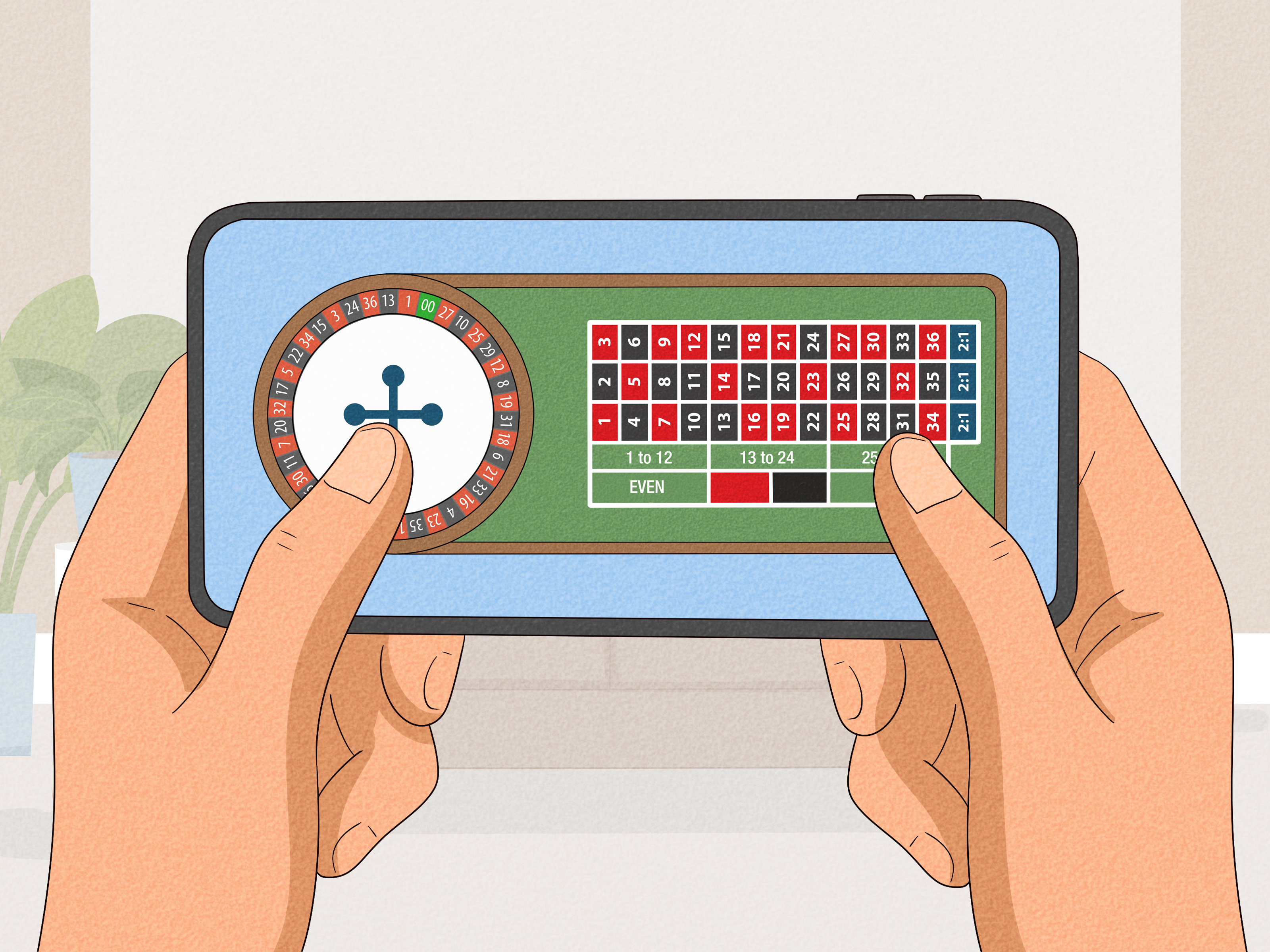
Then there is roulette, the game that makes people feel like fortune is personally listening. A beginner might bet on birthdays, anniversaries, or “the number that just feels right.” That can be fun, as long as it is treated as entertainment. The mistake is believing patterns are forming because black has hit five times in a row or number 17 “has to come soon.” Roulette has no memory. The wheel does not know your birthday, your lucky socks, or your student loans.
The best beginner experience is the one where a player leaves with a story and a plan still intact. Maybe they won $60. Maybe they lost $75 of the $100 they planned to spend. Maybe they learned that baccarat is calmer than expected, blackjack requires practice, and slots are fun but sneaky. The point is not to become a casino genius overnight. The point is to become the kind of player who thinks before betting, laughs at the weirdness of the room, and knows that walking away is sometimes the sharpest move in the building.
Casinos are built to be exciting, distracting, and a little surreal. That is part of the fun. But beginners who manage their bankroll, understand the house edge, and respect their limits can enjoy the experience without handing the casino the steering wheel. The smartest players are not always the ones stacking chips. They are the ones who can say, “That was enough,” cash out, and go get dinner while the night is still a good memory.