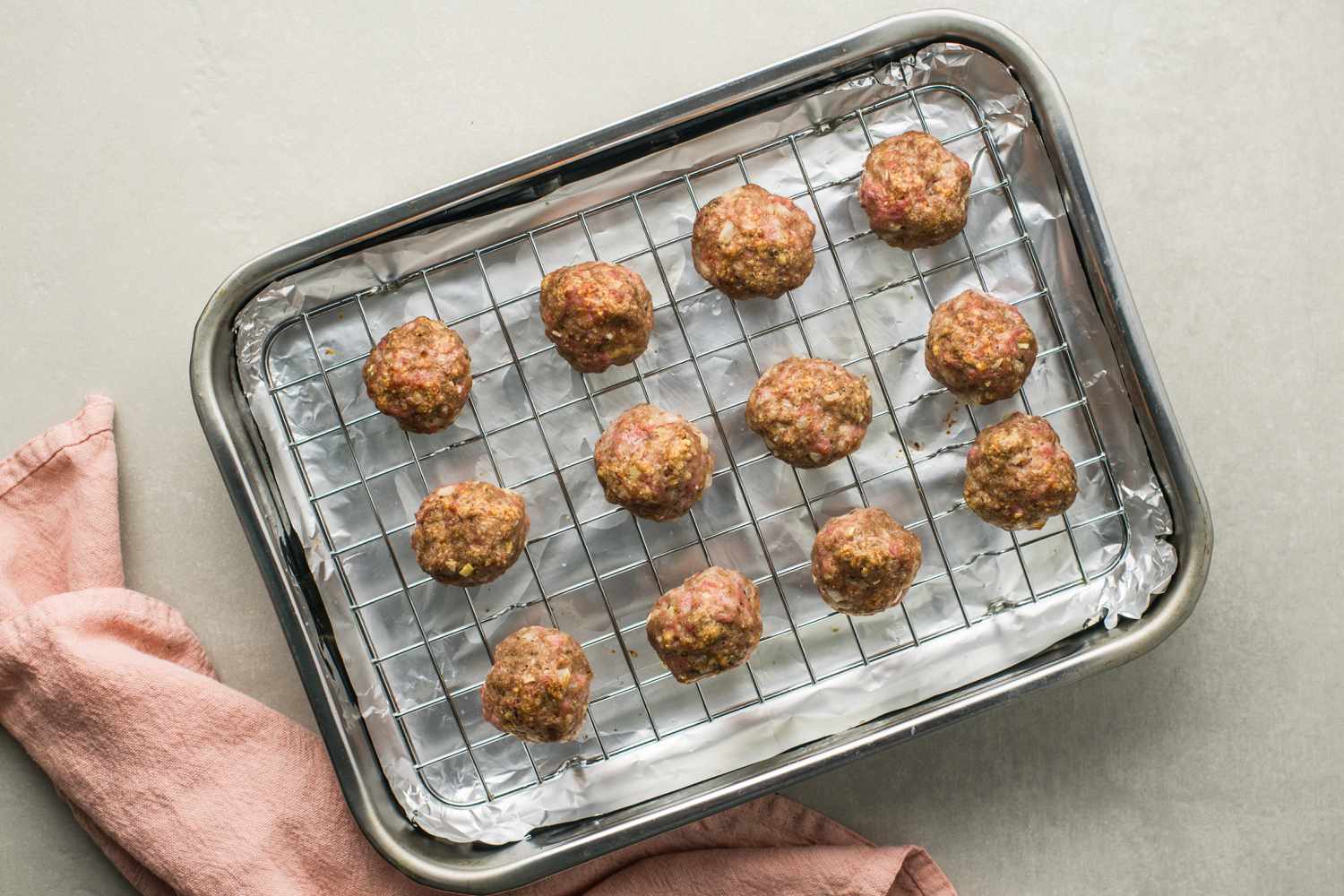
Beef does not usually get invited to the low-fat diet party without raising a few eyebrows. It has a reputation problem. Mention steak in the same sentence as “heart healthy,” and somebody will clutch a salad. But the truth is more nuanced than the internet’s favorite food fights. Beef can fit into a low-fat eating pattern when you choose the right cuts, watch portions, and keep the rest of the plate working in your favor.
In other words, this is not a love letter to giant ribeyes swimming in butter. It is a practical guide to eating beef without blowing up your fat budget. Lean beef can deliver protein, iron, vitamin B12, and zinc, while still leaving room for vegetables, whole grains, beans, fruit, and low-fat dairy. The trick is not to build your entire diet around red meat. The trick is to make beef one sensible player on a much smarter team.
What a Low-Fat Diet Really Means
A low-fat diet is not supposed to feel like culinary punishment. It is simply a way of eating that keeps total fat and especially saturated fat under control while prioritizing nutrient-dense foods. In real life, that usually means more vegetables, fruits, beans, whole grains, low-fat dairy, and lean proteins, and less reliance on fried foods, fatty meats, heavy sauces, and processed snacks.
That distinction matters because not all fat is created equal. Most low-fat or heart-conscious eating plans focus less on banning all fats and more on limiting saturated fat. That is where fatty cuts of beef can become a problem. Leaner cuts, however, can fit into the plan far more easily, especially when the rest of the meal stays light and balanced.
Can Beef Be Part of a Low-Fat Diet?
Yes, beef can absolutely be part of a low-fat diet. The keyword is lean. Beef is not a single food with a single nutrition profile. A greasy fast-food double cheeseburger and a modest serving of grilled top sirloin are not nutritionally interchangeable, even if they come from the same animal. One is a saturated-fat bomb with extra sodium and refined carbs tagging along. The other can be a solid source of protein in a balanced meal.
Lean beef works best when it is treated like a protein component, not the entire event. A reasonable serving paired with roasted vegetables, quinoa, brown rice, lentils, or a baked potato can fit neatly into a lower-fat eating pattern. A giant steak next to creamy mac and cheese, loaded mashed potatoes, and garlic bread is a different story. That meal is not really “about the beef.” It is about excess.
Why Beef Still Has Nutritional Value
Beef earns its place in the conversation because it brings more than flavor. Lean beef is rich in high-quality protein, which helps support muscle maintenance, satiety, and recovery after activity. A moderate serving can also contribute iron, zinc, and vitamin B12, nutrients that matter for energy metabolism, red blood cell formation, immune support, and overall function.
That is especially helpful for people who struggle to meet protein needs, older adults trying to preserve muscle mass, or anyone who wants a more filling meal without a mountain of ultra-processed foods. Lean beef is also satisfying. Let’s be honest: a well-seasoned sirloin is more likely to make you forget about late-night snack raids than a sad plate of plain crackers pretending to be dinner.
Key Nutrients Commonly Found in Lean Beef
Depending on the cut and preparation, lean beef commonly provides:
- High-quality protein for fullness and muscle support
- Iron, including heme iron that the body absorbs well
- Vitamin B12 for nerve function and red blood cell production
- Zinc for immune health and normal cell function
- Selenium and other micronutrients in smaller amounts
Best Beef Choices for a Low-Fat Diet
If you want beef to work in a low-fat diet, shopping skills matter. In general, choose cuts with names like round, loin, or sirloin. These tend to be leaner than heavily marbled or heavily trimmed cuts. Tenderloin can also be a smart option. For ground beef, look for 90% lean or higher, and even leaner if available.
Here are some better bets:
- Top sirloin steak
- Sirloin tip side steak
- Top round roast or steak
- Eye of round roast or steak
- Bottom round roast
- Tenderloin
- 90% to 95% lean ground beef
Cuts to eat less often include ribeye, T-bone with heavy marbling, short ribs, brisket made with lots of fat, and highly processed beef products like sausage, hot dogs, deli meats, and many frozen burger patties. These tend to bring more saturated fat, sodium, or both.
How Much Beef Is a Reasonable Portion?
The portion question is where many “healthy” intentions go off the rails. A low-fat diet can make room for beef, but not an all-you-can-eat steakhouse challenge. A cooked serving of beef is often about 3 ounces, roughly the size of a deck of cards. Some people may include 4 to 5 ounces in a meal, especially if the rest of the plate is very light, but portion creep is real.
Restaurant servings can be huge. An 8-ounce steak may sound normal because menus have trained us to think like cattle barons, but it can easily deliver much more saturated fat than you intended. Splitting an entree, taking half home, or choosing a smaller cut is one of the easiest upgrades you can make.
How to Cook Beef Without Turning It Into a Fat Festival
Even a lean cut can get dragged into unhealthy territory by what happens in the kitchen. Frying, breading, heavy cream sauces, and butter-based finishing tricks can quietly turn a smart protein choice into a dietary plot twist. A low-fat beef meal depends as much on the cooking method as on the cut itself.
Low-Fat Cooking Methods That Actually Work
- Grill, broil, roast, bake, or stir-fry with minimal oil
- Trim visible fat before cooking
- Drain fat after browning ground beef
- Use herbs, garlic, citrus, vinegar, mustard, and spices for flavor
- Skip creamy sauces and go for salsa, chimichurri, or tomato-based toppings in modest amounts
Marinating lean beef can also improve tenderness, which helps you avoid the temptation to compensate with greasy cooking methods. A simple marinade with vinegar, lemon juice, garlic, black pepper, and herbs can do a lot of heavy lifting without adding much fat.
What to Eat With Beef on a Low-Fat Diet
The beef may get top billing, but the supporting cast determines whether the meal feels heart-smart or heavy. Think in terms of plate balance. Half the plate should lean toward vegetables. A quarter can be beef. The final quarter can be a high-fiber carbohydrate such as brown rice, barley, sweet potato, or whole-grain pasta.
Good pairings include:
- Grilled sirloin with roasted broccoli and quinoa
- Lean beef strips in a vegetable stir-fry over brown rice
- Stuffed bell peppers with extra-lean ground beef, beans, and tomato sauce
- Beef and vegetable soup with a side salad
- Taco bowls with lean beef, lettuce, tomatoes, black beans, corn, and salsa
Notice what is happening in those examples: fiber, volume, and color are doing a lot of the nutritional work. That matters because a low-fat diet is not just about subtracting. It is also about adding foods that improve fullness and overall diet quality.
When Beef May Not Be the Best Daily Choice
Even lean beef has limits. Many healthy eating patterns encourage people to vary protein sources and not rely too heavily on red meat. Fish, skinless poultry, beans, lentils, tofu, edamame, and nuts all bring different nutritional benefits, and several of them are naturally lower in saturated fat than beef.
This is particularly important for people managing high LDL cholesterol, cardiovascular disease risk, or diets already high in saturated fat from cheese, butter, desserts, and processed foods. In that context, the issue may not be beef alone. It may be that beef is joining an already crowded lineup of high-fat choices.
Processed beef products deserve special caution. Corned beef, beef sausage, beef hot dogs, jerky, and many deli slices can be higher in sodium and are not the same thing as a simple lean steak or roast. Frequency matters too. Building most of your meals around red or processed meat is a different pattern than enjoying lean beef occasionally as part of a varied diet.
Smart Ways to Make Beef Fit Without Overthinking It
1. Treat beef like an ingredient, not a centerpiece
Use strips of beef in a stir-fry, a small amount in a grain bowl, or extra-lean ground beef mixed with beans in chili. This keeps portions naturally moderate while still giving meals plenty of flavor.
2. Buy lean on purpose
Do not leave it to chance. Read labels, choose lean cuts, and avoid the cuts that look like they are auditioning to be butter.
3. Rotate your proteins
Have fish one night, lentils another, chicken the next, and beef when it genuinely fits the plan. Variety usually improves nutrition without making meals boring.
4. Watch the extras
Cheese sauces, bacon toppings, creamy dressings, buttery mashed potatoes, and giant buns can add more fat than the beef itself. The sidekicks are often the sneaky ones.
5. Keep an eye on cooking temperature
Avoid excessive charring or constantly eating meat cooked until heavily blackened. Better browning is fine; scorched, smoky, carbonized drama is less ideal.
Sample One-Day Low-Fat Eating Pattern With Beef
To make this practical, here is what a balanced day could look like:
- Breakfast: Oatmeal with berries and low-fat yogurt
- Lunch: Turkey and veggie wrap with fruit
- Snack: Apple with a small handful of nuts
- Dinner: 3 ounces of grilled top sirloin, roasted green beans, baked sweet potato, and a side salad
- Dessert: Fresh fruit or a small serving of low-fat yogurt
In this example, beef fits just fine because the rest of the day does not pile on unnecessary saturated fat. That is the core idea. A low-fat diet is not won or lost by one food. It is shaped by the full pattern.
Common Mistakes People Make
- Choosing lean beef but eating a portion large enough for two people
- Ordering steak and then adding creamy appetizers, buttery sides, and dessert “because the steak was lean”
- Assuming all ground beef is roughly the same
- Forgetting that processed beef products are a different category from simple lean cuts
- Thinking low-fat means flavor-free, then giving up and heading straight for the drive-thru
The best low-fat diet is the one you can actually maintain. That means the plan has to taste good, feel realistic, and allow room for foods you enjoy. Lean beef can help with that, especially for people who find completely removing red meat unnecessary or unsustainable.
Final Thoughts
Beef can be part of a low-fat diet, but it needs to be the right kind of beef in the right amount, prepared the right way, and surrounded by the right foods. Lean cuts, modest portions, and smart cooking methods make the difference between a nutritious protein choice and a meal that quietly overloads your saturated fat intake.
The healthiest approach is not to treat beef as a villain or a miracle. It is simply one protein option among many. When you choose sirloin instead of heavily marbled cuts, skip the frying, pair it with vegetables and high-fiber carbs, and rotate in other proteins throughout the week, beef can fit into a balanced low-fat lifestyle without drama. Which is good news, because dinner is already hard enough without turning every steak into a moral debate.
Experiences With Beef as Part of a Low-Fat Diet
For many people, the biggest surprise is not that beef can fit into a low-fat diet. It is that the experience feels far less restrictive than expected. A lot of adults start a “healthy eating” phase convinced they must choose between grilled chicken forever or total nutritional chaos. Then they discover that a small portion of lean beef can make meals feel satisfying, familiar, and easier to stick with long term.
One common experience is the portion reset. People who are used to oversized restaurant steaks often assume healthy eating means giving up the food they like. In reality, they may simply need to recalibrate what a serving looks like. Once they start eating 3 to 4 ounces of lean sirloin with roasted vegetables and a grain, many realize the meal still feels complete. The plate looks colorful, dinner feels substantial, and they do not leave the table plotting a revenge snack an hour later.
Another frequent experience is discovering that lean beef works well for meal prep. Extra-lean ground beef in stuffed peppers, beef-and-bean chili, taco bowls, or vegetable soup can be practical for busy weeks. People often report that these meals feel more filling than lower-protein options, which helps them avoid random grazing on chips, pastries, or whatever mysterious snack is lurking in the office break room.
There is also the experience of learning where the real problem was. For some, beef was never the main issue. The problem was the full package: buttery mashed potatoes, cheese-heavy sauces, giant buns, bacon toppings, and restaurant portions that belonged in a small medieval feast. Once those extras are scaled back, lean beef can stop looking like the nutritional villain and start acting like a normal protein.
People trying to improve cholesterol numbers often describe a more mixed experience. They may still eat beef, but less often and more strategically. Maybe they save it for one or two meals a week, choose round or loin cuts, and rely more on fish, beans, lentils, and chicken the rest of the time. That middle-ground approach often feels easier than strict food rules. Instead of “I can never eat beef again,” the mindset becomes “I know how to make beef fit when I want it.”
Families also tend to appreciate the flexibility. A parent can cook one meal instead of separate “diet food” and “real food.” Lean beef tacos with black beans, salsa, lettuce, and avocado can work for multiple people with different goals. Someone watching fat intake can go lighter on cheese and use a bowl instead of a fried shell, while everyone still feels like they are eating the same dinner. That matters because the best eating pattern is usually the one that does not create extra stress.
In the end, the lived experience is usually this: people do better when beef is included thoughtfully rather than carelessly. Lean cuts, moderate portions, vegetables, and realistic expectations tend to create consistency. And consistency is what actually changes health habits. Not fear. Not guilt. Not pretending plain steamed food is exciting. Just smart choices, repeated often enough to feel normal.