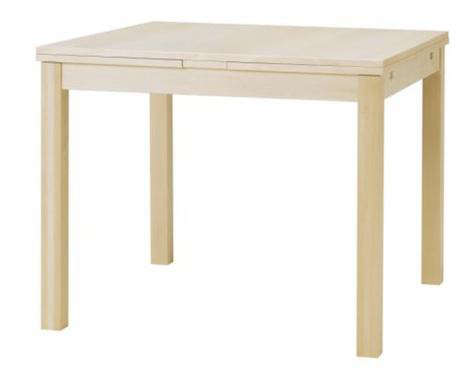
If dining tables had résumés, the IKEA BJURSTA line would absolutely brag about being “adaptable under pressure.” And honestly, fair enough. Bjursta dining tables built a loyal following because they solved a very normal, very annoying problem: most people want a table that feels compact on Tuesday night but magically grows when six people show up on Saturday pretending they “just happened to be nearby.”
That is the magic of the Bjursta idea. It is practical without looking like it gave up on style. It is flexible without screaming, “I belong in a folding chair convention.” And for people furnishing apartments, breakfast nooks, open-plan dining areas, or homes where square footage is always being negotiated like a hostage situation, Bjursta became a smart middle-ground choice.
This guide takes a close look at Bjursta dining tables: what made them popular, how different versions fit different homes, what buyers should know about size and styling, and why this IKEA classic still gets plenty of love from secondhand shoppers and small-space furniture fans. If you have one, want one, or are wondering whether one is worth dragging home from a marketplace listing and a slightly awkward parking lot meetup, you are in the right place.
What Made Bjursta Dining Tables So Popular?
Bjursta dining tables earned attention because they hit the sweet spot between modern design and everyday usefulness. The line was known for clean Scandinavian shapes, simple profiles, and extension features that let the table adapt to changing needs. In plain English: small enough for everyday life, roomy enough for guests, and neutral enough not to start an argument with the rest of your furniture.
That balance matters more than people think. A dining table is one of the hardest-working pieces in a home. It is where you eat dinner, answer emails, help with homework, unwrap packages, sign papers, assemble mysterious gadgets, and occasionally stare into the middle distance while pretending your leftovers are “meal prep.” A table that can handle all of that without dominating the room has real value.
Bjursta also appealed to shoppers who wanted the look of wood without the eye-watering price tag of heavy, solid hardwood dining furniture. Veneer finishes helped the tables keep a warm, polished appearance while staying more budget-friendly and approachable for everyday households. That made the line especially attractive for renters, first homes, growing families, and people who wanted something that looked pulled together without acting fancy about it.
Common Bjursta Dining Table Styles and Sizes
Compact Extendable Versions
One of the most appealing Bjursta formats was the compact extendable table. This style was made for homes where every inch mattered. Think smaller kitchens, apartment dining corners, and multipurpose rooms that could not afford a giant permanent table. A compact version could sit neatly in daily mode, then stretch when you needed extra seating.
That is a huge advantage in real life. A table that feels perfect for two or four people on a normal day can suddenly become far more social when company comes over. Instead of living with a large table all the time, you only use the extra footprint when it is actually useful.
Larger Rectangular Versions
Bjursta also came in larger rectangular extendable designs for households that entertained more often or needed a table that could handle regular family dining. These versions leaned into the “workhorse” side of the collection. They were substantial enough for everyday meals, board games, and full holiday spreads, yet still flexible enough to shift size when needed.
The longer rectangular shape works particularly well in rooms where you want the table to define the dining zone. In open-concept homes, that matters. A larger rectangular dining table helps visually anchor the room and creates a clear place for gathering without requiring fussy styling tricks.
Round Options for Softer Flow
Some Bjursta shoppers were especially drawn to the round version. A round table changes the feel of a room right away. It softens sharp lines, improves traffic flow, and makes conversation easier because nobody is stuck at the far end like they were exiled during dinner. It is especially helpful in tighter layouts where corners can feel clunky or intrusive.
If your dining area sits between a kitchen and a living room, or if people regularly walk around the table, the round Bjursta style can feel friendlier and easier to navigate. It is one of those design choices that looks simple but quietly improves the room every single day.
Why Bjursta Works So Well in Small and Medium Spaces
Bjursta dining tables were built around a very smart philosophy: flexibility beats bulk. That is why the line still feels relevant. Modern homes are not always blessed with formal dining rooms. Many people eat in kitchens, shared living-dining spaces, breakfast nooks, or converted corners that have to do a lot with a little.
In those situations, an extendable table is not just convenient. It is strategic. You get breathing room when the table is closed and extra seating when the table is open. That means better traffic flow, less visual clutter, and a room that feels more comfortable on ordinary days.
As a general rule, diners need enough elbow room to sit comfortably, and rooms need clear walking space around the table. That is where Bjursta shines. Because the design lets you adjust the footprint, you are not forced to choose between “too cramped every day” and “too tiny when guests arrive.” You get a middle path, which is honestly the most grown-up and least dramatic way to buy furniture.
Design Details That Help Bjursta Blend In
One reason Bjursta tables have aged well stylistically is their restraint. The design is not overly rustic, overly industrial, overly farmhouse, or overly anything. It does not demand applause when you walk into the room. It simply fits. That makes it easier to pair with different chair styles, rugs, lighting choices, and wall colors.
You can go classic with upholstered chairs, casual with mixed wood seating, minimalist with black frames, or eclectic with vintage finds. Bjursta tends to play nicely with all of them. That versatility is one of its biggest strengths. Some tables only look right in a catalog setup. Bjursta usually looks fine in actual homes where people own mismatched dishes, a plant they are trying to save, and at least one chair that has become the official sweater holder.
The line also works well across several decorating directions:
- Scandinavian: Keep it light, simple, and airy with neutral textiles and pale wood tones.
- Modern: Pair it with slim chairs, black accents, and a clean pendant light.
- Transitional: Add upholstered seating, a textured rug, and soft lighting.
- Collected or vintage-inspired: Mix the table with older chairs or a secondhand bench for personality.
How to Style a Bjursta Dining Table Without Overthinking It
Bjursta is easiest to style when you remember one simple truth: a dining table is not a museum pedestal. It needs to look good, yes, but it also needs to function. The best styling keeps the surface usable while adding warmth and character.
Start With Chair Compatibility
This sounds boring, but it matters. Your chairs should physically fit under the table and around the legs. Arm height, seat height, and the spacing between chairs all affect comfort. A beautiful chair that bangs into the table frame every time you tuck it in is not stylish. It is a daily irritation wearing nice shoes.
Use a Rug That Is Actually Big Enough
A too-small rug is one of the quickest ways to make a dining area feel awkward. The chairs should stay on the rug even when pulled out. If not, the room feels choppy, the chairs snag, and guests perform that weird half-lift, half-scoot maneuver nobody enjoys.
Keep the Centerpiece Low and Simple
A bowl, a vase, a tray, or a cluster of candles usually does the job. Bjursta does not need a giant decorative sculpture announcing that you once watched a video on “tablescaping.” Keep the centerpiece low enough for conversation and easy enough to move when dinner appears.
Choose Lighting With Intention
A pendant or chandelier hung at the right height can make the table feel anchored and welcoming. Too high, and the fixture floats awkwardly like it forgot where it was supposed to work. Too low, and dinner feels like an interrogation. Aim for warmth, proportion, and enough light to actually see your food.
What to Check Before Buying a Bjursta Secondhand
Because Bjursta tables are frequently found through resale channels, secondhand shopping is part of the story. That can be great news for buyers who want good value, but it helps to inspect the table carefully before saying yes.
1. Test the Extension Mechanism
Open and close the table if possible. The mechanism should move smoothly and line up properly. A table that expands beautifully in photos but jams in person is not “quirky.” It is work.
2. Check the Top for Swelling or Veneer Damage
Look closely at edges and corners. Water exposure, heat, and years of enthusiastic wiping can leave marks, lifting, or bubbling. Minor wear is normal. Deep swelling is not.
3. Make Sure All Leaves Are Included
This sounds obvious, but marketplace listings can be optimistic little works of fiction. Verify how many extension leaves come with the table and whether they store properly or match the finish.
4. Tighten and Test Stability
A slightly wobbly table may just need hardware tightened. A dramatically shaky one could point to wear, missing parts, or a hard previous life involving children, moves, or someone who thought the dining table was also gym equipment.
5. Consider Your Room Before You Buy
Measure your room, measure your doorway, measure your stairwell, and then measure your patience. A great deal is not great if the table does not fit your layout or requires a physics degree to get upstairs.
Is a Bjursta Dining Table Still a Smart Choice?
For many homes, yes. Bjursta dining tables still make sense because the core idea is timeless: adaptable dining furniture is useful. The line may not be the flashiest thing in the furniture universe, but it does something more valuable. It works. It gives people flexibility, comfort, and a clean design that does not date itself too quickly.
If you want an heirloom slab table carved from the soul of an ancient oak tree, Bjursta is probably not your fantasy piece. But if you want a table that looks neat, behaves responsibly, and knows how to make room for extra people when needed, it remains a compelling option.
That is why Bjursta continues to hold interest. It is approachable, practical, and refreshingly unpretentious. In a furniture world where some pieces seem designed purely for photographs, Bjursta feels designed for actual living. What a concept.
Experience: Living With Bjursta Dining Tables
Living with a Bjursta dining table often feels less like owning a dramatic centerpiece and more like having a very dependable teammate. It is the kind of table that quietly earns its keep. On a normal weekday, it can feel compact and tidy, which matters when the dining area is also the path to the kitchen, the kids’ craft station, or the spot where the dog insists on supervising breakfast. Then friends come over, a leaf gets added, and suddenly the same table looks like it has been training for this moment all along.
One of the best parts of the Bjursta experience is how realistic it feels for everyday homes. It is not the type of furniture that asks you to redesign your life around it. Instead, it adapts to your habits. Morning coffee? Fine. Laptop and paperwork? Fine. Pasta night with four people and too many serving bowls? Also fine. It handles those shifts with very little fuss, and that is a major reason people remember the table fondly.
There is also something reassuring about the look of it. Bjursta tends to sit in a room without causing visual chaos. It does not demand matching chairs. It does not throw a fit if you pair it with a bench on one side and two different chairs on the other. It can look neat and modern in one home, cozy and collected in another, and slightly eclectic in a third. That flexibility makes daily life easier because you do not feel locked into one rigid decorating style forever.
Of course, real-life experience also includes the less glamorous details. If a Bjursta table has been used for years, you may notice surface wear, especially around the edges where life tends to happen most aggressively. That does not automatically make it a bad buy. Many people are perfectly happy with a few scuffs because the table still feels sturdy, useful, and easy to live with. In fact, some owners like that slightly lived-in look. It says, “Yes, people actually eat here,” which is refreshing in a world full of rooms that seem staged for invisible salad.
Another common part of the experience is appreciating the extension feature more over time. At first, buyers often think, “Nice, this will help for holidays.” Then they start using it for game nights, birthday cake, visiting relatives, school projects, or takeout dinners where everyone suddenly wants extra elbow room. That is when the table goes from “good furniture purchase” to “why didn’t we get this sooner?”
In the end, living with a Bjursta dining table is usually about convenience, not spectacle. It becomes part of the rhythm of the home. It hosts rushed breakfasts, late-night conversations, and the occasional pile of unopened mail that nobody is proud of. It may not be glamorous, but it is deeply useful, and that kind of usefulness has a charm all its own.