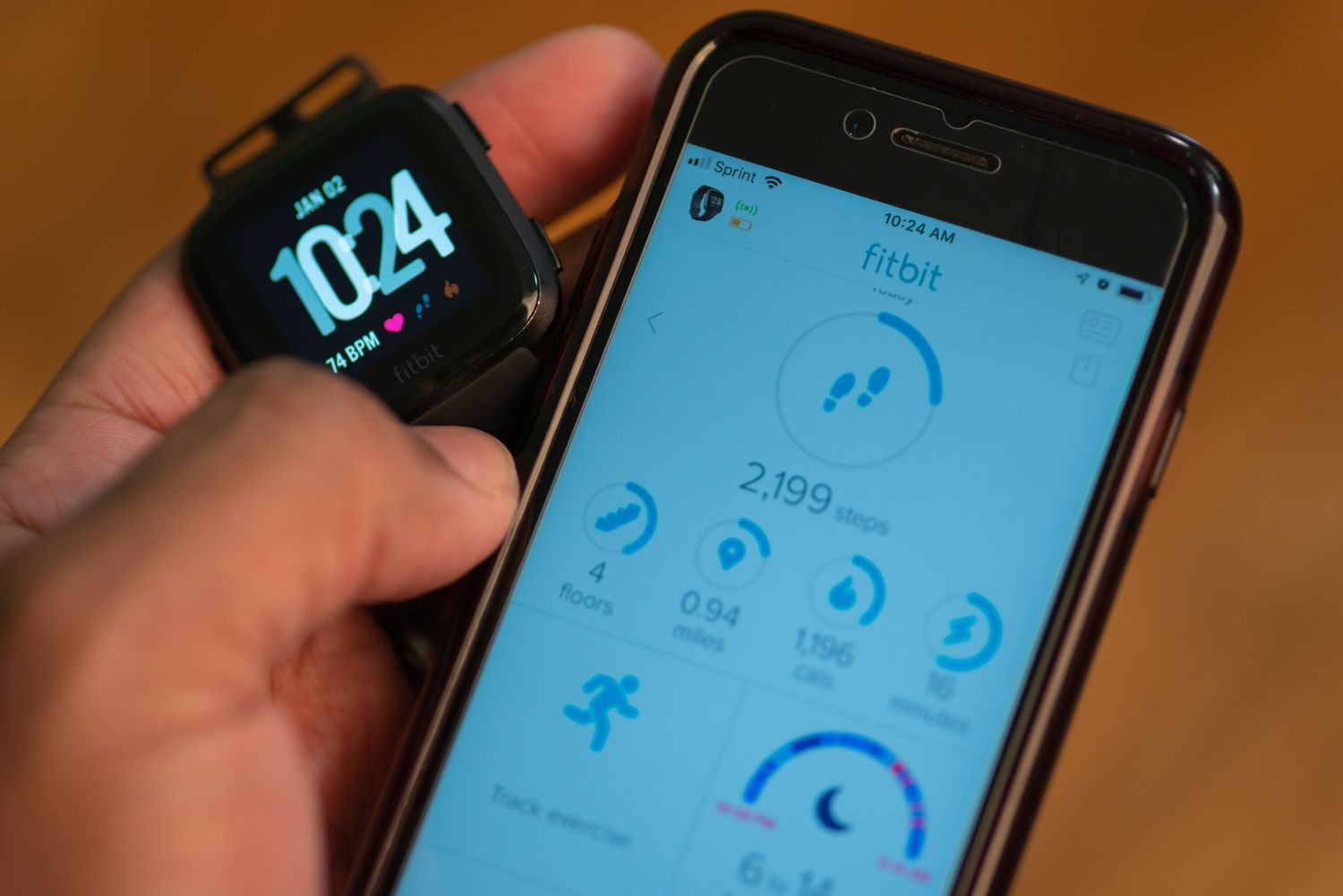
If you just bought a Fitbit, chances are you’ve already met the question that haunts modern gadgets like a ghost in yoga pants: Do I really need the subscription, too?
The short answer is no, you do not need a Fitbit subscription to use a Fitbit. Your tracker will still count steps, monitor heart rate, log workouts, track sleep, and show a solid amount of health data without Fitbit Premium. In other words, your Fitbit does not turn into an expensive bracelet the second your free trial ends. It still works. It still tracks. It still quietly judges your 11:42 p.m. snack stroll.
That said, Fitbit Premium can make the experience richer. It adds deeper sleep and stress insights, workout and mindfulness content, personalized recommendations, and some newer coaching features. So the better question is not “Do you need it?” but “Will you actually use what it adds?” That is a much more honest conversation, and a much better one for your wallet.
This guide breaks down what you get for free, what Premium adds, who should skip it, who may love it, and how to decide without falling into a monthly-fee relationship you never wanted in the first place.
The Short Answer: Most People Don’t Need Fitbit Premium
For most casual users, the free Fitbit experience is enough. If your main goals are to track daily steps, monitor heart rate, keep an eye on workouts, and review your sleep score, the standard Fitbit app covers the basics very well.
That matters because older articles about Fitbit Premium often make the free version sound thinner than it is today. Google has gradually shifted some value back into the standard experience. One of the biggest examples is Daily Readiness, which is now available without Premium. That makes the free version more useful than it was a couple of years ago.
So if you are a walker, a light exerciser, someone trying to move more, or simply a person who wants a clearer view of sleep and activity trends, you can absolutely use a Fitbit without paying another dime after the hardware purchase.
What You Get With Fitbit for Free
The free Fitbit app is not bare-bones. It gives you the core experience that most people actually buy a fitness tracker for in the first place.
Basic health and activity tracking
Without a subscription, you can still track steps, calories burned, heart rate, workout sessions, activity history, and sleep. On compatible devices, you also get a nightly sleep score and broad sleep trends. For plenty of users, that is the whole ballgame.
Daily Readiness and general trends
One reason Fitbit Premium used to feel more tempting was that it locked away Daily Readiness. That is no longer the case. If you update the Fitbit app, you can now see that score without Premium. That change matters because Daily Readiness is one of Fitbit’s more useful features. It gives you a practical sense of whether today is a “push it” day or a “maybe stretch and call it personal growth” day.
The Today tab is still pretty useful
The free version also gives you a centralized dashboard where your key metrics live. You can review sleep, stress, movement, heart rate, and recent activity in one place without paying for the fancy package. For someone trying to build better habits, this simple visibility can do more than any motivational quote ever printed on a water bottle.
Free works especially well for habit builders
If your goal is simply to become more active, sleep a little better, or stop pretending that walking from the couch to the fridge counts as cardio, the free version is enough to keep you accountable. Sometimes the most valuable health tool is not more data. It is just consistent reminders.
What Fitbit Premium Actually Adds
This is where things get interesting. Fitbit Premium is not about making your tracker function. It is about making your tracker feel more like a coach, a content library, and a data interpreter rolled into one.
Deeper sleep insights
Premium goes beyond your basic sleep score and timeline. It offers more detailed breakdowns, such as sleeping heart rate details and a richer explanation of how your sleep score was built. If you are the type of person who wants to know not just that you slept “fine,” but why your sleep was off, this can be valuable.
Stress breakdowns
The free app can show a stress management score on supported devices, but Premium provides a more detailed breakdown of what is affecting that score. If stress is one of your main reasons for using Fitbit, Premium gives you more context instead of just handing you a number and emotionally walking away.
Workout and mindfulness library
Premium includes guided workouts and mindfulness content, including Peloton classes in the Fitbit app for supported markets such as the United States. That means the subscription is not just about analytics. It is also about having something to do with the insights you are getting.
Personalized recommendations
Premium offers personalized daily picks, recommendations based on recovery and preferences, and more coaching-style guidance. For some users, that matters more than raw data. Numbers alone are interesting. Numbers plus “here’s what to do next” are more actionable.
Some newer coaching features
Fitbit Premium is also where Google is putting some of its more advanced coaching efforts. In the U.S., eligible Premium users can try the public preview of Fitbit’s personal health coach in the redesigned app. Premium also includes AI-powered run recommendations on Pixel Watch 3 and Pixel Watch 4. In plain English, Premium is increasingly the testing ground for Fitbit’s smarter, more customized features.
Who Probably Does Not Need Fitbit Premium
Let’s save some people money.
1. Casual walkers and everyday users
If you mostly want step counts, heart rate, sleep score, and a general sense of activity, skip the subscription. The free experience already covers the essentials.
2. People who ignore guided workouts
Be honest with yourself. If you never use workout videos, meditation sessions, or training content in other apps, you probably will not suddenly become that person because Fitbit invited Peloton over.
3. Data-light users
Some people check their stats for 20 seconds and move on with their day. If that sounds like you, Premium may feel like paying for a buffet when you only wanted toast.
4. Budget-focused buyers
One of Fitbit’s biggest strengths is affordability compared with pricier smartwatches. Paying every month can eat into that advantage. If your entire reason for choosing Fitbit was value, it makes sense to question whether another $9.99 a month fits the plan.
Who Might Actually Benefit From Premium
Now for the people who may genuinely get their money’s worth.
1. Sleep improvers and recovery nerds
If sleep is your main health focus, Premium is easier to justify. The deeper sleep analysis, sleeping heart rate details, and more nuanced explanations can be genuinely useful for spotting patterns over time.
2. Beginners who want structure
Some people do better when the app tells them what to do next. If you want a built-in library of workouts and mindfulness sessions instead of piecing together your routine from five apps and a YouTube rabbit hole, Premium is more attractive.
3. Runners and active exercisers
If you train regularly and want better recovery guidance, Premium may be worth it. This is especially true if you like personalized suggestions rather than generic “great job!” app confetti.
4. People who love health data
If you enjoy tracking trends, comparing weeks, and understanding why your body feels different from one day to the next, Premium gives you more material to work with. Not everyone wants that much detail, but some people absolutely do.
Is Fitbit Premium Worth the Price?
At $9.99 a month or $79.99 a year, Fitbit Premium is not outrageously priced compared with many digital fitness subscriptions. But value depends on how you use it.
Think of it this way: if you only open Fitbit to check steps and sleep, Premium will probably feel unnecessary. If you regularly use guided workouts, mindfulness sessions, recovery recommendations, and deeper trend analysis, it starts to look more reasonable.
The annual plan is usually the smarter choice if you know you want it. But most people should not jump straight into paying yearly. Use the included trial first. Test the extra features like you are interviewing them for a job. If they contribute to your routine, keep them. If not, cut them loose with confidence.
The Free Trial Changes the Decision
Many new Fitbit and Pixel Watch purchases still include a six-month Fitbit Premium trial for new or returning members. That is long enough to answer the question for yourself without guessing.
During that trial, pay attention to your real behavior, not your fantasy behavior. The fantasy version of you meditates at dawn, reviews stress trends at lunch, and optimizes recovery before dinner. The real version of you might use Premium heavily for eight days, then forget it exists until billing day. The trial reveals which version is in charge.
A smart approach is to ask three questions near the end of the trial:
- Did I use the workout or mindfulness library more than once a week?
- Did the deeper insights help me change behavior, or did I just read them and nod dramatically?
- Would I miss these features enough to pay for them?
If the answer is no across the board, you have your answer.
A Few Reality Checks Before You Subscribe
Fitbit data is helpful, but it is not a diagnosis
Wearables can be great for spotting patterns, especially around movement, heart rate, and sleep habits. But they are not perfect medical instruments. Even recent sleep-tracking research has found that wearables can estimate some sleep measures reasonably well while still missing or misclassifying sleep stages. That means Fitbit can be useful for trend tracking, but it should not become the final authority on your body.
More data is not always more useful
Sometimes Premium gives you more information than more clarity. If you are the kind of person who gets anxious from too many health metrics, the free version may actually be the better experience. Not every chart deserves your emotional energy.
Features can change over time
This is a big one. Fitbit’s free-versus-paid split is not frozen in amber. Google has already moved some features around, and newer Premium tools are rolling out in stages depending on device, country, and account eligibility. So if you are basing your decision on an old review, you may be making today’s purchase with yesterday’s facts.
So, Do You Need a Fitbit Subscription?
No, most people do not need a Fitbit subscription.
You can use a Fitbit perfectly well without Premium. The tracker still delivers the core experience that makes Fitbit appealing: daily activity tracking, sleep monitoring, heart-rate data, workout logging, and habit awareness. For a large share of users, that is enough.
Fitbit Premium is best viewed as an upgrade, not a requirement. It makes the most sense for people who want deeper sleep and stress analysis, guided workout and mindfulness content, and more personalized coaching. It is not necessary for the hardware to be useful. It is for people who want more interpretation, more structure, and a little more “tell me what this means” from their health data.
If you are on the fence, the best move is simple: use the free trial, then decide based on your actual habits. That is the least glamorous answer, but it is also the one that saves the most money.
Experiences: What People Usually Notice After the Trial Ends
One of the most relatable Fitbit experiences happens right after the Premium trial expires. For the first day or two, many users open the app and think, “Wait, that tile used to say more stuff.” This is usually when the relationship between a person and their fitness data becomes very honest.
Casual users often discover that not much changes for them. They still see steps, activity, heart rate, and sleep score, and that is enough to keep the tracker useful. These users tend to realize that what they liked most about Fitbit was not an advanced dashboard. It was the simple nudge to move more, sleep earlier, and stop pretending that carrying groceries up one flight of stairs was a full leg day. For them, losing Premium feels more like losing bonus toppings than losing the actual meal.
Then there are the sleep-focused users. They are usually the first to feel the difference. These are the people who check their sleep stats with the seriousness of someone reviewing stock performance. They want context. They want patterns. They want to know whether their terrible sleep came from stress, late caffeine, poor recovery, or that one episode they swore they would stop after but obviously did not. When Premium goes away, they often miss the deeper breakdowns and explanations more than expected. For this group, the subscription can feel useful because it turns vague “I slept weird” feelings into more structured observations.
Fitness beginners tend to have a different experience. If they actually used the workout and mindfulness content during the trial, they often say Premium helped them stay consistent because it removed friction. They did not have to search for a workout. They did not have to pick a meditation app. Everything was in one ecosystem. But if they never touched those tools during the trial, they usually do not miss them at all. This group often learns a valuable lesson: convenience is worth paying for only when you truly use it.
Runners and active exercisers are more split. Some love the extra recovery guidance and personalized suggestions because it helps them plan effort across the week. Others realize they already get enough from the free metrics and would rather spend that monthly fee on better socks, which, frankly, is not an irrational choice.
And then there are the data enthusiasts. You know the type. They enjoy trends, comparisons, and the strange satisfaction of explaining HRV to someone who absolutely did not ask. For them, Premium can feel fun in a way that is hard to quantify. Not necessary, maybe. But enjoyable. And sometimes that matters.
The common thread is simple: Fitbit Premium feels worth it when it changes behavior. If it helps you sleep better, recover smarter, exercise more consistently, or feel more supported, it may earn its place. If it only gives you more charts to stare at while eating chips on the couch, the free version is probably the wiser move.