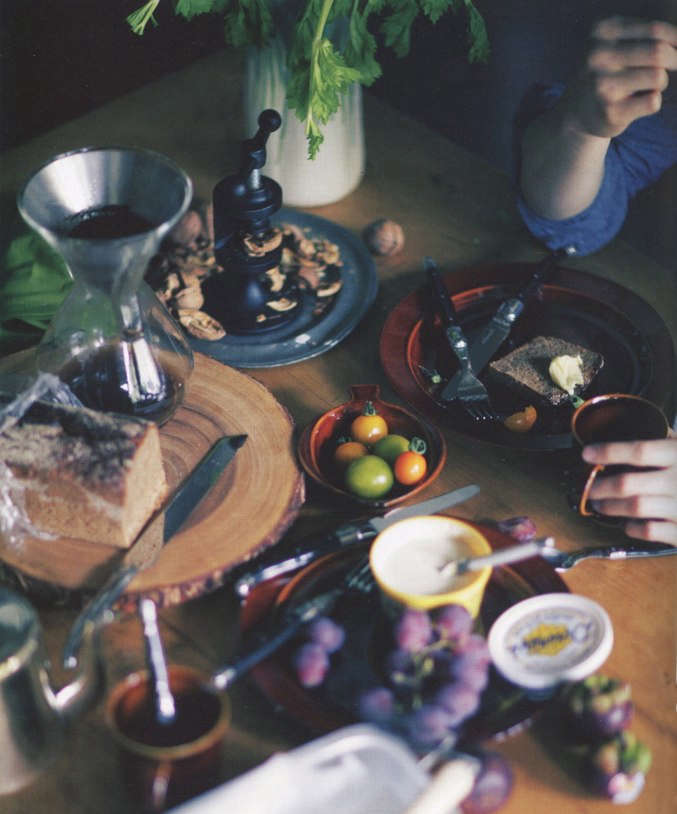
Most coffee makers are glorified morning interns. They show up, do one job, and sit in the corner looking vaguely plastic. Then there is the Chemex, a coffee maker that somehow manages to look like a chemistry experiment, a modernist sculpture, and a very confident design object all at once. If your kitchen had a curator instead of a contractor, the Chemex would already have a pedestal.
Calling it a museum-worthy coffee maker is not just dramatic copy. It is one of the rare household objects that truly blurs the line between appliance and art. And unlike many beautiful things that are mostly decorative and slightly annoying, the Chemex actually earns its keep. It makes excellent coffee, encourages a slower ritual, and proves that good design is not about adding extra buttons until an object resembles a spaceship. It is about making something useful so elegant that people keep admiring it more than 80 years later.
This is the story of why the Chemex still matters, why it still looks fresh on modern countertops, and why coffee lovers, design nerds, and anyone tired of ugly appliances keep falling for the same hourglass-shaped brewer.
The Coffee Maker Behind the Title
When people talk about a museum-worthy coffee maker, the Chemex is the obvious star of the conversation. Designed and patented in 1941 by inventor and chemist Dr. Peter Schlumbohm, it has become one of the most recognizable pour-over coffee makers ever made. That is impressive on its own. What is even more impressive is that the basic design has hardly needed a rewrite. In a world where products get “new and improved” every five minutes, the Chemex has spent decades quietly saying, “No thanks, I already nailed it.”
The appeal begins with the silhouette. The vessel is made from borosilicate glass and shaped into a graceful hourglass that feels both scientific and warm. A wooden collar and leather tie wrap the middle, giving the brewer its signature contrast: laboratory precision meets handcrafted charm. It is the kind of object that looks equally at home in a minimalist loft, a cozy cottage kitchen, or the sort of apartment where one chair costs more than a used sedan.
Its longevity also says something important about product design. Trendy coffee gear comes and goes. The Chemex stays. It has survived changing tastes, changing kitchens, and several generations of people who suddenly became very opinionated about beans. That kind of staying power usually belongs to classic furniture, not countertop brewers.
Why the Chemex Looks So Good
Bauhaus Energy, No Snobbery Required
The Chemex feels modern because it was built on modern design principles. Its roots are often linked to Bauhaus ideas and to Schlumbohm’s fascination with laboratory glassware. That explains why the brewer feels so disciplined and so calm. The form is stripped down, geometric, and purposeful. Nothing is there just to be cute. Even the parts that make it beautiful also make it work better.
The glass body does not hide the brewing process. You can watch the coffee bloom, drip, and gather in the lower chamber. The wood collar is not a random rustic flourish; it protects your hand from the heat and gives you a better grip. The flared top supports the thick paper filter. The wide base gives the vessel balance. In other words, the Chemex is not pretty despite being functional. It is pretty because it is functional.
That is the difference between good design and decorative nonsense. Decorative nonsense says, “Look at me.” Good design says, “Use me,” and somehow also looks amazing in photographs.
It Is Literally Collected by Museums
Here is where the “museum-worthy” part stops sounding like marketing and starts sounding like a matter of public record. The Chemex is represented in major museum collections and has long been treated as a landmark in industrial design. That matters because museums do not preserve objects just because they are cute on Instagram. They preserve objects that capture a moment in culture, technology, and design thinking.
The Chemex qualifies on all counts. It reflects a mid-century belief that everyday household items could be improved through intelligence, restraint, and elegance. It also captures something deeply American: the idea that practical tools should not be ugly just because they are practical. A coffee maker can be an everyday object and still feel aspirational. It can serve breakfast and make a design argument before 8 a.m.
Why It Still Makes Great Coffee
The Flavor Is Clean, Clear, and Bright
Looks alone do not explain the Chemex’s reputation. Plenty of beautiful kitchen tools are secretly terrible at their jobs. The Chemex sticks around because it brews a cup that many coffee drinkers describe as especially clean and clear.
A lot of that comes from the filter system. Chemex filters are famously thick compared with standard paper filters. That helps remove more sediment and many of the oils that pass through in other brewing methods. The result is coffee with clarity. You can taste distinct notes more easily, whether they lean citrusy, floral, nutty, chocolatey, or gently fruity. If a French press is the coffee equivalent of a cozy wool sweater, the Chemex is a crisp white shirt that somehow never wrinkles.
That cleaner cup is not automatically “better” for every person on Earth. Some coffee drinkers prefer the heavier body of metal-filter brewers or French press coffee. But if you like nuance, brightness, and the ability to notice differences from bean to bean, the Chemex is hard to beat.
The Process Rewards Attention
The Chemex is a manual pour-over coffee maker, which means it asks you to participate. You grind the coffee, heat the water, rinse the filter, bloom the grounds, and pour in controlled stages. This is either charming or mildly offensive depending on how much sleep you got the night before.
Still, the hands-on process is part of the appeal. The Chemex turns coffee from a background habit into a small ritual. It gives your morning a beginning, middle, and aromatic end. You are not just pressing a button and wandering off. You are making something. Even if your hair is doing weird things and your inbox is already being dramatic, there is a strange dignity in pouring hot water in slow circles over fresh coffee grounds.
For many people, that ritual becomes the point. The coffee tastes good, yes, but the experience tastes good too.
Why It Works in Real Kitchens, Not Just Stylish Ones
It Is Simple to Use
Despite its design pedigree, the Chemex is not a fussy collector’s item that needs white gloves and a special attitude. The brewing method is straightforward once you do it a few times. Place the filter, rinse it, add medium-coarse grounds, bloom with a little hot water, and continue pouring slowly until you reach your target amount. That is it. No software update. No blinking light. No app asking for your location before it lets you make coffee.
It also scales nicely for households that want more than a single precious cup. Depending on the model, the Chemex can brew several servings at once, which makes it more practical than many small drippers that are ideal only for solo coffee moments and dramatic window staring.
It Is Beautiful Enough to Leave Out
One underrated feature of a stylish coffee maker is that it does not need to be hidden. Many countertop appliances are tolerated rather than loved. The Chemex is different. People leave it out on the counter because it contributes to the room. It can sit next to a kettle, a grinder, and a stack of mugs and somehow make the whole setup look intentional.
That matters more than it sounds. Kitchens are visual spaces. If you use something every day, it becomes part of your home’s atmosphere. A museum-worthy coffee maker does not just brew; it changes the vibe. The Chemex brings a certain calm, curated quality to a kitchen, even if the rest of the room is currently hosting a toaster, three bananas, and unopened mail.
The Trade-Offs You Should Know
No coffee maker is perfect, including this one. The Chemex’s biggest strength is also its biggest limitation: it is manual. On busy mornings, you may not feel like playing barista before you have fully located your personality. The glass construction also means you need to treat it with some respect. It is durable for glass, but it is still glass. Drop it once, and your museum-worthy object may become a modern art installation called Regret in Several Pieces.
There is also a small learning curve. Pour too fast and you can overfill the filter. Grind too fine and the brew drags. Skip rinsing the filter and you may taste paper. None of this is catastrophic, but the Chemex does reward a little practice. It is not difficult so much as honest. It gives back what you put into it.
That honesty is actually part of the charm. The Chemex does not pretend to be effortless. It asks for attention and then pays you in aroma, clarity, and self-respect.
Who Should Buy a Museum-Worthy Coffee Maker?
The Chemex makes the most sense for people who care about at least one of these things: flavor clarity, beautiful design, a slower morning ritual, or the pleasure of owning objects that feel thoughtfully made. If you love specialty coffee, enjoy hosting brunch, or simply want a coffee maker that does not resemble office equipment, it is an excellent choice.
It is especially compelling for design-minded buyers. Plenty of coffee makers promise premium performance, but many still look like they were styled by a committee that feared joy. The Chemex is what happens when design confidence meets practical brewing.
It may be less ideal for someone who wants one-touch convenience above all else. If your dream coffee maker is fast, programmable, and capable of functioning while you are still negotiating with consciousness, a good automatic drip machine might suit you better. The Chemex is for people who are willing to slow down just enough to enjoy the process.
How to Brew With It Without Feeling Like a Mad Scientist
A Simple Everyday Method
Start with fresh beans and a medium-coarse grind. Place the Chemex filter properly, with the thicker side aligned over the pouring spout. Rinse the filter with hot water to remove papery flavor and warm the vessel. Add your coffee grounds, then pour a small amount of hot water over them and wait about 30 seconds for the bloom. After that, continue pouring in slow circles, keeping the water level controlled and steady.
The exact ratio can vary with taste, but the bigger lesson is consistency. Use the same beans, grind size, and pouring rhythm a few times before changing variables. That is how the Chemex becomes less mysterious and more dependable. Once you lock in your preferred method, the brewer feels wonderfully intuitive.
And yes, using a gooseneck kettle helps. No, it does not make you insufferable. Not automatically, anyway.
Final Verdict: Why the Chemex Still Deserves the Spotlight
The phrase “museum-worthy coffee maker” sounds exaggerated until you meet the Chemex and realize the description is almost too modest. It is one of the few kitchen objects that succeeds in three separate categories at once: it performs well, looks exceptional, and carries genuine design history. That combination is rare.
The Chemex reminds us that everyday tools can still be elegant. It proves that function and beauty are not rivals. And it offers a quiet kind of luxury that feels more satisfying than flashy technology: a well-made object, a thoughtful ritual, and a truly good cup of coffee.
In other words, the Chemex is not just a coffee maker you use. It is a coffee maker you notice. And in a kitchen full of forgettable gadgets, that alone is worth admiring.
Experience: Living With a Museum-Worthy Coffee Maker
Living with the Chemex feels different from living with an ordinary coffee machine. An ordinary machine is a utility. It sits there like a dependable office copier, waiting to perform. The Chemex feels more personal than that. It changes the rhythm of the room. In the morning, you do not just “make coffee.” You set up a little ceremony. The kettle hums, the filter opens like folded paper sculpture, the grounds bloom, and suddenly the kitchen smells less like survival and more like intention.
That is probably the biggest surprise of owning a museum-worthy coffee maker: it affects mood as much as it affects flavor. On rushed weekdays, the process can feel like a tiny rebellion against chaos. Instead of slapping a button and doom-scrolling while your coffee dribbles into a thermal carafe, you have to pay attention for a few minutes. That attention can be calming. It gives the morning edges. It tells your brain that the day has officially started, but in a civilized way.
It also becomes a conversation piece faster than almost any appliance I can think of. Guests notice it. Even people who do not care about coffee notice it. Someone always asks, “What is that?” and the answer somehow makes you sound cooler than you probably are. You are not just using a coffee maker; you are brewing with an icon of industrial design. It is the kitchen equivalent of casually owning a chair that turns out to have a design pedigree. Very few objects let you feel practical and smug at the same time.
Of course, daily life with a Chemex is not all romance and golden-hour steam. Sometimes you are tired. Sometimes you pour too fast. Sometimes you forget that glass and tile are not natural allies. The Chemex is forgiving in flavor but less forgiving when it comes to gravity. It also asks for a little patience when cleaning, especially if you do not own a good brush. And on ultra-busy mornings, the whole beautiful ritual can feel like a lifestyle choice made by a version of yourself who had definitely gotten more sleep.
But that is why the experience sticks. The Chemex is not a mindless object. It asks for participation, and because of that, it creates memory. You remember the first truly excellent cup you made with a new bag of beans. You remember pouring coffee for friends at brunch and feeling absurdly pleased with yourself. You remember rainy mornings when the glass fogged slightly and the kitchen smelled incredible. Over time, the Chemex becomes less like equipment and more like part of the household atmosphere.
That is the real meaning of museum-worthy. It is not just about being beautiful enough for display. It is about being good enough to keep using, year after year, without losing its power to delight. The Chemex does exactly that. It can sit still like sculpture, then go right back to work the next morning. That is a rare trick. Most objects only manage one of those jobs.