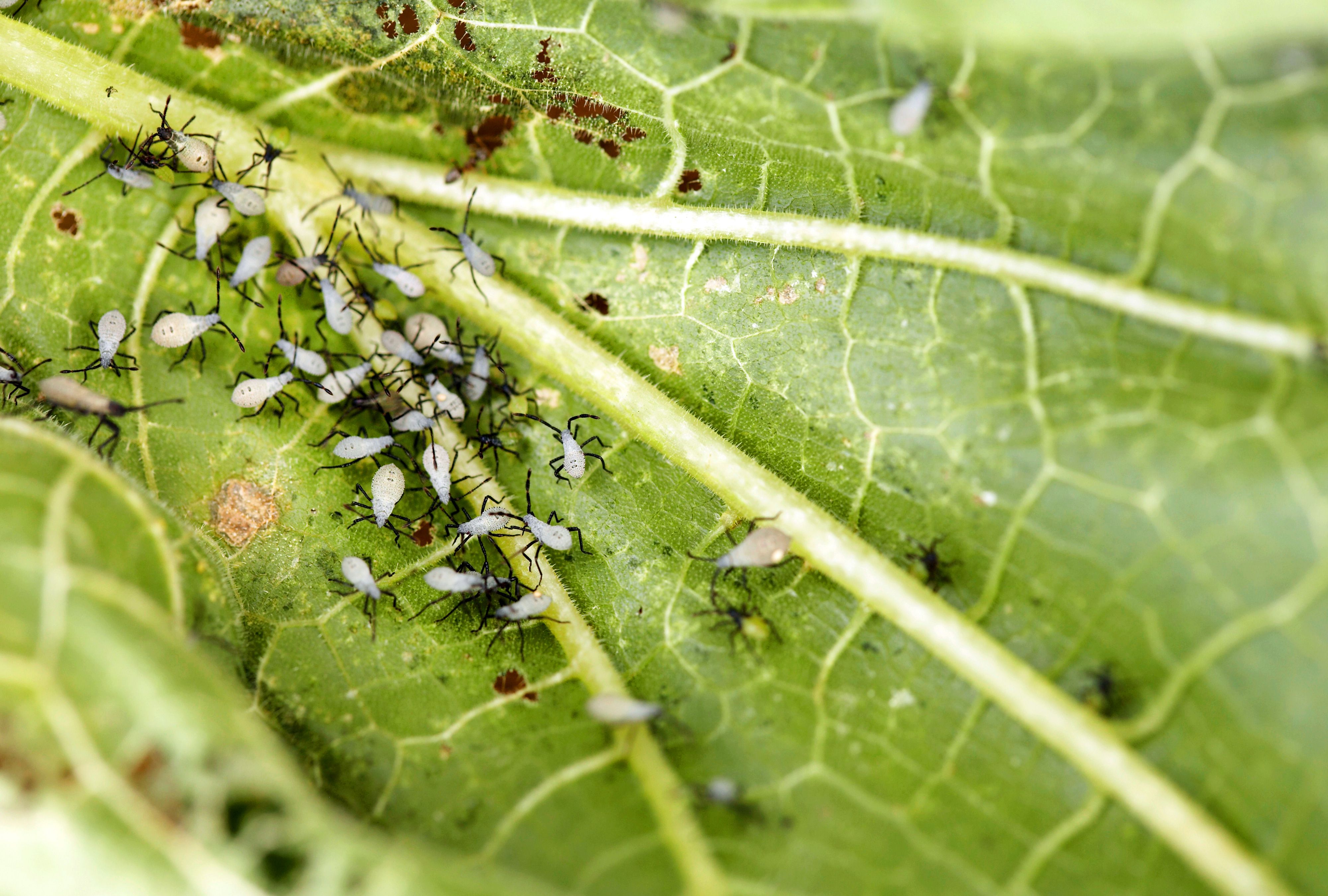
Squash bugs are the uninvited dinner guests of the vegetable garden. They do not RSVP, they do not bring compost, and once they settle in, your zucchini, pumpkins, and winter squash can go from “thriving jungle” to “sad wilted salad” faster than you can say, “Wasn’t this plant fine yesterday?”
The good news is that you can get rid of squash bugs naturally without turning your garden into a chemical battlefield. The trick is timing. Squash bugs are much easier to manage when they are eggs or young nymphs. Once they become tough, shield-shaped adults, they are basically tiny armored tanks with bad manners.
This guide walks you through eight practical, natural squash bug control tips that actually make sense for home gardeners. You will learn how to spot squash bug eggs, protect young plants, remove pests by hand, use simple traps, support beneficial insects, and clean up your garden so next year’s bug population does not treat your yard like a five-star resort.
What Are Squash Bugs?
Squash bugs are common pests of cucurbit crops, especially summer squash, zucchini, pumpkins, and many winter squash varieties. They feed by piercing leaves, stems, and sometimes fruit, then sucking out plant sap. That feeding can leave yellow specks, brown patches, wilted leaves, and eventually collapsing vines when populations get heavy.
Adult squash bugs are usually grayish brown, flat-backed, and about five-eighths of an inch long. They can look a little like stink bugs, and yes, they may release an unpleasant odor when disturbed. Their eggs are easier to identify than the adults: small, shiny bronze or copper-colored clusters often found on the undersides of leaves, usually tucked near leaf veins.
Young squash bugs, called nymphs, are softer-bodied and often gray, greenish-gray, or pale with darker legs as they grow. This stage is the sweet spot for natural control. Catch them early, and you can reduce the population before the bugs turn your plants into an all-you-can-eat buffet.
Why Natural Squash Bug Control Works Best Early
Natural control is not about one dramatic move. It is about steady pressure. Squash bugs overwinter as adults in sheltered garden debris, mulch, boards, vines, and weedy areas. In spring and early summer, they move into cucurbit plants, mate, and lay eggs. If you interrupt that cycle, you can prevent a small problem from becoming a vine-melting invasion.
The most effective natural strategy combines prevention, scouting, mechanical removal, habitat management, and careful use of organic sprays only when needed. Think of it as garden defense with a clipboard and a bucket of soapy water. Not glamorous, but extremely effective.
1. Inspect Plants Early and Often
The first rule of getting rid of squash bugs naturally is simple: do not wait until your squash plant looks like it has given up on life. Start checking plants as soon as they begin growing vigorously, especially once the weather warms and vines start spreading.
Look at the tops and undersides of leaves, along stems, near the crown of the plant, and under low foliage. Squash bugs love hiding where you are least likely to look, which is rude but predictable. Pay special attention to bronze egg clusters. Removing eggs early is one of the easiest ways to prevent a major infestation.
How often should you scout?
During peak squash bug season, check plants every two to three days if possible. A weekly glance is better than nothing, but a few days can make a big difference because eggs hatch and nymphs start feeding quickly. Bring a small container of soapy water, a piece of tape, or pruning scissors so you can act immediately when you find pests.
If you see wilting during the heat of the day, do not panic right away. Squash plants can wilt temporarily in hot weather and recover in the evening. But if wilting continues or leaves turn brown and crispy, inspect closely for squash bugs, vine borers, disease, or root stress.
2. Remove Squash Bug Eggs Before They Hatch
Squash bug eggs are your best target. They do not run, fly, hide, or make dramatic escape plans. They just sit there, waiting to become a problem. Your job is to make sure that never happens.
Egg clusters are usually coppery, bronze, or reddish-brown and laid in neat groups, often on the undersides of leaves. You can crush them gently, scrape them off, cut away the small section of leaf that contains them, or lift them with duct tape wrapped around your fingers, sticky side out.
Best egg-removal methods
For small gardens, hand removal is one of the most reliable natural squash bug control methods. If the leaf is healthy and the egg cluster is small, tape removal works well. If the eggs are wedged tightly into leaf veins, snipping out that small section may be easier. Drop removed eggs into soapy water or seal them in a bag before disposal.
Avoid tearing off half the plant in your enthusiasm. Squash leaves are solar panels for fruit production. Remove only what you need. The goal is pest control, not accidentally turning your zucchini into a botanical skeleton.
3. Handpick Adults and Nymphs Into Soapy Water
Handpicking may sound old-fashioned, but it works. In a small or medium home garden, physically removing squash bugs can dramatically reduce pressure on your plants. The method is simple: knock adults and nymphs into a container of soapy water.
Use a jar, bowl, or small bucket filled with water and a few drops of dish soap. The soap breaks the surface tension and helps drown the insects. Check the base of the plant, under leaves, and around the main stem. Nymphs often gather together, which makes them easier to remove in groups.
Make handpicking less annoying
Go out in the morning or evening when the bugs are slower and the sun is not trying to cook you like a garden tomato. Wear gloves if the smell bothers you. Use a small paintbrush, old toothbrush, or gloved finger to sweep nymphs into your container.
This method is especially effective when combined with egg removal. Adults are harder to eliminate completely, but if you remove eggs and nymphs consistently, you reduce the next generation. It is not glamorous, but neither is watching your pumpkins collapse in July.
4. Use Floating Row Covers on Young Plants
Floating row covers are one of the best natural ways to prevent squash bugs from laying eggs on young plants. These lightweight fabrics create a physical barrier while still allowing light, air, and water to reach the crop.
Install row covers right after planting or transplanting. Secure the edges tightly with soil, landscape staples, boards, or stones. If you leave gaps, squash bugs will find them. They are surprisingly committed for creatures with no calendar app.
When to remove row covers
Remove covers when plants begin flowering, especially when female flowers appear, because squash plants need pollination to set fruit. Female squash flowers have a small swelling behind the blossom that looks like a tiny baby squash. Once blooms need pollinator access, uncover the plants during the day.
If squash bugs are a serious problem in your area, you can hand-pollinate and keep covers on longer, but most home gardeners prefer removing covers at flowering and then switching to scouting, egg removal, and traps.
5. Set Trap Boards or Cardboard at Night
Squash bugs like to hide under objects overnight. You can use that habit against them with a simple trap. Place boards, shingles, newspaper, or heavy cardboard near the base of squash plants in the evening. In the morning, flip the traps over and collect the bugs hiding underneath.
This is one of the easiest natural squash bug traps because it requires almost no equipment. It also feels slightly satisfying, like catching garden villains in a very low-budget detective movie.
How to use squash bug traps effectively
Set traps close to affected plants, especially where you have already seen adults or nymphs. Check them early in the morning before the bugs scatter. Drop captured bugs into soapy water. Repeat daily or several times a week during heavy pressure.
Do not leave trap boards unchecked for long periods. If you never inspect them, you may simply provide cozy bug apartments. The trap only works when you turn it into a removal tool.
6. Encourage Beneficial Insects and Avoid Broad-Spectrum Sprays
Squash bugs are not the easiest pest for predators to control because they can release a strong odor and adults are tough. Still, beneficial insects can help reduce pest pressure, especially when the garden supports a healthy mix of predators and parasitoids.
Some parasitic flies and wasps attack squash bugs or their eggs. Flowering plants such as dill, fennel, parsley, sweet alyssum, buckwheat, yarrow, goldenrod, and other small-flowered herbs can provide nectar and pollen for beneficial insects. A diverse garden is not just prettier; it is also harder for one pest to dominate.
Build a bug-friendly garden, but not a squash-bug spa
The goal is to support helpful insects without creating hiding places for squash bugs right next to your vines. Keep flowering plants nearby, but avoid letting weeds, old vines, and thick debris pile up around squash beds. Use mulch carefully and inspect it if squash bugs are already present.
Also, avoid broad-spectrum insecticides whenever possible. They may knock down pests, but they can also harm pollinators and beneficial insects. When your squash is blooming, pollinator safety matters. A garden without bees is like a bakery without flour: technically still a building, but something important is missing.
7. Use Organic Sprays Carefully on Young Nymphs
Natural sprays can help, but they are not magic potions. Insecticidal soap, horticultural oil, neem-based products, and pyrethrin products may work best when sprayed directly on small nymphs. Adults are much harder to control with sprays, which is why early scouting matters so much.
For best results, aim for thorough coverage, especially on the undersides of leaves where eggs and nymphs hide. Always follow the product label. Even organic products can damage plants if applied in high heat, mixed incorrectly, or used too often.
Spray timing matters
Apply sprays in the evening when temperatures are cooler and pollinators are less active. Never spray open flowers directly. Test a small area first if the plant is stressed, droughty, or exposed to intense heat. Oil and soap sprays can cause leaf burn under the wrong conditions.
Organic sprays should be part of a larger plan, not the whole plan. If you skip egg removal and rely only on spraying adults, you will probably be disappointed. Squash bugs are not impressed by half-hearted management.
8. Clean Up the Garden After Harvest
End-of-season cleanup is one of the most overlooked ways to prevent squash bugs naturally. Adult squash bugs overwinter in sheltered places such as old vines, plant debris, boards, mulch, and weedy edges. If your garden remains messy all winter, you may be rolling out the welcome mat for next year’s infestation.
After harvest, remove spent squash vines and damaged fruit. Do not leave infested vines lying around. Bag them, bury them deeply where appropriate, or dispose of them according to your local garden waste rules. If your compost pile does not get hot enough, avoid composting heavily infested material.
Rotate your squash planting area
Crop rotation can help reduce recurring pest pressure. Avoid planting squash, pumpkins, cucumbers, melons, or other cucurbits in the exact same spot year after year. Rotation is not a perfect shield because adult squash bugs can travel, but it makes your garden less predictable.
Clean up boards, old pots, fabric, and clutter near the garden. If squash bugs could hide under it, consider removing it or checking it. Your future self will thank you when spring arrives and the squash bed does not immediately turn into a bug reunion.
Bonus Natural Strategies That Can Help
Try resistant or less-preferred squash varieties
Some squash varieties tend to tolerate or resist squash bug damage better than others. Butternut squash is often considered less attractive or more resilient than many hubbard, pumpkin, and summer squash types. If squash bugs destroy your zucchini every year, experiment with butternut, acorn, or other varieties that perform better in your region.
Use trap crops with caution
Trap cropping means planting a highly attractive squash, such as Blue Hubbard, to lure squash bugs away from your main crop. This can work, but only if you monitor the trap crop and destroy or treat the bugs before they reproduce heavily. Otherwise, you have not created a trap crop. You have created a squash bug nightclub.
Keep plants healthy
Healthy squash plants can tolerate more feeding than stressed plants. Water deeply and consistently, avoid letting plants dry out repeatedly, and improve soil with compost before planting. Good spacing also improves airflow and makes scouting easier. A tangled squash jungle may look impressive, but it gives pests endless hiding spots.
Common Mistakes When Trying to Get Rid of Squash Bugs Naturally
Waiting too long
The biggest mistake is waiting until plants are badly wilted. At that point, adults may be established, eggs may have hatched, and nymphs may be feeding in large numbers. Start early and act when you see the first signs.
Only checking the top of leaves
Squash bugs hide underneath leaves and near the plant crown. If you only glance from above, you may miss the entire problem. Lift leaves carefully and inspect the undersides.
Using sprays without direct contact
Many organic sprays must hit the pest directly to work well. A light mist over the top of the plant may not reach nymphs hiding below. Coverage matters.
Ignoring garden cleanup
If you remove bugs all summer but leave infested vines and debris in place all winter, the cycle can continue. Cleanup is not exciting, but it is powerful prevention.
A Practical Weekly Squash Bug Routine
If you want a simple plan, follow this routine during squash bug season:
- Check the undersides of leaves every two to three days.
- Remove bronze egg clusters immediately.
- Drop adults and nymphs into soapy water.
- Use trap boards overnight and empty them in the morning.
- Keep plants watered and avoid unnecessary stress.
- Use organic sprays only when nymphs are present and direct contact is possible.
- Remove infested vines after harvest.
This routine takes a few minutes once you get used to it. The reward is healthier squash plants and fewer dramatic garden disasters. Also, you get to feel like a tiny bouncer protecting the VIP zucchini section.
Experience-Based Notes: What Gardeners Learn the Hard Way
After dealing with squash bugs for a few seasons, most gardeners discover that the battle is won in small, boring, consistent moments. The first lesson is that “I’ll check tomorrow” can be famous last words. Squash bug eggs are easy to ignore when the plant looks lush and green. Then suddenly the nymphs hatch, gather under the leaves, and your squash begins looking tired for reasons that are no longer mysterious.
One practical experience is to keep a squash bug kit near the garden. It does not need to be fancy. A jar with soapy water, a roll of duct tape, gloves, and small scissors can save time. When tools are nearby, you are more likely to remove eggs the moment you see them. If you have to walk back to the garage every time, the job becomes easier to postpone.
Another lesson is that the undersides of leaves matter more than the pretty top view. From above, a squash plant may look like a green umbrella of success. Underneath, it may be hosting a bronze-egg convention. Gently lift leaves during your morning walk-through. Check where the leaf veins meet, along the stems, and near the crown. Once you train your eye, spotting eggs becomes oddly satisfying.
Trap boards are also more useful than many beginners expect. A scrap of cardboard or a small board placed near the plant can collect several bugs overnight. The key is checking it early. If you wander out at noon, many bugs have already returned to their hiding places. Morning patrol works best, preferably with coffee in one hand and mild determination in the other.
Gardeners also learn that plant stress makes everything worse. A squash plant struggling with dry soil, poor fertility, or overcrowding has less energy to recover from insect feeding. Deep watering, compost-rich soil, and enough spacing will not make squash bugs disappear, but they help the plant tolerate minor damage. A vigorous plant is like a person who got eight hours of sleep; it handles drama better.
Variety choice can change the entire season. If zucchini gets destroyed every year, try growing a mix of summer squash and butternut or other more resilient types. This is not surrender. It is strategy. The garden does not hand out medals for repeatedly planting the same doomed crop in the same doomed spot.
The final experience-based truth is that cleanup really matters. At the end of the season, tired gardeners are tempted to abandon the squash patch and call it “wildlife habitat.” Unfortunately, squash bugs may interpret that as “winter lodging included.” Removing old vines, damaged fruit, boards, and debris reduces overwintering shelters. It is not the most glamorous garden chore, but future you will appreciate it.
Natural squash bug control is not about perfection. You may still see a few bugs. You may miss an egg cluster. You may lose a leaf or two. That is normal. Success means keeping the population low enough that your plants continue growing, flowering, and producing. With steady scouting and a few simple tools, you can protect your squash without panic, harsh chemicals, or a full emotional support group for your zucchini.
Conclusion
Getting rid of squash bugs naturally is absolutely possible, especially when you act early. Start with prevention, use row covers on young plants, inspect leaves often, remove eggs before they hatch, handpick adults and nymphs, set trap boards, protect beneficial insects, and clean up thoroughly after harvest.
The secret is consistency. Squash bugs thrive when gardeners look away for too long. Give your plants a few minutes of attention several times a week, and you can stop these pests before they devour your vines, ruin your pumpkins, or turn your zucchini dreams into compost-bin poetry.