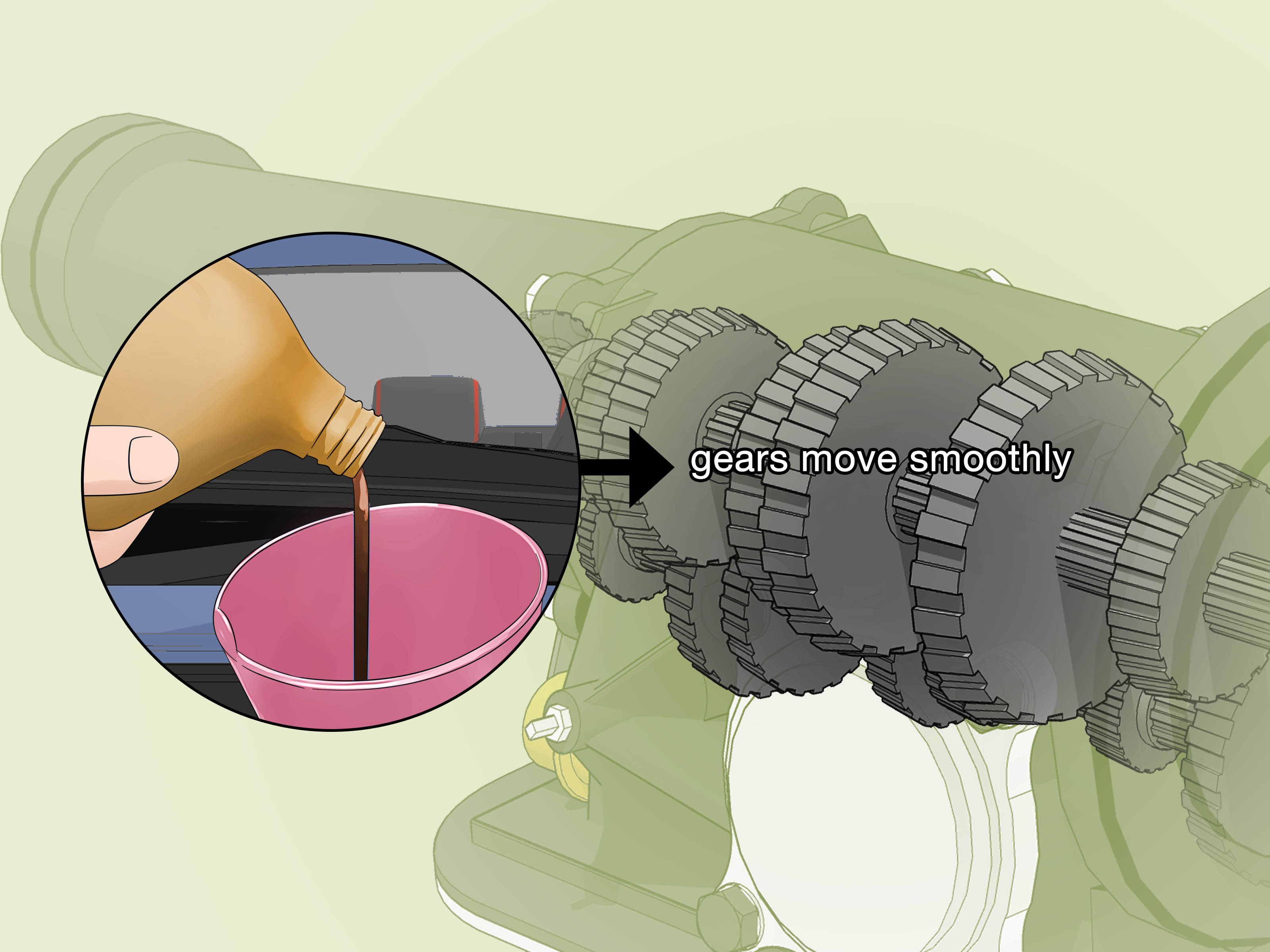
Your transmission does a lot of work without asking for applause. It manages power, helps your vehicle shift smoothly, and generally keeps your drive from feeling like a wrestling match with a metal box. Transmission fluid is the unsung hero in that process. It lubricates moving parts, helps control heat, and in many automatic transmissions, it also provides the hydraulic pressure needed to shift gears properly.
When the fluid level drops too low, things start getting weird. Sometimes the symptoms are subtle, like a slight hesitation when you shift into drive. Other times, your car makes a dramatic entrance with noises, smells, and behavior that scream, “Please stop ignoring me.” The tricky part is that low transmission fluid symptoms can overlap with other transmission problems, so no single sign is a guaranteed diagnosis. Still, if several of the clues below show up together, low transmission fluid should move high on your suspect list.
In this guide, we’ll break down the most common signs of low transmission fluid, explain why they happen, and cover what to do next before a manageable service issue turns into a wallet-emptying repair bill.
Why Transmission Fluid Matters So Much
Think of transmission fluid as part lubricant, part coolant, and part hydraulic muscle. In an automatic transmission, low fluid can reduce pressure inside the system, which affects gear engagement. In both automatic and manual transmissions, not enough fluid can increase friction, raise temperatures, and accelerate wear. That is why a low fluid level often leads to a chain reaction: rougher shifting, more heat, more wear, and eventually much bigger trouble.
One important note: transmission fluid does not usually vanish for fun. If it is low, there is often a leak, improper servicing, or another underlying problem. Also, many newer vehicles have sealed transmissions, which means checking or topping off fluid may require a professional procedure rather than a quick driveway dipstick check.
1. Delayed or Hesitant Shifting
One of the earliest and most common low transmission fluid symptoms is hesitation when shifting gears. You move from park to drive or reverse, and the vehicle takes a beat too long to respond. It may feel as though the transmission is thinking about your request, filing paperwork, and then eventually agreeing to move.
This delay often happens because the transmission does not have enough fluid to build proper hydraulic pressure. Without that pressure, the components responsible for engaging gears cannot respond as quickly or as smoothly as they should.
Example: You start the car in the morning, shift into reverse, and the vehicle sits for a second or two before backing up. If that pause becomes a pattern instead of a one-time quirk, low fluid is worth checking.
2. Gears Slipping While Driving
Slipping gears can feel unnerving because the car seems to lose its sense of direction. The engine revs climb, but the vehicle does not accelerate the way it should. In some cases, the transmission may appear to shift unexpectedly or struggle to stay in the right gear.
Low transmission fluid can cause this because the transmission may not maintain enough pressure to keep the selected gear engaged. That mismatch between engine speed and wheel speed is a classic red flag.
Drivers often describe gear slipping as the car “revving but not going,” especially during acceleration, hill climbs, or highway merges. That is not the sort of surprise anyone wants in traffic.
3. Rough, Hard, or Jerky Shifts
A healthy transmission should shift fairly smoothly. If your vehicle suddenly starts banging into gear, lurching between shifts, or feeling jerky under normal driving conditions, low or deteriorated fluid may be part of the problem.
When there is not enough fluid to cushion and support normal operation, shifts can become harsh. Instead of a smooth handoff between gears, you get a clunky mechanical shove. In automatic transmissions, this may feel like a hard thump when accelerating or slowing down. In manual transmissions, it may feel harder to move the shifter or like the gearbox is less cooperative than usual.
Jerky shifting does not always mean low fluid alone. Worn internal parts, dirty fluid, clogged filters, or control module issues can cause similar symptoms. But low fluid is one of the easier and more urgent things to rule out.
4. Unusual Noises Like Whining, Humming, or Clunking
Cars make noises. That is part of the deal. But they should not start producing a fresh soundtrack of whining, humming, buzzing, or clunking from the transmission area.
Low transmission fluid can allow metal parts to operate with less lubrication than they need. As friction and wear increase, noises often follow. A whining sound during acceleration, a hum at certain speeds, or a clunk when shifting can all point to trouble.
Manual transmissions may also become noisier when fluid is low, especially during gear changes. Automatic transmissions may whine because the pump is not getting enough fluid. If you catch yourself turning down the radio to investigate a new mechanical solo, your car is trying to tell you something.
5. Transmission Overheating or a Burning Smell
Transmission fluid helps manage heat. When the level drops too low, temperatures can climb quickly because there is less fluid available to carry heat away and protect moving parts. Overheated transmission fluid may begin to smell burnt, sharp, or acrid.
A burning odor after driving, especially in traffic or on long trips, should not be ignored. Some vehicles also have a transmission temperature warning light or message. Others may only show a general check engine light while the transmission gets progressively hotter behind the scenes.
If the fluid has been overheated repeatedly, it may darken and lose effectiveness. Once that happens, the problem can snowball. Heat damages fluid, damaged fluid protects less effectively, and then even more heat builds. That is a terrible cycle for your transmission and an excellent cycle for repair shop invoices.
6. A Transmission Fluid Leak Under the Vehicle
If transmission fluid is low, a leak is often the reason. Many transmission systems are closed, so a low level commonly means the fluid escaped somewhere it should not have. Puddles or spots under the vehicle are one of the clearest warning signs.
Transmission fluid is often reddish when fresh, though color can vary by brand and age. Older fluid may look darker red, brownish, or dirty. If you spot a slick fluid under the middle or front area of the vehicle, do not assume it is harmless. A small leak today can become a larger leak tomorrow.
Leaks may come from seals, cooler lines, the transmission pan, drain plugs, or service mistakes. Even a slow drip matters. A transmission can tolerate many things, but “running low on the fluid it needs to survive” is not one of them.
7. Weak Acceleration or Poor Response
Low transmission fluid can also show up as sluggish performance. The engine may sound ready to work, but the vehicle feels lazy pulling away from a stop or climbing a grade. Sometimes drivers notice this as a vague sense that the car is “off” before any obvious shifting problem appears.
This happens because the transmission may not be transferring power efficiently. If the fluid level is low enough to affect hydraulic pressure or lubrication, acceleration can feel inconsistent or weaker than normal.
Example: You press the gas pedal to merge onto the highway, but the vehicle hesitates, revs too high, or feels disconnected from the engine’s effort. That can be a symptom of gear slipping, delayed engagement, or both, all of which can relate to low fluid.
8. Dark, Dirty, or Burnt-Smelling Fluid on Inspection
If your vehicle has a transmission dipstick, checking the fluid condition can reveal a lot. Healthy automatic transmission fluid is often bright red or pinkish and relatively clean. Fluid that looks dark brown, cloudy, dirty, or smells burnt is a warning sign, even if the level itself is only slightly low.
In other words, you are not only looking for how much fluid is there. You are also looking at what shape it is in. Fluid that is contaminated or heat-damaged may not protect the transmission properly. Some sources also note that visible metallic debris can point to internal wear, which raises the stakes considerably.
If your vehicle does not have a dipstick, do not improvise. Many modern transmissions require a specific temperature range and service procedure to verify fluid level accurately. Guessing is not maintenance; it is automotive roulette.
Other Clues That Often Show Up Alongside Low Transmission Fluid
While the eight signs above are the main ones, a few other clues often travel with them:
- Check engine light or transmission-related warning light
- Trouble shifting into reverse
- Shuddering or vibration during acceleration
- Limp mode, where the vehicle limits speed or gear range to prevent damage
These symptoms do not always mean low transmission fluid by themselves, but they can support the diagnosis when combined with leaks, delayed shifting, or obvious fluid issues.
What Causes Transmission Fluid to Get Low?
The most common cause is a leak. But that is not the only possibility. Low transmission fluid can also happen after incomplete service, improper fill procedures, overheating that pushes fluid out of the system, or neglected maintenance over a long period.
Using the wrong fluid can also create trouble. Manufacturers specify certain transmission fluids for a reason. The wrong type may lead to abnormal noise, vibration, poor shifting, or damage over time. So if you are topping off fluid, “close enough” is not close enough.
What To Do If You Notice These Signs
- Do not ignore it. A transmission problem rarely improves through positive thinking.
- Look for leaks. Check the ground where the vehicle is parked.
- Check the fluid properly, if your vehicle allows it. Follow the owner’s manual exactly.
- Do not add random fluid. Use only the manufacturer-specified type.
- Get it inspected promptly. Low fluid may be the symptom, not the whole problem.
If the vehicle is slipping badly, overheating, or refusing to engage gears, driving it further can increase damage. At that point, having it towed may be the smarter move.
Real-World Experiences Drivers Commonly Report
When people talk about low transmission fluid, the conversation usually starts the same way: “I thought it was nothing at first.” That is what makes this issue so sneaky. The earliest symptoms often feel small, inconsistent, or easy to blame on weather, road conditions, or an aging car having a moment.
A very common experience begins with a slight hesitation backing out of the driveway. The driver starts the car, shifts into reverse, and there is just enough delay to notice. Not a dramatic pause, just an odd beat. Then it happens again the next morning. A week later, drive engages a little harder than usual, and now the owner starts wondering whether the transmission is “acting funny.” That vague phrase shows up a lot because early transmission trouble often feels more strange than catastrophic.
Another frequent pattern happens on the highway. A driver tries to accelerate to merge, but the engine revs more than expected before the vehicle responds. It feels like the car is working hard without delivering the speed. Some describe it as a slipping sensation. Others say the car feels disconnected, almost like it cannot decide what gear it wants. In everyday language, the vehicle suddenly feels unsure of itself, and that uncertainty is often what sends people to the repair shop.
Then there are the sound-based experiences. Drivers report a new whine that was not there last month, or a hum that gets louder as speed rises. Sometimes the noise is most obvious during shifting. Sometimes it appears after a long drive in stop-and-go traffic. What stands out is not always the volume, but the unfamiliarity. People know how their own cars normally sound. When something mechanical changes its voice, owners notice, even if they cannot name the exact component.
Leaks are another classic turning point. Many people first discover the problem when they see a reddish or brownish spot on the driveway and realize the vehicle is not merely “marking its territory.” A small stain often leads to a bigger inspection, and that is when the other symptoms suddenly make sense. The delay in shifting, the odd smell, the occasional shudder, the way reverse has been inconsistent for a few days, all of it starts connecting.
One more real-world pattern is how often drivers wait because the car still moves. That is the trap. A transmission with low fluid may continue operating for a while, just not happily. Because the symptoms can come and go, it is easy to postpone service until the issue becomes severe enough to feel expensive. By then, it often is.
The takeaway from these experiences is simple: low transmission fluid rarely arrives with one giant cinematic warning. It usually shows up as a series of smaller clues. Catching those clues early can make the difference between a fluid service and a major repair.
Final Thoughts
The signs of low transmission fluid are not subtle forever. Delayed shifts, slipping gears, rough engagement, odd noises, overheating, leaks, weak acceleration, and burnt or dirty fluid all point to a transmission that needs attention sooner rather than later. None of these symptoms should be brushed off as your car being “a little dramatic.”
The good news is that low transmission fluid is one of the problems that can sometimes be caught early, diagnosed correctly, and fixed before the transmission suffers major internal damage. The key is paying attention. If your vehicle starts shifting differently, leaking fluid, or smelling like something is cooking that definitely should not be cooking, it is time to act.
In the world of automotive maintenance, quick action is cheaper than heroic optimism. Your transmission will appreciate the respect, and your bank account will probably send a thank-you note.