When your head is pounding, the first thought is usually not, “You know what I need right now? Produce.” It is more like, “Silence. Darkness. A refund on today.” Still, food can absolutely play a role in how headaches feel, how often they show up, and whether a rough day turns into a full-blown migraine situation.
From a registered dietitian’s perspective, the goal is not to find one magical “headache cure” hiding in your fridge between the mustard and last night’s leftovers. The smarter move is to focus on foods that support the common headache troublemakers: dehydration, low blood sugar, irregular eating patterns, inflammation, and low intake of nutrients like magnesium and riboflavin. That is where the right foods can earn their gold star.
Before we dive in, one important note: not every headache is food-related, and not every “healthy” food helps every person. Some people have migraine triggers tied to specific ingredients, while others do not. So think of this list as a helpful starting point, not a one-size-fits-all menu carved into stone.
Why food can matter when you have a headache
Food affects headaches in a few practical ways. First, hydration matters. Even mild dehydration can leave you feeling foggy, tired, and achy. Second, skipping meals or waiting too long to eat can trigger headaches in some people, especially when blood sugar dips. Third, certain nutrients may support migraine management more than others. Magnesium and riboflavin come up often in headache nutrition conversations, and omega-3-rich fish has also drawn attention for its potential benefits.
That does not mean your lunch is a prescription. It means your daily eating pattern can either help your head calm down or make it grumpier. And let’s be honest: most headaches do not need extra drama.
1. Watermelon
Why it may help
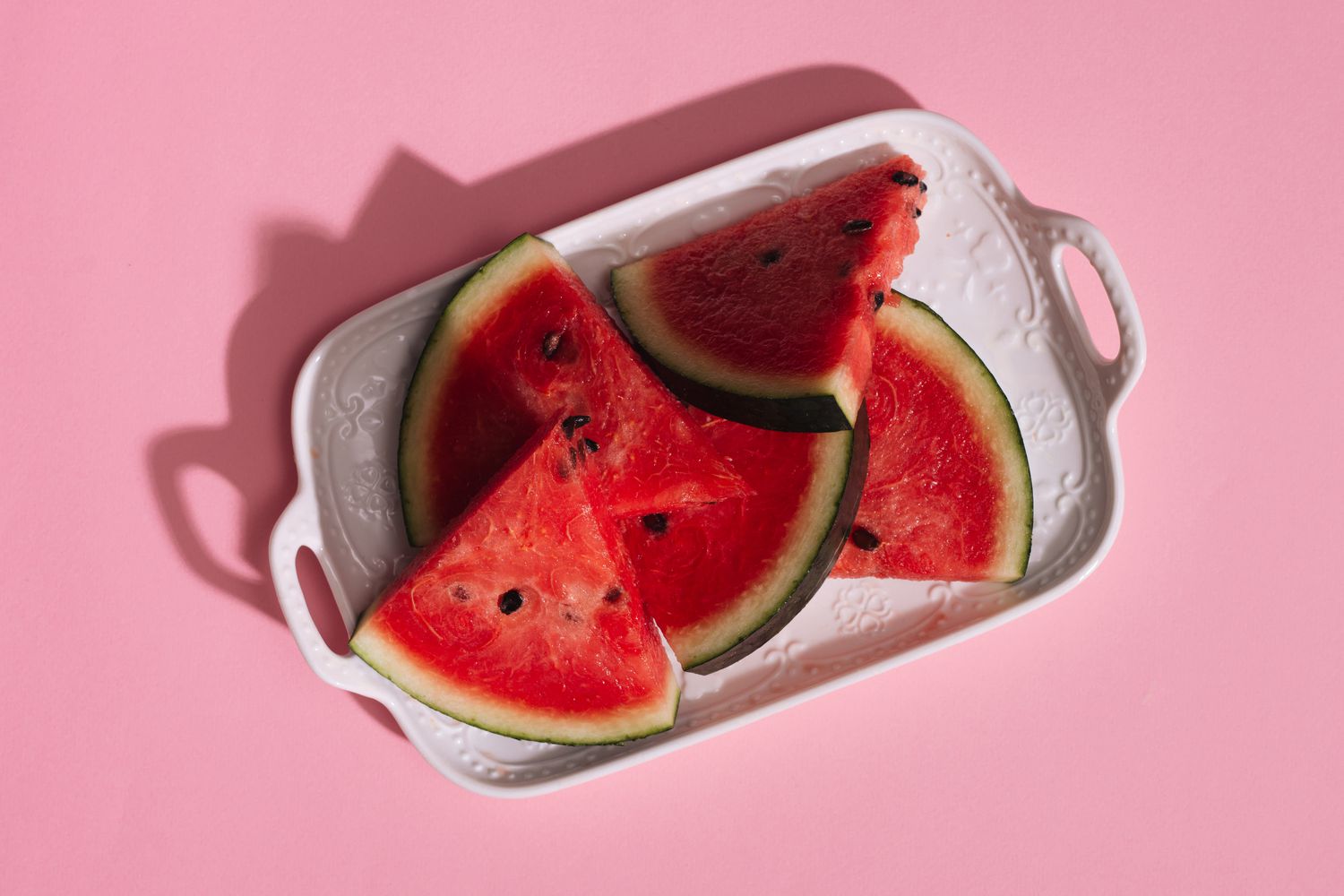
Watermelon is basically summer’s answer to dehydration. Since dehydration is a common headache trigger, foods with a high water content can be surprisingly useful when your head starts thumping. Watermelon also provides a little magnesium and potassium, which adds to its “helpful supporting actor” status.
How to use it
If a headache seems connected to heat, exercise, travel, or a day when you forgot that plain water exists, chilled watermelon can be an easy first step. It is gentle, refreshing, and easier to tolerate than a heavy meal when nausea is in the picture.
Try a bowl of cold watermelon cubes, blend it into a smoothie, or pair it with a salty snack if you have been sweating a lot. No, it is not glamorous. Yes, it can still help.
2. Cucumbers
Why they may help
Cucumbers are another high-water food that can support rehydration. They are crisp, light, and easy to eat when rich or greasy food sounds about as appealing as a fire alarm. If your headache is related to dehydration or heat, cucumber can be part of a more comfortable recovery plan.
How to use them
Slice cucumbers into water, toss them in a salad, or snack on them with hummus. For people who get hunger headaches, pairing cucumber with a protein or healthy fat makes more sense than eating it alone. Cucumbers are helpful, but they are not exactly the heavyweight champion of staying power.
3. Spinach and Other Leafy Greens
Why they may help
Leafy greens such as spinach are well known for their magnesium content. Magnesium is one of the nutrients most often discussed in relation to migraines. While food is not the same as a supplement, regularly eating magnesium-rich foods may help support a headache-friendly eating pattern over time.
Spinach also brings folate and other micronutrients to the table, which is a nice bonus. In other words, it is doing a lot more than just sitting there looking virtuous.
How to use them
Add spinach to omelets, smoothies, soups, pasta, grain bowls, or sandwiches. If raw greens make you feel like you are chewing a lawn clipping, sauté them with olive oil and garlic instead. Nutrition should be practical, not performative.
4. Almonds and Pumpkin Seeds
Why they may help
Almonds and pumpkin seeds are two easy snack options that supply magnesium. They also provide some protein and fat, which can help keep energy levels steadier between meals. That matters because headaches are more likely to barge in when you have gone too long without eating.
Pumpkin seeds are especially notable if you are trying to boost magnesium without overthinking every meal. Almonds are portable, pantry-friendly, and very good at being there for you when your afternoon brain starts buffering.
How to use them
Sprinkle pumpkin seeds on yogurt or oatmeal. Grab a small handful of almonds with fruit. Add either one to a homemade trail mix. Just keep portions realistic, because a “tiny snack” can become “how did I eat three cups of nuts?” very quickly.
5. Plain Greek Yogurt
Why it may help
Plain Greek yogurt can be a smart pick for headache-prone people because it offers a few useful things at once: fluid, protein, and riboflavin. Riboflavin, also known as vitamin B2, has been studied for migraine prevention, and foods like dairy and eggs naturally contain it.
Yogurt also makes sense when you need something simple that will not hit like a brick. That is important because some headaches get worse when you are nauseated, and huge meals are rarely the hero in that moment.
How to use it
Top plain Greek yogurt with berries and pumpkin seeds, or blend it into a smoothie with spinach and frozen fruit. If dairy tends to trigger your symptoms, skip this one and choose another riboflavin- or protein-rich option that works better for you.
6. Eggs
Why they may help
Eggs are another food that naturally provides riboflavin, plus protein to support steadier meals. That combination is useful for people who notice headaches after skipping breakfast, grazing on nothing but crackers, or accidentally running on iced coffee and determination.
Egg yolks also provide a small amount of vitamin D. While eggs are not a miracle food, they are practical, affordable, and versatile enough to earn a place on a headache-supportive list.
How to use them
Have eggs with toast and fruit in the morning, add a boiled egg to lunch, or make a veggie omelet with spinach. The key idea is not “eat eggs and never get a headache again.” It is “build regular, balanced meals so your brain stops filing formal complaints.”
7. Salmon and Sardines
Why they may help
Fatty fish such as salmon and sardines bring omega-3 fats to the table. Research has suggested that diets higher in omega-3s from fatty fish may reduce the frequency and severity of migraines for some people. That does not mean everyone needs to become a seafood poet, but it does make fish a strong contender.
Salmon also contains vitamin D, and sardines are nutrient-dense in a tiny package. They are the overachievers of the seafood aisle.
How to use them
Try baked salmon with roasted vegetables, canned sardines on whole-grain toast, or flaked salmon over a salad. If fish is not your thing, do not panic. You can still focus on the other foods on this list and talk with a healthcare professional if you are curious about broader migraine nutrition strategies.
8. Ginger
Why it may help
Ginger is not famous because it is loud. It is famous because it quietly shows up and helps when nausea is part of the problem. For people who get migraines with stomach upset, ginger may offer relief that feels gentle rather than dramatic.
That makes ginger especially useful when a headache comes with a side of “Please do not make me smell anything.” It is not a guaranteed fix for pain itself, but it can make the whole experience a little less miserable.
How to use it
Try ginger tea, fresh grated ginger in hot water, a smoothie with ginger, or a broth-based soup with ginger and rice. Keep it simple. A headache day is not the time to audition for a cooking show.
How to build a headache-friendly plate
The best diet for headaches is usually not about one superfood. It is about consistency. Eating regular meals, drinking enough fluids, and choosing mostly whole foods can go a long way. A practical headache-friendly plate often includes:
- A hydrating food or beverage
- A protein source to support steady energy
- A magnesium-rich or riboflavin-containing food
- Minimal guesswork and zero chaos
For example, a headache-aware breakfast could be eggs with spinach and fruit. A solid lunch might be salmon, brown rice, and cucumber salad. A snack could be plain Greek yogurt with pumpkin seeds. None of that is trendy enough to go viral, but your nervous system may appreciate the lack of nonsense.
Foods that may help one person and bother another
Here is where nutrition gets annoyingly human: migraine triggers are individual. Some people do fine with yogurt, chocolate, or coffee. Others do not. Common reported triggers can include alcohol, processed meats, foods with MSG, artificial sweeteners, aged cheeses, and caffeine swings or withdrawal.
That means the smartest strategy is to track your own patterns. If a food regularly shows up right before a headache, it is worth noting. But avoid blaming random foods after one bad day. Sometimes a headache is about stress, sleep, hormones, weather, dehydration, and skipped lunch teaming up like tiny villains in a trench coat.
When food is not enough
If headaches are frequent, severe, new, or disruptive, do not try to solve the whole thing with watermelon and optimism. See a healthcare professional. Nutrition can support headache management, but it is not a replacement for diagnosis or treatment.
Get prompt medical care if you have a sudden severe headache, a headache after a head injury, or headache symptoms with confusion, fainting, fever, weakness, trouble speaking, or vision changes that are new or alarming.
Real-Life Experiences With Headache-Friendly Foods
In real life, the biggest food-related headache wins are often not dramatic. They are boring in the best possible way. People commonly notice that headaches improve when they stop accidentally fasting until 2 p.m., start drinking enough fluids, and eat meals that contain actual protein instead of whatever was floating around in the office snack drawer.
One common experience is the “I thought I had a random headache, but I was actually running on fumes” moment. Someone gets busy, skips breakfast, powers through on coffee, and then wonders why their head feels like it is holding a tiny drum solo by late morning. In those situations, a balanced meal with eggs, yogurt, fruit, or nuts can make a meaningful difference because the issue was not mysterious at all. It was low fuel plus maybe a little dehydration.
Another common pattern shows up during hot weather, workouts, travel days, or long errands. People do not always realize how little fluid they are taking in until a headache creeps up with fatigue and irritability. This is where hydrating foods like watermelon and cucumber feel especially helpful. They are easy to tolerate, easy to prepare, and useful when plain water suddenly seems unappealing. Some people also find that pairing those foods with a more substantial snack works better than hydrating alone, especially if they have not eaten much.
Then there is the migraine-with-nausea crowd, who often describe a very specific problem: they know they should eat something, but almost everything sounds terrible. Heavy meals are out. Strong smells are offensive. The idea of greasy takeout feels like a personal attack. In that scenario, simple options such as ginger tea, plain yogurt, toast, rice, eggs, or a smoothie may go down more easily. The “best” food is often the one that is gentle enough to tolerate while still offering hydration or nutrition.
People who track their headaches also frequently notice that consistency matters more than perfection. They do not need a flawless diet. They need fewer extremes. Fewer skipped meals. Fewer days fueled entirely by caffeine. Fewer stretches of dehydration followed by suddenly chugging water like it is an emergency event. Steadier habits often lead to steadier days.
Another real-world experience is discovering that a food marketed as “healthy” is not automatically helpful for that person. An individual might do great with Greek yogurt, while someone else notices dairy does not sit well during migraines. One person may find coffee helps early on, while another learns that caffeine swings trigger rebound headaches. That is why an RD-style approach focuses on patterns, tolerance, and routine instead of handing out a dramatic list of “good” and “bad” foods.
In the end, the most useful experience-based lesson is simple: headache-friendly eating is usually less about a miracle ingredient and more about building a calm, repeatable rhythm. Eat regularly. Hydrate early, not just after you feel awful. Include foods rich in magnesium, riboflavin, protein, and omega-3s when you can. And when your body clearly tells you a certain food is not helping, believe it. Your head is not always subtle, but it is often honest.
Conclusion
If you are looking for foods that can help relieve headaches, start with the basics that do the most work: hydrating foods like watermelon and cucumbers, magnesium-rich choices like spinach and pumpkin seeds, riboflavin-containing foods like yogurt and eggs, omega-3-rich fish like salmon, and gentle options like ginger when nausea joins the party. No single food can guarantee headache relief, but a consistent eating pattern can absolutely support a more headache-friendly life.
The takeaway is refreshingly unglamorous: eat regularly, stay hydrated, pay attention to your own triggers, and build meals that your brain does not have to fight with. Not flashy. Very useful. Which, frankly, is what most good nutrition advice looks like.


