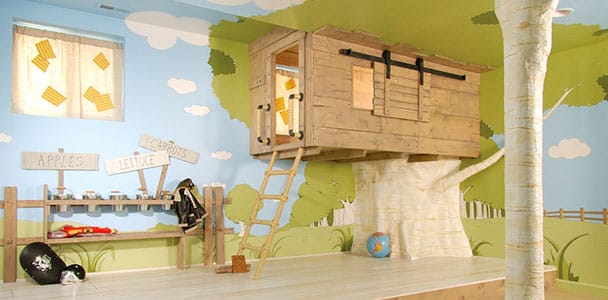
Some kids playrooms whisper, “Here is a basket of blocks.” Others kick open the door wearing a superhero cape and announce, “There is a slide in the house now. Deal with it.” The best outrageous kids playrooms live somewhere between those two moods: wildly imaginative, deeply functional, and safe enough that parents do not need to hover like nervous airport traffic controllers.
A great playroom is not just a room with toys. It is a mini world. It gives children space to climb, read, build, pretend, invent, argue with stuffed animals, host invisible tea parties, and leave tiny plastic dinosaurs in places adults will find with bare feet. The magic is in designing a room that supports real play while still looking good when the children finally go to bed and the toy trucks stop holding a meeting in the middle of the rug.
Below are eight creative design ideas inspired by bold, over-the-top kids playroomsthink indoor climbing walls, LEGO walls, secret reading caves, craft zones, hidden storage, and flexible furniture that can survive childhood with dignity. These ideas work for large basements, spare rooms, shared living spaces, and even small corners that need to become something more exciting than “that place where toys go to retire.”
1. Create One “Wow” Feature That Defines the Room
Every outrageous kids playroom needs a headline act. It might be an indoor slide, a climbing wall, a lofted hideout, a swing chair, a mini stage, or a playhouse built into the architecture. The point is not to cram in every fun thing ever invented. The point is to choose one unforgettable feature that gives the room identity.
For active kids, a small climbing wall can turn a blank wall into a mountain expedition. For imaginative kids, a built-in playhouse under the stairs can become a castle, bakery, spaceship, or dragon counseling office, depending on the day. For kids who love drama, a tiny stage with curtains and soft lighting can encourage performance, storytelling, and confidence.
How to Make It Work
Start with the safest possible version of the idea. Climbing walls need proper installation, age-appropriate holds, secure backing, and cushioned flooring underneath. Slides should have adequate landing space. Swings and suspended chairs should be anchored into structural framing, not wishful thinking. If the feature involves height, movement, or hanging, hire a qualified installer.
Design-wise, let the wow feature set the tone. A climbing wall can use holds in colors pulled from the rug. A slide can match the cabinetry. A loft can be painted like a treehouse or kept neutral so the rest of the room feels sophisticated. Outrageous does not have to mean chaotic. The best playrooms look adventurous on purpose.
2. Turn the Walls Into Play Surfaces
Walls are often the most underused square footage in a kids playroom. In outrageous playrooms, walls do not just hold paint. They do jobs. They become building stations, art galleries, chalkboards, magnetic boards, climbing zones, book displays, and giant maps for imaginary travel.
A LEGO wall is one of the most brilliant examples. By mounting compatible baseplates securely to a wall, you create a vertical building surface that keeps creations off the floor and invites collaborative play. Children can build cities, robots, letters, marble runs, or a suspiciously tall tower that violates several laws of engineering.
Chalkboard paint or dry-erase panels can create a low-cost creativity zone. Magnetic panels are excellent for letters, numbers, puzzles, and pretend menus. A mural wall can make the room feel immersive without adding bulky objects. Think jungle canopy, outer space, underwater reef, mountain landscape, or a cheerful abstract pattern that hides fingerprints like a professional magician.
Design Tip
Keep interactive walls at child height. A beautiful display that children cannot reach is decor, not play. Use the lower third of the wall for hands-on activities and the upper area for art, shelves, or softer visual storytelling.
3. Divide the Room Into Play Zones
Outrageous playrooms look wild, but the smartest ones are organized like tiny cities. There is a movement zone, a quiet zone, a building zone, a pretend-play zone, and a messy-making zone. This helps children understand how to use the room and makes cleanup far less dramatic. Well, slightly less dramatic. We must remain realistic.
Zones do not need walls. A rug can define the building area. A canopy can mark the reading corner. A low shelf can separate crafts from active play. A table near washable flooring can become the art station. A soft mat can become the tumbling zone. The key is to give every activity a home.
This approach works especially well in small playrooms. Instead of filling the room with random toys, decide what the room should help your child do. If your child loves pretend play, prioritize costumes, a play kitchen, puppets, and open floor space. If your child builds constantly, give blocks and construction toys more room. If your child needs movement, invest in safe active-play features before buying another mountain of tiny accessories.
Zone Ideas to Steal
A “maker zone” can include a child-height table, washable chairs, paper rolls, crayons, safety scissors, glue sticks, and clear bins. A “cozy zone” can include floor pillows, forward-facing bookshelves, warm lighting, and a soft rug. A “gross motor zone” can include foam blocks, stepping stones, crash pads, or a balance beam close to the floor. A “pretend zone” can include costumes, a mirror, baskets of props, and a small play tent or house.
4. Use Storage That Kids Can Actually Use
Storage is where many playrooms lose the plot. Adults often design storage that looks good in photos but requires a ladder, a label maker, and the patience of a museum curator. Kids need storage they can see, reach, understand, and restore without needing a board meeting.
Low cubbies, open shelves, labeled bins, rolling carts, baskets, and bench storage are playroom heroes. Clear containers work well for small collections. Picture labels help younger children identify where things belong. Forward-facing bookshelves make books more inviting because children choose by cover long before they care about alphabetized author names.
Hidden storage also has its place, especially in shared living spaces. Storage ottomans, built-in benches, under-stair drawers, and cabinets painted the same color as the wall can keep visual clutter under control. This is helpful when the playroom is also the family room and adults would prefer not to drink coffee beside a plastic pirate ship at 10 p.m.
The Toy Rotation Trick
One of the smartest playroom design ideas is toy rotation. Instead of putting every toy out at once, keep a smaller selection accessible and store the rest. Rotate toys every few weeks. This keeps the room calmer, makes cleanup easier, and helps old toys feel exciting again. It also prevents the classic child behavior of dumping a full bin on the floor, touching one wooden banana, and leaving forever.
5. Build a Secret Reading Nook
A reading nook is the quiet heartbeat of a playroom. Even in the most outrageous spaces, children need a soft place to retreat. The best reading nooks feel slightly hidden: under a loft, inside a closet conversion, beneath the stairs, behind curtains, in a tent, beside a window, or tucked into a built-in bench.
To design one, think like a child. The space should feel cozy, not formal. Add cushions, a small mattress, beanbags, a canopy, or a plush rug. Keep books within reach. Use gentle lighting, such as a wall sconce, battery-operated lantern, or shaded lamp placed safely away from rough play. If the nook has curtains, choose short, lightweight fabric and avoid cords or anything that could become a hazard.
Reading nooks work beautifully because they balance high-energy play. After climbing, crafting, and launching plush animals into orbit, a child can curl up with a picture book and reset. It also sends a subtle message: books are not homework accessories; they are part of the fun.
Make It Outrageous
Give the nook a theme without making it too permanent. Add star decals for a galaxy cave, leafy wallpaper for a jungle hideout, scalloped trim for a storybook cottage, or a painted arch to frame the entrance. Keep the expensive pieces neutral and use easy-to-change accessories for the fantasy.
6. Add a Craft Station That Can Handle Real Mess
A craft station is where creativity meets glitter, and glitter always wins. Still, a well-designed craft zone can make art less stressful for parents and more inviting for kids. The goal is not perfection. The goal is controlled chaos with washable boundaries.
Choose a sturdy table at child height, chairs that wipe clean, and flooring that can handle paint, glue, clay, and mysterious sticky dots. Place supplies in clear bins or shallow drawers. Keep everyday materials accessible: crayons, markers, paper, stickers, tape, child-safe scissors, washable paints, stamps, and recycled cardboard. Store messier items higher up for supervised use.
A wall-mounted paper roll is a fantastic feature. Children can draw murals, practice letters, make banners, or create roads for toy cars. Pegboards are also useful for hanging cups, scissors, rulers, and small baskets. If the playroom is small, use a fold-down wall desk or rolling cart that can be moved away when the room needs to become a dance floor, obstacle course, or emergency stuffed-animal hospital.
Parent-Friendly Detail
Install an “art drying and display” area. String with clips, magnetic strips, or slim ledges can turn fresh artwork into decor. This prevents wet paintings from appearing on the dining table, kitchen counter, floor, and somehow the dog.
7. Design for Movement, Not Just Toys
Children are not decorative throw pillows. They need to move. A smart kids playroom includes opportunities for active play, especially when weather, schedules, or limited outdoor space make it harder to get energy out. Movement-based design can include foam climbing blocks, a low balance beam, stepping stones, mini trampoline with safety features, tumbling mats, tunnels, or an indoor obstacle path.
This does not mean turning your house into a trampoline park with throw pillows. The best active-play rooms match the child’s age, ability, and supervision level. For toddlers, soft mats and low foam structures are often enough. For older kids, a climbing wall, monkey bars, or lofted play structure may be exciting, but these features require serious attention to installation, fall zones, surfacing, and maintenance.
Active playrooms should also have clear floor space. It is tempting to fill every corner, but empty space is a design feature. Children use open areas for dancing, building forts, doing puzzles, spreading train tracks, and inventing games with rules no adult will ever fully understand.
Safety Comes First
Anchor tall furniture, secure televisions, avoid sharp corners where possible, and choose cushioned surfaces under active areas. Keep cords out of reach. Check hardware regularly. Avoid placing hard furniture near climbing or tumbling zones. Fun is better when it does not require a dramatic family trip to urgent care.
8. Make It Flexible Enough to Grow With Your Child
The most successful outrageous playrooms are not frozen in one age. A toddler playroom should not become useless when the child starts reading chapter books, building complicated sets, or inviting friends over for board games. Design with change in mind.
Use modular furniture, adjustable shelves, washable rugs, neutral storage pieces, and decor that can be updated easily. Instead of a permanent princess castle mural across every wall, consider removable decals, framed prints, or painted shapes. Instead of buying tiny furniture that will be outgrown in a year, choose pieces that can shift roles: a craft table can become a homework desk, cubbies can become sports storage, and a reading nook can become a tween lounge.
Color can also grow up. Outrageous does not require neon from floor to ceiling. A sophisticated base palette with bold accents often lasts longer. Try warm white walls with bright rugs, painted trim, colorful shelves, or a dramatic ceiling. Ceilings are underrated in playrooms. A sky blue ceiling, painted stars, wallpaper, or a tent-like canopy effect can make the room magical without sacrificing floor space.
How to Bring These Ideas Into a Real Home
Start by observing how your child actually plays. Some children need motion before they can focus. Some need quiet before they can imagine. Some want to build, some want to perform, and some want to collect 47 rocks and give each one a legal name. The best playroom design begins with real behavior, not a shopping list.
Next, choose your three priorities. For example: movement, storage, and reading. Or crafts, pretend play, and hidden storage. This prevents the room from becoming a carnival with cubbies. A playroom can be outrageous and still edited.
Then measure everything. Measure ceiling height before dreaming of lofts. Measure wall studs before planning climbing features. Measure bins before buying shelves. Measure the swing radius before hanging anything that moves. Design loves imagination, but it also appreciates a tape measure.
Finally, make cleanup part of the design. A playroom that children cannot reset will eventually become a toy swamp. Use fewer categories, bigger labels, accessible bins, and a nightly “ten-minute rescue mission.” Put cleanup tools where children can reach them. A small broom, dustpan, and laundry-style basket can make kids feel responsible for the room instead of merely responsible for destroying it creatively.
Real-World Experience: What Outrageous Kids Playrooms Teach Us
After looking at many bold kids playroom ideas, one lesson becomes clear: the most memorable rooms are not always the most expensive ones. They are the rooms that understand children. A giant slide is exciting, yes, but the real win is the way it changes how a child uses space. A LEGO wall looks cool, but the deeper value is that it turns a passive wall into a shared building surface. A reading nook photographs well, but its real power is giving a child a place to feel calm, private, and in control.
In real homes, the best playroom decisions often come from small frustrations. If toys are always on the floor, the issue may not be “messy kids.” It may be storage that is too complicated. If children never use the craft table, maybe the supplies are hidden too well or the lighting is poor. If active play keeps exploding into the living room, perhaps the playroom needs a movement zone rather than another shelf of puzzles.
One practical experience many families share is that children play longer when fewer toys are visible. This sounds strange until you watch it happen. A room overflowing with options can make children bounce from one thing to another. A room with a thoughtful selection of blocks, pretend props, books, art supplies, and open space often leads to deeper play. Toy rotation is not just an organizing trend; it changes the emotional temperature of the room.
Another lesson: children love spaces that feel slightly secret. A canopy, curtain, alcove, tent, or low loft creates a sense of ownership. Adults may see a corner with pillows. A child sees headquarters. This is why small playrooms can be just as magical as large ones. A tiny under-stair hideout may become more beloved than a huge room with expensive furniture because it feels personal.
It is also worth remembering that outrageous playrooms still need adult comfort. Parents spend time in these rooms too, usually sitting on the floor holding a plastic sandwich while being told they are a customer at a restaurant that serves only soup and invisible cake. Add one adult-friendly seat if space allows. Use lighting that is pleasant. Choose colors you can live with. A playroom should delight children without punishing adults.
Durability matters more than perfection. Washable rugs, wipeable paint, rounded edges, sturdy bins, and repairable furniture are not boring choices; they are survival tools. The room should invite children to use it fully. If every item feels too precious, kids will sense that. A real playroom needs permission built into it: permission to build, spill, tumble, imagine, rearrange, and make noise.
The final experience-based insight is that a playroom is never truly finished. Children grow, interests shift, and the room should evolve with them. The toddler climbing cushions may become a reading lounge. The pretend kitchen may give way to a maker station. The costume rack may become sports storage. Design the bones well, keep the flexible pieces easy to change, and let the room grow up without losing its sense of fun.
Conclusion
Outrageous kids playrooms are not about showing off. They are about creating spaces where children can move, imagine, focus, build, rest, and make memories. The best designs combine one big wow moment with practical storage, flexible zones, safe materials, and enough open floor space for whatever game your child invents next.
Whether you add a climbing wall, a secret reading nook, a craft station, a LEGO wall, or simply better baskets, the goal is the same: make play easier to begin and easier to clean up. A great playroom should feel magical to kids and manageable to adults. That is the real design victoryright up there with finding every puzzle piece before the vacuum does.