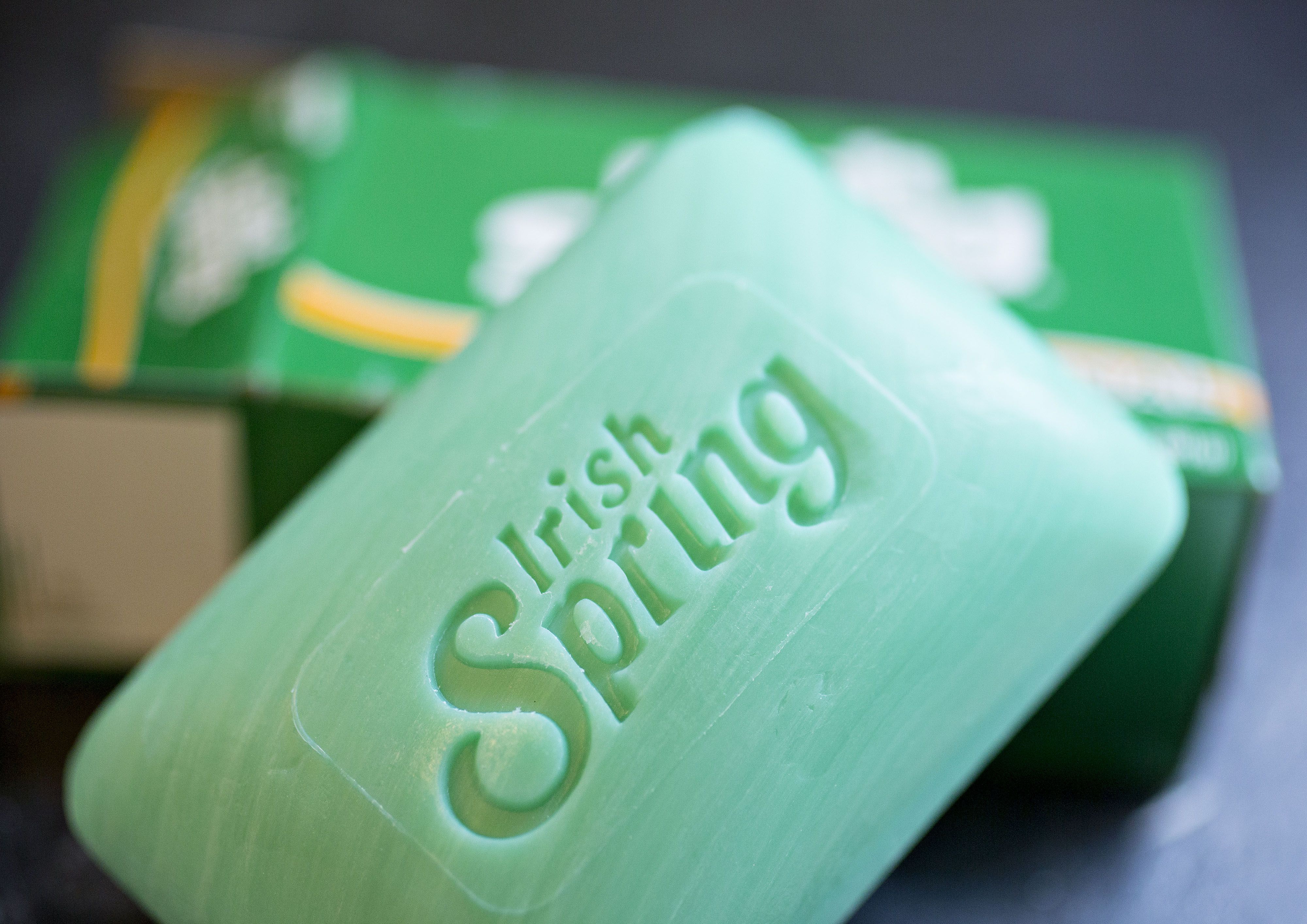
Irish Spring soap has spent decades doing one very straightforward job: helping people smell clean. But if you ask enough homeowners, crafters, gardeners, and “I can fix that with whatever is in the junk drawer” types, you will hear the same thing over and over again: that bright green bar has a surprisingly busy second life outside the shower.
The reason is not magic. It is scent, texture, and convenience. Irish Spring is strongly fragranced, easy to tuck into small spaces, simple to rub onto surfaces, and cheap enough that most people do not mind sacrificing a bar for a household hack. That makes it useful in closets, bathrooms, sewing kits, workshops, and even parts of the yard. In other words, it is one of those humble products that quietly moonlights as an overachiever.
That said, let’s keep both feet on the floorboards. Irish Spring soap is not a miracle product, not a substitute for real repairs, and definitely not a replacement for proper pest control when you have an actual infestation. But for quick, practical, around-the-house jobs? It can be oddly handy. Below are seven unexpected ways to use Irish Spring soap around the house, plus smart tips on when each trick works best, when it does not, and how to avoid turning a clever hack into a soapy mess.
1. Freshen Drawers, Closets, Suitcases, and Shoes
This is probably the easiest and least controversial use for Irish Spring soap around the house. If you have ever opened a dresser drawer and been greeted by the vague smell of old cotton, forgotten winter, and disappointment, a bar of scented soap can help. The trick is simple: unwrap the bar, place it in a breathable pouch, old sock, muslin bag, or thin washcloth, and tuck it into a drawer, closet shelf, suitcase, gym bag, or mudroom shoe bin.
Because the space is enclosed, the fragrance lingers gently rather than punching everyone in the face the second they walk by. It is a low-tech way to make stored linens, sweaters, or guest towels smell fresher without spraying perfumes directly onto fabric. It can also help with musty suitcases that spend eleven months a year thinking about vacation but not actually going anywhere.
Why it works
Bar soap slowly releases fragrance in a small enclosed space. Unlike some air fresheners, it does not require batteries, plugs, or a chemistry degree to understand.
Best places to try it
Dresser drawers, linen closets, entryway shoe cabinets, storage bins, guest room closets, and infrequently used luggage are all fair game.
One smart caution
Do not place the soap directly on delicate fabrics like silk, satin, or specialty finishes. Keep it wrapped in breathable fabric so you get the scent without risking residue.
2. Help Sticky Drawers, Squeaky Doors, Stubborn Locks, and Fussy Zippers Behave
When something in your house refuses to glide, slide, or shut up, a dry bar of Irish Spring can be a surprisingly decent temporary helper. Rub a little soap along the runners of a sticky wooden drawer, the edge of a sticking door, the teeth of a zipper, or even a key before inserting it into a stubborn lock. In many cases, the surface becomes slick enough to reduce friction and make the hardware easier to move.
This is one of those old-school fixes that feels almost too simple to work, which is precisely why people love it. The drawer that took both hands and a prayer suddenly opens with less drama. The winter jacket zipper stops acting like it is in labor negotiations. The closet door squeak gets quieter. It is not permanent, but it is fast.
Where this trick shines
Wooden drawers, sticky windows, squeaky interior doors, backpack zippers, luggage zippers, and lightly stubborn locks are common candidates.
When not to use it
If a lock is seriously jammed, a drawer track is broken, or a door is badly misaligned, soap is not a repair. It is a short-term workaround. Real hardware problems still need real fixes.
3. Use It as a Quick Anti-Fog Hack for Bathroom Mirrors
Few things are more annoying than stepping out of a hot shower, trying to look like a functional adult, and finding only a cloud where your reflection should be. One classic household trick is to rub a dry bar of soap over a clean, dry mirror, then buff it thoroughly with a soft dry cloth. Done properly, that thin layer can help reduce fogging for a while.
Irish Spring is especially popular for this because it is firm, easy to handle, and widely available. The effect is not permanent, and the mirror needs to be buffed well so it does not look streaky, but it can buy you time on busy mornings when the bathroom is operating like an airport terminal before the holidays.
How to do it well
Start with a clean, completely dry mirror. Rub the bar lightly across the surface, then buff until the haze disappears. The goal is a very thin film, not a mural made of soap.
Good places to try it
Bathroom mirrors are the obvious choice, but some people also use the trick on eyeglasses, sunglasses, and small vanity mirrors. Test carefully first, especially on specialty coatings.
4. Hide Tiny Nail Holes Until You Can Patch Them Properly
If you have ever taken down a gallery wall, moved a mirror, or lost a decorating argument with yourself, you know the little crater problem. Tiny nail holes left in drywall can make a wall look oddly shabby, even when the room is otherwise spotless. In a pinch, Irish Spring soap can serve as a temporary camouflage trick.
You simply rub the bar over a very small hole until it fills enough to be less visible. It is not a substitute for spackle, sanding, and paint. It is more like the sweatpants of wall repair: not formal, but useful when company is coming in ten minutes.
When it works best
This trick is best for tiny nail holes, not anchors, gouges, or cracked drywall. Think “small picture hook” rather than “someone lost a battle with a doorknob.”
Important caution
Color matters. A green bar may show on pale walls, while a white or light soap bar blends better on lighter paint. Either way, treat it as temporary until you can do the repair the right way.
5. Make Small DIY Projects Easier in the Workshop or Around the House
Bar soap is one of those underrated little helpers in basic home improvement. If you are driving screws into wood, lightly coating the threads with soap can make them go in more smoothly. If you need a temporary visible guide for a cut line, a dry bar can mark wood in a way that is easier to remove than some pencils or chalk. Some DIYers even rub soap on a saw blade to help it move a bit more smoothly through material.
This is not the sort of trick that lands anyone on a home improvement show, but it is the kind that makes small projects less annoying. And honestly, less annoying is the true spirit of home maintenance.
Useful examples
Assembling flat-pack furniture, starting screws in tight wood, marking quick cut lines, and making hand-tool work a little smoother are all good uses.
Keep expectations realistic
Soap is a helper, not a substitute for proper tools, good alignment, or correct technique. If a screw keeps splitting wood, the answer may be a pilot hole, not more soap and louder determination.
6. Turn It into a Sewing-Room Sidekick
Not every useful household hack lives in the kitchen or garage. Irish Spring can also earn its keep in a sewing basket. A bar of soap can be used to mark hems and seam lines on some fabrics, especially when you need a temporary guide that brushes or washes away. It can also double as a makeshift pincushion: store pins and needles right in the bar, and they may glide through fabric more easily afterward.
This is the kind of trick that feels delightfully vintage, like something learned from a grandparent who also knew how to fold fitted sheets without starting a fight. It is practical, inexpensive, and oddly satisfying.
Best uses for crafters
Temporary marking, storing pins, and helping hand-sewing feel a bit smoother are the main benefits here.
Test first
Always test on a scrap of fabric, especially with dark, delicate, or specialty materials. You want a temporary mark, not a mysterious ghost line that survives wash day and haunts your project forever.
7. Try It as a Mild Scent-Based Deer or Rabbit Deterrent in the Yard
This is the most famous Irish Spring soap hack online, and it is also the one that deserves the biggest asterisk. Some gardeners hang bars or bagged soap pieces near plants to discourage deer and rabbits with strong fragrance. In certain places and at certain times, it may help reduce browsing. In others, animals ignore it, weather wears it down quickly, or the effect fades as wildlife gets used to the smell.
That means Irish Spring soap can be worth trying as a low-cost experiment, especially around ornamental beds, hostas, tulips, or vulnerable shrubs, but it should not be treated like a guaranteed shield. If deer pressure is high, you will usually need stronger solutions such as fencing, rotation of repellents, plant choices, or more formal pest management strategies.
How to try it
Put the soap in a mesh bag or breathable pouch and hang it near the plants you want to protect. Some people use small pieces around garden borders, but hanging tends to be neater and easier to replace.
What to remember
Rain, irrigation, heat, and time reduce the effect. If animals in your area are bold, hungry, or already very comfortable around people, this trick may do very little. Think of it as a “maybe helpful” layer, not a stand-alone plan.
What Makes Irish Spring So Handy for Household Hacks?
The answer comes down to a few practical qualities. First, it has a strong, recognizable scent, which makes it useful in enclosed spaces and explains why some people try it as a fragrance-based deterrent outdoors. Second, it is firm enough to rub onto mirrors, hardware, wood, or small repair spots without disintegrating instantly. Third, it is inexpensive and easy to replace, which matters when the goal is a quick household fix rather than a fancy specialty product.
In other words, Irish Spring soap is not secretly a toolbox. It just happens to be one of those everyday items with enough texture, scent, and durability to solve a surprising number of small problems. That is why the bar ends up in drawers, garages, sewing kits, bathrooms, and garden sheds instead of staying in the soap dish where it apparently began its career.
Final Thoughts
If you only know Irish Spring as body soap, you are missing at least half the fun. Around the house, it can freshen musty storage areas, help sticky drawers cooperate, calm down a foggy mirror, disguise a tiny wall blemish, make small DIY jobs easier, support sewing projects, and possibly help discourage deer or rabbits in the yard. That is a respectable résumé for a bar that costs less than many coffees.
The smartest way to use these Irish Spring soap hacks is to think of them as practical little assists, not miracle cures. Use them where they make sense, test them on small areas first, and keep your expectations human-sized. Your home may not become a magazine spread overnight, but it might smell fresher, move more smoothly, and make you feel just a little more clever. And for a humble green bar of soap, that is not bad at all.
More Real-World Experiences with Irish Spring Soap Around the House
One reason these Irish Spring soap hacks keep circulating is that they feel believable the moment you try them. Homeowners who tuck a bar into a linen closet usually notice the same thing first: the scent does not behave like a spray air freshener. It is softer, steadier, and less “hello, I am a chemical thunderstorm” than many plug-ins. The closet simply smells cleaner when you open it. That experience is especially noticeable in guest rooms, coat closets, and dresser drawers that stay closed most of the week and only get opened when someone visits or the weather suddenly decides it is sweater season again.
Another common experience shows up with sticky drawers and zippers. People are often skeptical until the first time a stubborn drawer stops fighting back. The difference is usually not dramatic enough to make angels sing, but it is noticeable enough to make you mutter, “Well, I’ll be.” The same goes for bag zippers, jacket zippers, and old closet doors. What people tend to appreciate most is not perfection. It is relief. The thing that was annoying five minutes ago is now less annoying, and in busy households, that counts as a small emotional victory.
In bathrooms, the mirror trick gets mixed but interesting reactions. People who buff the soap thoroughly usually report better results than those who rush through it and leave a cloudy film behind. That is the whole secret: patience. When it is done carefully, the mirror often stays clearer after a hot shower, which feels weirdly luxurious for something involving an ordinary bar of soap. When it is done badly, the mirror looks like it lost a duel with a toddler. So the experience here tends to teach a useful lesson: simple hacks still need proper technique.
The wall-hole trick gets the most “I cannot believe that worked” response, mostly because it is so obviously a temporary cheat. People use it before guests arrive, before apartment inspections, or right after redecorating when they do not feel like dragging out a whole patch-and-paint kit. It is the household equivalent of throwing a jacket over a chair full of laundry. Is it the official solution? Absolutely not. Does it buy you time? Very often, yes.
Garden experiences are where the stories become less consistent and more entertaining. Some people swear the scent helps keep deer or rabbits from nibbling tender plants. Others report that local wildlife appears to view the soap as an intriguing outdoor appetizer. The shared lesson is that results depend heavily on climate, animal pressure, rainfall, and how determined the critters are. In practical terms, people who see the best outcomes usually treat soap as one layer in a broader strategy, not the whole playbook.
Crafters and DIYers often end up being the biggest fans of all. A bar that can mark fabric, hold pins, ease screws, and freshen a storage tote feels like a tiny household overachiever. That is probably the real appeal of Irish Spring soap around the house. It is not glamorous, but it is useful in a way that feels clever, thrifty, and just a little old-school. And sometimes the most satisfying home hacks are not the flashy ones. They are the ones that quietly solve small problems before those small problems become the reason you need a snack and a nap.