There are two kinds of home design choices: the ones that make you smile every time you walk into a room, and the ones that make you mutter, “Why did I do this to myself?” while scrubbing toothpaste from a weird sink seam at 10:17 p.m. If you’ve ever fallen in love with a trend because it looked amazing in a photo, only to realize later that photos do not cook dinner, mop floors, raise toddlers, or clean grout, welcome. You are among friends.
Across Reddit, homeowners have been unusually honest about the design decisions they wish they could undo. And honestly? Their regrets are useful. They reveal a pattern that shows up in real life over and over again: the features people regret most are not always the ugliest ones. They are the ones that make daily life more annoying. The sink that splashes. The floor that shows every footprint. The door that looks chic but offers the privacy of a dramatic curtain. In other words, the problem is rarely style alone. The problem is when style wins a cage match against function.
Here are seven home design decisions Redditors say they deeply regretted, plus the practical lesson hiding behind each one.
1. Above-Mount and Vessel Sinks That Turn Everyday Cleanup Into a Side Quest
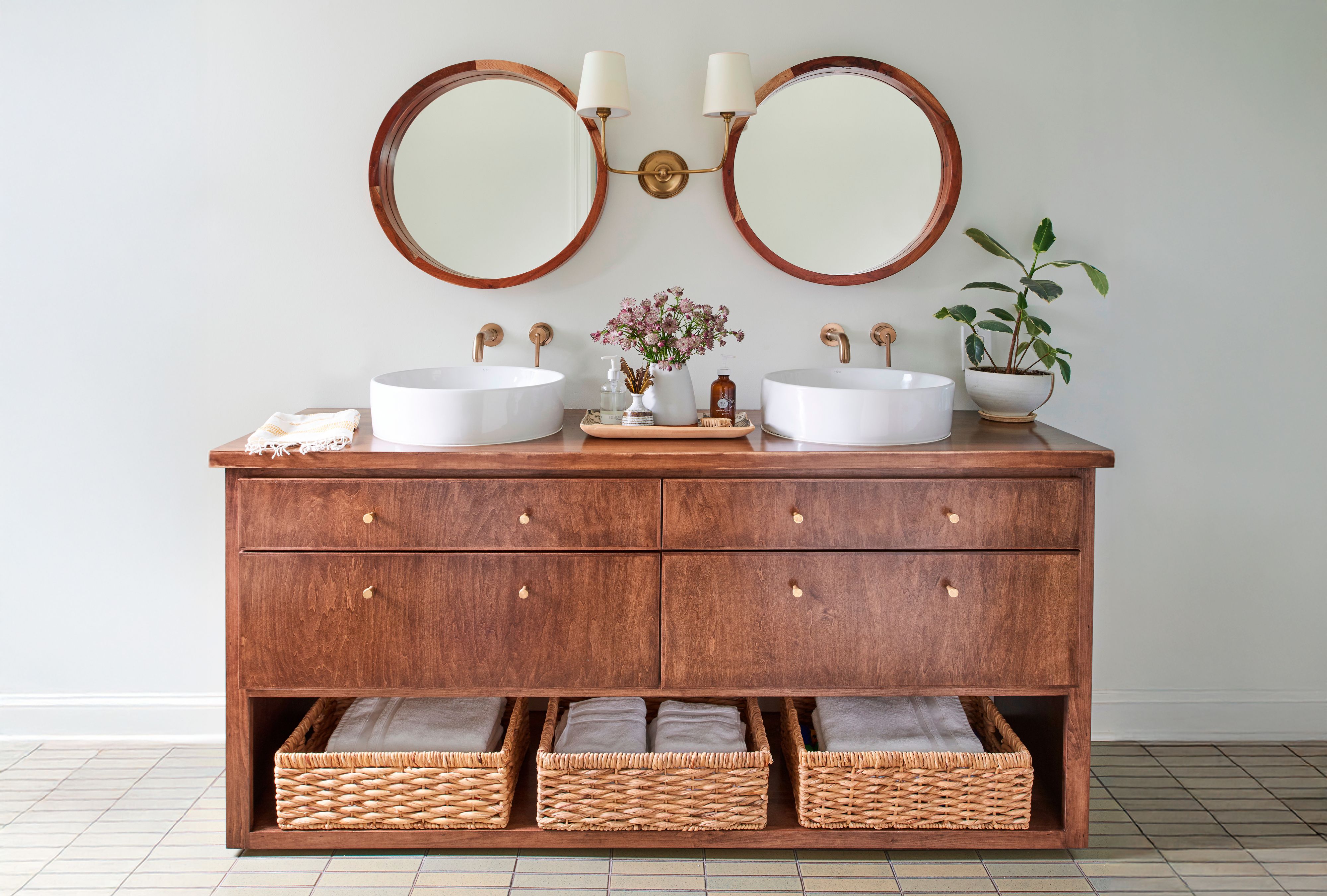
Vessel sinks are the peacocks of the bathroom world. They are sculptural, eye-catching, and almost aggressively photogenic. On day one, they can make a vanity look high-end and custom. By month six, they can also make a grown adult question their life choices while trying to clean the grimy ring where the sink meets the countertop.
Why homeowners regret them
One of the biggest complaints is cleanup. Because the bowl sits on top of the counter instead of integrating neatly into it, water, soap residue, and mystery gunk love to collect around the base. Many homeowners also say these sinks are splashier than expected, especially when paired with high-arc faucets or enthusiastic water pressure. And because the bowl rises above the vanity, it can feel awkward for kids and shorter adults to use comfortably.
There is also the countertop issue. In a large bathroom, sacrificing some surface area may be no big deal. In a smaller bath, though, a vessel sink can eat up precious real estate that should be holding things like hand soap, skincare, or your emergency hair tie collection.
A better way to think about it
If you want a bathroom that is easy to wipe down in under two minutes, an undermount sink is usually the quiet hero. It is not flashy. It is not trying to become an influencer. It just works. If you truly love the statement look of a vessel sink, it makes more sense in a low-traffic powder room than in the bathroom where everyone rushes through their morning routine like it is an Olympic event.
2. Cabinets That Don’t Go to the Ceiling and Create a Dusty No-Man’s-Land
This one seems minor until you live with it. A gap between the tops of kitchen cabinets and the ceiling may not feel like a big deal during a remodel. In a showroom, it looks airy. In real life, it becomes a weird upper shelf for grease, dust, and decorative baskets you will stop caring about approximately nine days after installation.
Why homeowners regret them
Redditors regularly complain that this space becomes disgusting faster than expected. Kitchens generate grease and dust like it is a hobby. Once grime settles up there, cleaning it is awkward, unpleasant, and somehow always delayed until right before guests arrive. That empty gap also wastes storage in one of the hardest-working rooms in the house.
What looked like a harmless design choice often becomes a daily reminder that there is never enough storage, especially once small appliances, seasonal serving pieces, and bulk groceries start multiplying. Which they always do. Nobody begins with six reusable water bottles on purpose.
A better way to think about it
Ceiling-height cabinets are not just about looks. They are about using vertical space intelligently. If full-height cabinetry is not in the budget, consider a soffit, a shallow top cabinet row, or a deliberate finished solution that is easier to clean. The real goal is simple: do not create a grease museum above your cabinets.
3. Poorly Placed Electrical Outlets That Make a Modern Home Feel Weirdly Inconvenient
Nothing kills the fantasy of your dreamy renovated kitchen faster than realizing there is nowhere sensible to plug in a mixer, coffee grinder, phone charger, lamp, vacuum, or toothbrush. A beautiful room with bad outlet planning is like a luxury car with square wheels. Technically impressive. Practically annoying.
Why homeowners regret them
Redditors often say they did not think enough about outlet placement until after they moved through the space in real life. Then came the extension cords, the awkward furniture rearranging, the kitchen island with no convenient power, and the bathroom where one lonely outlet was expected to support half of human civilization before 8 a.m.
This regret hits especially hard in kitchens, offices, and bathrooms because those rooms now handle more devices than they did even a few years ago. People need power for appliances, charging, task lighting, and hidden utility items. A room can look streamlined on paper and still function terribly if it does not reflect how people actually live.
A better way to think about it
When planning a renovation, walk through each room mentally from morning to night. Where do you make coffee? Where do you charge devices? Where does the vacuum live? Where will a lamp, mixer, monitor, bidet seat, or hair dryer plug in? Add outlets where your routines happen, not just where the blueprint looks tidy. Few homeowners regret having too many useful outlets. Plenty regret pretending they are still living in 1998.
4. Glossy or Shiny Flooring That Looks Glamorous Until Someone Actually Walks on It
Glossy floors can be stunning. They reflect light beautifully, add drama, and make a room feel polished in every sense of the word. Unfortunately, they are also the flooring equivalent of wearing white pants to a spaghetti dinner.
Why homeowners regret them
Homeowners say shiny floors show everything. Footprints. Dust. Pet hair. Water spots. Smudges. Tiny scratches. The emotional residue of having children. Dark glossy surfaces are especially unforgiving because every speck seems to glow under natural light. In bathrooms and other wet areas, glossy finishes can also become slippery, which is significantly less fun than it sounds.
The regret is not just about cleaning more often. It is about feeling like the room never truly looks clean unless nobody lives there. That gets old fast. A floor should support your life, not stage a daily performance review of your housekeeping standards.
A better way to think about it
Matte, textured, or lower-sheen finishes are usually easier to live with. In high-traffic rooms, homeowners tend to be happier with surfaces that hide wear a little better and offer more traction. If you want a dramatic dark floor, think carefully about your tolerance for visible dust and maintenance. A moody look can be gorgeous, but it should not require the sweeping schedule of a museum curator.
5. Choosing Trends Over Livability Because the Photo Looked So Good
This regret is less about one object and more about a mindset. It is the “but it looked amazing online” category. Floating shelves everywhere. Minimalist kitchens with barely any upper storage. Ultra-open layouts that erase walls, boundaries, and sometimes sanity. All-white rooms that are gorgeous for exactly fourteen seconds after cleaning.
Why homeowners regret them
The common thread is that these choices often privilege visual simplicity over real-life complexity. Open shelving can look airy and stylish, but it also asks you to keep everything curated, organized, and dust-free. Minimalist storage sounds elegant until cereal boxes, lunch containers, snack bins, water bottles, and a stand mixer need to exist somewhere. Open-concept layouts can feel spacious, but they also broadcast mess, noise, and every single kitchen sound to the rest of the house.
Then there is the issue of white-on-white design. Many homeowners love how bright and clean it feels at first. Later, some realize it can feel sterile or high-maintenance, especially in rooms where people actually cook, spill, smear, splash, or simply exist in a non-magazine way.
A better way to think about it
The smartest homes balance beauty with friction-free living. That might mean using some open shelving instead of all open shelving. It might mean keeping an open plan but preserving one or two separations for privacy, storage, or sound control. It might mean warming up an all-white scheme with wood, texture, practical finishes, and closed storage. A home does not need to look less stylish to feel more livable. It just needs to stop pretending nobody eats crackers on the couch.
6. Cheap Fixtures and Hardware That Seemed Like a Bargain Until They Started Failing
There is a dangerous point in every renovation where the budget starts looking suspiciously fragile, and suddenly the temptation appears: maybe you can save money on the faucet, the pulls, the door hardware, the sconces, the shower trim, the light switches, the things that seem small. Sometimes that works out. Sometimes it becomes a full-blown character-building exercise.
Why homeowners regret them
Redditors often describe the same sad arc. The low-cost fixture looked fine in the box. It even looked fine installed. Then the faucet started leaking, the drawer pulls loosened, the finish wore off, the hinges sagged, the light fixture buzzed, or the whole thing just began to feel cheap much faster than expected.
The frustrating part is that these are the items people touch constantly. Door handles, faucets, cabinet hardware, switches, and lighting are tiny daily interactions that shape how a home feels. When they are flimsy, you notice. Not in an abstract design sense. In a “why is this knob in my hand again?” sense.
A better way to think about it
You do not need the most expensive hardware in the building supply universe, but high-touch items are rarely the best place to cut corners. Spend where failure will be annoying, messy, or expensive to fix later. Good hardware does not scream for attention. It simply survives your actual life, which is honestly a beautiful quality in both homes and people.
7. Barn Doors on Bathrooms That Offer Style, Drama, and Almost No Privacy
The interior barn door had a serious moment, and in the right place it can still work. On a pantry? Sure. On a laundry room? Maybe. On a bathroom where people would prefer sound control, visual privacy, and dignity? That is where the regret parade begins.
Why homeowners regret them
Barn doors typically do not seal tightly against the frame, so they are not great at blocking noise, smell, or light. They can also be loud on the track, require adjacent wall space to slide open, and sometimes interfere with switches, art, or furniture placement. In other words, they often solve one problem while creating three new ones.
For a bathroom, that trade-off tends to feel especially bad. This is one room in the house where “kind of private” is not really the goal. A bathroom door should not feel like a design experiment in social trust.
A better way to think about it
If space is tight, look at well-designed pocket doors or compact swing solutions before defaulting to a barn door. If you do use a barn door, place it somewhere privacy matters less. The best design choice is often the one that lets people use the room without hearing a full audio documentary from the hallway.
What These Regrets Really Have in Common
At first glance, these regrets seem unrelated. A sink is not a floor. A cabinet gap is not a barn door. But together, they point to the same bigger truth: homeowners regret design decisions when they underestimate maintenance, overestimate their future tolerance for inconvenience, or choose a trend without stress-testing it against real life.
The questions that matter most are not always glamorous. How easy is this to clean? Will it age well? Where will the clutter go? What happens when kids, pets, guests, spills, steam, and noise enter the picture? Will this room still work on a rushed Tuesday morning, not just on reveal day?
If a design choice only works when the house is spotless, silent, and inhabited by two beautifully dressed adults who own exactly four matching bowls, it may not be a design choice. It may be a fantasy novel.
Experience-Based Lessons Homeowners Keep Learning the Hard Way
One of the most relatable patterns in these home design regrets is how often the trouble starts small. A homeowner notices that the vessel sink splashes a little. Then a little becomes every morning. Then every morning becomes a permanent ring of water spots and a stack of paper towels living next to the faucet like they pay rent. The problem is not catastrophic. It is just relentless. And that is exactly why people regret it so deeply.
Another common experience shows up in kitchens that were designed to look sleek rather than support messy human behavior. A couple might remove upper cabinets to get a cleaner visual line, add floating shelves for charm, and leave a gap above the remaining cabinets because it feels lighter. Six months later, they have nowhere to put bulk groceries, the shelves need constant styling, and the top of the cabinets has become a greasy dust zone no one wants to touch. The kitchen still photographs beautifully. It just does not cooperate with actual cooking.
Families with children seem to run into a special kind of regret: choosing finishes and layouts that assume everyone in the house moves carefully and wipes every surface immediately. Glossy floors are a perfect example. They can look luxurious when the room is empty, but once kids and pets start racing through the house, every footprint and smudge becomes visible. The floor starts behaving less like flooring and more like a public accusation. Parents often discover that what they wanted was not maximum shine. What they really wanted was a surface that still looked decent at 7:45 p.m. after a normal day.
Then there are homeowners who realize too late that privacy and acoustics are not optional features. Barn doors on bathrooms sound clever until somebody actually uses the bathroom. Ultra-open floor plans feel spacious until one person is on a work call, one is blending a smoothie, one is watching television, and someone else is trying to pretend the kitchen mess is not visible from every angle. A home can absolutely be open and social, but people still need doors, quiet zones, and places where real life can disappear for a minute.
Budget regrets also have a way of sneaking up on people. Cheap hardware, low-cost faucets, and bargain fixtures often feel like smart savings during the renovation itself. But the homeowner experience later is usually the part nobody puts in the mood board: the loose handle, the leaky faucet, the peeling finish, the replacement search, the extra plumber visit, the irritation of fixing something that should have lasted. Saving a little up front can feel satisfying. Replacing the same item twice does not.
Perhaps the most valuable experience of all is this: homeowners rarely regret making a room more functional. They regret making it harder to clean, harder to store things, harder to move through, harder to plug into, and harder to live in. The most successful homes are not the ones that chase every trend. They are the ones that quietly support daily routines so well that nobody has to think about the design at all. That is the sweet spot. When a room looks good, works hard, and does not ask you to baby it, that is not boring design. That is design that actually loves you back.
Conclusion
Reddit’s most regretted home design decisions all point to one practical truth: what looks beautiful in theory can become wildly annoying in practice. The features homeowners regret most are rarely the boldest or most expensive. They are the ones that add friction to daily life. The splashy sink. The dust-trap cabinet gap. The noisy barn door. The glossy floor that tattles on every footprint. The lesson is not to fear trends. It is to interrogate them. Ask how they clean, how they wear, how they sound, and how they function on an ordinary day. A great home is not just stylish. It is forgiving, useful, and comfortable enough to survive real people doing real things in real rooms.
Note: This article is original web-ready copy written in standard American English and based on real homeowner experiences and expert home-design guidance, with unnecessary citation artifacts removed for publication.