Fresh flowers have a sneaky way of turning an ordinary room into a place that suddenly feels thoughtful, cheerful, and a little more grown-up. A vase of roses on the dining table says, “Yes, I absolutely have my life together,” even if there is a laundry pile hiding in the next room. But then, three days later, the same bouquet starts leaning over like it has just read bad news. Petals droop, water turns cloudy, and the whole arrangement begins its dramatic farewell tour.
The good news is that cut flowers are not doomed to a short, sad career. With the right care, many bouquets can stay attractive for several extra days, and some hardy flowers can last well over a week. The secret is not magic. It is water, cleanliness, temperature control, smart trimming, and a tiny bit of flower nutrition. In other words, your bouquet does not need a spa retreat. It just needs you to stop treating the vase like a decorative swamp.
This guide explains six practical ways to keep cut flowers fresh longer, using easy steps that work for store-bought bouquets, farmers market flowers, and blooms clipped from your own garden. You will also find common mistakes to avoid, specific examples for popular flowers, and real-life experience tips at the end to help your arrangements look fresh without turning flower care into a full-time job.
Why Cut Flowers Wilt So Quickly
Once flowers are cut from the plant, they lose access to the root system that normally supplies water and nutrients. From that moment on, the vase becomes their entire world. If the water is dirty, the stems are blocked, the room is hot, or leaves are rotting below the waterline, the flowers cannot hydrate properly. That is when wilting begins.
The main enemies of fresh cut flowers are bacteria, dehydration, heat, and ethylene gas. Bacteria multiply in dirty water and clog the stems, making it harder for flowers to drink. Heat speeds up aging. Ethylene gas, which is released by ripening fruit and some decaying plant material, can cause petals to fade or drop sooner. And when stems are not cut correctly, they may seal over or sit flat against the vase bottom, limiting water uptake.
The best flower care routine focuses on solving these problems before they turn your bouquet into compost with a ribbon. Here are the six most reliable ways to extend vase life.
1. Start With a Clean Vase
If you do only one thing before arranging flowers, make sure the vase is clean. A vase that looks “mostly fine” may still contain bacteria from the last bouquet. That invisible buildup can quickly cloud the water, create an unpleasant smell, and shorten the life of your flowers.
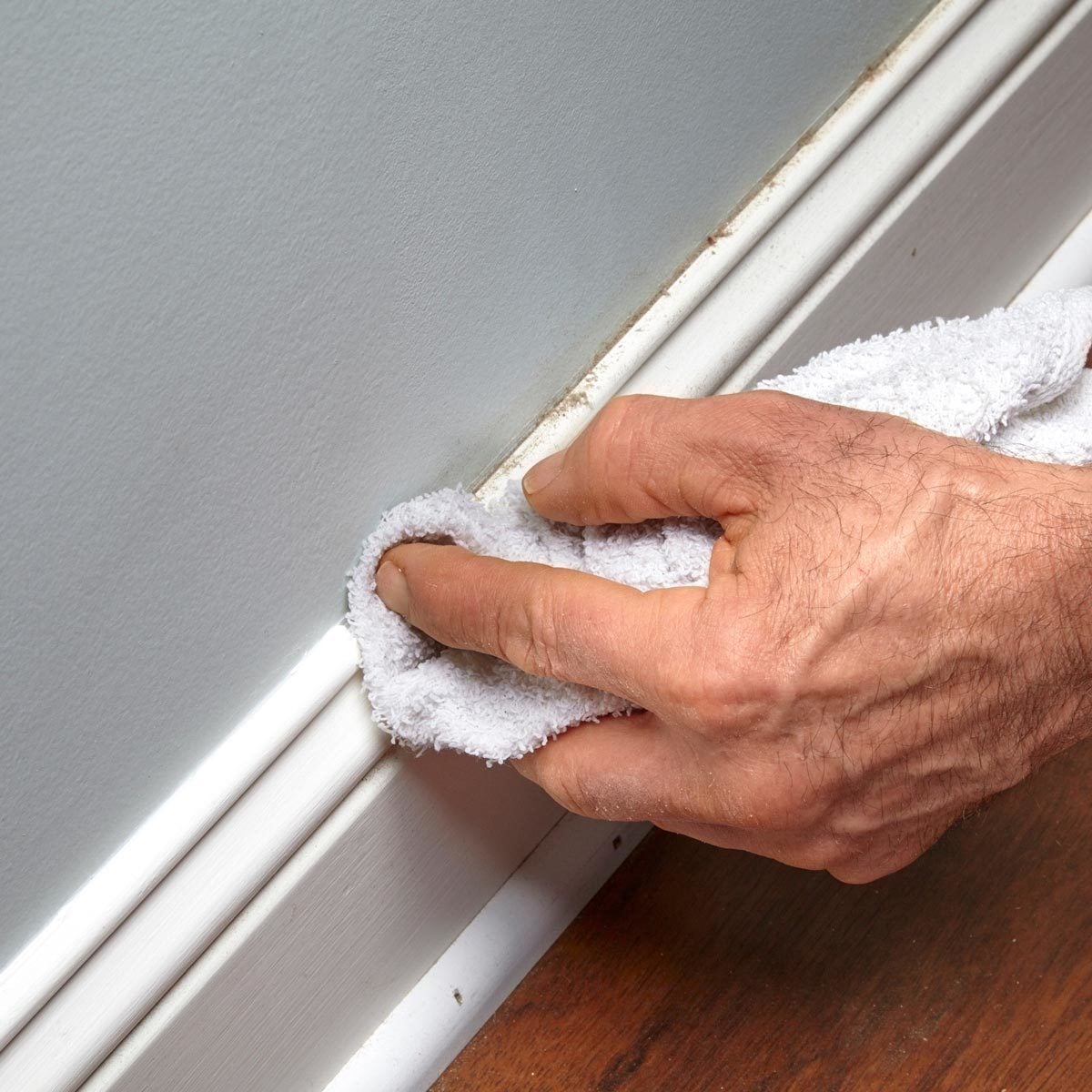
Wash the vase with hot, soapy water and rinse it well before adding fresh water. If the vase has a narrow neck, use a bottle brush to scrub the inside. For stubborn residue, a small amount of diluted household bleach can help sanitize the glass, but rinse thoroughly afterward. The goal is simple: give the stems a fresh, clean place to drink.
Why vase cleanliness matters
Cut stems take up water through tiny channels. When bacteria grow in the vase, they can clog those channels and reduce hydration. Once that happens, the flower may wilt even if the vase is full. This is why a clean vase often makes a bigger difference than any clever flower hack.
Quick example
Imagine two identical bunches of tulips. One goes into a freshly washed vase. The other goes into a vase that held flowers last week and was only rinsed with water. The second bouquet is more likely to develop cloudy water and droopy stems faster because it starts with more bacteria in the environment.
2. Trim the Stems Before They Go Into Water
Freshly trimmed stems absorb water more efficiently. Before placing flowers in the vase, cut about half an inch to one inch from the bottom of each stem. For most flowers, cut at a 45-degree angle using clean, sharp scissors, floral snips, or a knife. A sharp cut is important because crushed stems cannot drink well.
An angled cut gives the stem more surface area for water uptake and helps prevent the stem from sitting flat against the bottom of the vase. If the stem rests flat, it may block its own drinking channel like a straw pressed against the bottom of a glass.
Should you cut stems under water?
For delicate or very thirsty flowers, cutting stems under water can help prevent air bubbles from entering the stem. Air bubbles can interfere with water movement. This step is especially useful for flowers that wilt quickly after cutting, such as hydrangeas or garden roses.
How often should you re-cut stems?
Re-trim the stems every two or three days when you change the water. This refreshes the cut surface and helps the flowers keep drinking. It may feel like a tiny chore, but it is one of the easiest ways to keep a bouquet looking lively.
3. Remove Leaves Below the Waterline
Leaves belong above the water, not soaking below it like salad in a forgotten lunchbox. Any foliage that sits under the waterline will begin to decay. As it breaks down, it feeds bacteria and makes the water dirty faster.
Before arranging your bouquet, strip off leaves that would be submerged in the vase. Do this gently so you do not tear the stem. You do not need to remove every leaf from the entire stem, only the ones that would sit in water.
Why this step is easy to overlook
Many store-bought bouquets are wrapped beautifully, but they are not always vase-ready. Leaves may be tucked low on the stems, hidden by packaging, or trapped inside a mixed arrangement. Take a minute to unwrap the bouquet and inspect each stem before placing it in water.
Best practice for mixed bouquets
Mixed bouquets often contain roses, mums, carnations, greenery, and filler flowers. Each stem may have a different amount of foliage. Remove submerged leaves from all of them. One neglected leafy stem can turn clean water cloudy in a surprisingly short time.
4. Use the Right Water and Flower Food
Most bouquets benefit from clean, room-temperature water and a packet of commercial flower food. Those small packets are not decorative confetti; they usually contain a blend of sugar, acidifier, and an antimicrobial ingredient. Sugar provides energy, the acidifier helps water move through the stems, and the antimicrobial ingredient helps slow bacterial growth.
If your bouquet came with flower food, use it according to the packet directions. Do not dump the whole packet into a tiny vase unless the instructions say so. Too much flower food can be counterproductive, especially if the water volume is small.
Can you make DIY flower food?
A common homemade formula uses lemon-lime soda, water, and a very small amount of bleach. The soda provides sugar and acidity, while bleach helps control bacteria. However, commercial flower food is usually more balanced and reliable. If you use a DIY mix, measure carefully. More bleach does not mean fresher flowers; it means you have made a science experiment that may harm the bouquet.
What about pennies, aspirin, or vodka?
Flower-care folklore is full of tricks. Some are harmless, some are inconsistent, and some are overrated. Pennies are not a dependable flower food. Aspirin may slightly change water acidity, but it does not provide the complete benefits of commercial floral preservative. Vodka is sometimes suggested in tiny amounts to slow ethylene effects, but it is not necessary for everyday bouquet care. For most people, clean water plus proper flower food is the better choice.
5. Change the Water Regularly
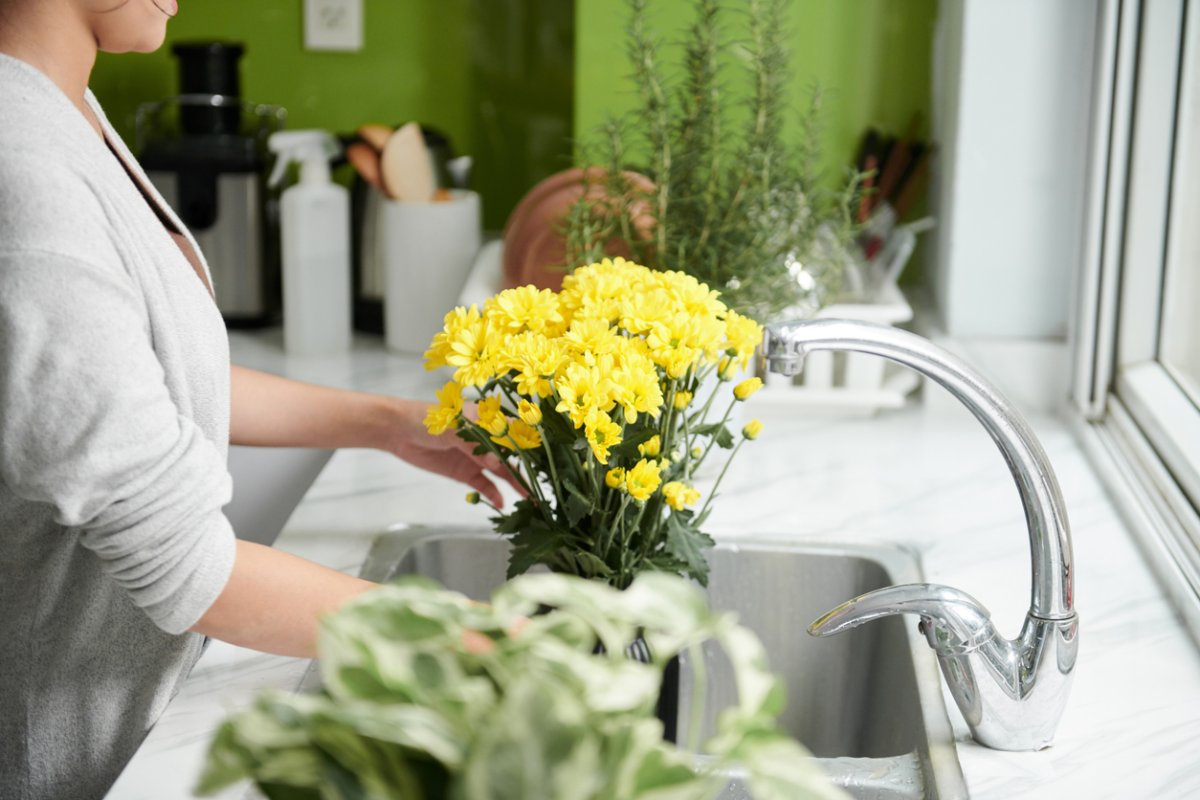
Fresh water is one of the simplest ways to make cut flowers last longer. Change the vase water every two to three days, or sooner if it looks cloudy. When you change the water, rinse the vase, remove any slimy residue from the stems, and add fresh flower food if available.
Do not just top off old water forever. That is like adding clean socks to a gym bag and declaring the whole thing fresh. Topping off can help between full changes, but old water still contains bacteria and decaying plant material. A full refresh keeps the environment healthier.
How much water should be in the vase?
Most flowers need enough water to cover several inches of stem. However, some flowers with soft, hollow, or watery stems, such as tulips and calla lilies, may do better with a lower water level to reduce stem rot. Check the vase daily because thirsty flowers can drink more water than expected, especially during the first day or two.
Signs the water needs changing now
Change the water immediately if it smells bad, looks cloudy, has floating debris, or feels slippery around the stems. These are signs of bacterial buildup. A fast water change can sometimes rescue flowers before they fully collapse.
6. Keep Flowers Cool and Away From Trouble
Temperature has a major effect on vase life. Cut flowers generally last longer in a cool spot away from direct sunlight, heating vents, fireplaces, appliances, and drafty windows. Heat speeds up water loss and aging, while direct sun can make petals fade and wilt faster.
Place your bouquet where you can enjoy it, but do not put it in the hottest location in the house. A sunny windowsill may look charming for five minutes, but it can shorten the bouquet’s life. The same goes for the top of a refrigerator, near a stove, or beside a blasting air vent.
Keep flowers away from fruit
Ripening fruit releases ethylene gas, which can cause some flowers to age more quickly. Keep bouquets away from bananas, apples, pears, and other fruit bowls. Your roses do not need to hang out with the bananas. They are not friends.
Should you refrigerate flowers overnight?
If you have space, placing flowers in a cool location overnight can help slow aging. Professional florists use coolers for a reason. At home, you can move the vase to a cool room, garage, or refrigerator for the night, as long as the flowers are not exposed to freezing temperatures or stored beside fruit. This trick is especially useful before an event, dinner party, or photo-worthy brunch.
Bonus Tips for Popular Cut Flowers
Roses
Roses benefit from clean water, angled stem cuts, and removal of lower leaves. If a rose head droops early, re-cut the stem and place it in fresh water. Sometimes the issue is not age but poor hydration.
Tulips
Tulips continue to grow after cutting and often bend toward light. Use a tall vase for support, keep the water clean, and place them in a cool spot. A lower water level may help prevent soft stems from getting mushy.
Hydrangeas
Hydrangeas are thirsty flowers and can wilt dramatically. Re-cut stems, remove excess leaves, and keep them well hydrated. Some gardeners dip freshly cut hydrangea stems in alum powder before arranging, while others revive wilted blooms by soaking the flower heads in cool water.
Daffodils
Daffodils release a sap that can affect other flowers. If you want to mix them with other blooms, condition daffodils separately in water for several hours first. After that, avoid re-cutting them before adding them to a mixed arrangement, because a fresh cut can release more sap.
Sunflowers
Sunflowers have sturdy personalities but still need clean water and regular trimming. Remove lower leaves and use a vase heavy enough to support their large heads. Nobody wants a sunflower arrangement that performs a dramatic table dive.
Common Mistakes That Make Cut Flowers Wilt Faster
Even a beautiful bouquet can fade quickly if it is handled the wrong way. Avoid these common mistakes:
- Using a dirty vase: Old bacteria can shorten vase life from day one.
- Leaving leaves underwater: Submerged foliage decays and dirties the water.
- Skipping the stem trim: Dry or sealed stem ends reduce water uptake.
- Placing flowers in direct sun: Heat and light can speed wilting.
- Forgetting to change water: Cloudy water is bad news for stems.
- Ignoring flower food directions: Too much or too little can reduce effectiveness.
- Keeping flowers near fruit: Ethylene gas can speed aging in sensitive blooms.
A Simple Flower Care Routine That Works
If you want a low-effort routine, follow this schedule:
Day 1
Wash the vase, add clean water and flower food, remove lower leaves, trim stems, and arrange the bouquet. Place it in a cool spot away from sun and fruit.
Day 2
Check the water level. Top it off if needed. Remove any petals or leaves that have fallen into the vase.
Day 3
Change the water completely, rinse the vase, re-cut the stems, and add fresh flower food if available.
Day 5 and beyond
Repeat the water change and stem trim every two to three days. Remove fading flowers from the arrangement so they do not affect the fresher stems.
This routine takes only a few minutes, but it can add noticeable life to your bouquet. It also keeps the arrangement looking intentional instead of abandoned.
Real-Life Experience: What Actually Helps Flowers Last Longer
After caring for many kinds of bouquets, from grocery-store roses to backyard zinnias, one lesson becomes clear: the boring steps work best. The internet loves dramatic flower hacks, but the biggest difference usually comes from clean water, clean tools, fresh stem cuts, and a cool location. It may not sound exciting, but neither does brushing your teeth, and yet here we are, trusting the basics.
One of the most common experiences with cut flowers is buying a bouquet that looks perfect at the store, bringing it home, and watching it wilt by the next morning. Usually, the problem starts before the flowers even reach the vase. They may have been out of water too long, wrapped tightly in plastic, or placed near heat during transportation. That is why the first hour at home matters. Unwrap the bouquet, trim the stems, remove low leaves, and get the flowers into water quickly. Treat them like guests who have traveled all day and need a drink immediately.
Another practical experience: vase size matters more than people think. A cramped vase squeezes stems together, limits airflow, and makes it harder to remove decaying leaves. A vase that is too short may fail to support tall flowers, causing bent stems and drooping heads. For roses, lilies, and sunflowers, a taller vase often helps the arrangement stay upright. For tulips, a vase with some height gives them support as they continue to stretch and curve.
Water level is another detail learned through trial and error. Some bouquets seem to drink like marathon runners after a desert race, especially roses, hydrangeas, and sunflowers. If you fill the vase once and ignore it, the stems may be sitting in shallow water by the next day. Checking the level daily is a small habit that prevents surprise wilting. On the other hand, soft-stemmed flowers can suffer if too much of the stem sits in water for too long. Watching how the stems behave helps you adjust.
Mixed bouquets also teach an important lesson: not all flowers age at the same speed. Carnations and chrysanthemums may look fresh long after delicate roses or gerbera daisies begin to fade. Instead of throwing away the whole bouquet, remove the tired stems and rearrange the survivors in a smaller vase. This refreshes the display and can give you several more days of color. A large arrangement can become a medium arrangement, then a cute little bud vase. That is not failure; that is floral recycling with style.
Garden-cut flowers bring their own experience. Cutting in the early morning usually produces better results because the stems are hydrated and the temperature is cooler. Carrying a bucket of water into the garden is helpful, especially for flowers that wilt quickly. Cut, place in water immediately, and let the stems condition in a cool place before arranging. This step can make homemade bouquets look much more professional.
Finally, location can make or break vase life. A bouquet on a sunny table may photograph beautifully, but it may not last as long as one placed in bright, indirect light. If you want flowers on display for a special dinner, keep them somewhere cool during the day and move them to the table shortly before guests arrive. Flowers do not need to suffer under a spotlight all afternoon just to look pretty at 7 p.m.
The best overall experience is this: do the simple things consistently. Clean vase. Fresh water. Trimmed stems. No underwater leaves. Cool room. No fruit bowl nearby. Follow that routine, and your bouquet has a much better chance of staying fresh, upright, and charming instead of becoming a petal confetti situation by midweek.
Conclusion
Keeping cut flowers fresh longer is not complicated, but it does require a little attention. Start with a clean vase, trim the stems, remove leaves below the waterline, use flower food, change the water regularly, and keep the arrangement cool. These six habits solve the biggest problems that shorten vase life: bacteria, blocked stems, dehydration, heat, and premature aging.
Whether your bouquet came from a florist, a supermarket, a farmers market, or your own backyard, the same basic care rules apply. Flowers may be delicate, but they are not impossible. Give them clean water, a fresh cut, and a comfortable spot, and they will reward you with more color, more fragrance, and fewer sad little petals on the table.
Note: This article is written as original, web-ready content based on established flower-care practices and reputable gardening and floral-care guidance. It is designed for informational publishing and does not include unnecessary citation placeholders or copied source text.