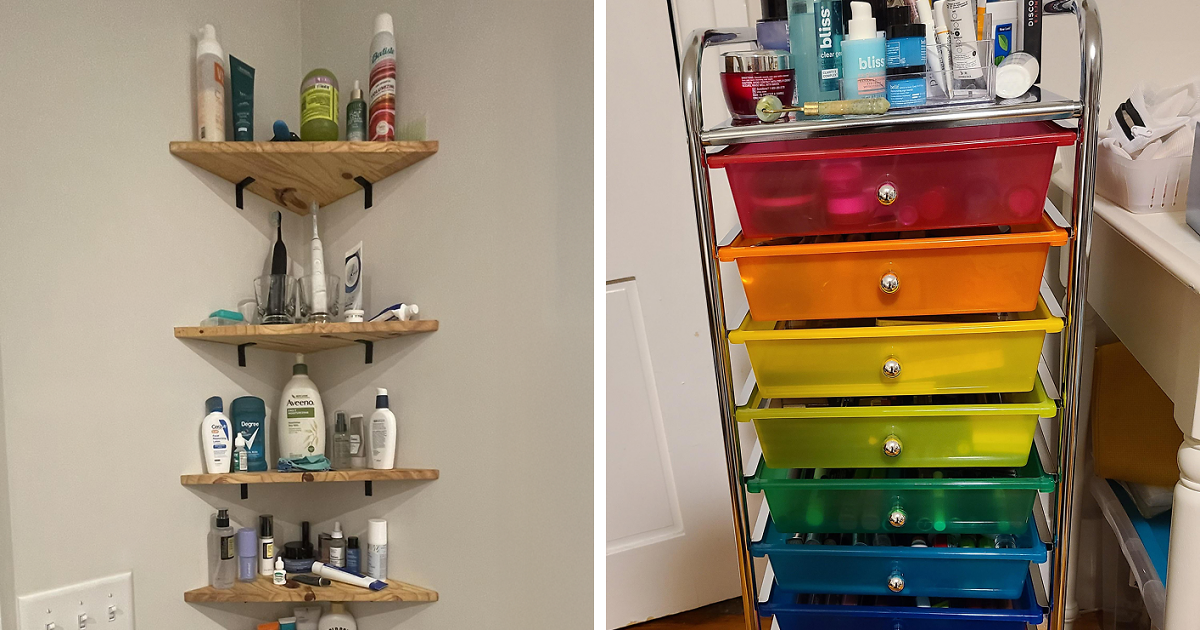
Your home does not need to look like a magazine spread where nobody has ever opened a cereal box. It just needs to work better. That is the magic of smart home organization ideas: they do not merely make a room look tidier for five glorious minutes. They change how you move, clean, cook, get dressed, and stop asking, “Wait… where did I put that?” for the hundredth time this week.
The best decluttering tips are not about buying a rainbow of bins and calling it a personality. They are about creating simple systems that make everyday life easier. Think less “Pinterest pressure,” more “I can actually find the tape, the phone charger, and the extra paper towels without entering a mild panic.”
Below are 56 organization hacks that can help you rethink every room, maximize storage, and build a home that feels calmer, cleaner, and a whole lot easier to live in.
Before You Organize Anything, Know These 4 Rules
Good storage solutions start with a few ground rules. First, declutter before you buy containers. Otherwise, you are just spending money to organize stuff you may not even need. Second, group like items together. When similar things live together, you can see what you own and stop buying your ninth roll of packing tape. Third, use vertical space. Walls, cabinet doors, shelf risers, and the empty air above furniture are all prime real estate. Finally, make the easiest choice the default choice. If a system is annoying, nobody in the house will keep using it. Not you. Not your kids. Not even the dog, if he had thumbs.
Entryway and Living Room Organization Hacks
- Create a “landing strip” by the door. Use a tray, shallow basket, or narrow console for keys, sunglasses, wallets, and mail. When daily essentials land in the same spot, your mornings stop feeling like a scavenger hunt.
- Add hooks at grab-and-go height. Wall hooks for jackets, dog leashes, and tote bags beat the “chair pile” every time. Hooks are especially useful in small-space storage because they use vertical space instead of floor space.
- Use a shoe cabinet instead of an open shoe pile. A slim cabinet keeps visual clutter down and frees up valuable floor space in tight entryways.
- Give every family member one basket. Toss random items into a personal catch-all basket for a quick reset. It is one of the easiest home organization ideas for busy households.
- Hide blankets in a storage ottoman. Double-duty furniture is the overachiever of the organization world. It gives you seating, storage, and one less reason to drape blankets over every available surface.
- Corral remotes on a tray. A simple tray on the coffee table keeps remotes, coasters, and reading glasses from floating around the room like confused little satellites.
- Use baskets for hobby clutter. One basket for puzzles, one for gaming gear, one for chargers. Grouping by activity makes cleanup much faster.
- Store items where they are used. Reading glasses by the reading chair, throws by the sofa, pet wipes by the leash. Smart organization is less about perfection and more about matching storage to real life.
Kitchen and Pantry Organization Hacks
- Zone your kitchen by task. Keep cooking tools near the stove, prep tools near the cutting area, and coffee supplies in one “caffeine station.” A task-based layout saves steps and reduces drawer chaos.
- Use drawer dividers for utensils and gadgets. Without dividers, every kitchen drawer eventually becomes a mystery bin full of whisks, rubber bands, and emotional damage.
- Install shelf risers inside cabinets. Shelf risers create a second level for dishes, mugs, or canned goods so you actually use the height you already have.
- Add turntables in deep cabinets and the pantry. Lazy Susans are one of the best storage solutions for oils, sauces, spices, and cleaning products. Spin, grab, done.
- Decant only what makes sense. Flour, rice, pasta, and cereal often benefit from clear containers. But do not decant everything just because it looks cute online. If the system slows you down, skip it.
- Label shelves and bins. Labels help everyone in the house put things back where they belong. This is less about aesthetics and more about preventing “creative” placement.
- Use clear bins for snacks and baking supplies. Grouping similar items makes inventory easier and cuts down on duplicates.
- Store lids vertically. Pot lids and food container lids behave much better when stored upright in a rack instead of stacked like slippery pancakes.
- Keep a donation box for duplicate gadgets. If you own three avocado slicers and none of them bring you joy, it may be time for a little kitchen diplomacy.
- Use the inside of cabinet doors. Add slim racks for wraps, measuring spoons, or cleaning cloths. Door interiors are underused gold.
- Create a backstock zone. Bulk items should live in one designated spot, not wherever they happen to fit. This prevents pantry overflow and accidental overbuying.
- Put the most-used items at eye level. Everyday foods and tools should be the easiest to reach. Rarely used appliances can go higher up.
- Use bins for awkward packages. Chips, pouches, and bagged snacks rarely stack neatly. Bins keep them contained and easier to grab.
- Do a 10-minute fridge and spice reset weekly. Quick maintenance prevents the “why do I have three expired jars of mustard?” phase.
- Store cleaning products under the sink with a caddy. A portable caddy makes it easier to pull everything out, wipe the area down, and put items back neatly.
- Give your water bottles their own system. A rack or divided shelf stops reusable bottles from avalanche behavior, which is frankly their favorite hobby.
- Use a tray beside the stove. Keep oils, salt, pepper, and the most-used tools together. It looks tidier and makes cooking more efficient.
- Keep counters as clear as possible. Countertop clutter makes even a clean kitchen feel messy. Store appliances you rarely use instead of giving them permanent stage time.
Bathroom and Laundry Room Organization Hacks
- Use drawer organizers for small toiletries. Makeup, floss, nail clippers, and hair ties should not be free-range.
- Add a turntable under the sink. This works especially well for bottles and products that disappear into the dark cabinet void.
- Store backups in labeled bins. Dedicate one bin to soap, one to toothpaste, one to paper goods. You will know what is running low without digging.
- Use stackable bins in linen closets. Towels, first-aid supplies, and travel toiletries stay much easier to manage when broken into categories.
- Roll towels if shelf space is tight. Rolled towels are easy to grab and fit neatly in bins or baskets.
- Hang a rack behind the door. Robes, extra towels, or hair tools can live on the back of the bathroom door instead of crowding hooks and counters.
- Create a “ready basket” for each person. A basket for daily products makes the morning routine faster, especially in shared bathrooms.
- Use bins in the laundry room for categories. One for stain treatments, one for extra detergent, one for lost socks that are awaiting their dramatic reunion.
- Add a folding surface if possible. Even a small wall-mounted shelf can make laundry feel less chaotic and more manageable.
- Use wall space for drying racks or hooks. Vertical storage is a lifesaver in compact laundry rooms.
Bedroom and Closet Organization Hacks
- Keep a donation bag in the closet. This simple decluttering tip works because it removes friction. When something no longer fits or feels right, out it goes.
- Organize clothes by category first, color second. Shirts with shirts and jeans with jeans saves more time than color alone.
- Use matching hangers. It sounds fussy, but consistent hangers create more visual space and help clothes hang evenly.
- Try shelf dividers for sweaters and bags. They stop folded items from collapsing into one big fabric landslide.
- Store bed sheets inside one pillowcase. It is one of the simplest storage solutions ever invented, and it keeps sheet sets together without drama.
- Use under-bed storage for seasonal items. Out-of-season clothes, extra bedding, or special-occasion shoes can live there instead of clogging your closet.
- Hang accessories with shower rings or specialty hooks. Scarves, belts, handbags, and tank tops all behave better when visible and vertical.
- Put a small dish on the nightstand. It keeps jewelry, earbuds, and lip balm from scattering across the room every night.
- Use the back of the closet door. Add hooks or an organizer for shoes, accessories, or outfit extras.
- Create a “maybe” box for hard decisions. If you are unsure about an item, box it up with a date. If you do not miss it after a set period, let it go.
- Store only what supports your current life. The fantasy self who wears six-inch heels daily or finally becomes a competitive scrapbooker does not need premium shelf space.
- Limit sentimental items to one defined container. Boundaries make sentimental storage feel meaningful instead of overwhelming.
- Use a bench with storage at the foot of the bed. It adds hidden storage for linens or extra pillows without taking up awkward extra space.
- Give laundry a real station. A hamper in the right spot is a lot more effective than hoping clothes will magically walk themselves there.
Home Office, Kids’ Spaces, and Paper Organization Hacks
- Use a charging station for tech. Phones, tablets, cords, and earbuds should live in one place instead of breeding across the house.
- File papers vertically, not in stacks. Vertical files are easier to sort and far less likely to become a paper mountain.
- Create an action station for mail. One spot for bills, forms, invitations, and things that need a response keeps paper clutter under control.
- Set up a homework or craft caddy. Portable caddies make supplies easy to move and easy to put away.
- Use bins with picture labels for kids. Kids can put toys away more independently when they can see where things go, not just read a label.
- Rotate toys instead of storing everything out. Fewer toys visible at once makes the room easier to clean and often makes kids use what they have more creatively.
Whole-House Habits That Make Organization Stick
The smartest organization hacks are not always physical products. Many of them are repeatable habits. Try a 10-minute nightly reset in your main living space. Use a one-in, one-out rule for clothes, decor, or kids’ toys. Schedule quarterly decluttering sessions so clutter never gets a six-month head start. And remember that storage should reflect your lifestyle, not somebody else’s highlight reel on social media.
If you live in a small home, this matters even more. Hidden storage, furniture that works twice as hard, door organizers, wall hooks, and storage under beds and benches can completely change how open and functional your rooms feel. If you live in a larger home, the goal is not to fill every corner. It is to make every corner useful.
Why These Home Organization Ideas Actually Work
What makes these organization hacks effective is not that they are trendy. It is that they reduce decision fatigue. When keys go in the tray, lids go in the rack, extra shampoo goes in the backup bin, and donation items go in the closet bag, your home stops relying on memory and motivation alone. It starts running on systems.
That is the real shift. A well-organized home is not just prettier. It is easier to maintain, easier to clean, and easier to enjoy. It supports your day instead of interrupting it. And once you experience that, you stop seeing organization as a chore and start seeing it as a form of home design that quietly makes everything better.
Real-Life Experiences: What These 56 Organization Hacks Feel Like in Practice
The first thing most people notice after trying better home organization ideas is not the look of the room. It is the mood of the room. A cluttered kitchen can make dinner feel like a bigger task than it really is. A crowded entryway can make coming home feel oddly stressful. A messy bedroom can make it harder to relax, even when you are completely exhausted. But when each space has simple, logical storage solutions, daily life starts to feel lighter. Not perfect. Just lighter.
One of the biggest changes happens in the morning. When shoes are in one cabinet, keys are in a tray, bags are on hooks, and lunch containers actually have matching lids, your day starts with less friction. That sounds small, but small friction adds up fast. People often think they need a huge weekend overhaul to feel organized, when in reality, a few smart changes can save several tiny bursts of frustration every single day.
The kitchen is usually where the payoff becomes obvious first. Once snacks are grouped in bins, spices are checked regularly, and cooking tools live near the stove, the room feels more cooperative. You stop buying duplicate pasta because you can see what you already have. You stop knocking over baking supplies to reach one jar. You stop treating the junk drawer like a national monument that nobody is allowed to question.
Bedrooms change in a different way. Closet organization does not just save space; it changes how people think about what they own. A donation bag in the closet makes it easier to let go of items gradually instead of waiting for some dramatic, emotionally charged cleanout. Under-bed storage makes seasonal transitions feel less chaotic. Keeping sheet sets inside pillowcases sounds almost too simple to matter, until the day you change the bed in five minutes instead of spending twenty opening every linen closet stack like a game show challenge.
Families often notice that labeling is less about being cute and more about reducing arguments. When there is a clear place for school papers, pet supplies, batteries, and charging cords, everyone can help maintain the house without asking where things go. Even kids tend to do better when the system is visual and easy. A labeled toy bin or picture-based basket is far more effective than a vague instruction like “clean your room,” which children everywhere have historically interpreted as “stare into the middle distance.”
Another real-life lesson is that the best decluttering tips are the ones you can repeat. A 10-minute reset. One donation box. One tray for paper clutter. One shelf for backup products. Systems like these work because they are realistic. They fit into busy schedules and imperfect homes. They do not require matching acrylic bins in every room or a personality transplant into someone who suddenly loves folding fitted sheets.
Over time, these organization hacks can also change how you shop. Once you know what you own and where it lives, impulse buys become easier to resist. You think twice before buying another gadget, decorative basket, or backup bottle of cleaner, because you already know your space has limits. That is not restrictive. It is freeing. Your home starts to feel more intentional and less crowded by things you forgot you bought.
In the end, the biggest experience people report is not just having a tidier home. It is feeling more in control of their environment. That is why home organization matters. It is not about impressing guests. It is about making your home support your real life, your real schedule, and your real routines. And once that clicks, you never see clutter, storage, or your home the same way again.
Conclusion
These 56 organization hacks prove that you do not need a bigger house to get a better-functioning one. You need systems that match your habits, storage that uses every inch wisely, and a willingness to let go of what is no longer serving your space. Start with one drawer, one shelf, or one corner. Then build from there. Once your home begins working with you instead of against you, organization stops feeling like a project and starts feeling like a superpower.