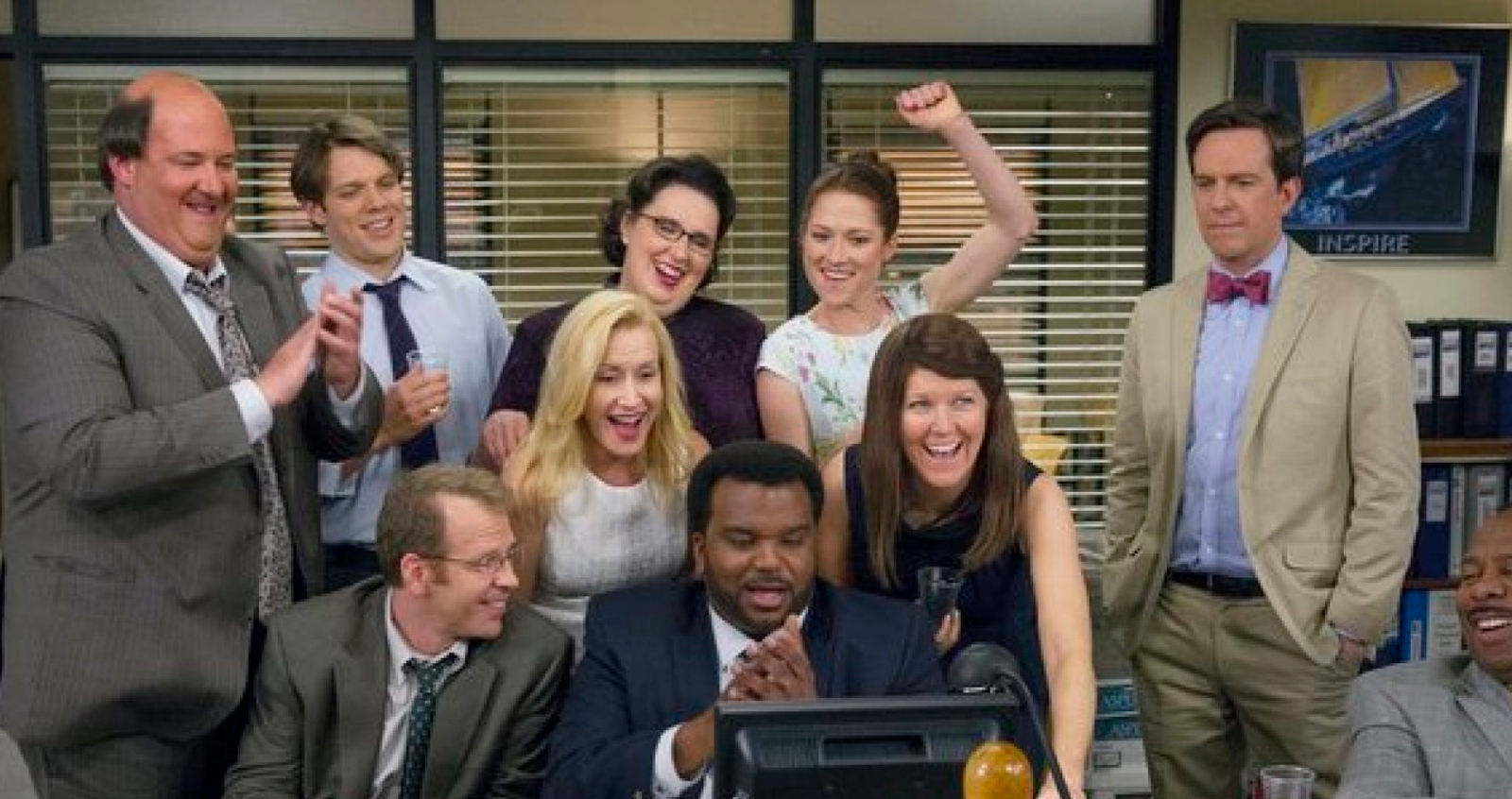
Great TV shows do not end when the credits roll. They move into group chats, Reddit threads, late-night debates, and that one friend’s 47-slide “evidence board” that definitely should have been an email. The best fan theories about famous TV shows are not just random guesses; they are creative attempts to explain strange timelines, unresolved mysteries, suspicious character behavior, and the tiny continuity crumbs writers may or may not have dropped on purpose.
Some theories are so convincing they make you want to rewatch an entire series with a notebook, a snack, and the emotional stability of a detective in a raincoat. Others are beautifully absurd, the kind of theories that make you say, “That is ridiculous,” followed immediately by, “Wait… keep talking.”
This article explores five mind-bending fan theories about famous TV shows, from sitcoms that suddenly feel darker than expected to mystery dramas that viewers still argue about years later. None of these theories should be treated as confirmed canon unless stated otherwise. Think of them as entertainment archaeology: fans digging through episodes, jokes, character arcs, and visual clues to uncover hidden meaningor at least create one heck of a conversation starter.
Why TV Fan Theories Become So Addictive
Fan theories work because television is built on repetition and intimacy. Viewers spend dozens, sometimes hundreds, of episodes with the same characters. We notice their habits. We remember throwaway lines. We catch weird background details. By season five, we know the fictional office, apartment, island, or cartoon living room better than we know the location of our spare phone charger.
Famous TV shows also leave gaps. Sometimes writers create mystery on purpose. Sometimes production schedules, changing cast members, network pressure, and long-running storytelling create accidental gaps. Fans love filling those spaces. A good fan theory turns passive watching into active investigation. Suddenly, a sitcom joke becomes a clue. A cartoon’s frozen timeline becomes evidence. A finale becomes a courtroom case, and everyone on the internet is somehow both judge and emotionally unstable prosecutor.
The best fan theories usually do three things: they explain something odd, they reframe familiar scenes, and they make the show more interesting even if the theory is false. That is why debunked fan theories still survive. A creator can say, “No, that was not our intention,” and fans will nod respectfully before whispering, “Sure, but it still kind of fits.”
1. The Simpsons: Homer Has Been in a Coma Since the 1990s
The Theory
One of the most famous TV fan theories argues that Homer Simpson never truly woke up after a serious accident in the season four episode “So It’s Come to This: A Simpsons Clip Show.” According to the theory, everything that happens afterward takes place inside Homer’s mind while he remains in a coma.
At first, this sounds like standard internet chaos wearing yellow face paint. But the theory gained attention because it tries to explain something every long-running cartoon faces: why the characters never really age and why the plots become stranger over time. In early seasons, The Simpsons often focused on grounded family problems, school issues, money stress, and neighborhood satire. Later episodes grew bigger, weirder, and more surreal, with celebrity cameos, wild adventures, and reality-bending situations that would make early Homer spill his Duff.
Why Fans Believe It
The coma theory gives fans a neat explanation for the show’s floating timeline. Bart stays around ten. Lisa stays around eight. Maggie stays a baby with elite pacifier discipline. Springfield can parody decades of culture while its residents remain trapped in cartoon amber. If Homer’s mind is generating the world, then the increasingly exaggerated stories become dream logic rather than continuity problems.
The theory also plays into the emotional contrast between the early and later seasons. Some longtime viewers feel the show changed in tone, becoming more chaotic and less emotionally grounded. The coma theory transforms that shift into a story reason: Homer’s inner world is drifting away from reality.
Why It Probably Is Not True
The major problem is simple: the people behind the show have dismissed it. The theory is clever, but it asks us to believe the writers secretly planned decades of future storytelling around a hidden coma twist. That is a lot of long-term planning for a show that also gave us a monorail song, a three-eyed fish, and a town where nobody can remember where Springfield is located.
Still, the theory remains popular because it gives viewers a fun lens for rewatching the series. It is not canon, but it is a reminder that long-running shows become cultural playgrounds. When a family has been on television for more than three decades, fans are going to start checking under the couch cushions for cosmic explanations.
2. Friends: Phoebe Imagined the Whole Group
The Theory
The “Dark Phoebe” theory suggests that Friends is not really about six young adults living, dating, joking, and over-caffeinating in New York City. Instead, the theory imagines Phoebe Buffay as an outsider looking into Central Perk and inventing the entire friend group in her mind.
In this interpretation, Rachel, Monica, Ross, Chandler, and Joey represent the warm, stable social circle Phoebe wishes she had. The cozy apartments, constant hangouts, and endless emotional support are not reality; they are a fantasy built around longing. Basically, it turns one of television’s most comforting sitcoms into a psychological snow globe, and yes, that sound you hear is millions of fans clutching their oversized coffee mugs.
Why Fans Believe It
The theory leans heavily on Phoebe’s unusual backstory. Compared with the others, she often feels like the wild card. She has lived a less conventional life, tells strange stories, and brings a surreal energy into otherwise familiar sitcom situations. Her songs, spiritual beliefs, and offbeat comments make her seem slightly detached from the group’s more mainstream world.
Because Phoebe is already written as eccentric and imaginative, fans can reinterpret her as the show’s secret dreamer. The bright, polished version of New York in Friends also supports the theory in a strange way. The apartments are huge, the coffee shop is always available, and everyone’s schedule somehow allows constant hangout time. If you have ever tried to coordinate dinner with five adults, you know this is less realistic than a dragon applying for a mortgage.
Why It Probably Is Not True
The creators have rejected the idea, and it does not really match the tone of the series. Friends was designed as a warm ensemble comedy about early adulthood, romance, work, loyalty, and the chosen-family feeling of a close social group. Turning it into one character’s imagined world makes for a dramatic theory, but it drains the show of the emotional simplicity that made it beloved.
That said, the theory remains fascinating because it highlights Phoebe’s role as the show’s outsider-insider. She belongs to the group, but she also sees the world differently. The theory may not be true, but it proves how one unusual character can change the way viewers interpret an entire sitcom.
3. Rugrats: The Babies Are Angelica’s Imagination
The Theory
The Rugrats theory is one of the internet’s most infamous cartoon fan theories. It claims that the babies are not real in the way the show presents them. Instead, Angelica imagines them as a way of processing loneliness, confusion, or emotional distance from the adults around her.
This theory became popular because it completely flips the meaning of the series. On the surface, Rugrats is about babies turning ordinary household moments into grand adventures. A living room becomes a jungle. A bathtub becomes an ocean. A backyard becomes a new world. Through the babies’ eyes, everything is bigger, stranger, and more exciting.
The darker fan theory asks: what if those adventures are not the babies’ perspective at all, but Angelica’s invented reality?
Why Fans Believe It
Angelica is older than the babies, and she often acts as the bridge between the toddler world and the adult world. She can talk to grown-ups, manipulate situations, and understand more than the babies do. Because of this, some fans see her as the only character with enough awareness to “create” the world of the babies.
The theory also plays with the show’s central storytelling device: imagination. Rugrats already turns everyday life into fantasy. The babies misunderstand the adult world in funny and creative ways. A normal object can become a monster. A simple errand can become an epic quest. The fan theory simply takes that imaginative structure and pushes it into much darker territory.
Why It Probably Is Not True
One of the show’s creators has publicly rejected the theory, and the actual series does not require such a bleak explanation. The babies interact with adults, affect the world around them, and exist within a consistent family environment. More importantly, Rugrats was built around a charming concept: babies see the world differently because everything is new to them.
The theory survives because it shows how easily childhood stories can be reinterpreted through adult eyes. When viewers grow up, they sometimes revisit cartoons and notice emotional shadows they missed as kids. In this case, though, the simpler reading is also the stronger one: Rugrats is about imagination, not illusion.
4. The Office: Toby Is the Scranton Strangler
The Theory
Few sitcom fan theories have inspired as much debate as the idea that Toby Flenderson from The Office is secretly the Scranton Strangler. The Scranton Strangler is an offscreen criminal case referenced throughout the series, and Toby becomes connected to it when he serves on the jury that helps convict a suspect.
The twist fans propose is simple: what if Toby was not just an awkward human resources representative with the posture of a damp receipt? What if he was the real culprit all along?
Why Fans Believe It
The theory grew because Toby is one of the show’s strangest emotional puzzles. He is quiet, lonely, frequently dismissed by Michael Scott, unlucky in love, and often framed as a sad background figure. Fans point to his discomfort around the Scranton Strangler case, his later doubts about the conviction, and his general air of suppressed misery as suspicious.
There is also a comedic reason the theory works: The Office loves uncomfortable silence. Toby’s personality is so muted that viewers project meaning onto his pauses. A blank stare can become guilt. A sigh can become evidence. A failed conversation can become motive. In a mockumentary format, where the camera constantly catches tiny reactions, fans have endless material to analyze.
The theory also fits the show’s humor because it is wildly disproportionate. Toby being secretly responsible for a notorious local case is absurd, but The Office often finds comedy in ordinary people behaving in deeply strange ways. Creed exists, after all. Creed alone makes almost any theory feel 18% more possible.
Why It Probably Is Not True
The theory has been addressed by people connected to the show, and the strongest conclusion is that Toby is not meant to be the Scranton Strangler. The joke is more likely about Toby’s guilt over possibly convicting the wrong person, not a hidden confession. His sadness is not evidence of a double life; it is evidence that he is Toby, a man who can make a Costa Rica vacation feel like a tax audit.
Still, this theory remains one of the most entertaining because it changes the texture of the show without needing much. Rewatch Toby scenes with the theory in mind, and suddenly every awkward glance becomes suspicious. That is the magic of a great fan theory: it does not need to be true to make the rewatch more fun.
5. Lost: The Characters Were Dead the Whole Time
The Theory
No list of famous TV fan theories is complete without Lost, the show that turned viewers into part-time philosophers, cartographers, theologians, and people who yelled at message boards in 2006. The most persistent theory claims that the passengers of Oceanic Flight 815 were dead the entire time and that the island was some form of afterlife or purgatory.
This theory became especially powerful after the series finale, which included spiritual imagery and a reunion-like ending that many viewers interpreted as proof that the whole story had taken place after death.
Why Fans Believe It
Lost invited theories from the beginning. The island had strange powers, mysterious symbols, hidden stations, unexplained phenomena, and characters with interconnected pasts. The show constantly asked viewers to question what was real, what was symbolic, and what was part of a larger design.
The “dead the whole time” theory appealed because it offered one clean explanation for a messy, ambitious story. If the island was an afterlife space, then its mysteries did not need scientific answers. The polar bears, numbers, visions, and impossible coincidences could all be understood as spiritual tests or symbolic journeys.
For casual viewers, the finale’s emotional church sequence seemed to confirm this reading. People saw characters reunite, forgive, and move on, and many concluded that the entire series had been a post-death experience.
Why It Probably Is Not True
The creators and the show itself make clear that the characters were not dead the whole time. The events on the island happened. The final-season spiritual storyline is better understood as a separate space where characters reconnect after their lives have ended at different times. In other words, the ending is about emotional closure, not erasing the reality of the island story.
Why does the misconception still survive? Because Lost trained viewers to look for hidden meaning everywhere. When a show spends six seasons telling you every detail matters, even a quiet image can feel like a secret code. The finale was emotional, symbolic, and open to interpretation, which made it easy for a simplified version of the ending to spread.
The fan theory is wrong, but its popularity says something important: viewers wanted a master key. Lost offered a maze, and many fans wanted one sentence that unlocked every door. That tension is part of why people still discuss the show years later.
What These Fan Theories Reveal About Famous TV Shows
These theories may be different in tone, but they share a common pattern. Each one tries to explain a feeling viewers already had. The Simpsons feels timeless and increasingly surreal, so fans invent a coma explanation. Friends feels almost too cozy, so fans imagine it as a fantasy. Rugrats is built on childhood imagination, so fans push that idea to an extreme. The Office hides weirdness in ordinary behavior, so Toby becomes suspicious. Lost is mysterious and spiritual, so viewers reach for an afterlife theory.
In other words, fan theories often reveal less about what writers secretly planned and more about what audiences emotionally experience. They are a form of participation. Fans are not just consuming stories; they are building extensions, alternate endings, secret rooms, and occasionally conspiracy basements with questionable lighting.
That is why even debunked theories remain valuable. A false theory can still be insightful if it identifies something real about a show’s tone, structure, or character dynamics. The Homer coma theory is not canon, but it captures how strange a long-running animated timeline feels. The Toby theory is not confirmed, but it captures the unsettling awkwardness that makes The Office so rewatchable. The Lost theory is not accurate, but it captures the show’s spiritual atmosphere and the audience’s hunger for answers.
A Viewer’s Experience: Why Fan Theories Make Rewatching TV More Fun
The best part of fan theories is not whether they are technically correct. The best part is the experience they create. Watching a famous TV show for the first time is one kind of pleasure: you follow the plot, meet the characters, laugh at the jokes, cry at the big moments, and try not to accidentally read spoilers while searching for the cast’s ages. But rewatching with a fan theory in mind is a totally different sport.
Suddenly, the show becomes interactive. A small line of dialogue that once felt like filler now feels important. A character’s expression becomes suspicious. A background detail becomes a clue. You start pausing scenes, rewinding moments, and saying things like, “That cannot be a coincidence,” even though, honestly, sometimes it absolutely can be a coincidence. Television production is complicated. A coffee cup can appear in the wrong place because of continuity error, not because the multiverse is collapsing near the craft services table.
Fan theories also make watching TV more social. Few things bond people faster than a ridiculous but oddly convincing theory. You can bring up the idea that Toby might be the Scranton Strangler at a party and immediately divide the room into passionate legal teams. Someone will argue motive. Someone will argue camera framing. Someone will say Creed is more suspicious. Someone will ask why everyone is yelling about a fictional paper company. That is community.
They also help old shows feel new again. Many famous TV shows have been watched, quoted, memed, and discussed for years. A strong fan theory gives viewers a reason to return. It turns comfort viewing into detective work. Rewatching Friends through Phoebe’s perspective makes her outsider status stand out. Rewatching The Simpsons with the coma theory makes the show’s surreal timeline feel like part of the joke. Rewatching Lost after hearing the “dead the whole time” misconception makes the actual ending clearer, because you pay closer attention to what the characters say about time, memory, and connection.
There is also a creative lesson here. Fan theories prove that audiences love stories that leave room for interpretation. A show that explains absolutely everything can be satisfying, but it may not haunt viewers in the same way. The shows that generate the biggest theories often have mystery, emotional gaps, strange tonal shifts, or characters who feel larger than the scripts that contain them. Fans step into those spaces because imagination hates a vacuum.
Of course, fan theories can go too far. Not every cartoon is secretly tragic. Not every sitcom is a dream. Not every quiet character has a hidden criminal identity. Sometimes a pineapple under the sea is just a pineapple under the sea, and sometimes a group of friends is just a group of friends with excellent rent control. But even when theories are wrong, they show how deeply people care about stories. Nobody builds a theory board for a show they forgot five minutes after watching.
That is the real magic. Fan theories keep famous TV shows alive between rewatches, revivals, podcasts, anniversary articles, and nostalgic arguments. They turn viewers into co-creators, not of official canon, but of cultural meaning. They give us permission to play with stories long after the writers have gone home. And honestly, if that leads to one more hilarious debate about Homer’s brain, Phoebe’s imagination, or Toby’s suspiciously sad energy, television is better for it.
Conclusion
Fan theories about famous TV shows are the internet’s version of campfire stories: dramatic, strange, occasionally overcooked, and impossible to resist. The five theories above are mind-bending because they transform familiar shows into something new. A cartoon becomes a dream world. A sitcom becomes a fantasy. A children’s adventure becomes a question about imagination. A workplace comedy becomes a mystery. A sci-fi drama becomes a debate about life, death, and meaning.
Most of these theories are not official canon, and several have been directly debunked. But that does not make them useless. The best TV fan theories help us notice structure, tone, character details, and emotional patterns we might otherwise miss. They remind us that great shows do not simply entertain us once. They linger. They invite arguments. They inspire rewatches. They make us stare at a harmless background detail and whisper, “Wait a minute.”
And really, is there any better compliment to a TV show than fans caring enough to lovingly overanalyze it into another dimension?
Note: This article is based on real public fan-theory discussions, entertainment reporting, and creator or showrunner responses. The theories are discussed as pop-culture analysis and should not be treated as confirmed canon unless clearly stated.