Decorating your home does not always require a shopping cart, a contractor, or a dramatic “before and after” reveal worthy of reality TV. Sometimes, the best update is hiding in your linen closet, sitting forgotten on a bookshelf, or pretending to be useful in that one drawer nobody talks about. Learning how to decorate with what you have is one of the smartest, most budget-friendly ways to refresh your home without spending money on pieces you may not even need.
The secret is to look at your space like a stylist. Instead of asking, “What should I buy?” ask, “What can I move, edit, display, clean, layer, or repurpose?” A chair from the bedroom may become the missing accent piece in the living room. A stack of old books can turn into a charming side table vignette. A mirror you forgot about can suddenly make a hallway feel brighter and bigger. Your home already has ingredients; this guide helps you cook up the decorating soup.
Below are 40 practical, creative, and easy home decorating tips using items you already own. These ideas work for apartments, family homes, small spaces, rental rooms, and anyone whose budget currently says, “Let’s be emotionally mature.”
Why Decorating With What You Have Works
Decorating with existing items works because it begins with personality, not purchases. A home feels warm when it reflects real life: favorite books, meaningful photos, collected objects, soft blankets, hand-me-down furniture, and pieces with stories. Buying everything new can sometimes make a room look polished but strangely soulless, like a furniture showroom waiting for a barcode scanner.
This approach is also sustainable, affordable, and flexible. You reduce waste, save money, and discover new ways to use what you already own. Even better, you can experiment freely. If a lamp looks odd on a sideboard, move it back. If a chair looks better angled near a window, congratulations: you just became your own interior designer.
40 Tips to Decorate With What You Have
1. Shop Your Home First
Walk through every room and look for furniture, trays, books, lamps, baskets, vases, art, pillows, and textiles that could work somewhere else. The best budget decorating store may be your own hallway closet.
2. Rearrange the Furniture
A new layout can change the entire mood of a room. Pull furniture away from the walls, angle a chair, or create a better conversation area. If your living room currently feels like a doctor’s waiting area, this is your sign.
3. Create a Focal Point
Every room needs one main place for the eye to land. Use a fireplace, large mirror, artwork, bookshelf, console table, or gallery wall to create structure and visual order.
4. Prop Up a Mirror
If you do not want to make holes in the wall, lean a framed mirror against a wall, mantel, or dresser. Mirrors bounce light around and can make small rooms feel more open.
5. Edit Before You Add
Remove a few items from shelves, tables, and counters before styling. Often, a room does not need more decor; it needs breathing room. Clutter is not a design style, no matter how confidently it spreads.
6. Restyle Your Bookshelves
Mix vertical books, horizontal stacks, small framed photos, bowls, plants, and sculptural objects. Leave some empty space so each piece has room to shine.
7. Use Books as Decor
Beautiful books can add color, height, and personality. Stack two or three under a lamp, vase, candle, or small plant to create instant layers.
8. Turn Everyday Objects Into Displays
Pitchers, cutting boards, ceramic bowls, woven baskets, and pretty trays can all become decor. If it has shape, texture, or charm, let it out of the cabinet for a little social life.
9. Swap Pillows Between Rooms
Move throw pillows from the bedroom to the sofa or from a guest room to a reading chair. Mixing patterns and textures can make old pillows feel new again.
10. Fold Throws With Intention
Drape a blanket over the arm of a sofa, across the foot of a bed, or inside a basket. Soft textiles instantly make a room feel more relaxed and inviting.
11. Make a Tray Moment
Use a tray to group small items on a coffee table, nightstand, or kitchen counter. A tray turns random objects into a “styled arrangement,” which is basically decor magic with handles.
12. Move Lamps Around
Lighting changes everything. Try placing a table lamp in an unexpected spot, such as a kitchen counter, hallway table, or bathroom shelf, to add warmth.
13. Layer Your Lighting
Instead of relying only on overhead lights, use table lamps, floor lamps, candles, and string lights. Softer lighting makes rooms feel cozy, finished, and less like a grocery store aisle.
14. Group Decor in Odd Numbers
Try styling objects in groups of three or five. Combine different heights, shapes, and textures for balance, such as a vase, stack of books, and framed photo.
15. Display Personal Photos More Creatively
Move framed photos from crowded surfaces and create a small gallery on a shelf, dresser, or wall. Black-and-white prints can make mismatched frames feel more cohesive.
16. Rotate Artwork
Swap art between rooms or move a framed piece from a hallway into the living room. Art often feels new simply because it is in a new location.
17. Frame Something Unexpected
Frame a postcard, fabric scrap, vintage recipe, pressed leaf, children’s drawing, calendar page, or beautiful wrapping paper. Affordable art is often already in your drawers.
18. Use Fabric as Wall Decor
A scarf, quilt, textile remnant, or woven piece can become a wall hanging. This adds softness, color, and texture without buying new artwork.
19. Rearrange Rugs
Move rugs between rooms to refresh color and define zones. A rug from the bedroom might work beautifully under a dining table or reading nook.
20. Angle a Chair Near a Window
Create a reading corner with a chair, small table, lamp, and throw. You do not need a big renovation to create a charming little escape.
21. Style the Entryway
Use a bowl for keys, a mirror for last-minute checks, a basket for shoes, and a small vase or branch arrangement. The entry sets the tone for the whole home.
22. Bring Nature Indoors
Branches, flowers, leaves, pinecones, shells, and stones can become beautiful seasonal decor. Just avoid bringing in anything that looks like it may also bring relatives.
23. Gather Items by Color
Choose one color already present in your room and repeat it through pillows, books, ceramics, art, or flowers. Repetition makes a space feel intentional.
24. Create a Mini Gallery Wall
Use small frames, art, photos, and keepsakes to create a collected wall arrangement. Lay everything on the floor first so you can test the layout before hanging.
25. Restyle the Coffee Table
Use a simple formula: one stack of books, one natural element, one decorative object, and one practical item like coasters. The goal is styled, not unusable.
26. Clear the Kitchen Counters
Put away appliances you rarely use and display only attractive or useful pieces. A cutting board, fruit bowl, or small plant can make the kitchen feel fresher instantly.
27. Show Off Pretty Dishware
Open shelves, glass cabinets, or a simple countertop stack can turn plates, mugs, and bowls into decor. Your dishes work hard; let them enjoy applause.
28. Use Baskets for Texture
Baskets hide clutter while adding warmth. Use them for blankets, magazines, toys, bathroom towels, or entryway essentials.
29. Repurpose a Stool
A stool can become a plant stand, bedside table, bathroom shelf, or side table. Small furniture pieces are the Swiss Army knives of decorating.
30. Style a Dresser Like a Console
Add a lamp, mirror, tray, books, and one decorative object. A bedroom dresser can look polished without needing a matching furniture set.
31. Refresh the Bed
Fold the comforter lower, layer a throw at the foot, and rearrange pillows. A bed can look hotel-inspired without requiring hotel-level laundry service.
32. Use Curtains Differently
Move curtain panels to another room, tie them back with ribbon, or hang them higher if the length allows. Curtains can make ceilings feel taller and rooms softer.
33. Turn a Desk Into a Vanity
Add a mirror, tray, small lamp, and container for brushes or accessories. Repurposing furniture helps rooms work harder without buying more.
34. Make a Bathroom Feel Styled
Roll towels, place soap on a small dish, use a jar for cotton balls, and add a plant or candle. Tiny upgrades can make a bathroom feel surprisingly spa-like.
35. Hide Cords Creatively
Use baskets, books, furniture placement, or cord clips you already own to reduce visual mess. Nothing ruins a cozy corner faster than a cable jungle.
36. Create Symmetry
Use matching lamps, paired chairs, similar frames, or balanced objects on both sides of a mantel or console. Symmetry makes a room feel calm and organized.
37. Break Up Matching Sets
If everything matches too perfectly, move one piece elsewhere. A little variety makes a room feel collected rather than purchased in one panicked afternoon.
38. Use Scent as Decor
A clean home that smells fresh feels more inviting. Use candles, simmer pots, fresh herbs, citrus peels, or clean linens to add atmosphere.
39. Clean What You Already Love
Wash slipcovers, polish wood, clean glass, dust lampshades, and vacuum rugs. Sometimes the update is not new decor; it is removing the mysterious gray film of everyday life.
40. Leave Room to Evolve
Do not rush to finish every corner. A home becomes more interesting over time. Let your rooms grow with your habits, memories, and personality.
Room-by-Room Ideas for an Easy Update
Living Room
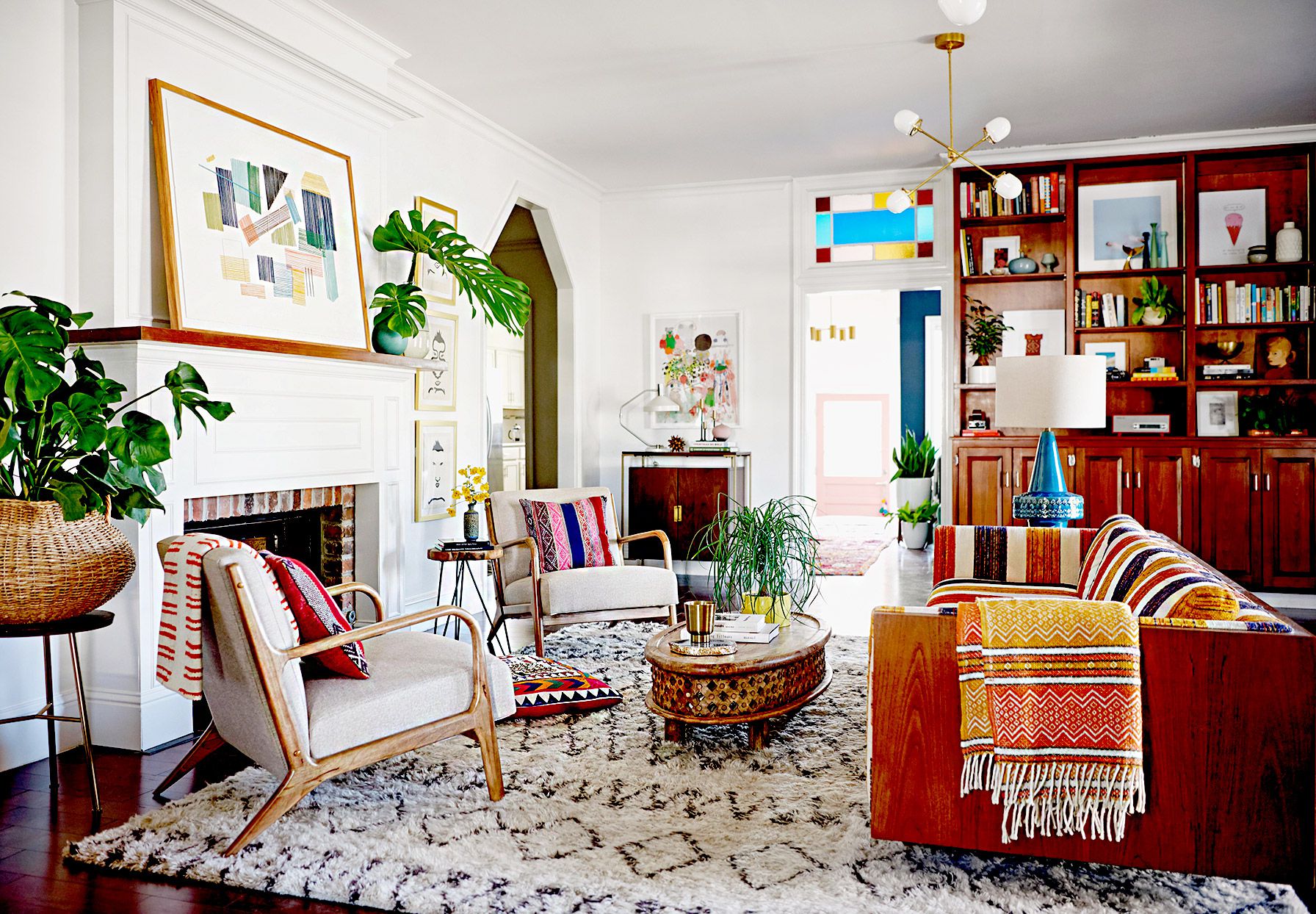
Start with the seating arrangement. Move chairs closer together to encourage conversation, shift the sofa to face the room’s strongest feature, and use a rug to anchor the space. Then restyle the coffee table with books, a tray, and one natural element. If the room still feels flat, add height with a floor lamp, tall plant, or vertical artwork.
Bedroom
The bedroom should feel restful, not like a laundry sorting facility with pillows. Clear the nightstands, layer bedding, rotate lamps, and move a favorite piece of art above the bed. If you have extra fabric, a scarf, or a folded quilt, use it as a runner across the foot of the bed for color and texture.
Kitchen
Decorating the kitchen with what you have is mostly about editing. Clear counters, group cooking tools in a crock, display wood cutting boards, and use bowls of fruit as color. If you own pretty mugs or plates, let them show. Functional items can be beautiful when arranged with care.
Bathroom
Bathrooms benefit from small styling moves. Fold or roll towels neatly, use jars for everyday supplies, add a stool beside the tub, or place a small framed print on a shelf. Keep it simple; the bathroom is not asking for a museum exhibit.
Entryway
Your entryway should solve problems and look welcoming. Use a basket for shoes, a hook for bags, a dish for keys, and a mirror to reflect light. Add one personal detail, such as a photo or small plant, so the first impression feels like home.
Common Mistakes to Avoid
The first mistake is keeping too much out at once. When every surface is full, even beautiful objects lose impact. The second mistake is pushing all furniture against the walls. Rooms often feel warmer when furniture creates zones. The third mistake is decorating only at eye level. Add height with lamps, branches, tall books, art, or plants.
Another common issue is ignoring scale. A tiny picture floating above a large sofa may look lonely, while a huge chair in a narrow corner can make the room feel cramped. Use balance: large pieces need visual partners, and small objects usually look better grouped together.
Personal Experience: What Decorating With What You Have Really Teaches You
One of the most useful lessons from decorating with what you have is that your first idea is not always your best idea. Many people assume a room needs a new sofa, new rug, or new paint color when what it really needs is a better layout and fewer distractions. I have seen rooms change dramatically just by moving one chair, clearing one tabletop, and placing a lamp where the room actually needed light.
A helpful exercise is to take photos of your rooms before you move anything. Photos reveal what your eyes have stopped noticing. You may suddenly see that all the heavy furniture is on one side of the room, the shelves are too crowded, or the coffee table has become a parking lot for remotes, mail, and one lonely pen that nobody claims. Once you see the room in a photo, it becomes easier to edit.
Another experience that comes up again and again: sentimental items work best when they are displayed with intention. A family photo, travel souvenir, handmade bowl, or inherited vase can look wonderful when given space. But when meaningful objects are crowded among random clutter, they lose their emotional power. Decorating with what you have is not about displaying everything; it is about choosing what deserves attention.
It also teaches patience. When you do not run out to buy a quick fix, you become more creative. You try the bedroom lamp in the living room. You move the hallway mirror above the console. You use a basket as a planter cover or stack books under a vase that always looked too short. Some experiments will fail. That is fine. No one needs to know about the fifteen minutes when your dining chair briefly looked “artistic” in the bathroom.
The best part is that this approach makes a home feel more personal. Instead of copying a catalog, you create a space from your actual life. Your books, textiles, art, dishes, baskets, and photos tell a story that no store can sell as a bundle. A room decorated with what you have may not look perfect, but it can feel warm, layered, and real. That is usually more memorable than perfection.
Finally, decorating this way builds confidence. Once you realize you can refresh a room without spending money, you stop seeing your home as a problem to solve and start seeing it as a place to play. Move things. Try things. Edit boldly. Your home is not frozen in place, and neither is your style.
Conclusion
Learning how to decorate with what you have is one of the easiest ways to update your home without draining your budget. By rearranging furniture, restyling shelves, rotating art, layering textiles, improving lighting, and repurposing everyday objects, you can make your rooms feel fresh, personal, and inviting. The goal is not to create a flawless showroom. The goal is to create a home that feels comfortable, useful, beautiful, and unmistakably yours.
Before you buy anything new, shop your home. Open cabinets, check closets, revisit forgotten corners, and look at your belongings with fresh eyes. You may already own the perfect piece; it might simply be waiting in the wrong room.