Note: This article focuses on responsible, legitimate reasons to stay home from school and how to handle an absence the right way.
There are mornings when getting out of bed feels like climbing a mountain in socks. Maybe you woke up with a fever, maybe your stomach is doing backflips, maybe you have a doctor’s appointment, or maybe your brain is waving a tiny white flag and begging for a break. Whatever the reason, staying home from school should not be about pulling off an Oscar-worthy performance in the kitchen at 7:12 a.m. It should be about health, safety, and common sense.
If you are looking for real, responsible ways to stay home from school, the good news is that there are situations when missing class makes total sense. The trick is knowing the difference between a needed absence and a “please save me from algebra” fantasy. In this guide, we will walk through four legitimate ways to stay home from school, how to talk to parents or guardians about it, and how to avoid turning one missed day into a giant pile of makeup work that follows you around like a dramatic movie soundtrack.
Why Staying Home from School Should Be Handled Carefully
Before we get into the four ways, let’s clear something up: not every rough morning should become a stay-home day. School attendance matters, and missing too many days can affect grades, routines, friendships, and confidence. At the same time, showing up when you are clearly sick, exhausted, overwhelmed, or dealing with something important is not heroic. It is just a fast pass to feeling worse.
The smartest approach is balance. Stay home when there is a real reason. Go to school when you are healthy enough to learn. That may sound painfully reasonable, but reasonable is underrated. It saves drama, confusion, and those awkward “You looked fine this morning” conversations nobody enjoys.
1. Stay Home if You Are Actually Sick
This is the most obvious reason, but it is still the biggest one. If you are genuinely ill, staying home from school is not lazy. It is considerate. Nobody in your homeroom wants your mystery virus as a group project.
Signs You Probably Should Not Go to School
If you have a fever, vomiting, diarrhea, serious coughing, trouble breathing, pink eye symptoms, a contagious rash, or you simply feel too miserable to sit through classes, staying home is the sensible move. The same goes for symptoms that make it impossible to focus, participate, or function normally. If your body is basically sending you a strongly worded email, read it.
Here is a good rule of thumb: if you would not be able to complete a quiz, walk between classes, eat lunch normally, or make it through the day without needing constant help, you are probably not school-ready. School is not just about physically being in a chair. It is about being well enough to take part.
How to Handle It the Right Way
Tell a parent or guardian exactly what is going on. Be specific. “I feel weird” is not as helpful as “I have had a fever since last night and I threw up this morning.” Specific details make it easier for adults to decide whether you need rest, medicine, or a doctor.
If you stay home because you are sick, actually rest. This is not the day to suddenly become energetic enough to binge three seasons of a show, redecorate your room, and post thirty dance videos. Hydrate, sleep, eat simple foods if you can, and follow whatever care instructions you are given. The point of staying home is recovery, not turning your absence into a vacation with toast.
2. Stay Home for Medical, Dental, or Health Appointments
Another completely valid way to stay home from school is having a scheduled health-related appointment. This includes doctor visits, dental cleanings, orthodontist appointments, therapy sessions, eye exams, lab work, and specialist follow-ups. In other words, if your day includes fluorescent lights and someone asking, “So, how has that been feeling?” it counts.
Why Appointments Matter
Preventive care and regular checkups are not optional extras. They help catch problems early, keep chronic conditions under control, and make daily life easier. Missing a few hours or a school day for necessary care is often far better than ignoring an issue until it becomes a larger one.
Sometimes appointments cannot be scheduled neatly after school or on weekends. Medical offices have their own calendars, and they rarely consult your chemistry teacher before offering an opening. If the appointment falls during school hours, the responsible move is to plan ahead and notify the school.
How to Make This Kind of Absence Easier
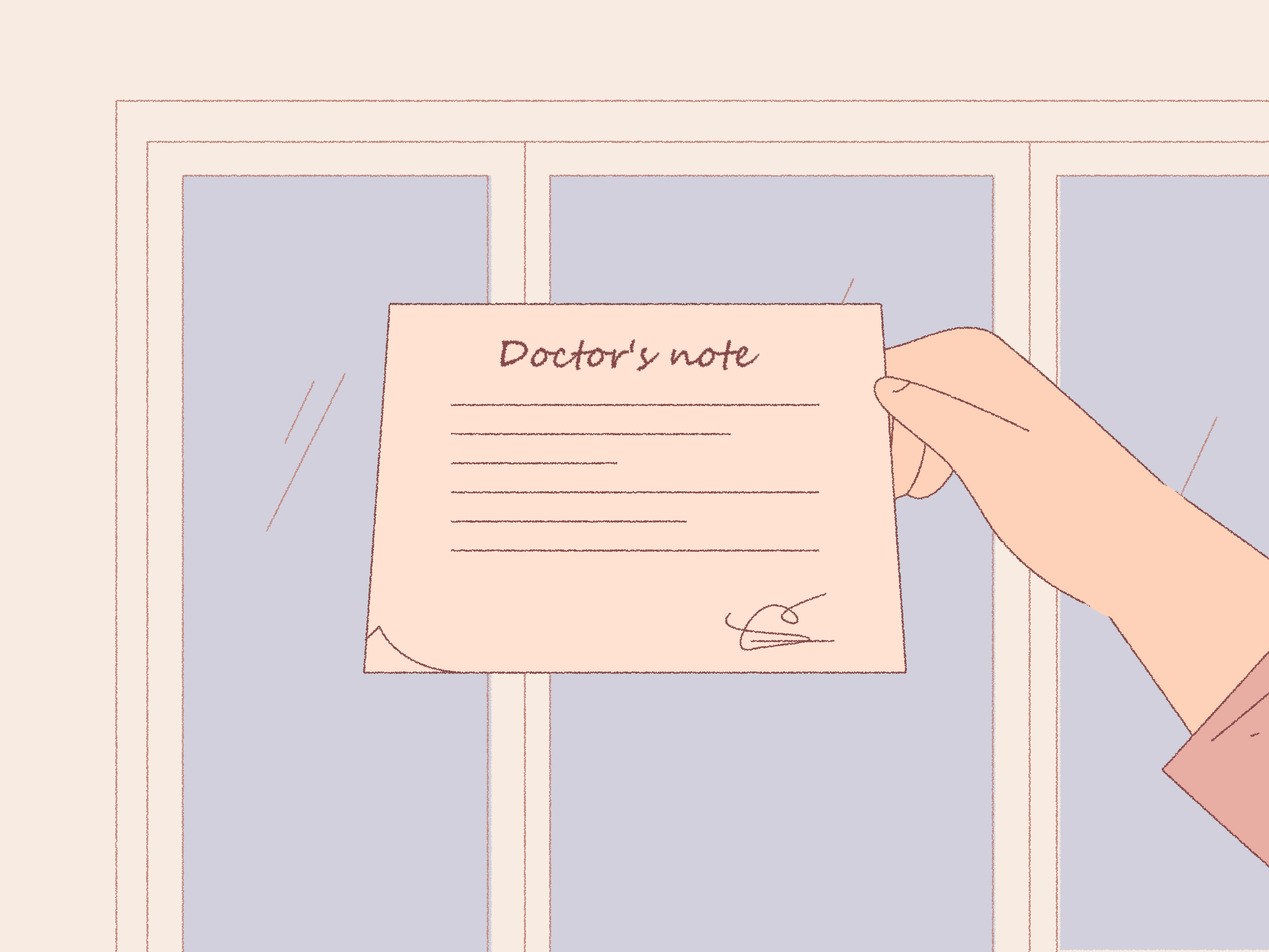
Whenever possible, let the school know ahead of time. Ask a parent or guardian to call, email, or submit the absence the way your school requires. If the office provides appointment notes, keep them. Some schools want written documentation, especially if you will miss a full day or several classes.
It also helps to talk to teachers in advance if you know you will be out. You can ask what work will be missed, whether anything can be completed early, and how to turn assignments in. This turns the whole thing from “surprise disappearance” into “organized human being handling business,” which is always a nice look.
3. Stay Home for a Legitimate Mental Health Need
This is where the conversation gets more nuanced. A mental health day is not the same as “I am bored and would rather not deal with history class.” It is about recognizing when stress, anxiety, burnout, grief, panic, or emotional overload has reached the point where a student genuinely cannot function well at school.
Brains are part of bodies. Shocking, I know. If physical health counts, mental health counts too.
When a Mental Health Day May Make Sense
If you are dealing with intense anxiety, constant crying, panic symptoms, emotional exhaustion, or a level of stress that makes school feel impossible for the day, staying home may be reasonable. This can also apply after a family emergency, a major loss, a traumatic event, or an especially overwhelming stretch of time.
That said, a mental health day should be used thoughtfully. If someone is missing school often because of anxiety, bullying, depression, or emotional distress, the answer is usually bigger than one day off. It may be time to involve parents, school counselors, teachers, doctors, or therapists. A day at home can offer breathing room, but it should not become a Band-Aid on a leak in the ceiling.
How to Make a Mental Health Day Productive
If you need to stay home for mental health reasons, use the day to reset, not to spiral. Sleep a little, eat something decent, take a walk, journal, talk to a trusted adult, attend therapy if possible, and limit the kind of screen time that leaves you feeling worse. The goal is emotional recovery, not twelve straight hours of doom-scrolling followed by guilt.
It also helps to make a plan for returning to school. What needs to happen tomorrow so you feel more prepared? Do you need a conversation with a counselor? Extra time on an assignment? Help dealing with a social problem? The best mental health days are not escape hatches. They are pit stops.
4. Stay Home Because of a Serious Family or Safety Situation
Some absences happen because life decides to ignore your planner. Family emergencies, unsafe weather, transportation breakdowns, urgent caregiving situations, housing issues, or other serious disruptions can make it necessary to stay home from school.
This category is not as neat as fever or dentist appointment, but it is real. Families go through things. Cars refuse to start. Pipes burst. Power goes out. A relative needs help. Weather becomes dramatic enough to deserve its own soundtrack. In situations like these, staying home can be the safest or only realistic option.
What Counts as a Real Emergency
A real family or safety reason is something outside normal control that affects your ability to attend school safely or responsibly. That might include a death in the family, a crisis at home, severe weather conditions, a required court appearance, a sudden move, or another urgent matter that a parent or guardian confirms.
The key word here is legitimate. “I forgot my project and I cannot emotionally recover” is disappointing. “There is a genuine emergency happening at home” is different.
How to Handle the Absence
Communication matters here more than ever. If an emergency comes up, a parent or guardian should contact the school as soon as possible, explain the situation appropriately, and ask what documentation or follow-up is needed. Schools often have procedures for excused absences, makeup work, and support when a student is dealing with family hardship.
If the issue is ongoing, speak with the school counselor or attendance office. They may be able to help with flexibility, support services, or a plan for catching up. You do not get bonus points for suffering in silence and then discovering you missed six assignments and a quiz.
How to Ask to Stay Home from School Without Turning It Into a Scene
If you think you need to stay home, the best strategy is honesty. Revolutionary, yes. Explain what is happening clearly and calmly. Avoid dramatic speeches that sound like they were written during a commercial break. Adults respond better when you say what is wrong, how long it has been going on, and why school may not be a good idea that day.
A Better Way to Say It
Try something like:
“I woke up with a fever and feel worse than last night. I do not think I can make it through school today.”
“I have an appointment this morning, and I will miss part of the day. Can we let the school know now?”
“I am really overwhelmed and anxious today, and I do not think I can function well at school. Can we talk about whether I need a mental health day and how to handle tomorrow?”
Notice what these examples have in common: they are honest, clear, and not trying to win a courtroom drama. That is the goal.
What Not to Do if You Stay Home
Even when you have a valid reason to stay home from school, there are a few mistakes that can make the situation worse.
Do Not Turn It Into a Party
If you are home sick, resting should look like resting. If you are home for a mental health reason, the day should support recovery. Posting photos from the mall, going out for fun activities, or acting mysteriously healthy at the exact moment chores appear is not a strong strategy.
Do Not Ignore Schoolwork Completely
You do not need to do calculus while hugging a heating pad, but once you are able, check what you missed. Email teachers, review the online portal, or ask a classmate for notes. Catching up early prevents the classic “one day off somehow became two weeks of chaos” problem.
Do Not Make Frequent Absences a Habit
If you keep wanting to stay home from school, something deeper may be going on. Maybe you are dealing with anxiety, bullying, academic burnout, sleep issues, or a health condition that needs attention. Repeated absences are a sign to look for support, not to keep improvising new excuses and hoping nobody notices the pattern.
How to Return to School Smoothly After Staying Home
Going back after an absence can feel awkward, especially if you missed important work. The easiest way to reduce stress is to return with a plan.
Your Return-to-School Checklist
- Check emails, portals, and assignment lists.
- Ask teachers what was missed and when makeup work is due.
- Get notes from a reliable classmate.
- Bring any required excuse note or appointment documentation.
- Talk to a counselor or nurse if the issue is ongoing.
Think of it like landing a plane instead of crash-landing into first period with no pencil and pure vibes.
Final Thoughts
There are real, responsible ways to stay home from school, and they usually come down to one question: is staying home necessary for health, safety, or an important obligation? If the answer is yes, then missing school may be the smart choice. If the answer is mostly “I really do not want to give my presentation,” that is probably not a stay-home emergency, even if your soul disagrees.
The four best reasons to stay home from school are being genuinely sick, having an important health appointment, facing a real mental health need, or dealing with a serious family or safety situation. In all four cases, honesty and communication matter. The goal is not to avoid life. It is to handle life like a reasonably functional person, even before first period.
School is important, but so are health, safety, and emotional well-being. Knowing when to rest, when to ask for help, and when to show up anyway is part of growing up. Not the most glamorous part, perhaps, but definitely one of the useful ones.
Experiences Related to “4 Ways to Stay Home from School”
For many students and families, the topic of staying home from school is not theoretical at all. It shows up in real life, usually before coffee. One family might have a middle-schooler who insists they are fine at night, then wakes up pale, glassy-eyed, and suddenly unable to sit upright. In that case, the decision is easy. The child stays home, drinks water, sleeps, and by afternoon everyone realizes it was not “just tiredness.” It was the beginning of an actual illness. That kind of experience teaches families to take symptoms seriously before they become bigger problems.
Another common experience happens with appointments. A student may have braces tightened at 10 a.m. and return to school later with a slightly lopsided smile and the energy of someone who has been personally betrayed by orthodontics. Missing school for medical care is not dramatic. It is maintenance. Parents who plan ahead, tell the school early, and help their child organize missed work usually find that these absences stay manageable. The day is inconvenient, sure, but not chaotic.
Mental health experiences can be more complicated. Some students do not say, “I need a mental health day.” They say, “My stomach hurts,” or “I feel weird,” or “I really can’t do this today.” Sometimes the issue is a big exam, social conflict, bullying, or pressure that has been building quietly for weeks. A single day at home may help them rest and regroup, but many families learn that the bigger breakthrough comes from asking better questions. Is this stress temporary, or is it happening often? Does the student need a counselor, lighter workload support, or help navigating friendships? In these situations, the stay-home day is less about escaping school and more about starting an honest conversation.
Family emergencies create another kind of experience altogether. A student may miss school because a grandparent is hospitalized, a car breaks down, the family has to move suddenly, or severe weather makes the trip unsafe. These absences are rarely convenient and almost never calm. What families often remember most is not the missed worksheet or the attendance mark. It is whether the school responded with flexibility and understanding. A supportive teacher, counselor, or attendance office can make a hard week feel far less overwhelming.
There are also experiences that teach students what not to do. Some kids stay home for a minor issue, feel fine by noon, and then assume the entire day no longer counts. By the next morning, they are not just behind in math. They are behind in three classes, one group project, and one quiz they forgot existed. That experience tends to be memorable in all the wrong ways. It shows why even valid absences work best when students check assignments, communicate early, and make a plan to catch up.
Over time, many families develop a more balanced approach. They learn that not every headache means staying home, but not every tear should be brushed aside either. They learn that recovery days should actually involve recovery. They learn that honesty goes further than exaggerated excuses. Most of all, they learn that the decision to stay home from school works best when it is based on health, safety, and responsibility, not on panic, guilt, or a desperate wish to avoid gym class.
In the end, real experiences around staying home from school tend to land on the same lesson: the best decisions are thoughtful ones. A well-timed day at home can protect health, reduce stress, and help a student come back stronger. A poorly handled absence can create confusion, missed work, and unnecessary tension. The difference is usually not luck. It is communication, common sense, and knowing when staying home is truly the right call.