Curly hair has a talent for drama. It can shrink, spring, twist, puff, frizz, shine, and somehow look shorter after three months of “growth” than it did last Tuesday. If you have curls, coils, or waves, you may already know the emotional roller coaster: your hair is growing, but your mirror is acting like it signed a nondisclosure agreement.
So let’s clear up the big question: can you actually make curly hair grow faster? Sort of. You cannot force your follicles to become overachieving little factories overnight. Hair growth is influenced by genetics, hormones, age, health, nutrition, stress, and scalp condition. But you can absolutely create the best possible environment for healthy growth and, just as important, keep the length you already grow by reducing breakage.
That second part matters a lot for curly hair. Because curls bend, loop, and spiral, natural oils from the scalp have a harder time traveling down the strand. That can make curly hair drier and more prone to snapping. In other words, your hair may be growing at the root while breaking at the ends, which feels like trying to fill a bathtub with the drain open. Rude, but fixable.
This guide breaks the process into three practical, science-informed ways to support curly hair growth: nourish the scalp and body, protect your strands from breakage, and build a curl routine that supports length retention. No magic potions, no “grow six inches by Friday” fairy tales, and no judgment if your current hair routine is mostly vibes and panic.
Way 1: Feed the Follicle and Care for the Scalp
Healthy hair growth starts below the surface, inside the follicle. The visible strand is important, of course, but the root is where the growth party begins. If your scalp is irritated, inflamed, overly dry, oily, flaky, or neglected, your curls may struggle to look and feel their best. Think of the scalp as the garden bed and your curls as the vines. You do not yell at the vine to grow. You fix the soil.
Eat for Growth, Not Just Gloss
Hair is made mostly of keratin, a type of protein. That means protein is not optional if you want strong, resilient strands. A balanced diet with enough protein, iron, healthy fats, vitamins, and minerals supports normal hair growth. Good everyday choices include eggs, Greek yogurt, beans, lentils, fish, poultry, tofu, nuts, seeds, spinach, berries, sweet potatoes, whole grains, and avocado.
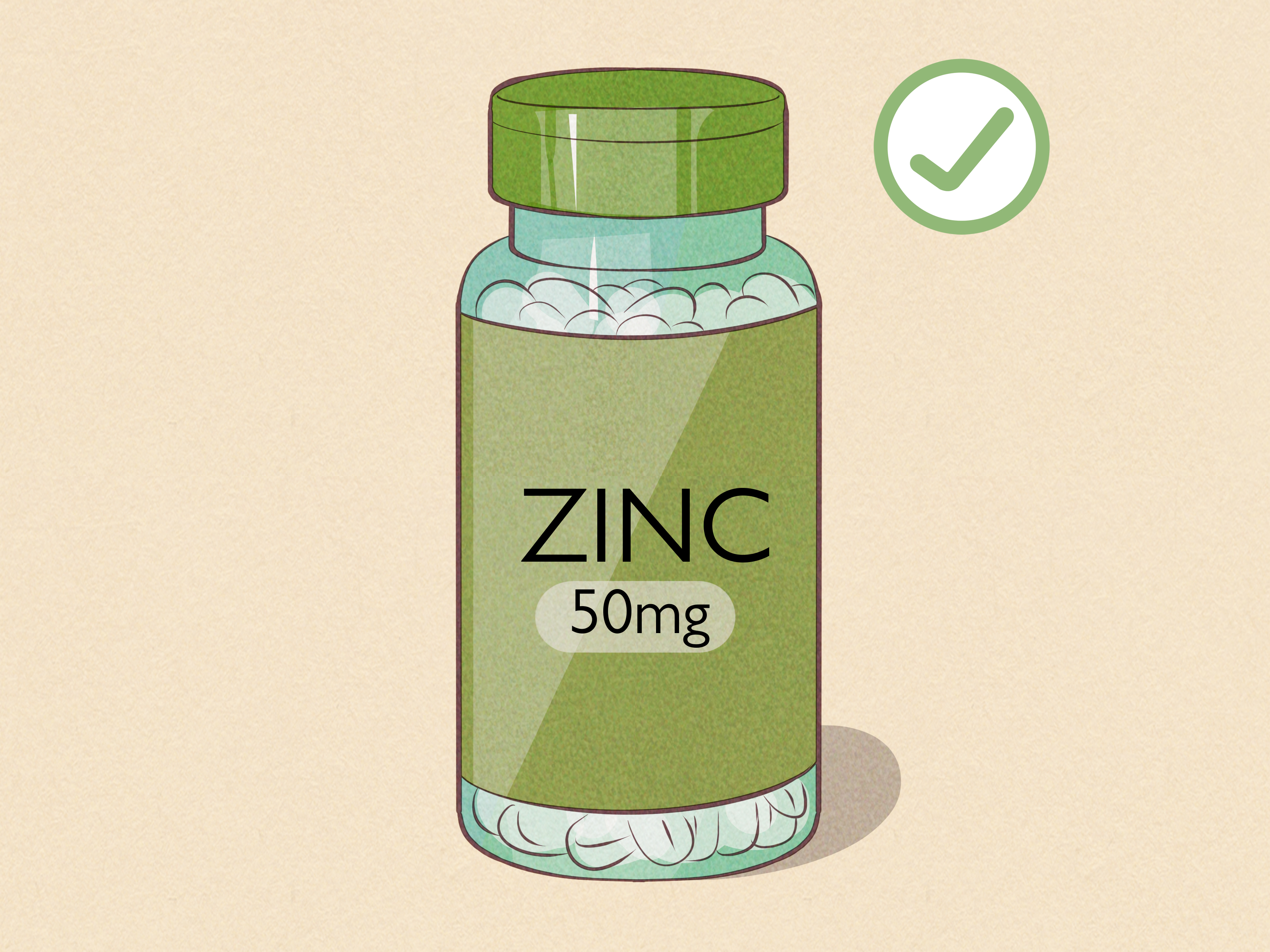
Iron, vitamin D, zinc, B vitamins, vitamin C, and healthy fats all play roles in overall hair health. But here is the important part: more is not always better. Taking random mega-dose supplements because a bottle promises “mermaid hair” is not a growth plan; it is a tiny expensive gamble with a shiny label. Some nutrients can be harmful in excess, and certain deficiencies should be confirmed by a healthcare professional. If you suspect low iron, low vitamin D, thyroid problems, or sudden shedding, do not guess your way through the supplement aisle. Ask a doctor or dermatologist.
For teens and adults alike, the simplest hair-growth meal strategy is boring in the best way: eat enough food, include protein at meals, choose colorful fruits and vegetables, drink water, and avoid crash dieting. Extreme restriction can stress the body, and when the body feels underfed, hair growth is not exactly first on the priority list. Your body is trying to keep you alive, not win a curl-length contest on the internet.
Keep the Scalp Clean Without Turning Curls Into Straw
Curly hair does not need to be washed every day for most people, but the scalp still needs care. Product buildup, sweat, oil, and flakes can make the scalp uncomfortable and may interfere with a healthy routine. The right wash schedule depends on your curl pattern, activity level, scalp oiliness, styling products, and whether you wear protective styles.
A good starting point is washing once a week or every other week for very dry, tightly curled, or coily hair, while looser waves or oilier scalps may need more frequent cleansing. If you use heavy creams, gels, edge control, oils, or dry shampoo, your scalp may ask for a reset sooner. And by “ask,” I mean itch dramatically during math class, work, or right when you are trying to sleep.
When shampooing, focus on the scalp. Massage gently with your fingertips, not your nails. Let the cleanser rinse through the lengths rather than scrubbing the ends like you are trying to remove barbecue sauce from a baking pan. Follow with conditioner every time, because curly hair loves moisture the way a group chat loves chaos.
Try Gentle Scalp Massage
Scalp massage is not a miracle, but it can be a helpful habit. A small study found that standardized scalp massage was associated with increased hair thickness after consistent use over several months. That does not mean rubbing your head for 30 seconds will turn you into a shampoo commercial by next weekend. It does mean gentle, regular massage may support scalp comfort, circulation, and a more mindful routine.
Try massaging your scalp for three to five minutes a few times per week. Use the pads of your fingers and make small circles. If you use oil, keep it light and avoid letting it sit so long that it causes buildup or irritation. People with dandruff, seborrheic dermatitis, scalp acne, psoriasis, eczema, or tenderness should be cautious with oils and heavy products. A calm scalp is the goal; a greasy science experiment is not.
Way 2: Stop Breakage So You Can Keep the Length You Grow
The fastest way to make curly hair appear to grow longer is to stop losing length at the ends. This is called length retention, and it is everything. Your curls may already be growing at a normal pace, but if your ends are splitting, snapping, or tangling into tiny knots, the progress disappears before you can enjoy it.
Detangle Like You Are Handling Antique Lace
Curly hair should usually be detangled with moisture, slip, and patience. Dry brushing can create frizz and breakage, especially for tighter curls and coils. The safer approach is to detangle when hair is damp or wet and coated with conditioner, leave-in conditioner, or a detangling product.
Work in sections. Start at the ends, gently remove knots, and move upward toward the roots. Use your fingers, a wide-tooth comb, or a brush designed for curls. Never yank through a knot. If your comb makes the same sound as someone stepping on a bag of chips, pause and add more slip.
For stubborn tangles, separate the knot with your fingers first. Sometimes the problem is not a knot but shed hair trapped inside curls. Removing shed hairs during wash day can reduce matting and make future detangling easier. Curly hair often holds onto shed strands instead of letting them fall neatly onto your shirt like straight hair does. Your curls are not “losing more hair”; they are just keeping receipts.
Use Heat Less Often and Lower the Temperature
Heat can make curly hair look smooth temporarily, but frequent high heat can weaken strands over time. Blow dryers, flat irons, curling irons, hot combs, and high-temperature diffuser settings can all contribute to dryness and breakage when used too often or without protection.
If you use heat, apply a heat protectant, choose the lowest effective temperature, and limit direct heat styling. Diffusing on low or medium heat is usually gentler than blasting curls with high heat until they surrender. Air drying is not perfect for everyone, especially if your hair stays wet for hours, but reducing heat exposure is still a smart move for length retention.
Heat damage is especially frustrating for curly hair because it can loosen or permanently change the curl pattern in damaged sections. That means you may end up with curls at the root, waves in the middle, and mystery noodles at the ends. Prevention is much easier than repair.
Avoid Tight Styles That Pull at the Root
Tight ponytails, sleek buns, braids, cornrows, locs, extensions, and weaves can be beautiful, but tension matters. If a style hurts, causes bumps, gives you a headache, or pulls at the edges, it is too tight. Pain is not “beauty.” Pain is your scalp filing a complaint.
Repeated pulling can contribute to traction alopecia, a form of hair loss caused by tension on the follicles. To protect growth, rotate styles, avoid constant tension on the same areas, use soft scrunchies or covered bands, and give your hairline breaks. Protective styles should protect the hair, not put the follicles through a workplace safety violation.
For extensions or braids, choose lightweight options and avoid keeping them in for too long. Keep the scalp clean while wearing the style, and remove it if you notice soreness, itching, flaking, or thinning. The goal is to reduce daily manipulation while keeping your scalp and strands healthy.
Trim Strategically, Not Obsessively
Trimming does not make hair grow faster from the scalp. That myth has been passed around like a family recipe nobody measured correctly. However, trimming can help prevent split ends from traveling farther up the strand, which protects the length you already have.
Curly hair does not need a dramatic chop every month unless there is significant damage. Many people do well with a trim every eight to twelve weeks, while others with low heat use and gentle routines can go longer. Look for signs like rough ends, single-strand knots, excessive tangling, frayed curls, or ends that refuse to clump. A small trim can make curls bounce better and reduce breakage, which makes growth more visible over time.
Way 3: Build a Curly Hair Routine That Supports Growth
The best curly hair growth routine is not the most complicated one. It is the one you can repeat consistently without needing a spreadsheet, a prayer candle, and three backup alarms. A smart routine keeps the scalp clean, the hair moisturized, the ends protected, and the styling process gentle.
Moisturize in Layers
Curly hair is naturally prone to dryness because scalp oils move slowly along bends and coils. That is why moisture is a major part of length retention. After washing, use conditioner generously. Then apply a leave-in conditioner or curl cream to damp hair. For some curl types, sealing with a small amount of oil or butter can help reduce moisture loss, especially on the ends.
But do not confuse moisture with product overload. If your curls feel coated, dull, sticky, or limp, you may be using too much or layering products that do not play well together. Product buildup can make hair feel dry even when you are using moisturizing products. It is the hair-care version of wearing five sweaters and still feeling uncomfortable.
A basic routine might look like this: cleanse, condition, detangle, apply leave-in, add styling gel or cream, dry gently, and protect at night. That is enough for many people. You do not need twelve steps unless your curls personally requested a board meeting.
Deep Condition With a Purpose
Deep conditioning can help curly hair feel softer, more manageable, and less prone to breakage. Use a moisturizing deep conditioner once a week or every other week depending on dryness, damage, and styling habits. If your hair is color-treated, heat-styled, or chemically processed, deep conditioning may be especially useful.
Protein treatments can also help some damaged curls, but they should be used carefully. Hair that needs protein may feel mushy, overly soft, limp, or weak when wet. Hair that has too much protein may feel stiff, rough, or brittle. Balance is key. Curly hair wants moisture and strength, not a tug-of-war where both sides lose.
Sleep Like Your Curls Matter
Nighttime friction can cause tangles, frizz, and breakage. Protecting curls while sleeping is one of the easiest ways to retain length. Use a satin or silk pillowcase, bonnet, or scarf. You can also try the “pineapple” method: loosely gather curls on top of your head with a soft scrunchie. The style may look like a sleepy palm tree, but it works for many curl patterns.
If your hair is shorter, try a satin bonnet or pillowcase instead of forcing it into a pineapple. If your curls are long or dense, loose braids or twists can reduce tangling overnight. The key word is loose. Your scalp should not feel like it is training for the Olympics while you sleep.
Be Careful With Chemical Services
Coloring, bleaching, relaxing, perming, and frequent straightening can weaken the hair shaft. This does not mean you can never experiment with your hair. Hair should be fun. But if your main goal is faster visible growth, harsh or frequent chemical services can work against you by causing breakage.
If you color or chemically treat your curls, work with a skilled stylist who understands textured hair. Space out services, avoid overlapping chemicals on already-processed hair, and build in extra conditioning and bond-supporting care when appropriate. If your hair is already breaking, pause major chemical changes until it recovers.
What About Hair Growth Products?
Hair growth products can be confusing because every bottle seems to whisper, “Trust me, I’m the one.” Some products support scalp health or reduce breakage, which can help you keep more length. Others claim to speed growth without strong evidence.
Topical minoxidil is one of the best-known over-the-counter treatments for certain types of pattern hair loss in adults. It can help some people regrow hair or slow hair loss, but it takes months, requires continued use, and may cause side effects such as scalp irritation. It is not a casual curl cream, and it is not meant for every type of shedding or breakage. Anyone under 18, pregnant, nursing, dealing with sudden hair loss, or experiencing scalp symptoms should talk with a healthcare professional before using medicated hair-growth treatments.
Oils such as rosemary oil, peppermint oil, castor oil, and coconut oil are popular in curly hair communities. Some people love them for shine, scalp massage, sealing, or reducing dryness. But oils do not magically speed up every person’s hair growth. They are tools, not tiny follicle personal trainers. If an oil irritates your scalp, causes bumps, worsens dandruff, or makes your hair feel coated, stop using it.
When to See a Dermatologist
Sometimes slow growth is not just breakage or shrinkage. A dermatologist can help if you notice sudden shedding, bald patches, widening parts, thinning edges, scalp pain, burning, severe itching, scaling, sores, or hair loss after illness, medication changes, major stress, or rapid weight change. Early treatment matters, especially for conditions that can become permanent if ignored.
Curly hair can hide thinning at first because volume creates coverage. That is convenient until it is not. If your ponytail feels smaller, your wash-day shedding changes dramatically, or your scalp becomes more visible, get help sooner rather than later. A professional can check for issues such as iron deficiency, thyroid disease, hormonal changes, alopecia areata, seborrheic dermatitis, traction alopecia, or other scalp conditions.
Common Mistakes That Make Curly Hair Seem Like It Is Not Growing
Ignoring Shrinkage
Shrinkage is not failure. It is a sign of curl elasticity. Your hair may look shoulder-length curly and stretch far longer when wet or gently pulled. Measure growth by taking occasional stretched-length photos, not by arguing with your reflection every morning.
Changing Products Too Often
Trying new products can be fun, but switching everything every week makes it hard to know what works. Give a routine several wash days before judging it, unless a product causes irritation. Curly hair often needs consistency before it shows results.
Skipping Conditioner
Conditioner is not decorative. It adds slip, reduces friction, improves manageability, and helps protect fragile ends. Skipping it can make detangling harder and breakage more likely.
Using Too Much Tension
High buns, tight slick-backs, tiny elastics, and repeated edge brushing can stress the same areas again and again. Choose looser styles and give your edges regular breaks.
A Simple Weekly Routine for Curly Hair Growth
Here is a practical routine you can adjust for your curl type:
- Wash day: Cleanse the scalp gently, condition thoroughly, detangle in sections, and rinse.
- After washing: Apply leave-in conditioner to damp hair, then style with cream, gel, or mousse as needed.
- Drying: Use a microfiber towel or cotton T-shirt to blot. Air dry or diffuse on low heat.
- Midweek refresh: Mist with water or use a light leave-in spray. Avoid piling on heavy products daily.
- Night care: Sleep with a satin bonnet, scarf, or pillowcase. Use loose styles to prevent tangles.
- Monthly check: Look at your ends, scalp comfort, shedding, and tangling. Adjust before damage gets dramatic.
of Real-Life Experience: What Actually Helps Curly Hair Grow Longer
The most useful lesson about growing curly hair is that patience needs a routine. Not a perfect routine, not a luxury routine, not a “my bathroom looks like a beauty supply store exploded” routine. Just a repeatable one. Many people with curly hair spend years thinking their hair refuses to grow, only to realize later that the real issue was breakage. The roots were doing their job. The ends were quietly resigning.
One common experience is discovering that wash day changes everything. When curls are rushed, detangled dry, scrubbed roughly, or dried with a regular towel, they often respond with frizz, knots, and snapping. But when hair is handled in sections with conditioner and a wide-tooth comb, the difference can be huge. The first few weeks may not look dramatic, but less hair in the comb, fewer fairy knots, and softer ends are signs that the routine is working.
Another real-life turning point is learning that moisture and definition are not the same thing. A gel may create gorgeous curls, but if the hair underneath is dry, the style can still break. On the other hand, heavy creams may make hair feel soft but leave buildup that irritates the scalp. The sweet spot is usually a simple combination: a gentle cleanser, a good conditioner, a leave-in that provides slip, and a styler that holds without making curls crunchy enough to file paperwork.
Night protection is also one of those boring habits that quietly saves length. A satin bonnet or pillowcase may not feel glamorous at first, especially if it slides off at 2 a.m. like it has somewhere better to be. But over time, reducing friction can mean fewer tangles, less frizz, and easier mornings. That matters because easier mornings usually mean less brushing, less pulling, and less emergency bun tension.
Many curly-haired people also learn to respect their edges the hard way. Tight ponytails, sleek buns, braids, and extensions can look amazing, but wearing tension styles too often can thin the hairline. A healthier approach is rotating styles: loose wash-and-go one week, chunky twists another week, low bun with a soft scrunchie the next, then a break from pulled-back looks. A style should not hurt. If it does, it is not “secure”; it is suspicious.
Food and stress matter too. People often notice more shedding after intense stress, illness, poor sleep, or not eating enough. Hair responds slowly, so the cause may have happened months before the shedding appears. That delay can be confusing, but it is normal. Supporting the body with balanced meals, rest, hydration, and stress management is not instant, but it helps create better conditions for growth.
The biggest experience-based advice is this: take photos, not daily measurements. Curly hair shrinkage can hide progress so well it deserves a career in magic. A stretched-length photo once a month gives a clearer picture. Celebrate small wins: softer ends, less breakage, a calmer scalp, easier detangling, and curls that hold moisture longer. Those signs often come before dramatic length.
Curly hair growth is not about punishing your hair into behaving. It is about cooperating with it. Feed your body, care for your scalp, moisturize your strands, protect your ends, and stop treating tangles like a personal enemy. Do that consistently, and your curls have a much better chance to grow longer, stronger, and happier.
Conclusion: Faster Growth Is Really Healthier Growth
To make curly hair grow faster, focus on what you can control: scalp health, nutrition, breakage prevention, moisture, gentle styling, and consistency. Your follicles have their own natural pace, but your routine determines how much of that growth you actually keep. Curly hair does not need to be forced into submission. It needs moisture, patience, protection, and the occasional reminder that tight hairstyles are not a personality trait.
The three best ways to support curly hair growth are simple: nourish the scalp and body, prevent breakage, and build a curl-friendly routine. Do those well, and your hair can look longer, fuller, and healthier over time. No magic wand requiredalthough a wide-tooth comb and satin pillowcase come surprisingly close.