Cilantro is one of those herbs that inspires big feelings. Some people sprinkle it on tacos, curries, soups, and salads like edible confetti. Others take one bite and look personally betrayed. But if you love its bright, citrusy flavor, learning how to grow cilantro at home is a small gardening skill with a big kitchen payoff.
The funny thing about cilantro is that it is both generous and dramatic. Give it cool weather, loose soil, steady moisture, and a little attention, and it grows quickly from seed. Push it into hot summer conditions, forget to water it, or try to transplant it roughly, and it may bolt faster than a cat hearing the vacuum cleaner. Bolting means the plant shifts from leafy growth to flowering and seed production. Once that happens, the leaves usually become smaller and less tender, but the plant gives you coriander seeds, which are useful in their own delicious way.
The good news is that there is more than one smart way to grow cilantro. You can grow it outdoors in a garden bed, in containers on a patio or balcony, or indoors near a bright window or under grow lights. Each method has its strengths, and the best choice depends on your space, climate, cooking habits, and patience level. Let’s walk through three practical ways to grow cilantro successfully, without turning your herb garden into a tiny green soap opera.
What Cilantro Needs Before You Start
Before choosing a growing method, it helps to understand cilantro’s personality. Cilantro, also called coriander when referring to the seeds, is an annual herb. In American kitchens, “cilantro” usually means the fresh leaves and stems, while “coriander” means the dried seeds. Both come from the same plant, which feels like a two-for-one deal from the gardening universe.
Cilantro grows best in cool weather. Spring and fall are usually ideal in many U.S. regions. In warmer climates, winter can also be a good growing season. The plant prefers well-drained soil, full sun in cool weather, and some afternoon shade when temperatures rise. It does not enjoy soggy roots, compacted soil, or blazing heat. In other words, cilantro is not difficult, but it does have standards.
One of the most important cilantro growing tips is to sow seeds directly whenever possible. Cilantro develops a taproot, and because of that, it does not always appreciate being transplanted. If you have ever moved a cilantro seedling and watched it sulk afterward, the taproot is probably the reason. Direct seeding lets the plant establish itself with less stress.
Way 1: Grow Cilantro Outdoors From Seed
The classic way to grow cilantro is to plant seeds directly in a garden bed. This method works beautifully if you have a vegetable garden, raised bed, herb border, or even a small patch of soil near the kitchen door. Outdoor cilantro tends to grow quickly in cool weather, and it can produce plenty of leaves for salsa, chutney, rice bowls, noodle soups, and anything else that needs a fresh green sparkle.
Choose the Right Planting Time
Timing matters more with cilantro than with many herbs. For best results, plant cilantro seeds in early spring after the soil can be worked. In mild climates, you can also plant in late summer or early fall for a second harvest. The goal is to give the plant cool conditions for leafy growth before heat encourages flowering.
If your summers are hot, do not rely on one spring planting to feed your cilantro dreams all season. Cilantro grows fast, but it also finishes fast. Instead, plan several small sowings every two to four weeks. This is called succession planting, and it is the secret behind a steady cilantro harvest. Think of it like scheduling fresh herbs on your calendar instead of hoping one heroic plant carries the whole year.
Prepare the Soil
Cilantro prefers average to fertile garden soil that drains well. Work in compost before planting if your soil is heavy, sandy, or low in organic matter. The soil should hold moisture without staying waterlogged. If water puddles after rain, improve drainage before sowing seeds.
A nearly neutral soil pH is ideal for many herbs, and cilantro is no exception. You do not need to become a soil chemist overnight, but if your garden struggles year after year, a soil test can tell you what is happening below the surface. Good soil is like a good kitchen knife: not flashy, but it makes everything easier.
How to Plant Cilantro Seeds Outdoors
Sow cilantro seeds about one-half inch deep. If you are growing cilantro mainly for leaves, plant seeds fairly close together, then thin the seedlings as they grow. A common approach is to sow seeds a couple of inches apart and thin plants to allow airflow and healthy leaf production. If you want coriander seeds, give plants more room so they can mature fully.
After planting, water gently but thoroughly. Keep the soil consistently moist while seeds germinate. Cilantro seeds are actually small fruits that contain seed material inside, so germination can sometimes be a little uneven. Lightly crushing or splitting the round seed before planting may speed germination, but it is not required. Fresh seed and steady moisture usually do the job.
Care for Outdoor Cilantro
Once the seedlings are growing, keep the bed evenly moist. Cilantro does not like drying out completely, especially in warm weather. Mulching lightly around the plants can help conserve moisture and keep soil cooler. Avoid burying the crowns of young plants under mulch, though. They want a blanket, not a landslide.
In cool seasons, cilantro can grow in full sun. As the weather warms, a location with morning sun and afternoon shade may help delay bolting. You can also plant cilantro where taller vegetables provide light shade. This is especially useful in late spring, when the sun starts acting like it has something to prove.
Harvest Outdoor Cilantro
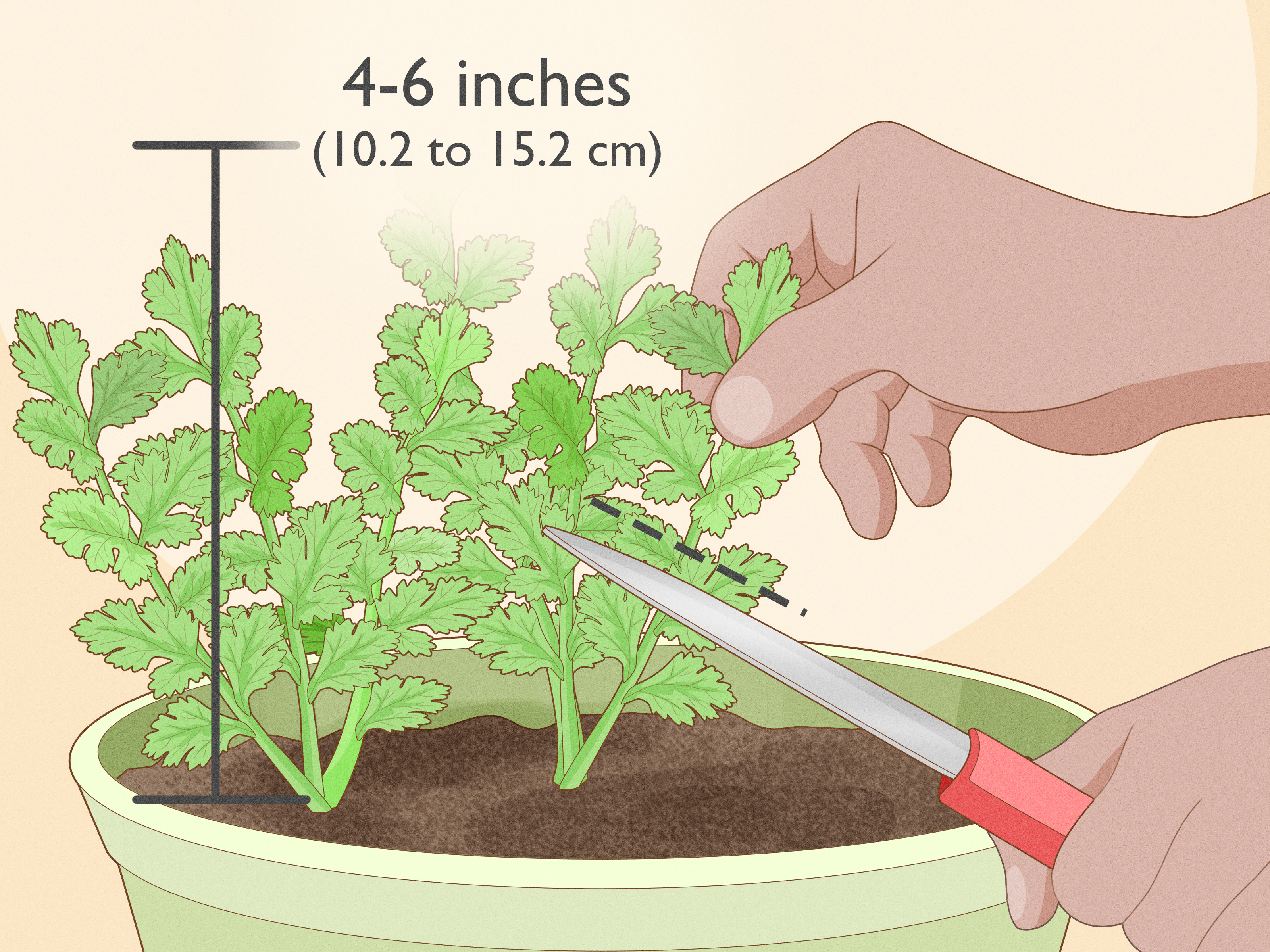
Begin harvesting when plants are several inches tall and have enough leaves to recover. Snip outer stems first, leaving the center of the plant to continue growing. Avoid cutting the entire plant too low unless you are ready for a one-time harvest. For the best flavor, harvest in the morning after dew dries but before the day becomes hot.
If plants bolt, you have two choices. You can pull them and replant, or you can let them flower. Cilantro flowers attract beneficial insects, and the seeds can be harvested as coriander once they mature and dry. Even when cilantro “fails” as a leaf crop, it often succeeds as a spice crop. That is not failure; that is rebranding.
Way 2: Grow Cilantro in Containers
Container gardening is one of the easiest ways to grow cilantro if you have limited space. A pot of cilantro can live on a balcony, patio, deck, doorstep, or sunny windowsill. Containers also give you more control over soil quality, drainage, and placement. When the weather gets hot, you can move the pot into a cooler, shadier spot. Try doing that with an in-ground garden bed and you will quickly understand the appeal of containers.
Pick the Best Pot
Choose a container with drainage holes. This is non-negotiable. Cilantro roots need oxygen as much as they need water, and a pot without drainage can turn good intentions into root rot. A container that holds at least two to five gallons works well for small herb plantings. The pot should be deep enough to accommodate cilantro’s taproot, so avoid very shallow trays unless you are growing microgreens.
Terra-cotta pots breathe well but dry out faster. Plastic, resin, or glazed ceramic pots hold moisture longer. Either can work. The best pot is the one you will actually check and water before the cilantro starts writing its will.
Use the Right Potting Mix
Do not fill containers with dense garden soil. Garden soil can compact in pots, reducing drainage and airflow. Use a high-quality potting mix designed for containers. If the mix feels fluffy, drains well, and holds moisture without becoming muddy, you are on the right track.
Because cilantro is harvested for leaves, it appreciates steady nutrition, but it does not need heavy feeding. Too much fertilizer can encourage soft, excessive growth and may reduce herb flavor. A compost-enriched potting mix or a light application of balanced fertilizer is usually enough.
Planting Cilantro in Pots
Sow seeds directly into the container about one-half inch deep. Scatter them evenly, cover lightly with mix, and water gently. Once seedlings appear, thin crowded areas so the plants have enough space. For a fuller look, you can grow cilantro somewhat closer in pots than in a seed crop, especially if you plan to harvest young leaves often.
If you buy a cilantro transplant from a nursery, handle it carefully. Transplants can work, but cilantro is often happier when grown from seed. If the roots are crowded, loosen them gently only if necessary, and plant at the same depth as the original container. Then water well and keep the pot out of harsh sun for a day or two while the plant adjusts.
Container Care Tips
Container cilantro dries out faster than cilantro in the ground. Check moisture often by touching the top inch of potting mix. If it feels dry, water deeply until water runs from the drainage holes. In hot weather, a small pot may need water daily. During cool weather, it may need much less.
Place the container where it receives several hours of sun. In spring and fall, full sun is usually fine. In summer, morning sun and afternoon shade are better. If your cilantro keeps bolting in containers, the problem is probably heat stress, inconsistent watering, or both. Move the pot, reseed, and pretend the previous batch was a coriander experiment.
Harvesting Container Cilantro
Harvest container cilantro the same way you harvest garden cilantro: snip outer stems first and leave the growing center. Because containers have limited root space, regular light harvests are better than removing too much at once. If you cook with cilantro often, plant multiple pots two or three weeks apart. That way, while one pot is producing, another is just getting started.
Way 3: Grow Cilantro Indoors
Growing cilantro indoors is convenient, especially if you cook often and want fresh herbs within arm’s reach. It is also a good option in winter or for gardeners without outdoor space. Indoor cilantro can be slightly more demanding because light is often limited, but with the right setup, it can produce flavorful leaves.
Start With Light
The biggest indoor herb challenge is light. Cilantro needs bright light to grow well. A sunny south- or west-facing window may work, but in many homes, especially during winter, natural light is not enough for strong growth. If seedlings become tall, pale, and floppy, they are reaching for more light.
Grow lights can solve this problem. Place the light a few inches above the seedlings and keep it on for about 14 to 16 hours per day. Raise the light as the plants grow. You do not need a laboratory-grade setup; a simple full-spectrum grow light can make a big difference.
Choose an Indoor Container
Use a container with drainage holes and a saucer underneath. A pot that is at least six to eight inches deep is a good choice. Fill it with fresh potting mix, not reused compacted soil from last year’s mystery pot. Cilantro may be humble, but it deserves better than old dirt and regret.
Sow seeds directly in the pot, cover lightly, and mist or water gently. Keep the soil evenly moist during germination. A clear plastic cover can help maintain humidity until seeds sprout, but remove it once seedlings appear to prevent mold and poor airflow.
Indoor Temperature and Watering
Cilantro grows best in moderate indoor temperatures. Very warm rooms can encourage bolting or weak growth. Keep plants away from heating vents, cold drafts, and windowsills that become freezing at night. Consistent conditions are more important than perfection.
Water when the top of the potting mix begins to dry. Do not let the pot sit in standing water. Indoor gardeners often overwater herbs because the plant is nearby and looking at them. Resist the urge. Cilantro likes moisture, not swamp life.
Harvest Indoor Cilantro
Indoor cilantro is usually best harvested as a cut-and-come-again herb. Snip stems when the plant is several inches tall. Use sharp scissors and avoid removing more than one-third of the plant at a time. Because indoor cilantro can be short-lived, start a new pot every few weeks for a steady supply.
If your indoor cilantro bolts, let it flower if you enjoy the look or want coriander seed. Otherwise, compost it and start again. Cilantro is fast enough from seed that restarting is usually easier than trying to rescue a tired plant.
How to Prevent Cilantro From Bolting Too Soon
Bolting is the number one complaint gardeners have about cilantro. One week you have lush leaves; the next week your plant has shot up a flower stalk and seems to be applying for retirement. While you cannot stop cilantro’s natural life cycle forever, you can slow it down.
Plant During Cool Weather
The simplest way to delay bolting is to grow cilantro during the seasons it prefers. Plant in early spring, late summer, or fall. In hot climates, grow it during the cooler months. Trying to force cilantro through intense summer heat often ends in flowers, seeds, and emotional damage.
Use Shade Strategically
Afternoon shade can reduce heat stress. This is especially useful in warm regions or late spring plantings. Containers make shade management easy because you can move the pot. In garden beds, plant cilantro near taller crops or use shade cloth during hot spells.
Keep Soil Moist
Dry soil can stress cilantro and encourage bolting. Water consistently, especially in containers. The soil should be moist but not waterlogged. Mulch can help outdoor plants by cooling the soil and reducing evaporation.
Succession Plant Often
Even with perfect care, cilantro is not a forever herb. The most reliable way to enjoy a continuous harvest is to sow fresh seeds every two to four weeks. Succession planting turns cilantro’s short life cycle from a problem into a plan.
Common Cilantro Growing Problems
Cilantro is fairly easy to grow, but a few problems can show up. Most are related to heat, moisture, light, or overcrowding.
Weak, Leggy Seedlings
Leggy seedlings usually need more light. Outdoors, thin crowded plants and make sure they are not shaded too heavily. Indoors, move them closer to a bright window or use a grow light.
Yellow Leaves
Yellowing leaves may come from overwatering, poor drainage, low nutrients, or natural aging. Check the soil first. If it is constantly wet, improve drainage and water less often. If the plant is old and starting to flower, yellowing may simply mean it is nearing the end of its leafy stage.
Fast Flowering
Fast flowering is usually caused by heat, long days, drought stress, or planting too late in the season. Grow cilantro in cooler weather, provide afternoon shade, and plant small batches regularly.
Poor Germination
Poor germination can happen when seed is old, soil dries out, or temperatures are not favorable. Use fresh seed, plant at the right depth, and keep the soil evenly moist until seedlings emerge.
Best Ways to Use Fresh Cilantro
Fresh cilantro is most flavorful when used near the end of cooking or as a garnish. Heat can soften its flavor, so add it to soups, curries, stir-fries, and beans just before serving. It is also excellent in salsa, guacamole, chutney, salads, marinades, noodle bowls, rice dishes, and grilled meats.
Use the tender stems, too. Cilantro stems carry plenty of flavor and are often less delicate than the leaves. Chop them finely for sauces or blend them into dressings. If you have been throwing them away, consider this your official permission slip to stop wasting the good stuff.
Experience-Based Tips for Growing Cilantro Successfully
After growing cilantro in different conditions, one lesson becomes obvious: cilantro rewards gardeners who think in batches, not single plants. A single cilantro plant is not a long-term relationship. It is more like a seasonal guest who brings snacks, leaves early, and sometimes sends coriander seeds afterward. If you want a steady supply, plant small amounts often.
One practical approach is to keep three cilantro zones going at the same time. The first zone is ready to harvest. The second is young and filling in. The third is newly seeded. This simple rotation works in raised beds, containers, and indoor pots. It also prevents the familiar heartbreak of using your last handful of cilantro and realizing the next batch is still imaginary.
Another useful experience is to stop fighting summer heat. Many gardeners try to make cilantro behave like basil in July, but cilantro is not basil. Basil throws a pool party in hot weather; cilantro packs a suitcase. When temperatures climb, switch strategies. Move container cilantro into morning sun, use afternoon shade, harvest earlier, and let some plants flower for beneficial insects. Then restart serious leaf production in late summer or fall.
Containers are especially forgiving for beginners. A wide pot near the kitchen door can produce enough cilantro for regular meals, and it keeps the herb visible. Visibility matters because herbs hidden at the back of the yard often become compost with roots. When cilantro is close to the kitchen, you remember to water it, harvest it, and use it while the leaves are fresh.
Indoor cilantro is worth trying, but expectations should be realistic. A windowsill pot may not produce giant bunches like the grocery store, especially in winter. However, it can give you fresh leaves for topping eggs, soup, tacos, or rice. For better indoor results, use grow lights and start new seeds regularly. Indoor cilantro is more of a fresh garnish station than a full farm, unless you dedicate serious light and space.
Harvesting technique also makes a difference. Instead of waiting for a huge plant, begin taking small outer stems once the plant is established. This encourages useful growth and gives you better flavor. Cilantro leaves are usually most tender before the plant stretches upward to flower. If you see a thick central stalk forming, harvest generously. The plant is announcing its next career move.
Finally, do not overlook coriander. If your cilantro bolts, let a few plants finish their life cycle. The flowers are attractive, pollinators appreciate them, and the dried seeds are wonderful in spice blends, pickles, curries, and roasted vegetables. Saving seed also teaches you the full rhythm of the plant. You begin with round seeds, enjoy fresh leaves, watch flowers appear, and end with more seeds. That is a tidy little garden story, and it smells fantastic.
Conclusion
Growing cilantro is not hard once you understand what the plant wants. It prefers cool weather, well-drained soil, steady moisture, and frequent replanting. You can grow cilantro outdoors from seed, raise it in containers, or keep it indoors with enough light. The key is to work with its natural life cycle instead of expecting one plant to produce forever.
For the best results, sow cilantro seeds directly, harvest outer stems regularly, provide shade when temperatures rise, and plant new batches every few weeks. If the plant bolts, do not panic. Use the flowers to support beneficial insects or collect the seeds as coriander. Cilantro may be quick to grow and quick to bolt, but with the right strategy, it can become one of the most useful herbs in your home garden.