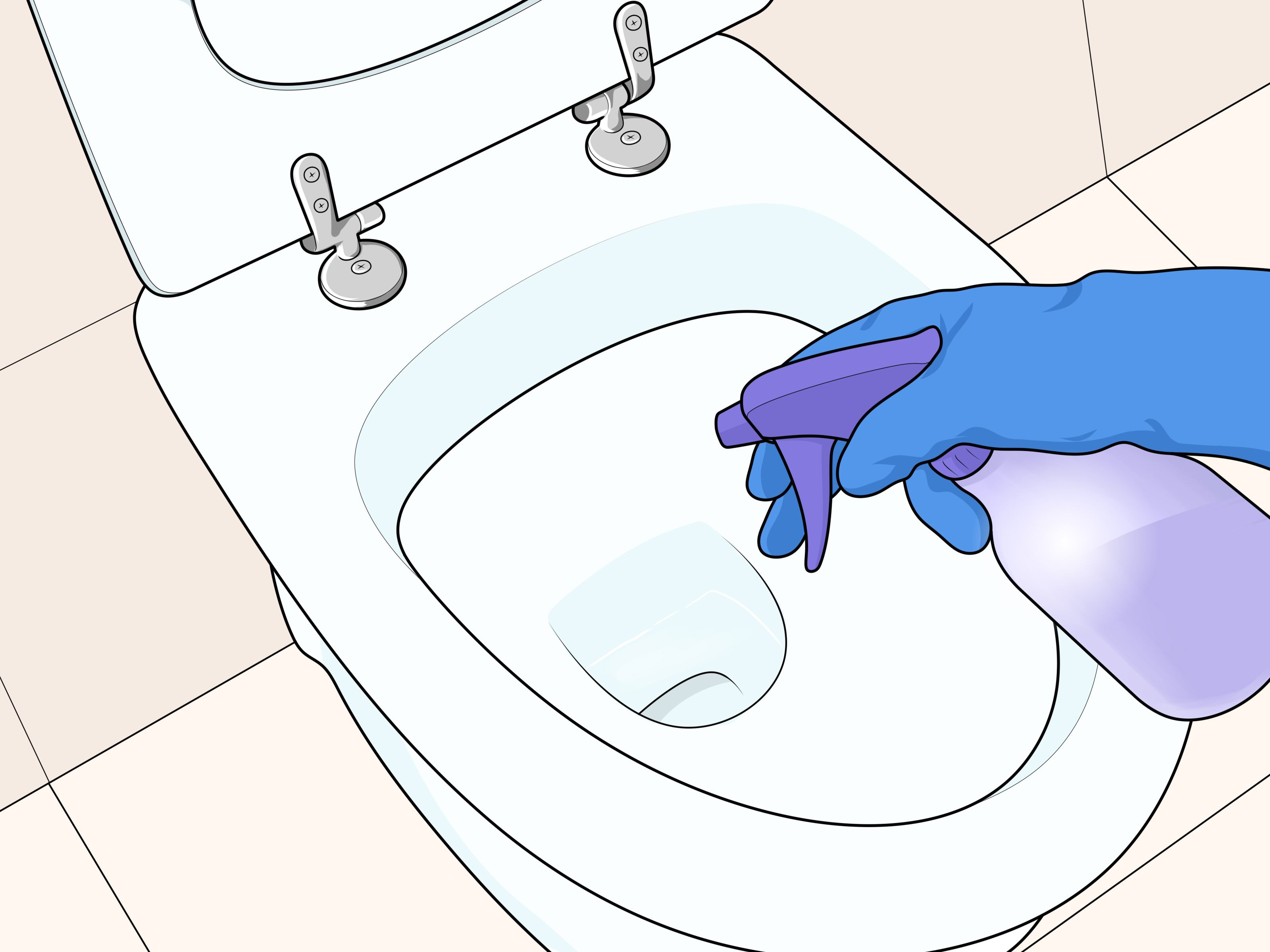
Note: Bleach can be useful for disinfecting hard, nonporous bathroom surfaces, but it must be used carefully. Always read the product label, ventilate the room, wear gloves, and never mix bleach with ammonia, vinegar, acidic toilet cleaners, rubbing alcohol, hydrogen peroxide, or any other cleaning product.
Few household chores inspire as much dramatic sighing as cleaning a toilet or bidet. Nobody writes poetry about scrubbing under the rim. Nobody lights a candle and says, “Ah yes, grout-adjacent splatter managementmy favorite self-care ritual.” Still, a clean bathroom matters. It helps control odors, reduces germ spread, keeps stains from turning into permanent roommates, and makes the whole space feel less like a crime scene and more like a functioning home.
Bleach, when used correctly, is one of the most familiar disinfecting tools in American homes. It can help whiten porcelain, deodorize, and disinfect hard surfaces. But bleach is not magic water. It is a strong chemical disinfectant, and the “strong” part deserves respect. Used the right way, it can help you clean a toilet bowl, freshen a ceramic bidet, or disinfect high-touch bathroom surfaces. Used the wrong way, it can damage finishes, irritate skin and lungs, or create dangerous fumes. The bathroom is already dramatic enough; it does not need a chemistry experiment.
This guide explains three practical ways to clean a toilet or bidet using bleach: deep-cleaning the toilet bowl, disinfecting exterior toilet and bidet surfaces, and using bleach carefully around bidets and bidet toilet seats. You will also find safety tips, common mistakes, and real-life cleaning experience notes to help you avoid the classic “I made it worse” moment.
Before You Begin: Bleach Safety Rules You Should Not Ignore
Before opening the bottle, set yourself up for a safe cleaning session. Bleach works best on hard, nonporous surfaces such as glazed porcelain. Toilets and many standalone bidet bowls are usually made from glazed ceramic or porcelain, which makes them suitable candidates for bleach-based cleaning when the manufacturer allows it. However, electronic bidet seats, nozzles, rubber gaskets, chrome parts, painted controls, metal fittings, natural stone, and unsealed surfaces may be damaged by harsh chemicals.
Gather Your Supplies
You do not need a rolling cart full of mystery sprays. In fact, the fewer products you use with bleach, the safer you are. Gather rubber gloves, a toilet brush, microfiber cloths, paper towels if preferred, a measuring cup or spoon, cool water, household bleach or a bleach-based toilet bowl cleaner, and a bucket or labeled spray bottle used only for diluted bleach. Keep the bottle in its original container whenever possible so the instructions and safety warnings stay with the product.
Ventilate the Bathroom
Open a window, turn on the exhaust fan, or keep the door open. Bleach has a sharp odor, and even when used correctly, it can bother people with asthma, allergies, or sensitive airways. Good airflow makes the job safer and more pleasant. Your bathroom should smell clean, not like a swimming pool got into a fight with a laboratory.
Never Mix Bleach With Other Cleaners
This is the golden rule. Do not mix bleach with ammonia, vinegar, acidic toilet bowl cleaners, limescale removers, drain cleaners, rubbing alcohol, hydrogen peroxide, or “just a little” of another product. Mixing bleach with the wrong substance can release toxic gases. Also, be careful around urine. Urine can contain ammonia compounds, so flush first before applying bleach inside the bowl.
Clean First, Then Disinfect
Bleach disinfects better after visible dirt, soap film, mineral buildup, and grime are removed. If a surface is visibly dirty, wipe it with mild soap and water first, then rinse or wipe away the soap before using bleach. Disinfectants need direct contact with the surface. If they are sitting on top of gunk, they are basically disinfecting the gunk’s hat.
Way 1: Deep-Clean a Toilet Bowl With Bleach
The toilet bowl is the most obvious place to use bleach. A bleach-based toilet bowl cleaner can help remove stains, reduce odors, and disinfect the inside of the bowl. This method is best for standard porcelain toilet bowls, especially when you want a deeper clean after regular use, illness in the household, or visible staining.
Step 1: Flush First
Start by flushing the toilet. This clears away urine, waste, and loose debris. It also wets the inside of the bowl, helping the cleaner spread more evenly. If the bowl has not been cleaned in a while, you may want to give it a quick brush first and flush again before applying bleach cleaner.
Step 2: Apply Bleach Cleaner Under the Rim
If you are using a bleach-based toilet bowl gel, apply it under the rim so it coats the upper bowl and runs down the sides. The rim area is where grime, mineral deposits, and odor-causing residue like to hide. Think of it as the VIP lounge for bathroom nastiness. Aim the nozzle upward under the rim and move around the bowl in a slow circle.
If you are using diluted household bleach rather than a commercial toilet bowl gel, check the label first. Many public health cleaning instructions use diluted bleach solutions for hard, nonporous surfaces, but toilet bowl products vary. A common household disinfecting dilution is made with bleach and cool water, never hot water. Hot water can increase fumes and may reduce stability. Always follow the specific bleach bottle instructions for surface disinfection.
Step 3: Scrub the Entire Bowl
Use a toilet brush to scrub under the rim, down the bowl walls, and into the waterline. Pay special attention to the siphon jet area and the lower curve of the bowl, where stains often collect. For mineral rings, bleach may lighten discoloration, but it does not dissolve hard-water scale as effectively as an acidic cleaner. Since acids and bleach should never be mixed, choose one approach per cleaning session. If you need to remove mineral scale, do that on a different day after the bowl has been thoroughly flushed and rinsed.
Step 4: Let It Sit for the Label Contact Time
Disinfectants need time to work. Many bleach toilet bowl cleaners instruct users to let the product sit for several minutes before flushing. Follow the label exactly. During this time, keep pets, children, and unsuspecting sleepy adults away from the toilet. The surface should remain wet for the required contact time so the disinfectant can do its job.
Step 5: Flush and Rinse the Brush
After the contact time, flush. Rinse the brush in the fresh bowl water as the toilet flushes, then let the brush drip dry before returning it to its holder. A wet toilet brush sealed immediately in a closed holder can become a tiny swamp on a stick. Letting it dry helps reduce odor and bacterial growth.
Way 2: Disinfect the Toilet Exterior and Nearby Hard Surfaces
The inside of the bowl gets all the attention, but the outside of the toilet is where hands, splashes, dust, and bathroom humidity team up. The flush handle, seat hinges, lid, outer bowl, base, and floor around the toilet can all collect germs and grime. Bleach can be used on some hard, nonporous exterior surfaces, but it should be diluted correctly and rinsed when needed.
Step 1: Pre-Clean With Mild Soap and Water
Start with a cloth dampened with mild soapy water. Wipe the tank lid, flush handle, lid, seat top, underside of the seat, hinges, outer bowl, and base. This removes dust, hair, toothpaste mist, and the mysterious bathroom film nobody wants to name. Rinse the cloth or use a fresh damp cloth to remove soap residue before applying bleach solution.
Step 2: Use a Diluted Bleach Solution
For disinfecting hard, nonporous surfaces, use a properly diluted bleach solution according to the bleach label. Do not guess by “vibes.” More bleach is not automatically better; it can increase fumes, irritate skin, and damage surfaces. Mix bleach with cool water only, and make a fresh solution when needed. Do not store diluted bleach for long periods unless the product instructions specifically allow it.
Apply the solution with a cloth rather than wildly spraying it around the bathroom. Spraying can send droplets into the air and onto surfaces that do not appreciate bleach, such as metal fixtures, fabric bath mats, painted walls, or natural stone floors. A controlled wipe is safer and neater.
Step 3: Keep the Surface Wet
Contact time matters. If the surface dries immediately, the disinfectant may not have enough time to work. Reapply lightly if needed so the surface stays visibly wet for the time listed on the product label. For high-touch points like the flush handle, seat edges, and lid, this step is especially important.
Step 4: Rinse Surfaces People Touch
After the contact time, wipe with clean water on surfaces that skin touches, such as the toilet seat, lid, and flush handle. This helps remove residue and reduces the chance of irritation. Dry with a clean cloth. The goal is a disinfected bathroom, not a surprise chemical handshake.
Step 5: Do Not Use Bleach in the Toilet Tank
Avoid pouring bleach into the toilet tank or using in-tank bleach tablets unless the toilet manufacturer specifically allows them. Strong chemicals sitting in the tank can damage rubber flappers, seals, and other internal parts. A damaged flapper can lead to leaks, running water, and the kind of utility bill that makes you stare at the toilet like it betrayed you.
Way 3: Clean a Bidet or Bidet Toilet Seat Carefully With Bleach
Bidets require a little more caution than standard toilets because many modern bidet attachments and bidet toilet seats include plastic parts, spray nozzles, rubber seals, heated seats, sensors, control panels, and electrical components. Bleach may be suitable for the ceramic bowl of a standalone bidet or the toilet bowl under a bidet seat, but it is often too harsh for the seat, nozzle, and electronics.
For a Standalone Ceramic Bidet
If you have a traditional standalone ceramic bidet, treat the bowl much like a sink or toilet bowl made of glazed porcelain. First, rinse the surface with water. Remove visible soil with mild soap and a soft cloth or sponge. Then, if the manufacturer allows bleach, apply a diluted bleach solution to the porcelain surface. Keep it away from metal faucet finishes, drain trim, rubber seals, and surrounding stone or wood surfaces.
Let the bleach solution sit for the label contact time while keeping the surface wet. Then rinse thoroughly with clean water. Rinsing is important because bleach residue can dull finishes, irritate skin, and interact with other products used later.
For a Bidet Toilet Seat or Attachment
For an electric bidet seat or non-electric bidet attachment, do not automatically reach for bleach. Many manufacturers recommend mild soap, warm water, and a soft cloth for the seat and exterior. Some warn against harsh chemicals, chloride-based cleaners, direct spraying, or abrasive pads because these can damage plastic, nozzles, seals, or electronic controls.
Unplug the electric bidet before cleaning the exterior unless the manual says otherwise. Wipe the seat, lid, and control area with a damp cloth and mild cleaner. Never spray bleach directly onto the nozzle, seat, control panel, or electrical housing. If bleach is used in the toilet bowl beneath a bidet seat, keep the lid and seat raised, avoid splashing, and rinse or flush thoroughly so fumes and residue do not linger around the bidet unit.
Cleaning the Bidet Nozzle
The nozzle is not the place for bleach bravado. Use the self-cleaning function if your bidet has one. For manual cleaning, extend the nozzle according to the product instructions and wipe gently with a soft damp cloth or soft toothbrush. Mild soap and water are usually enough. Harsh chemicals can damage the nozzle surface or internal parts. If there is mineral buildup, check the manual before using any descaling product, and never combine descalers with bleach.
Common Mistakes When Cleaning With Bleach
Using Bleach on Every Bathroom Surface
Bleach is not an all-purpose fairy godmother. It is not ideal for natural stone, unsealed grout, wood, many metals, colored fabrics, some plastics, or electronic bidet parts. Use it where it belongs: hard, nonporous surfaces that the product label and fixture manufacturer say can handle it.
Skipping the Pre-Clean
Bleach disinfects best after grime is removed. If you apply bleach over a thick layer of soap scum, dust, or organic matter, you are asking it to do two jobs at once. Pre-cleaning makes disinfecting more effective and usually makes the final result look better.
Flushing Too Soon
If you apply bleach cleaner to the bowl and immediately flush, you have mostly performed an expensive swirl. Let the product sit for the recommended time. Contact time is what separates actual disinfecting from bathroom-themed wishful thinking.
Forgetting to Rinse
Rinsing helps protect surfaces and skin. This is especially important on toilet seats, bidet bowls, nearby flooring, and any area a person may touch. After bleach has done its job, remove residue with clean water when the label or surface type calls for it.
Combining Products for “Extra Power”
More products do not mean more clean. Bleach plus another cleaner can mean dangerous fumes. Use one product at a time, rinse thoroughly between different cleaning methods, and avoid viral cleaning hacks that turn your bathroom into a bubbling potion scene.
How Often Should You Clean a Toilet or Bidet With Bleach?
For most homes, the toilet bowl should be cleaned at least once a week. High-use bathrooms may need more frequent cleaning. Bleach does not need to be used every single time if the bathroom is generally healthy and well maintained. Mild cleaners can handle routine soil, while bleach can be reserved for periodic disinfecting, stubborn odors, or cleanup after someone in the household has been sick.
Bidets should be wiped regularly because water droplets, body oils, and bathroom humidity can leave residue. For electric bidet seats, follow the manufacturer’s cleaning schedule. The nozzle may need weekly or biweekly attention depending on use and water hardness. If your bidet has a self-cleaning nozzle, use that feature often, but do not assume it replaces occasional manual wiping.
Bleach Alternatives for Routine Bathroom Cleaning
Bleach is useful, but it is not always necessary. Mild dish soap and warm water can remove everyday grime. Hydrogen peroxide-based cleaners, citric acid cleaners, or EPA-registered bathroom disinfectants may be suitable alternatives, depending on the surface and your goals. If you choose an alternative, read the label and never combine it with bleach. Also, remember that acidic cleaners are often better for mineral deposits and limescale, while bleach is better known for disinfecting and whitening. Use them in separate cleaning sessions with plenty of rinsing in between.
Extra Experience Notes: What Actually Works in Real Bathrooms
After cleaning plenty of bathroomsthe tiny apartment kind, the family-of-five kind, and the guest-bathroom-that-somehow-got-forgotten kindthe biggest lesson is that bleach works best as part of a routine, not as a panic button. If you wait until the toilet bowl has rings, the base has dust armor, and the bidet nozzle looks like it has been through a weather event, bleach alone will not save the day gracefully. It may disinfect, but it will not magically erase every mineral deposit or repair neglected surfaces.
The easiest routine is a two-level system. Do a light clean during the week: wipe the seat, handle, lid, and bidet controls with mild soap and water or a surface-safe cleaner. Scrub the bowl before stains settle in. Then, when you need a stronger reset, use bleach carefully for disinfecting. This keeps the bathroom from reaching the point where you need gloves, goggles, emotional support, and a motivational playlist.
One practical trick is to clean from “least gross” to “most gross.” Start with the tank lid, handle, and upper surfaces. Then move to the seat and lid. After that, clean the outer bowl and base. Save the inside of the bowl for last. This order helps avoid dragging the worst grime onto cleaner areas. Use separate cloths if possible, or switch to disposable towels for the dirtiest zones.
Another experience-based tip: pay attention to the toilet base. Many people scrub the bowl until it shines, then ignore the base where dust, hair, and tiny splashes collect. A diluted bleach wipe may be appropriate for hard, nonporous flooring around the toilet if the floor material allows it, but many floors do not love bleach. For tile, test first and avoid soaking grout repeatedly. For wood, natural stone, or specialty flooring, skip bleach and use the cleaner recommended for that material.
With bidets, the smartest habit is gentleness. A bidet is not just a bowl; it may be a small appliance. Treat the seat and nozzle like something with parts, because it is. The best-looking bidet seats are usually maintained with soft cloths, mild soap, and regular wipingnot aggressive bleach spraying. If bleach is used in the toilet bowl under a bidet seat, leave the seat raised, avoid splashing, flush thoroughly, and wipe away any residue. This small habit can help prevent discoloration and lingering chemical odor.
For odors, do not assume the answer is always more bleach. Odor may come from under the rim, around the seat hinges, the toilet base, a dirty brush holder, or a bidet nozzle that needs attention. Clean those areas directly. The toilet brush holder is a repeat offender. Rinse it, disinfect it when appropriate, and let it dry. A clean bowl paired with a swampy brush holder is like wearing a tuxedo with muddy shoes.
Finally, make the job easy to repeat. Keep gloves, a brush, and approved cleaners nearby but safely stored away from children and pets. Label any diluted bleach solution clearly, and do not keep mystery mixtures around. The less complicated your system is, the more likely you are to use it. Bathroom cleaning will never become a glamorous hobby, but it can become quick, safe, and surprisingly satisfyingespecially when the porcelain shines and the room smells fresh instead of suspicious.
Conclusion
Cleaning a toilet or bidet using bleach is not complicated, but it does require care. Use bleach where it makes sense: inside a porcelain toilet bowl, on approved hard nonporous exterior surfaces, and on ceramic bidet bowls when the manufacturer allows it. Avoid using bleach on electronic bidet seats, nozzles, metal finishes, rubber parts, natural stone, or anything that could be damaged by harsh chemicals.
The safest method is simple: ventilate, wear gloves, flush first, pre-clean visible grime, apply bleach correctly, allow the proper contact time, rinse when needed, and never mix cleaning products. Follow those rules and your toilet or bidet can be clean, fresh, and disinfected without turning your bathroom into a cautionary tale.