Steamed pears are the quiet little kitchen miracle nobody brags about loudly enough. They are soft, sweet, cozy, naturally fragrant, and wonderfully forgiving. Even better, they do not require pastry school, a copper pot, or the emotional stamina needed to make a pie crust from scratch. With a few ripe pears, a splash of water, and a little heat, you can turn a humble fruit bowl resident into breakfast, dessert, baby food, a snack, or the kind of warm bowl you eat while pretending you are “just having fruit.”
This guide covers 3 simple ways to steam pears: the classic stovetop steamer basket method, a fast microwave method, and a no-steamer covered-pan method. Each one gives you tender pears without drowning them in syrup or turning them into fruit soup. You will also learn how to pick the right pears, how long to steam them, what flavors work best, and how to serve them in ways that feel much fancier than the effort involved.
Pears are naturally sweet, contain dietary fiber, and count as part of the fruit group. A medium pear is commonly treated as a one-cup fruit equivalent, making steamed pears a simple way to add more fruit to meals. When heated gently, pears become softer and juicier, and their floral sweetness becomes more noticeable. In other words, steaming pears is what happens when fruit puts on a sweater and gets charming.
Why Steam Pears?
Steaming is one of the easiest ways to cook pears because it uses moist heat rather than direct dry heat. Instead of browning or crisping the fruit, steam softens the pear flesh while helping it keep its delicate flavor. This makes steamed pears especially useful for babies, toddlers, older adults, people who prefer softer foods, or anyone who wants a gentle dessert without a mountain of added sugar.
Unlike poaching, steaming does not require a large amount of liquid. Unlike baking, it does not require preheating the oven. Unlike frying, it does not ask you to explain yourself. Steamed pears are simple, clean, and adaptable. You can serve them plain, drizzle them with honey, spoon them over oatmeal, blend them into puree, or pair them with yogurt, nuts, cinnamon, ginger, or a small scoop of vanilla ice cream.
Choosing the Best Pears for Steaming
The best pears for steaming are ripe but not collapsing. You want fruit that gives slightly near the neck when pressed gently with your thumb. If the pear is rock-hard, it can still be steamed, but it will take longer and may taste less sweet. If the pear is mushy, bruised, or leaking juice like it has secrets to confess, use it for sauce or smoothies instead.
Good pear varieties for steaming
Bosc pears are excellent when you want slices or halves that hold their shape. They are firm, aromatic, and slightly spicy in flavor. Anjou pears also work well because they stay pleasantly structured while becoming tender. Bartlett pears are sweet and juicy, but they soften quickly, so watch them closely. Comice pears are rich and buttery, best for a softer, dessert-like result.
Asian pears are crisp and juicy, more apple-like in texture. They can be steamed, but they will not become creamy in the same way European pears do. Use them when you want a lightly softened, still-refreshing fruit texture.
Before You Steam: Prep Pears the Right Way
Start by rinsing pears under cool running water. Do not use soap, detergent, bleach, or commercial produce wash. Pears are food, not laundry. Rub the skin gently with your hands, then dry with a clean towel. Even if you plan to peel them, washing first helps reduce the chance of transferring anything from the skin to the flesh while cutting.
Next, decide whether to peel. For a silky dessert or baby puree, peeled pears are best. For extra texture and less waste, leave the skin on. The skin may become slightly firmer after heating, so peeled pears usually feel more elegant. Core the pears with a melon baller, small spoon, or paring knife. Then cut them into halves, wedges, slices, cubes, or finger-sized sticks depending on how you plan to serve them.
Method 1: Classic Stovetop Steamed Pears
This is the most reliable method and the best place to start. A steamer basket gives the pears gentle, even heat while keeping them above the water. The result is tender fruit with concentrated flavor, not watery fruit that looks like it had a rough day.
Ingredients
- 2 to 4 ripe but firm pears
- 1 to 2 inches of water
- Optional: cinnamon stick, lemon peel, fresh ginger, vanilla, or star anise
- Optional for serving: honey, maple syrup, yogurt, oatmeal, chopped nuts, or granola
Steps
- Wash the pears under cool running water and dry them.
- Peel if desired, then core and cut into halves, wedges, slices, or cubes.
- Add 1 to 2 inches of water to a saucepan. Keep the water below the bottom of the steamer basket.
- Add optional aromatics to the water, such as a cinnamon stick or a few slices of ginger.
- Place the pears in the steamer basket in a single layer when possible.
- Cover the pot and bring the water to a steady simmer.
- Steam for 6 to 12 minutes, depending on pear ripeness and size.
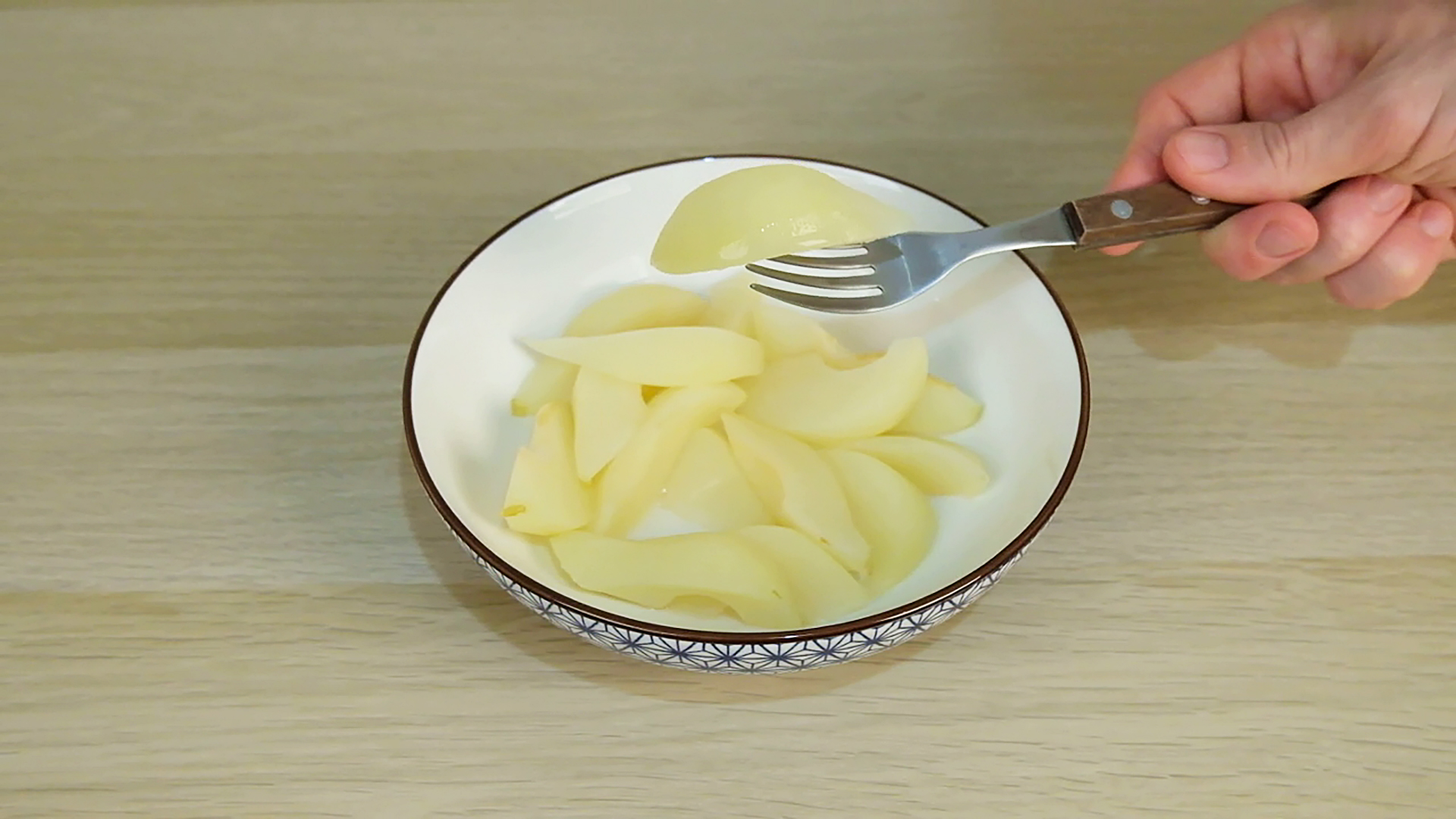
- Check with a fork. The pears should be tender but not falling apart.
- Serve warm, room temperature, or chilled.
Timing guide
Thin slices may take 5 to 7 minutes. Small cubes usually take 6 to 9 minutes. Wedges often need 8 to 12 minutes. Halves can take 12 to 18 minutes, especially if the pears are firm. The goal is fork-tender fruit, not fruit that has surrendered entirely.
Best uses for stovetop steamed pears
Use this method when you want attractive pear pieces for dessert plates, breakfast bowls, lunchbox fruit, or meal prep. Stovetop steaming gives you the most control, making it ideal when texture matters. Add the pears to Greek yogurt with a sprinkle of cinnamon, spoon them over pancakes, or serve them beside roasted pork or chicken for a sweet-savory pairing.
Method 2: Quick Microwave Steamed Pears
The microwave method is perfect when you want warm, tender pears in minutes. It is not quite as elegant as stovetop steaming, but it is fast, practical, and excellent for one or two servings. This is the method for busy mornings, late-night dessert cravings, or moments when the fruit bowl gives you a look and says, “Use me before I become compost.”
Ingredients
- 1 ripe pear
- 1 to 2 tablespoons water
- Optional: pinch of cinnamon, tiny splash of vanilla, lemon juice, or grated ginger
- Optional topping: yogurt, nut butter, honey, or toasted oats
Steps
- Wash, dry, core, and slice or cube the pear.
- Place the pear pieces in a microwave-safe bowl.
- Add 1 to 2 tablespoons water.
- Cover loosely with a microwave-safe lid or plate, leaving a small vent.
- Microwave on high for 60 to 90 seconds.
- Stir carefully, then microwave in 20-second bursts until tender.
- Let the pears rest for 1 minute before eating, because steam is sneaky.
Microwave timing tips
Very ripe pears may be ready in about 1 minute. Firmer pears may need 2 to 3 minutes total. Small cubes cook faster than thick slices. If you are making pear puree, cook until the pieces mash easily with a fork. If you want slices for topping oatmeal or toast, stop when they are tender but still holding their shape.
Best uses for microwave steamed pears
Microwave steamed pears are fantastic for quick breakfasts. Spoon them over oatmeal with cinnamon and walnuts, add them to cottage cheese, or mash them into plain yogurt. For a snack, try warm pear slices with peanut butter or almond butter. For dessert, add a few dark chocolate chips while the pears are still warm and let them melt into a tiny bowl of happiness.
Method 3: No-Steamer Covered-Pan Pears
No steamer basket? No problem. You can steam pears in a covered skillet or saucepan with a small amount of liquid. This method is technically a steam-simmer hybrid, but it works beautifully and requires only basic kitchen equipment. Think of it as the practical cousin of poached pears: less liquid, less fuss, more weeknight-friendly.
Ingredients
- 2 to 4 pears, washed, cored, and sliced
- 3 to 4 tablespoons water, apple juice, or unsweetened pear juice
- 1 teaspoon lemon juice
- Optional: cinnamon, ginger, cardamom, vanilla, orange zest, or a small drizzle of maple syrup
Steps
- Place prepared pear slices in a skillet or shallow saucepan.
- Add water or juice and lemon juice.
- Add spices or aromatics if desired.
- Cover the pan tightly with a lid.
- Cook over medium-low heat for 6 to 10 minutes.
- Shake the pan gently once or twice to prevent sticking.
- Remove the lid and check tenderness with a fork.
- If extra liquid remains, simmer uncovered for 1 to 2 minutes to lightly reduce it.
Why this method works
The small amount of liquid heats, turns to steam, and softens the pears inside the covered pan. Because the pears also touch a little liquid, they absorb flavor from lemon, spices, or juice. This makes the method ideal for a quick dessert sauce or topping.
Best uses for covered-pan pears
Use this method when you want pears with a light glaze. They are delicious over waffles, French toast, pound cake, rice pudding, chia pudding, or vanilla yogurt. For a savory twist, skip the sweetener and add thyme, black pepper, and a pinch of salt, then serve with roasted meat or a sharp cheese board.
How to Flavor Steamed Pears
Pears have a gentle sweetness, so they pair well with warm spices and bright accents. Cinnamon is the classic choice, but do not stop there. Fresh ginger adds a clean, spicy edge. Cardamom makes pears taste floral and fancy. Vanilla brings dessert energy. Lemon juice keeps the flavor lively and helps balance sweetness. Orange zest adds perfume without making the pears taste sour.
Simple flavor combinations
- Cinnamon-vanilla: best for oatmeal, yogurt, and desserts.
- Ginger-lemon: bright, cozy, and excellent for colder days.
- Maple-cardamom: warm and elegant with pancakes or waffles.
- Honey-orange: sweet, fragrant, and brunch-friendly.
- Thyme-black pepper: surprisingly good with cheese or roasted chicken.
If serving steamed pears to babies under 12 months, avoid honey. For young children, keep seasonings mild and cut the fruit into age-appropriate shapes. Soft pear pieces can be slippery, so supervise carefully and follow your pediatric feeding guidance.
How to Serve Steamed Pears
Steamed pears are wonderfully flexible. For breakfast, add them to oatmeal, overnight oats, pancakes, waffles, French toast, or yogurt. For dessert, serve them with whipped cream, mascarpone, ice cream, rice pudding, custard, or a sprinkle of toasted nuts. For snacks, mash them onto toast with ricotta or nut butter.
For a simple healthy dessert, place warm steamed pear halves in a bowl, sprinkle with cinnamon, and add a spoonful of Greek yogurt. For a fancier plate, steam Bosc pear halves until tender, drizzle with reduced pear juices or maple syrup, and finish with toasted pecans. It looks restaurant-worthy, even though the hardest part was finding the lid that fits the pan.
How to Store Steamed Pears
Let cooked pears cool, then store them in an airtight container in the refrigerator. They are best within 3 to 4 days. If you made a puree, refrigerate it in small containers or freeze it in portions. Ice cube trays work well for baby food or smoothie additions. Once frozen solid, transfer the cubes to a freezer-safe bag or container.
Reheat steamed pears gently in the microwave or on the stovetop with a spoonful of water. You can also eat them cold. Cold steamed pears are especially good with yogurt, granola, cottage cheese, or chia pudding.
Common Mistakes to Avoid
Using pears that are too ripe
Overripe pears can turn mushy very quickly. They are still useful, but better for puree, sauce, or smoothies. For slices or halves, choose pears that are ripe near the neck but still firm through the body.
Adding too much water
Steaming requires steam, not a swimming pool. If the pears sit in too much water, they can become bland. Use just enough liquid to create steam and prevent scorching.
Cooking over high heat
High heat can make pears break down unevenly. A steady simmer is better. Gentle cooking keeps the texture smooth and the flavor clean.
Forgetting to check early
Pears vary widely in ripeness and firmness. Start checking before the suggested time is up. A ripe Bartlett and a firm Bosc are not living the same timeline.
Experience Notes: What I’ve Learned from Steaming Pears at Home
The first thing you learn when steaming pears is that pears are dramatic. One day they are hard enough to serve as emergency paperweights, and suddenly they are ripe, fragrant, and demanding immediate attention. That is why checking the neck matters. A pear can feel firm around the middle while the stem end quietly announces, “I am ready for my close-up.” For steaming, that slight give near the stem usually means better sweetness and a shorter cooking time.
In everyday cooking, the stovetop steamer method gives the most consistent results. It is the one I would choose when serving guests or when I want pear halves to look neat. Bosc pears are especially dependable because they hold their shape. They come out tender but not floppy, which is useful if you want to plate them with yogurt, nuts, or a light drizzle of maple syrup. Bartlett pears, on the other hand, are delicious but require more attention. When they are ripe, they can go from tender to baby-food-adjacent in a blink.
The microwave method is the secret weapon for busy mornings. A sliced pear, a spoonful of water, cinnamon, and 90 seconds can rescue plain oatmeal from boredom. The trick is to cover the bowl loosely and let the fruit rest after cooking. That short rest allows the heat to finish softening the pear. It also prevents the classic kitchen mistake of biting into molten fruit and instantly regretting your confidence.
The covered-pan method is my favorite when I want something that feels like dessert but still looks innocent on paper. A few tablespoons of water, a squeeze of lemon, cinnamon, and sliced pears create a light syrup as the fruit releases juice. If you remove the lid for the last minute or two, the liquid reduces slightly and coats the fruit. Add toasted walnuts and a spoonful of yogurt, and you have a dessert that tastes like it required more planning than it did.
One practical lesson: cut size matters more than people think. Thin slices cook quickly and are great for toppings. Cubes are better for puree. Halves are beautiful but need patience. If you mix sizes in the same batch, the small pieces may collapse before the larger ones are tender. Pears are not difficult, but they do appreciate a little fairness.
Another helpful habit is seasoning lightly at first. Pears have a delicate flavor, and too much spice can overwhelm them. Cinnamon is friendly, ginger is lively, cardamom is elegant, and lemon keeps everything from tasting flat. A tiny pinch of salt can also make sweet pears taste more complete. It does not make them salty; it simply turns up the volume.
Steamed pears are also a smart way to reduce food waste. Pears that are slightly bruised can be trimmed and steamed. Pears that are a little too soft can become puree or sauce. Even leftover steamed pears can be chopped into muffin batter, blended into smoothies, stirred into yogurt, or spooned over pancakes. Basically, once pears are steamed, they become very cooperative.
The best part is that steamed pears fit almost any mood. Want breakfast? Add oats. Want dessert? Add vanilla yogurt and nuts. Want baby food? Puree until smooth. Want something cozy on a rainy afternoon? Steam pears with ginger and lemon, then eat them warm from a bowl while pretending you live in a cottage with excellent lighting. Simple food does not have to be boring. Sometimes it just needs steam.
Conclusion
Learning how to steam pears gives you a simple, flexible technique for turning fresh fruit into something soft, sweet, and deeply comforting. The stovetop steamer basket method is best for control and presentation. The microwave method is fastest for single servings. The covered-pan method is perfect when you do not own a steamer but still want tender pears with a light, flavorful glaze.
Whether you serve them for breakfast, dessert, snacks, baby food, or meal prep, steamed pears prove that healthy-ish comfort food does not need to be complicated. Choose ripe but firm pears, cook them gently, season them with restraint, and let the fruit do what it does best: become sweet, fragrant, and surprisingly elegant with almost no drama. Well, almost no drama. They are still pears.