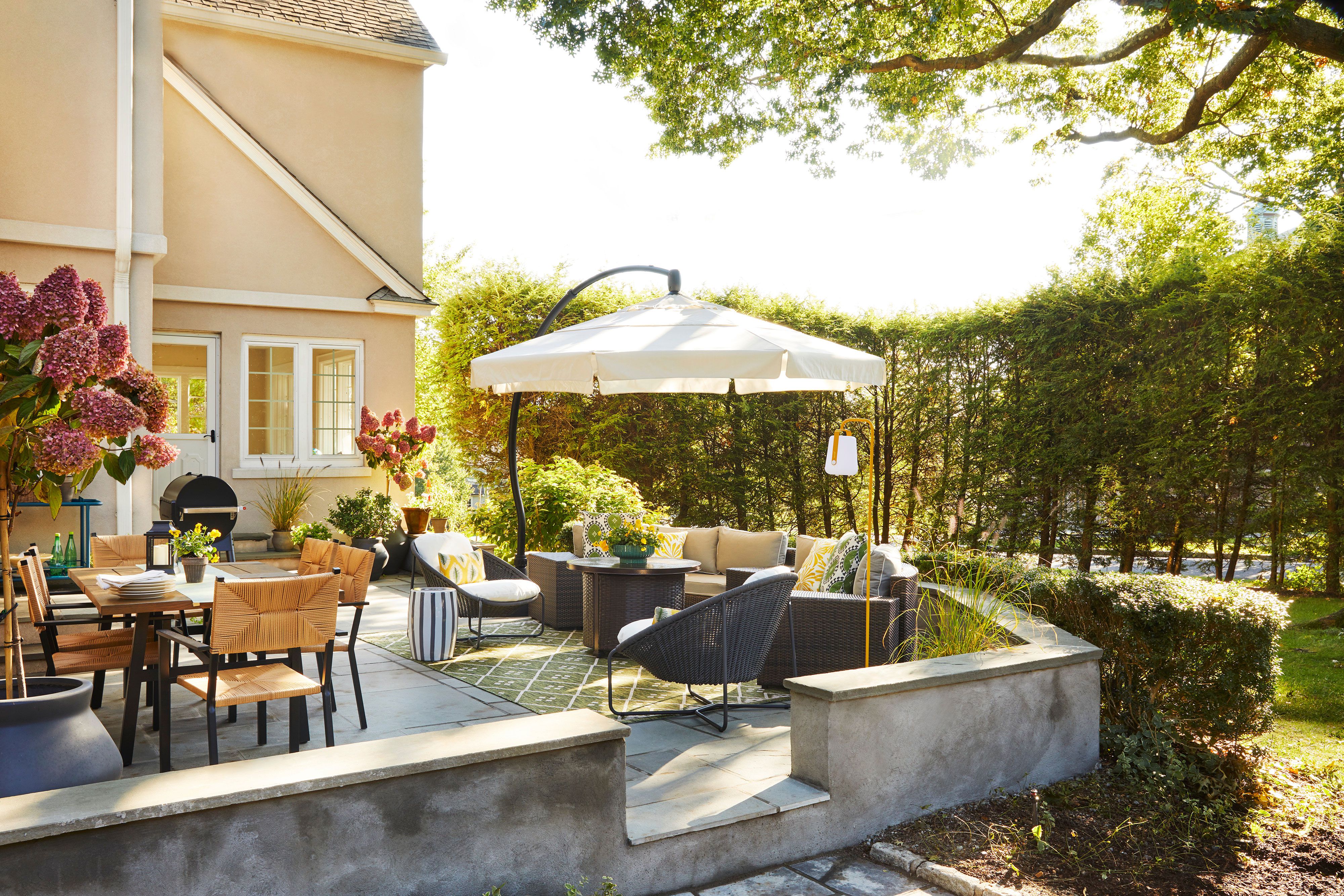
A concrete patio is like the plain white T-shirt of backyard design: simple, dependable, and surprisingly stylish when you know how to dress it up. With the right layout, furniture, greenery, lighting, and finishes, a basic slab can become a warm outdoor living room, a weekend brunch zone, a fire-pit hangout, or a peaceful garden escape where your coffee tastes better simply because it is being consumed outdoors.
The best part? Concrete is durable, flexible, and friendly to many budgets. You can pour it into clean modern shapes, stamp it to mimic stone or brick, stain it in warm earthy tones, paint it with graphic patterns, or soften it with rugs, plants, and furniture. Whether your patio is brand-new or inherited from a previous homeowner who apparently feared color, these concrete patio ideas will help you turn it into a cozy outdoor retreat that feels intentional, comfortable, and ready for real life.
Why Concrete Works So Well for Outdoor Retreats
Concrete patios are popular because they offer a strong foundation for outdoor living without demanding the constant attention of some other materials. They can look modern, rustic, Mediterranean, farmhouse, minimalist, or playful depending on the finish and styling. A smooth gray slab can become a sleek backdrop for colorful seating, while stamped concrete can deliver the character of stone, slate, or tile at a more approachable cost.
Concrete also plays well with design layers. Add a pergola, and suddenly it has structure. Add string lights, and it has atmosphere. Add planters, and it no longer looks like a landing pad for a small aircraft. The magic is not always in replacing the concrete; often, it is in giving it a purpose.
20 Concrete Patio Ideas for a Cozy Outdoor Retreat
1. Create an Outdoor Living Room
Treat your concrete patio like an extension of your indoor living space. Start with a weather-resistant sofa or sectional, then add lounge chairs, a coffee table, outdoor pillows, and a rug large enough to anchor the furniture. The goal is to make the patio feel like a room, not a random furniture parking lot.
For a cozy look, choose soft neutral cushions, woven textures, and a few warm wood accents. If the concrete is cool gray, balance it with beige, terracotta, olive, rust, or natural teak tones. A small side table for drinks is not optional; it is a public service.
2. Add a Pergola for Shade and Structure
A pergola instantly gives a concrete patio height, definition, and shade. It also makes the space feel more finished, especially if your backyard is open and the patio looks a little exposed. Wood pergolas bring warmth, while black metal or powder-coated steel creates a modern edge.
For extra comfort, train climbing vines along the beams, hang outdoor curtains, or add a retractable canopy. A pergola over a dining table or seating area helps define the zone and makes the patio usable during bright afternoons.
3. Warm Things Up With a Fire Pit
A fire pit is one of the easiest ways to make a concrete patio feel like a retreat. It creates a natural gathering point and extends patio season into cooler evenings. Choose a portable metal fire pit for flexibility, a gas fire table for convenience, or a built-in concrete fire feature for a more custom look.
Leave enough clearance around the fire feature and use furniture with durable, outdoor-safe materials. Arrange seating in a circle or U-shape so guests can talk comfortably without doing that awkward “lean forward and shout over the flames” routine.
4. Use Stamped Concrete for Stone-Like Style
Stamped concrete can mimic flagstone, slate, brick, cobblestone, or wood grain. It is a smart choice if you want texture and pattern without using individual stone pieces. For a cozy patio, consider ashlar slate patterns, large-format stone looks, or subtle brick textures.
Keep the color natural for long-term appeal. Soft gray, warm taupe, sandy beige, and charcoal are versatile choices that work with many outdoor furniture styles. A sealed stamped surface can also be easier to clean than some heavily textured natural materials.
5. Paint a Graphic Pattern
If your existing concrete patio is structurally sound but visually sleepy, paint can wake it up quickly. A checkerboard pattern, faux tile design, border stripe, or soft geometric motif adds personality without requiring demolition.
For best results, clean and prep the concrete carefully, use exterior concrete paint or stain, and seal the surface according to product directions. Painted patios may need touch-ups over time, especially in harsh sun or heavy traffic areas, but the transformation can be dramatic and budget-friendly.
6. Define Zones on a Large Patio
A large concrete patio can feel empty if everything is pushed against the edges. Instead, divide it into zones: a dining area near the grill, a lounge area around a rug, a reading corner with a chair and side table, and maybe a play space or container garden.
Use rugs, planters, furniture groupings, and lighting to create visual boundaries. This makes the patio feel more intentional and helps each part of the space serve a clear purpose. It also prevents the dreaded “giant slab with lonely table” effect.
7. Layer Outdoor Rugs
Outdoor rugs are the fastest way to soften concrete underfoot. A large neutral rug can define the seating area, while a smaller patterned rug layered on top adds color and depth. This trick works especially well on plain concrete because it breaks up the hard surface visually.
Choose rugs made for outdoor use, and make sure they can dry quickly after rain. Low-pile polypropylene rugs are popular because they resist moisture and are easy to clean. Shake them out, rinse them off, and let the sun do the rest.
8. Add Built-In Concrete Benches
Built-in concrete benches give a patio a clean, architectural look. They work beautifully around fire pits, along retaining walls, or beside a dining area. To keep them comfortable, add outdoor cushions in performance fabric and a few throw pillows.
Concrete seating can look modern and minimal, but it needs softness to feel inviting. Pair it with wood, greenery, and textiles so guests do not feel like they are sitting in a chic bus station.
9. Mix Concrete With Wood
Concrete and wood are a dream team. Concrete brings durability and structure; wood brings warmth and texture. You can introduce wood through furniture, pergola beams, privacy screens, planter boxes, decking inserts, or a slatted accent wall.
This pairing is especially effective for modern rustic patios. Try a smooth concrete floor with a wood dining table, woven chairs, and large planters. The contrast keeps the space from feeling too cold or too heavy.
10. Create a Café-Style Dining Corner
You do not need a massive patio to enjoy outdoor dining. A small round table, two to four chairs, a large umbrella, and potted herbs can turn a simple concrete corner into a charming café setup. This idea works well for townhomes, side yards, and compact back patios.
For extra coziness, hang string lights overhead or place a lantern on the table. If your patio sits close to the kitchen, even better. That short walk from stove to table makes outdoor meals feel easy instead of like a catering operation.
11. Add Planters Around the Edges
Plants are the secret weapon for making concrete feel inviting. Use large planters around the patio edges to soften hard lines and blend the patio into the landscape. Mix tall plants, trailing vines, flowers, ornamental grasses, and herbs for texture and movement.
Oversized containers look more polished than many tiny pots scattered everywhere. Group planters in odd numbers and vary their height. If you want a low-maintenance setup, choose plants suited to your climate and sunlight conditions.
12. Install Outdoor Curtains for Privacy
Outdoor curtains can turn a covered concrete patio into a breezy retreat. They provide shade, privacy, and a soft resort-like feeling. Hang them from a pergola, porch roof, or curtain rods mounted between posts.
Choose outdoor-rated fabric that resists mildew and fading. White curtains feel light and coastal, while beige or gray creates a calm neutral look. For a bolder patio, try striped or patterned panels that echo your cushions or rug.
13. Use Concrete Pavers With Ground Cover
Instead of one continuous slab, consider large concrete pavers with ground cover, gravel, or artificial turf between them. This approach creates rhythm and visual interest while helping the patio feel more integrated with the yard.
Square pavers create a clean modern look, while irregular forms feel more organic. Low-growing thyme, creeping Jenny, mondo grass, or gravel joints can soften the grid. Just choose a filler that suits your climate and maintenance style.
14. Try a Sunken Patio Feel
A sunken or slightly lowered concrete patio can feel intimate and protected. Even a small grade change, framed by steps, retaining walls, or built-in seating, gives the space a tucked-away quality. It is ideal for fire pits, conversation areas, and cozy evening lounging.
If you are planning a new patio, talk with a professional about drainage, grading, and safety. A sunken patio should feel like a hidden retreat, not a surprise swimming pool after heavy rain.
15. Add an Outdoor Kitchen or Grill Station
Concrete is a practical base for outdoor cooking zones because it is strong, stable, and easy to clean. A grill station, prep counter, storage cabinet, and dining table can turn your patio into a summer entertaining hub.
Keep the layout efficient. Place the grill close enough to the dining area for convenience, but leave room for airflow and safe movement. Add task lighting if you cook at night. Nobody wants to guess whether the burger is done by moonlight.
16. Use Lighting to Create Mood
Lighting can completely change how a concrete patio feels after sunset. String lights create warmth overhead, lanterns add charm, pathway lights improve safety, and wall sconces provide practical illumination near doors or outdoor kitchens.
Layer the lighting instead of relying on one harsh fixture. Warm white bulbs generally feel cozier than cool blue-white light. Place lights at different heights to give the patio depth and atmosphere.
17. Stain the Concrete for a Warmer Tone
Concrete stain can give a patio more depth than paint while allowing some natural variation to show through. Earthy brown, soft tan, charcoal, and warm gray stains can make plain concrete look richer and more intentional.
Acid stains create mottled, natural-looking color, while water-based stains offer a broader range of shades. Always test a small area first because concrete absorbs color differently depending on age, porosity, and previous treatments.
18. Add a Water Feature
A small fountain or bubbling water bowl can make a concrete patio feel peaceful. The sound of moving water helps mask neighborhood noise and adds a spa-like element without requiring a full backyard pond.
Place the water feature near seating where it can be heard and enjoyed. Pair it with planters, smooth stones, and soft lighting for a calm retreat. Just keep scale in mind: a tiny patio does not need a fountain that looks like it escaped from a hotel lobby.
19. Create a Minimalist Modern Patio
If you love clean lines, let the concrete shine. Choose large-format slabs, simple furniture, a restrained color palette, and sculptural plants. Black metal chairs, a low-profile sofa, pale cushions, and oversized planters can create a polished modern patio.
Minimalist does not mean empty. It means every piece has a job. Add warmth with texture: woven rope chairs, a wood coffee table, a nubby outdoor rug, or tall grasses moving in the breeze.
20. Build a Cozy Garden Retreat
For a softer, romantic patio, surround the concrete with lush planting. Add climbing roses, hydrangeas, lavender, ferns, ornamental grasses, or native flowering plants depending on your region. Use curved planting beds to blur the hard edges of the slab.
Include a bench, a small bistro set, or a cushioned reading chair. A garden-inspired concrete patio should feel like a place to exhale. Add a throw blanket, a side table, and a lantern, and suddenly your backyard has main-character energy.
How to Choose the Right Concrete Patio Idea
Before choosing a design, think about how you actually use your outdoor space. If you host often, prioritize seating, lighting, shade, and a serving area. If you want a quiet retreat, focus on privacy, plants, soft textures, and comfortable lounge furniture. If you have kids or pets, leave open floor space and choose durable, washable materials.
Also consider sunlight, drainage, and access from the house. A beautiful patio that bakes all afternoon without shade may look great in photos but feel like a skillet in real life. Likewise, a dining area too far from the kitchen can become inconvenient. Good patio design balances beauty with common sense, which is less glamorous than a mood board but much more useful on a Tuesday night.
Concrete Patio Maintenance Tips
A cozy patio should also be easy to live with. Sweep regularly to prevent dirt and leaves from staining the surface. Rinse spills quickly, especially grease near grill areas. Depending on your finish and climate, resealing may help protect stamped, stained, or decorative concrete from moisture, sun, and wear.
Move planters occasionally so moisture does not sit in one spot for too long. Use furniture glides or outdoor rugs to reduce scratches. If cracks appear, address them early before water and freeze-thaw cycles make them worse. Concrete is tough, but even tough materials appreciate a little attention.
Budget-Friendly Ways to Upgrade an Existing Concrete Patio
If replacing your patio is not in the budget, do not panic. You can still create a major transformation with affordable upgrades. Start with a deep cleaning, then add an outdoor rug, string lights, planters, and more comfortable seating. Paint or stain can refresh the surface, while deck tiles can cover a tired slab if the patio is level and suitable for the product.
Secondhand furniture can also work beautifully outdoors if the frame is sturdy. Metal chairs can often be cleaned and spray-painted. Wood pieces can be sanded and sealed. Add new cushions, and suddenly that thrifted bench looks less “garage sale survivor” and more “curated vintage patio moment.”
Real-World Experience: What Actually Makes a Concrete Patio Feel Cozy
In real life, a cozy concrete patio is rarely created by one expensive feature. It usually comes from layers. The concrete gives you the foundation, but comfort comes from the details you add slowly and thoughtfully. The first layer is function. Ask yourself what the patio is supposed to do. Is it for morning coffee, family dinners, grilling, reading, entertaining, or relaxing after school and work? Once the purpose is clear, every design choice becomes easier.
The second layer is seating. People underestimate how much comfortable furniture matters. A patio with beautiful concrete and stiff chairs will not get used often. Choose seating that invites people to stay. Deep cushions, supportive chairs, ottomans, and side tables make a huge difference. Even a small patio becomes more welcoming when there is a proper place to sit and set down a drink.
The third layer is shade. Without shade, many patios become usable only during perfect weather, which is not exactly a reliable design strategy. An umbrella, pergola, shade sail, or covered roof can make the space feel cooler and more protected. Shade also helps preserve cushions and rugs from fading too quickly.
The fourth layer is greenery. Concrete by itself can look hard and flat, but plants change the mood immediately. A tall planter can create privacy. A row of herbs can make a dining area feel fresh. Flowering containers can add color without committing to a full garden redesign. If you are not a plant expert, start with a few tough options that match your sunlight. The best patio plants are the ones that survive your actual lifestyle, not the fantasy version where you mist leaves at sunrise while wearing linen.
The fifth layer is lighting. Many patios look fine during the day but disappear at night. String lights, lanterns, sconces, and solar path lights make the space safer and more inviting. Warm lighting can make even plain concrete feel intimate. Place lights where people gather, walk, cook, or step up and down.
The final layer is personality. This is where your patio stops looking like a catalog and starts feeling like yours. Add a ceramic stool, a patterned pillow, a vintage table, a sculptural planter, a small fountain, or a favorite color. The best concrete patio retreats are not perfect; they are personal, useful, and comfortable enough that people naturally drift outside. When a patio becomes the place where coffee lingers, conversations stretch, and dinner somehow tastes better, the design is working.
Conclusion
Concrete patios are practical, durable, and full of design potential. With the right combination of furniture, shade, plants, lighting, texture, and color, even the simplest slab can become a cozy outdoor retreat. You can go modern with clean pavers and sculptural planters, rustic with wood and woven accents, playful with painted patterns, or peaceful with greenery and a water feature.
The smartest approach is to design for the way you live. Start with comfort, add function, soften the edges, and layer in personality. Whether you are planning a full patio makeover or just trying to make your current concrete pad feel less like a driveway’s cousin, these 20 concrete patio ideas can help you create an outdoor space worth using every chance you get.