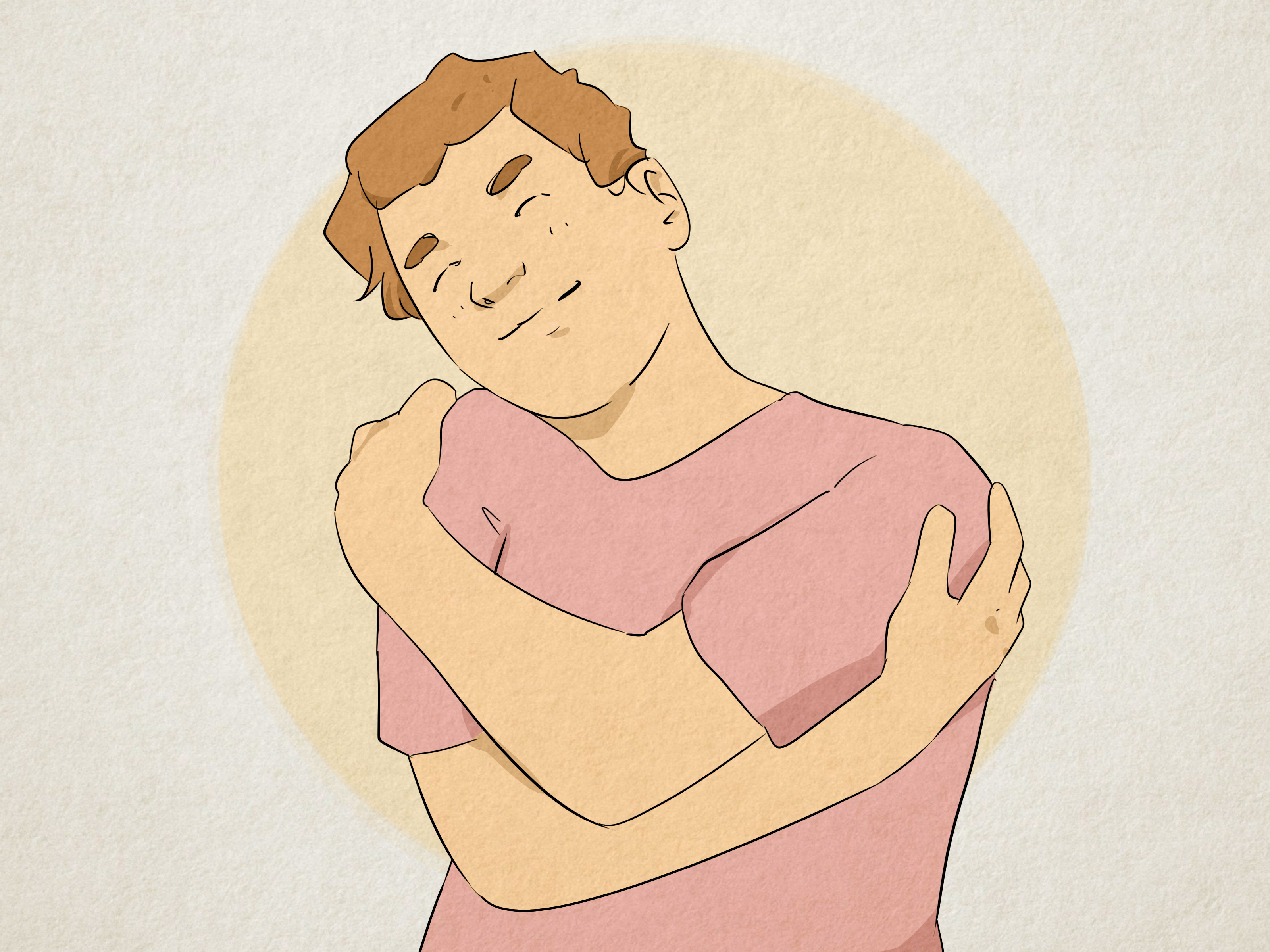
Quick reality check (with kindness): You can’t “get her back” like she’s a lost TV remote. She’s a person with choices, boundaries, and a memory that works perfectly fine, thank you. What you can do is repair the damage you caused, rebuild trust through consistent behavior, and create a safe enough space where reconciliation is possibleif she wants it.
This guide is for the guy who messed up, knows it, and wants to do the work without turning into a dramatic rom-com montage (or, worse, a walking red flag with a bouquet). We’ll cover 14 simple, practical stepsand the biggest mistakes that sabotage your chances.
Before You Try: Make Sure You’re Repairing, Not Repeating
There’s a difference between hurting someone and being unsafe. If your behavior included threats, intimidation, controlling her life, stalking, coercion, or any form of abuse, the “goal” should not be winning her back. The goal should be getting help, stopping harm, and respecting her distanceperiod. If she says “don’t contact me,” you must honor that.
Assuming you’re dealing with a painful mistake (lying, selfish choices, harsh words, neglect, betrayal, etc.) and you’re ready to change, let’s get into the steps.
14 Simple Ways to Win Back Trust After You Hurt Her
1) Ask for permission to talk (yes, really)
When someone’s hurt, surprise “we need to talk” energy can feel like pressure. Start by giving her control of the conversation.
Try: “I know I hurt you. I’d like to apologize and hear you, if you’re open to it. If not, I’ll respect that.”
Why it works: Respect is the first brick in the trust wall you knocked over.
2) Name what you didclearly and specifically
Vague apologies feel slippery. Specificity signals honesty and accountability.
Weak: “Sorry for everything.”
Strong: “I lied about texting my ex, and I blamed you when you asked questions. That was wrong.”
3) Use a real apology structure (not “sorry you feel that way”)
A good apology usually includes: remorse, responsibility, repair, and a plan to change. In other words: feelings, ownership, action, and follow-through.
Apology script:
- Remorse: “I’m truly sorry. I hate that I caused you pain.”
- Responsibility: “I did this. There’s no excuse.”
- Repair: “Here’s how I want to make it right…”
- Change: “Here’s what I’m changing so it doesn’t happen again…”
4) Validate her feelings without defending yourself
Your reflex might be to explain, justify, or “clarify.” Right now, she needs to feel understood more than you need to feel un-misunderstood.
Try: “It makes total sense you’d feel betrayed and angry. If I were in your position, I’d feel the same.”
5) Let her talk. Then reflect back what you heard
Listening is not waiting for your turn to speak. It’s collecting the truth like it’s your job (because it kind of is).
Try: “What I’m hearing is that you felt disrespected when I joked about you in front of my friends, and it made you question if I even value you. Is that right?”
6) Don’t ask for forgiveness yetask what she needs
Forgiveness is a destination, not a coupon you can redeem after one heartfelt speech.
Try: “What do you need from me right nowspace, answers, a boundary, or something else?”
7) Make amends with actions, not speeches
Words open the door. Actions keep it open.
- If you broke trust with lies: offer transparency and consistency.
- If you neglected her: show up reliably and follow through on plans.
- If you embarrassed her: defend her publicly, respect her privately, and repair the social damage if appropriate.
Rule: Make amends that directly match the harm.
8) Create a “no-repeat” plan (and say it out loud)
“I’ll never do it again” is too vague. Build a practical plan with measurable behavior.
Example: “I’m deleting the dating apps, sharing my therapy appointment schedule, and we can do a weekly check-in for the next two months. If I feel tempted to lie, I’ll pause and tell the trutheven if it’s uncomfortable.”
9) Keep your promises ridiculously smalland then keep them
Grand gestures can feel like manipulation when trust is broken. Small, consistent follow-through is what actually rebuilds confidence.
Examples: show up on time, keep commitments, communicate if plans change, don’t “forget” important stuff, don’t ghost for 12 hours and reappear like a Wi-Fi signal.
10) Respect boundaries like your future depends on it (because it does)
If she asks for space, give space. If she sets rules (no late-night calls, no showing up unannounced, no social media tagging), follow them without negotiation tactics.
Try: “Got it. I’ll follow that. If you want to revisit it later, you can tell me.”
11) Learn better conflict skills (repair attempts matter)
If your relationship fell apart because arguments escalated, you need new tools. Healthy couples de-escalate, repair, and reconnect instead of “winning.”
- Use “I” statements: “I felt jealous and acted poorly” vs. “You made me…”
- Take breaks when flooded: “I’m getting worked up. Can we pause 20 minutes?”
- Use micro-repairs: humor (not sarcasm), affection, validation, or a quick apology mid-conflict.
12) Get help if the pattern is bigger than one mistake
If you keep repeating the same harmlying, impulsivity, rage, avoidance, cheating, porn secrecy, substance-fueled messesthen “trying harder” won’t cut it. You need structure: therapy, coaching, support groups, couples counseling (if she’s willing), and accountability.
Important: Don’t use therapy as a performance. Do it even if she never comes back. That’s how you prove it’s real.
13) Rebuild connection the boring way: shared safety + shared time
Once she’s open to contact, rebuild the friendship layer. Trust grows in low-pressure moments: coffee, a walk, a short check-in, a calm dinnerno forced intimacy, no heavy relationship interrogation every time you meet.
Try: “Would you be open to a short walk this weekend? No big conversation unless you want it. I just want to show up respectfully.”
14) Accept her answer with grace (this is oddly attractive)
Here’s the paradox: the more you can respect her “no,” the more you demonstrate you’re safe, mature, and changed. If she chooses not to reconcile, you still owe her the respect of letting her go.
Try: “I understand. I’m sorry again for what I did. I’ll stop reaching out. If you ever want to talk in the future, I’ll listenbut I won’t pressure you.”
What to Avoid (These Mistakes Tank Your Chances Fast)
Avoid #1: The “I’m sorry, but…” apology
“But” is the eraser that deletes your apology. If you must explain context, do it laterafter you’ve fully owned the harm.
Avoid #2: Minimizing, joking, or telling her she’s “too sensitive”
If the harm happened, it happened. Your job is to understand the impact, not argue the feelings away.
Avoid #3: Love-bombing and grand gestures as a substitute for change
Big gifts, surprise visits, and dramatic speeches can feel like pressure. Behavior change is the only currency that spends here.
Avoid #4: Demanding forgiveness or a timeline
“How long are you going to be mad?” is not the move. Healing is not an Amazon delivery window.
Avoid #5: Turning friends into your PR team
Don’t recruit her friends, your friends, or her mom to “talk sense into her.” That’s pressure wearing a trench coat.
Avoid #6: Constant texting, “checking in,” or showing up uninvited
If she asked for space, repeated contact becomes disrespect. If she said no contact, stop completely.
Avoid #7: Making yourself the victim
Yes, you feel bad. That’s appropriate. But if your sadness becomes her job to manage, you’re flipping the roles.
Avoid #8: Keeping score
“I apologized three times and bought you sushi.” Cool. Trust is not a punch card.
Avoid #9: Promising change without changing your environment
If your phone habits, friend group, drinking, or secrecy fuels the problem, you have to change the system, not just the slogan.
Avoid #10: Trying to win her back if you were abusive or controlling
If your behavior threatened her safety or autonomy, the ethical move is to stop pursuing and seek professional help to address your behavior. Respect distance. Full stop.
Putting It Together: A Simple 7-Day Repair Plan (If She’s Open to Contact)
- Day 1: Ask permission to talk; offer a short apology without demands.
- Day 2: Write a specific accountability note: what you did, impact, no excuses, what you’ll do differently.
- Day 3: One respectful conversation focused on listening and validation.
- Day 4: Offer amends that match the harm (practical, not flashy).
- Day 5: Share your “no-repeat plan” (boundaries, therapy, accountability).
- Day 6: Follow through on something small and concrete (punctuality, a commitment, a boundary).
- Day 7: Ask what she needs next: space, time, another talk, or closureand accept the answer.
Conclusion: The Goal Isn’t to Get Her BackIt’s to Become Someone Safe to Come Back To
Getting back together is not the finish line. The finish line is trust, and trust is rebuilt through consistent accountability, respect for boundaries, and measurable change over time. If she returns, it should be because she feels safe, valued, and confident that the pain won’t repeat. If she doesn’t, your growth still mattersbecause you don’t want to be the guy who “learns” only when he’s about to lose something.
Repair is simple, but it isn’t easy: tell the truth, own the harm, make amends, and show change. Then give her the dignity of choice.
Experiences That People Commonly Go Through (What It Feels Like in Real Life)
Below are real-world patterns people often describe when they try to repair a relationship after hurting someone. Not fairy talesmore like the honest behind-the-scenes footage where the lighting is bad and the growth is real.
Experience 1: The “3:17 AM Apology Text” That Backfires
A lot of guys start with emotion and urgency: they feel guilty, panicked, and desperate to fix it immediately. So they send a late-night paragraph that’s half apology, half self-defense, and 100% stressful to read. The next morning, she’s not thinking, “Wow, he’s changed.” She’s thinking, “Now I have to manage his feelings too.” The better move is simple: a short message, accountability, and an offer to talk on her timeline. People who succeed usually learn that urgency is for house fires, not healing.
Experience 2: The Awkward Moment When You Realize You Don’t Actually Know the Impact
Many people assume they know why their partner is hurt (“because I lied” or “because I yelled”). But when they finally listenreally listenthey discover the deeper wound: she felt unsafe, unseen, disposable, or humiliated. That realization stings because it forces a shift from “I made a mistake” to “I damaged something important.” This is often the turning point where a surface apology becomes a sincere one. People who rebuild trust tend to do better once they stop debating facts and start addressing impact.
Experience 3: The Withdrawal Phase (Where Silence Feels Like Punishment)
When she pulls back, it can feel like she’s punishing you. In reality, she might be protecting herself, sorting feelings, or checking whether your respect is real. This is where many attempts fail: the guy interprets space as rejection and tries to “fix” it by doubling his contactmore calls, more texts, more “just checking in.” That pressure often convinces her he hasn’t changed. People who eventually reconcile commonly describe doing the opposite: they honored boundaries, worked on themselves in the quiet, and let consistency speak.
Experience 4: The Humbling Work of “Boring” Change
There’s usually a moment where you realize that rebuilding trust is mostly unglamorous: showing up on time, telling the truth when it’s inconvenient, keeping promises, and staying calm when you want to argue. This can feel almost unfairlike you’re paying interest on a loan you took out in one bad week. But trust is built the same way fitness is built: not by one heroic gym day, but by repeated reps. People who succeed often say the repetition is what convinces their partner: “He’s not just sorry. He’s different.”
Experience 5: The Conversation That Finally Changes the Temperature
Sometimes it’s not the perfect speech. It’s one honest sentence delivered without manipulation: “You didn’t deserve that, and I’m not going to ask you to carry my guilt.” For many couples, that’s the first time she feels her pain is being centered instead of negotiated. In stories where reconciliation happens, there’s often a similar “temperature change” momentwhere defensiveness drops, accountability rises, and both people can breathe again.
Experience 6: When She Doesn’t Come Backand You Grow Anyway
Not every story ends with reconciliation. Plenty of people do the work and still hear “no.” And while that hurts, many describe it as the moment they stop making change conditional. They keep going to therapy. They fix the patterns. They learn how to argue without cruelty. They build a more honest life. And laterwhether with her or someone newthey become the kind of partner who doesn’t need a crisis to behave well. That’s not a consolation prize. That’s the actual win.