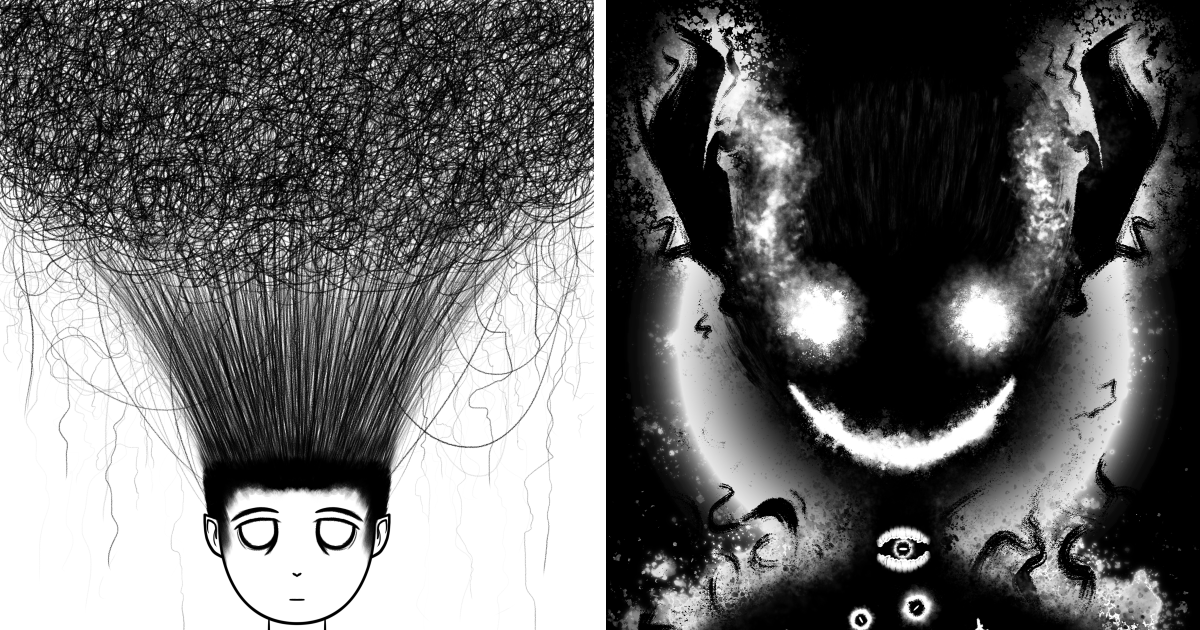
Mental health is one of those topics everyone talks about now, but many people still struggle to explain what it feels like from the inside. Sometimes words walk into the room wearing tap shoes and make everything louder. Other times, they hide under the couch and refuse to come out. That is where art becomes useful. A painting, sketch, collage, or digital illustration can say, “This is what anxiety feels like before a text reply,” or “This is what burnout looks like when it has stolen your favorite socks.”
This collection, “14 Of My Artworks On Mental Health,” is designed as a personal visual essay about emotional wellness, stress, healing, loneliness, hope, self-awareness, and the messy middle part of being human. The artworks are not meant to diagnose anyone or replace professional support. Instead, they create a gallery of honest emotional momentssome heavy, some tender, some quietly funny, because even the brain deserves a little comic relief between existential thunderstorms.
Art therapy and creative expression have long been used to help people explore feelings, process difficult experiences, and build self-understanding. You do not need to be a “real artist” to benefit from making art. If you can draw a lopsided circle, smear paint with heroic confidence, or glue magazine scraps into a mood board that looks like your brain had coffee, congratulations: you are qualified to begin.
Why Mental Health Art Matters
Mental health includes emotional, psychological, and social well-being. It affects how we think, feel, relate to others, handle stress, and make choices. In the United States, mental health challenges are common, which is one reason visual storytelling has become such a powerful way to reduce stigma. When people see emotions represented honestly, they may feel less alone. A single image can become a bridge between private pain and public understanding.
Art gives invisible experiences a visible form. Anxiety can become a swarm of birds. Depression can become a room with dim blue light. Recovery can become a plant pushing through concrete. These images do not solve everything, but they can make the unspeakable easier to discuss. That matters because mental health conversations often begin with one brave sentence: “That feels familiar.”
The Collection: 14 Artworks On Mental Health
Each artwork in this collection focuses on a different emotional state or healing theme. Together, they form a visual map of what it can feel like to live with stress, seek balance, and slowly rebuild a kinder relationship with yourself.
1. “The Quiet Room Inside My Head”
This piece shows a small figure sitting in a large, nearly empty room. The walls are soft gray, but the center glows with warm yellow light. It represents the need for inner stillness when the outside world feels too loud. The artwork explores mindfulness, emotional regulation, and the simple but underrated power of pausing before reacting.
The room is not empty because life is meaningless. It is empty because the mind sometimes needs space. In a world of notifications, opinions, deadlines, and group chats that somehow become active at midnight, silence can feel almost rebellious.
2. “Anxiety With Too Many Tabs Open”
This digital collage imagines anxiety as a computer screen covered in endless browser tabs. Each tab has a tiny worry: bills, health, school, relationships, tomorrow, five years from now, and one mysterious tab labeled “Did I say something weird in 2019?”
The humor in this artwork is intentional. Anxiety can be frightening, but adding a playful visual metaphor can make it easier to talk about. The piece invites viewers to recognize anxious spirals without judging themselves for having them. Sometimes the first step is not closing every tab. Sometimes it is simply noticing that 47 are open.
3. “The Weight I Couldn’t Name”
This artwork shows a person carrying a transparent backpack filled with stones. The stones are labeled with emotions such as grief, guilt, fear, disappointment, and exhaustion. The transparent material matters because many people carry emotional weight that others cannot see.
The message is simple: invisible struggles are still real. Someone may look fine, laugh at jokes, answer emails, and still feel emotionally overloaded. This piece encourages compassion, especially toward people who appear “strong.” Strong people need rest too. Even superheroes probably complain about shoulder tension.
4. “Depression In Blue Light”
This painting uses deep blues, muted purples, and a single pale window to explore low mood and emotional numbness. The figure is not shown in dramatic despair. Instead, they are sitting still, wrapped in a blanket, surrounded by undone laundry and quiet shadows.
The choice to avoid exaggerated imagery is deliberate. Depression is not always cinematic. Sometimes it looks like unanswered messages, postponed plans, and cereal for dinner because cooking feels like a full Olympic event. The artwork treats the subject gently, emphasizing dignity rather than drama.
5. “Panic As Weather”
In this piece, panic is shown as a sudden storm forming inside a glass chest. Lightning flashes, rain falls upward, and small paper boats try to stay afloat. The image captures how intense stress can feel physical, immediate, and disorienting.
But the glass chest also shows that storms can be observed. They are powerful, yet not permanent. The artwork points toward grounding techniques, breathing, and support systems without turning the image into a lecture. Art is better when it trusts the viewer instead of chasing them with a clipboard.
6. “Burnout Wearing A Fancy Hat”
This mixed-media piece uses humor to show burnout as a tired person in a glamorous hat, holding a coffee cup the size of a flowerpot. Around them are gold stars, sticky notes, and tiny trophies with labels like “Answered Emails While Emotionally Offline.”
Burnout often hides behind productivity. This artwork questions the idea that being busy always means being well. The fancy hat symbolizes the polished image people show the world, while the exhausted posture reveals the truth underneath. It is a reminder that rest is not laziness; it is maintenance. Even phones get to recharge without guilt.
7. “The Inner Critic’s Megaphone”
This illustration presents the inner critic as a tiny creature with an enormous megaphone. The creature is small, nervous, and clearly underqualified for leadership, yet it is making a lot of noise. The person in the artwork wears headphones made of flowers, suggesting self-compassion as protection.
The piece explores negative self-talk and the practice of challenging harsh thoughts. It does not pretend confidence appears magically. Instead, it shows self-kindness as something built slowly, petal by petal, until the megaphone is no longer the loudest thing in the room.
8. “Therapy Chair, Empty But Waiting”
This artwork shows an empty chair in a warm room with plants, books, and a cup of tea on a side table. The chair represents the possibility of support. It is not scary, sterile, or judgmental. It is simply there, waiting.
The goal of this piece is to reduce stigma around seeking help. Professional support can be an important part of mental health care, and reaching out does not mean someone has failed. It means they are taking their well-being seriously. In the artwork, the empty chair becomes an invitation: you do not have to carry everything alone.
9. “Medication Cabinet Of Metaphors”
This conceptual collage uses symbolic objects inside a medicine cabinet: a calendar, a paintbrush, a sleep mask, a phone with a supportive message, a tiny notebook, and a bottle labeled “Patience.” It reflects the idea that mental health care can include many tools, depending on the person and their needs.
The artwork avoids giving medical advice. Instead, it honors the reality that healing is often layered. Therapy, community, routines, rest, creative expression, and professional treatment can all play roles. There is no one-size-fits-all cure, and anyone selling one should probably be watched carefully, like a raccoon near a picnic basket.
10. “Social Battery At 2%”
This playful piece shows a person at a party with a glowing battery icon above their head. The battery is nearly empty, while everyone else appears as bright speech bubbles. The background is colorful, but the central figure is fading into soft pencil lines.
The artwork speaks to introversion, overstimulation, social anxiety, and the need for boundaries. It reminds viewers that needing quiet time does not mean someone dislikes people. Sometimes a person loves their friends deeply and still needs to go home, sit in silence, and stare at a wall like it contains ancient wisdom.
11. “Grief Comes In Waves”
This watercolor shows a shoreline where each wave carries a memory: a song, a photograph, a favorite meal, a familiar chair, a handwritten note. The figure on the shore is not drowning; they are learning the rhythm of the tide.
Grief is often misunderstood as something people “get over.” This artwork presents it as something people learn to live with. The waves may become gentler over time, but they still arrive. The image allows sadness and love to exist together, which is often how grief really feels.
12. “Hope In Small Green Things”
This painting focuses on tiny plants growing from cracks in pavement. The plants are not dramatic. They are small, stubborn, and slightly adorable. That is the point. Hope is not always a giant sunrise with violins. Sometimes hope is drinking water, answering one message, opening a curtain, or sketching for ten minutes.
The piece celebrates micro-recovery: small actions that support emotional wellness. It also reminds viewers that healing does not need to look impressive to be real. A seedling does not apologize for being small. It simply grows.
13. “The Mask I Forgot I Was Wearing”
This artwork shows a person removing a smiling mask, only to discover another mask underneath. Around them are mirrors reflecting different versions of the self: the funny one, the helpful one, the successful one, the “I’m fine” one.
The piece explores emotional masking and the pressure to perform wellness. Many people learn to hide discomfort because they do not want to worry others or appear difficult. This artwork asks a quieter question: Who are you when you do not have to manage everyone else’s comfort?
14. “A Softer Tomorrow”
The final artwork in the collection is warm, open, and intentionally unfinished. A figure walks toward a horizon made of layered colors: peach, lavender, gold, and pale green. Behind them are fragments from earlier piecesthe storm, the stones, the tabs, the blue roombut now they are smaller.
This is not a “perfect recovery” image. It does not claim that everything becomes easy. Instead, it suggests movement. Healing may be slow, uneven, and occasionally interrupted by bad Wi-Fi, but it is still movement. The artwork ends the collection with a promise: tomorrow does not have to be flawless to be softer.
How These Artworks Support Mental Health Conversations
One reason mental health art is powerful is that it gives people a way to discuss difficult topics without beginning with clinical language. Not everyone can immediately say, “I am experiencing emotional dysregulation.” But someone might point to an image and say, “That one feels like me.”
Creative expression also encourages reflection. When artists make work about mental health, they often discover details they did not know they were carrying. A color choice may reveal anger. A repeated shape may suggest fear. A blank space may say more than a crowded canvas. The process becomes a conversation between the artist and the self.
For viewers, mental health artwork can create empathy. It helps people understand that depression, anxiety, burnout, grief, and stress are not personality flaws. They are human experiences that deserve care, patience, and support. Art does not replace treatment, but it can make treatment, support, and honest conversation feel more approachable.
Tips For Creating Your Own Mental Health Art
Start With A Feeling, Not A Masterpiece
Do not begin by asking, “Will this look good?” Begin by asking, “What am I feeling?” That shift removes pressure. Your sketch can be messy, strange, abstract, or accidentally resemble a potato wearing a scarf. The point is expression, not perfection.
Use Symbols That Feel Personal
Clouds, rooms, keys, mirrors, birds, thread, plants, and water are common emotional symbols, but the best symbols are the ones that feel true to you. Maybe your stress looks like a tangled charging cable. Maybe your hope looks like a grocery-store flower that refuses to wilt. Personal details make mental health art more memorable.
Respect Your Limits
If a subject feels too intense, step back. You can make art about difficult emotions without forcing yourself to relive everything at once. Use grounding routines, take breaks, and consider creating with a trusted person nearby if the topic feels heavy. Gentle art is still honest art.
Choose Materials That Match The Mood
Watercolor can work well for sadness, uncertainty, and softness. Charcoal can express tension or heaviness. Collage is great for chaotic thoughts because tearing paper is oddly satisfying in a civilized way. Digital art can help with layering, undoing, and experimenting. The medium becomes part of the message.
Publishing Mental Health Art Online
If you plan to publish mental health artwork on a website, context matters. Add captions that explain the emotional theme without overexplaining the viewer’s experience. Use respectful language. Avoid sensational visuals. Include a gentle reminder that art can support reflection but is not a substitute for professional care when someone needs it.
For SEO, use natural keywords such as mental health artwork, art therapy ideas, creative expression, emotional wellness, and healing through art. Add descriptive alt text for each image. For example, instead of “painting 1,” use “watercolor artwork showing grief as ocean waves carrying memories.” That helps both search engines and readers using screen readers.
Personal Experiences Behind “14 Of My Artworks On Mental Health”
Creating these 14 artworks felt less like making a polished gallery and more like cleaning out a very dramatic emotional closet. At first, I thought the project would be simple: choose fourteen mental health themes, sketch them, write captions, and act like a calm, organized person with matching folders. Naturally, the process had other plans. Some pieces arrived quickly, almost like they had been waiting behind the curtain. Others refused to cooperate and sat there looking unfinished, which is rude behavior from paper but surprisingly common.
The first experience that shaped the collection was realizing how often emotions hide inside ordinary objects. A chair became therapy. A browser tab became anxiety. A battery icon became social exhaustion. These images helped me understand that mental health does not always need dramatic symbols to feel meaningful. Sometimes the most accurate picture of stress is not a stormy ocean; it is twelve sticky notes, three empty cups, and a calendar quietly judging you from the wall.
While working on “The Weight I Couldn’t Name,” I noticed how difficult it can be to explain invisible pressure. People often ask, “What’s wrong?” and the honest answer may be, “I don’t know, but it has been sitting on my chest wearing boots.” Turning that feeling into a transparent backpack made it easier to see. The image helped me think about emotional weight as something real but movable. Not easy, not instant, but movable.
“Burnout Wearing A Fancy Hat” became the unexpected comedian of the collection. It reminded me that humor can be respectful when it helps people breathe. Mental health art does not always have to whisper in a dark room. Sometimes it can walk in wearing a ridiculous hat and say, “Friend, you are tired because you are doing too much.” That kind of humor does not erase pain. It simply gives the viewer a safer doorway into the conversation.
The most tender piece to create was “Hope In Small Green Things.” I kept returning to the idea that recovery is often made of tiny actions. Big transformations are inspiring, but they can also feel intimidating. Small hope feels more honest. A clean glass of water. A walk around the block. A text that says, “I’m thinking of you.” A sketch made badly but sincerely. These little things may not look impressive online, but they can hold a person together in quiet ways.
By the time I finished “A Softer Tomorrow,” I understood that the collection was not about fixing every feeling. It was about witnessing them. Each artwork became a small container: one for worry, one for grief, one for exhaustion, one for self-kindness, one for hope. The experience taught me that making art about mental health is not about becoming fearless. It is about becoming more fluent in your own inner language.
If viewers take one thing from this collection, I hope it is permission. Permission to make imperfect art. Permission to talk about complicated emotions. Permission to rest before everything falls apart. Permission to be a person in progress, not a finished product. After all, even the best artwork begins as a blank surface, and nobody yells at the canvas for not being a masterpiece on day one.
Conclusion
“14 Of My Artworks On Mental Health” is more than a list of drawings or paintings. It is a creative conversation about what it means to feel deeply, struggle quietly, recover slowly, and keep looking for light in unexpected places. Mental health artwork can help artists process emotions and help viewers feel seen. It can soften stigma, invite empathy, and turn private experiences into shared understanding.
The beauty of art is that it does not require perfect words. It only asks for honesty. Whether you are painting anxiety as a storm, burnout as a fancy hat, or hope as a stubborn little plant, your creative expression can become part of your emotional toolkit. And sometimes, that toolkit starts with the simplest possible step: pick up the pencil, make a mark, and let the feeling speak.