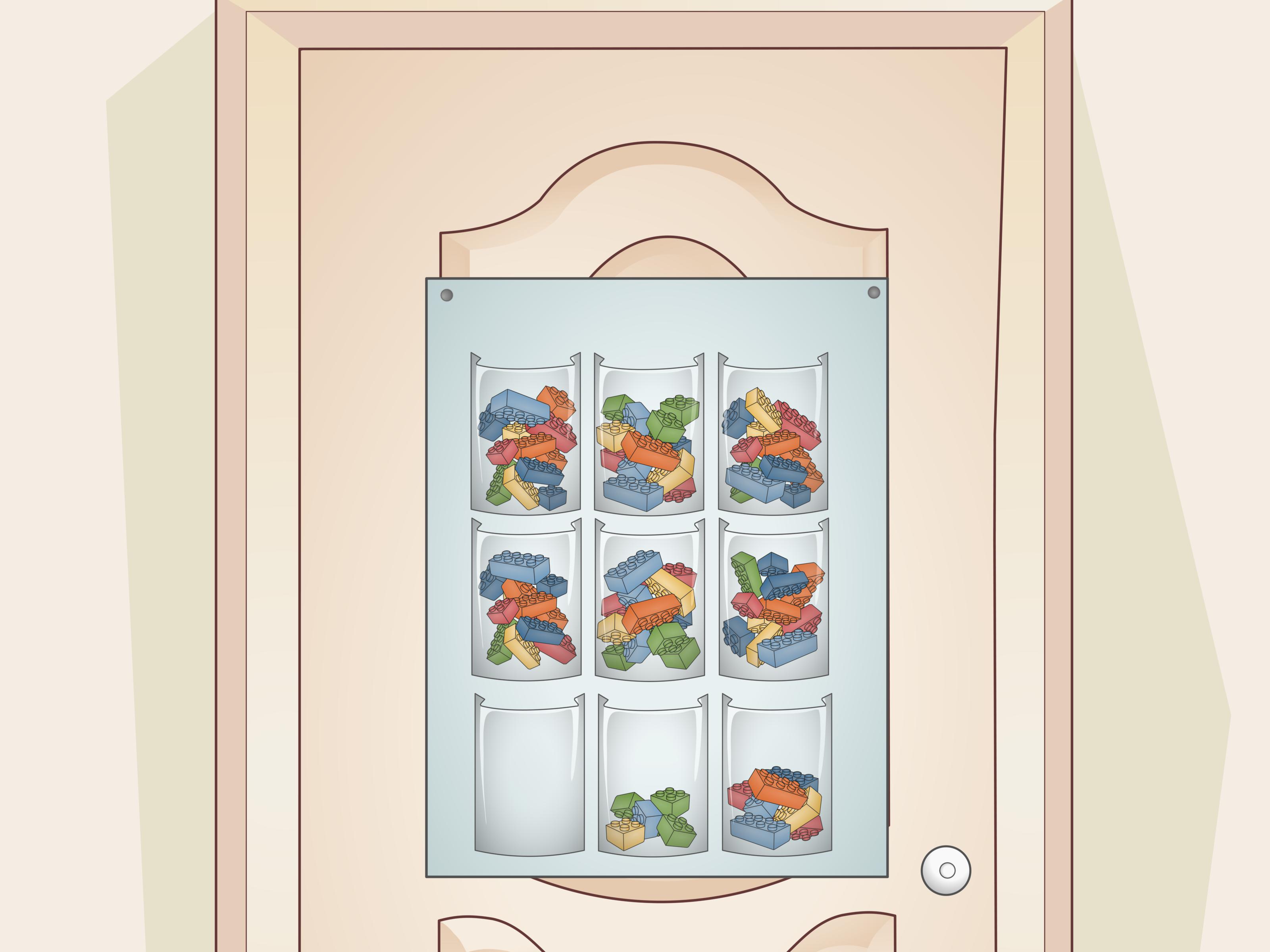
LEGO bricks are magical little rectangles of creativity. They are also tiny plastic land mines with a PhD in hiding under bare feet. If your living room looks like a colorful construction zone and every cleanup ends with someone yelling, “Who took the gray 2×4?”, you are in the right place.
The good news is that there is no single perfect way to organize LEGO toys. The best system depends on how many bricks you have, how old your kids are, how often they build, and whether your goal is “fast cleanup” or “serious builder headquarters.” In this guide, you’ll find 12 realistic ways to sort and store LEGO toys, plus practical tips to make your setup easier to maintain without turning your home into a tiny plastic warehouse.
Why LEGO Storage Feels So Tricky
LEGO is different from other toys because it lives in two worlds at once. It is both a toy and a building system. That means kids may want quick access for free play, while older builders want specific parts for detailed models. A giant mixed bin is fast for cleanup but slow for building. A super-detailed sorting system looks beautiful until a six-year-old decides every piece belongs in the same tub again. That is why smart LEGO organization is less about perfection and more about creating a system your household will actually use.
Before choosing a method, ask yourself three simple questions:
- Do you mostly have loose bricks, completed sets, or a chaotic blend of both?
- Is the main goal easy cleanup, easier building, or a cleaner-looking room?
- Will adults maintain the system, or do kids need to do most of the cleanup themselves?
Once you know that, the rest gets much easier. Slightly less dramatic. Still not peaceful, but easier.
12 Practical Ways to Sort and Store LEGO Toys
1. Sort by Brick Type Instead of Only by Color
This is one of the smartest upgrades for bigger collections. Sorting only by color sounds logical at first, but it often makes building harder. When all red pieces are together, you still have to dig through a red avalanche to find the exact part you need. Sorting by type works better once the collection grows: basic bricks, plates, tiles, wheels, slopes, windows, minifigure accessories, and specialty parts can each get their own space.
This method is especially useful for kids who build custom creations. It turns searching into finding. That is a beautiful sentence no parent hears often enough.
2. Use Broad Categories for Small or Shared Collections
If you do not own enough LEGO to justify a tiny drawer for every weird little hinge piece, keep it simple. Broad sorting categories work beautifully for smaller collections and mixed-age households. Try categories like “people and animals,” “vehicles,” “special pieces,” and “everything else.”
This approach keeps cleanup manageable and prevents the organizing system from becoming more complicated than the toy itself. A system that takes 40 minutes to maintain is not a storage system. It is a part-time job.
3. Store LEGO in Clear Bins So Everyone Can See What Is Inside
Clear storage bins are a classic for a reason. They make it easy to see contents without opening every container like you are auditioning for a very boring mystery show. Clear bins also work for all kinds of setups: by color, by type, by set, or by project.
Choose bins that stack well, fit your shelves, and have lids if you want a cleaner look. Clear shoebox-style containers are especially handy for medium-sized categories, while small compartment boxes work well for tiny pieces and accessories.
4. Add Labels Like You Mean It
Labels are the difference between “organized” and “a random pile wearing matching containers.” Even a great bin system falls apart when nobody knows where pieces are supposed to go. Use simple text labels for older kids and adults. For younger children, add picture labels or icons so cleanup is visual and intuitive.
Labels also reduce the dreaded “dump every bin on the floor to find one piece” behavior. That alone deserves a parade.
5. Use Drawer Units for Large LEGO Collections
If your home has reached “accidentally running a small brick dealership” levels of LEGO ownership, drawer units are worth considering. Multi-drawer cabinets make it easier to separate categories and keep frequently used parts accessible. Small drawers are great for specialty pieces, while medium drawers work for common parts and colors.
Drawer systems are especially good for dedicated builders, tweens, teens, and adults who want a more detailed parts library. They are less ideal for toddlers unless you enjoy the sound of 47 drawers opening at once.
6. Keep Completed Sets Separate from Loose Bricks
One common reason LEGO storage goes off the rails is that completed models and loose building pieces get mixed together. Give completed sets their own zone. That could be a shelf, a cabinet, a display case, or a labeled bin if the model is being stored rather than displayed.
This keeps finished creations safer and prevents kids from dismantling a spaceship just because they needed two black tiles for a dinosaur café. If you store sets in bins, place delicate parts in zip bags or wrap the model lightly so it survives future rummaging.
7. Store Instruction Manuals in a Binder or File Box
Instruction manuals are easy to ignore until somebody desperately wants to rebuild a dragon from 2019. Keep manuals in one dedicated place. A three-ring binder with sheet protectors works well for active families, while a file box or magazine holder is great if you have a lot of them.
You can sort manuals by theme, child, or set number. This tiny habit adds huge value because manuals help identify missing parts, rebuild sets, and remind you what is actually in the collection.
8. Create a Minifigure and Tiny Parts Station
Minifigures, helmets, capes, hair pieces, tools, animals, and mystery gadgets deserve their own storage solution. These are the parts most likely to disappear into couch dimensions. Small divided organizers, tackle-style boxes, or shallow compartment trays work really well here.
Keeping tiny pieces separate makes play more fun and cleanup more accurate. It also prevents the weird heartbreak of finding Batman’s torso in the train bin and his head in a pencil cup three weeks later.
9. Try Under-Bed Storage for Small Spaces
If you do not have a playroom, under-bed storage can be a lifesaver. Low-profile bins slide out easily, hide visual clutter, and still hold a surprising amount of LEGO. This works especially well for families living in apartments, shared bedrooms, or multipurpose spaces where toys cannot take over every surface.
Use sturdy bins with smooth-glide bottoms or wheels if possible. Sort pieces into a few broad categories so kids can pull out one container at a time instead of unleashing the entire brick nation at once.
10. Use Open Shelving and Kid-Height Cubbies for Daily Play
For younger children, accessibility matters more than a Pinterest-perfect sorting system. Open shelves with bins or cubbies help kids see where things belong and put them away more independently. When containers sit at kid height, cleanup becomes much more realistic.
This style also makes it easier to rotate toys, display favorite builds, and keep the room feeling structured rather than chaotic. Bonus: it looks intentional, which is useful when guests come over and you want to seem like you absolutely have your life together.
11. Rotate LEGO Toys Instead of Keeping Everything Out
If your child owns more LEGO than they can reasonably use at one time, rotate part of the collection into storage. Keep some bins out for current play and store the rest in a closet, cabinet, or labeled backup container. Every few weeks or months, swap them out.
Toy rotation reduces visual clutter, makes cleanup easier, and helps old bricks feel exciting again. It is basically a budget-friendly magic trick. You already own the toy. You just make it disappear for a while and suddenly it is “new” again.
12. Create a Cleanup-Friendly “Build and Sweep” Zone
Sometimes the best LEGO storage idea is not another bin. It is a designated building area. A LEGO table, tray, play mat, or portable building board can contain the mess before it spreads across your home like colorful ivy. At the end of playtime, pieces can be swept straight back into their assigned containers.
This is especially useful for kids who love starting projects but hate cleaning them up. A contained build zone protects half-finished creations and gives LEGO a home base, which makes your floors much less adventurous.
How to Choose the Best LEGO Storage System for Your Family
If you want the simplest answer, here it is:
- Small collection: Use a few bins and broad categories.
- Medium collection: Use labeled clear bins sorted by type or activity.
- Large collection: Use drawer units, separate sets from loose bricks, and organize specialty parts in detail.
For younger kids, prioritize easy cleanup and visible storage. For older kids and serious builders, prioritize searchability and detailed part sorting. For shared family spaces, choose storage that looks neat when closed. For dedicated playrooms, accessibility and function matter more than hiding everything away.
The best LEGO organization ideas are the ones that survive real life. Not just Saturday afternoon. Not just the ten minutes after you finish labeling. Real life, with kids, distractions, snacks, and one mysterious wheel that appears in the bathroom for reasons nobody can explain.
Common LEGO Storage Mistakes to Avoid
- Making the system too complicated: If kids cannot maintain it, it will collapse by Tuesday.
- Using containers that are too deep: Deep bins turn into plastic treasure pits.
- Skipping labels: That is how organization quietly becomes chaos in matching boxes.
- Mixing completed sets with loose parts: This makes both building and preserving harder.
- Ignoring manuals and minifigures: Small supporting pieces need dedicated homes too.
Final Thoughts
Sorting and storing LEGO toys does not require a huge budget, a custom playroom, or the patience of a saint. It just requires a system that matches the size of your collection and the habits of the people using it. Some families need a simple rolling bin and a label maker. Others need a small-scale parts department with drawers, binders, and a display shelf worthy of a tiny museum.
Start simple, improve as needed, and do not aim for perfection. The goal is not to create a LEGO storage system so flawless that nobody dares touch it. The goal is to make building more fun, cleanup less painful, and your feet significantly safer.
Real-Life Experience: What Actually Helped in a Busy Home
After trying several LEGO storage systems over time, the biggest lesson was that the most impressive-looking setup was not always the one that worked best. At one point, everything was sorted into very specific categories. It looked fantastic for about four days. Then normal life happened. Kids built quickly, cleaned up lazily, and suddenly “1×2 plates” and “modified bricks” were hosting a very chaotic reunion in the same drawer.
The turning point came when the system became more practical and less ambitious. Instead of organizing for perfection, it made more sense to organize for behavior. The builders in the house tended to reach for a few categories repeatedly: basic bricks, wheels, windows, minifigures, and “cool special stuff.” So that became the core system. Everything else was grouped more broadly. Cleanup became faster because nobody had to make 75 tiny decisions while already tired at the end of the day.
Another surprisingly useful change was separating display builds from everyday building bricks. Before that, finished sets were constantly being “borrowed from” for spare parts. A dragon would lose its wings, a police car would mysteriously become a taco truck, and someone would insist this was all part of the creative process. Once completed sets had their own shelf, they stayed intact longer and looked nicer too.
Instruction manuals also turned out to be much more important than expected. Keeping them in one binder saved time again and again. When a child wanted to rebuild an old set, there was no frantic internet search, no guessing, and no digging through random paper piles. The binder quietly became one of the most useful parts of the entire LEGO storage system.
For everyday cleanup, clear bins with labels were the real heroes. They helped adults, older kids, and even younger children understand the system without constant reminders. Picture labels were especially helpful in the early years. A child might not read “minifigure accessories,” but they can absolutely identify a tiny helmet image and throw the right pieces in the right place with impressive confidence.
The biggest emotional win, oddly enough, was toy rotation. Removing part of the LEGO collection for a while made the remaining bins easier to manage and made old pieces feel exciting when they came back out. It reduced clutter without actually reducing the collection, which felt like a strategic parental miracle. In other words, less mess, fewer arguments, and a much lower chance of stepping on a rogue brick on the way to the kitchen at midnight. That is not just organization. That is personal growth.