Wavy hair is the charming middle child of the hair-texture family. It is not pin-straight, not fully curly, and sometimes not interested in following instructions before coffee. One day it gives soft beachy bends. The next day it turns into a mysterious triangle with opinions. The good news? With the right routine, products, and styling habits, you can accentuate wavy hair without fighting it into submission.
The secret is not to force waves to behave like curls or straighten them into silence. Wavy hair usually thrives when it gets lightweight moisture, gentle handling, a little hold, and enough freedom to form its natural pattern. Whether your waves are loose 2A bends, bouncy 2B S-shapes, or thicker 2C waves that flirt with curls, the goal is the same: definition without crunch, volume without puff, and frizz control without making your hair look like it filed a formal complaint.
Below are 12 practical, beginner-friendly, stylist-approved ways to accentuate wavy hair and make your natural texture look intentional, polished, and effortlessly cool.
1. Start With a Gentle, Moisturizing Shampoo
Great waves begin in the shower. If your shampoo leaves your hair squeaky, stiff, or straw-like, it may be cleansing too aggressively. Wavy hair often needs enough cleansing to remove scalp oil and product buildup, but not so much that the hair shaft becomes dry and fluffy.
Choose a gentle, moisturizing shampoo that cleans the scalp without stripping the lengths. Focus the shampoo on your roots, where oil and sweat collect. When you rinse, let the suds move through the rest of your hair instead of scrubbing your ends like you are trying to remove a spaghetti stain from a white shirt.
If you use mousse, gel, curl cream, texture spray, dry shampoo, or silicone-heavy products, add a clarifying shampoo occasionally. Once every few weeks is enough for many people, but your scalp, lifestyle, and product use should guide the schedule. Clean hair holds waves better because buildup can flatten the pattern and make strands look dull.
2. Condition Strategically, Not Randomly
Conditioner is non-negotiable for most wavy hair types. It softens the hair, reduces friction, improves shine, and helps prevent the frizz that shows up when strands are dry or roughed up. The trick is to apply it where your hair actually needs it.
For fine waves, apply conditioner mainly from mid-lengths to ends. Heavy conditioner near the roots can make waves collapse before they even get a chance to introduce themselves. For thick, coarse, color-treated, or heat-styled waves, you may need more conditioner and a slightly richer formula.
Try “squish to condish,” a simple method where you add water to conditioned hair and gently scrunch upward. This helps encourage wave clumps while distributing moisture. When your hair makes that soft, squishy sound, you are probably doing it right. Yes, hair can sound hydrated. Beauty is weird like that.
3. Detangle With a Wide-Tooth Comb While Hair Is Wet
Wavy hair can lose shape when brushed dry. Dry brushing separates wave clumps, creates puffiness, and can turn soft bends into a fluffy cloud. Unless that is the exact look you want, detangle when your hair is wet and slippery with conditioner.
Use your fingers or a wide-tooth comb, starting at the ends and working upward. This reduces pulling and breakage. Be patient with knots, especially around the nape of the neck, where hair loves to gather and gossip.
After rinsing, avoid running a brush through your hair again unless you are intentionally styling it smooth. The more you preserve natural clumps, the more defined your waves will look once dry.
4. Apply Products to Damp or Wet Hair
Timing matters. Styling products usually work best when applied to wet or damp hair because they help lock in the wave pattern as it dries. For many people, soaking-wet application creates shinier clumps. For others, especially those with fine or loose waves, hair that is too wet can become heavy and stretched out.
Experiment with both. If your waves fall flat, gently squeeze out extra water with a microfiber towel or cotton T-shirt before applying product. If your waves frizz quickly, apply leave-in conditioner, mousse, or gel while hair is still very wet.
The right amount also matters. Start small. A dime-size amount of leave-in or curl cream may be plenty for fine waves, while thicker hair may need more. Too much product can make hair feel sticky, limp, or coated. Wavy hair likes support, not a weighted blanket.
5. Use Lightweight Leave-In Conditioner for Frizz Control
A lightweight leave-in conditioner can be a wavy-haired person’s best friend. It helps smooth flyaways, adds softness, makes detangling easier, and gives waves enough moisture to form without puffing up.
Apply leave-in conditioner to the mid-lengths and ends, then scrunch upward. If your hair is fine, use a spray leave-in or a very light lotion. If your hair is thick or porous, a creamier leave-in may work better. The goal is to make hair feel hydrated but not greasy.
Think of leave-in conditioner as the polite host at the party. It introduces moisture, keeps frizz from starting drama, and lets the styling products do their job.
6. Scrunch Like You Mean It
Scrunching is one of the easiest ways to accentuate wavy hair. After applying product, cup the ends of your hair in your hands and gently squeeze upward toward the scalp. This encourages bends to spring into shape and helps product coat the hair evenly.
Flip your head to one side, then the other, and scrunch in sections. You do not need to crush your hair with the intensity of a gym workout. Gentle, repeated scrunching is usually enough. If you hear that wet “squish,” you are helping your waves form clumps.
For extra definition, scrunch in a lightweight mousse or gel after leave-in conditioner. Mousse adds volume and softness, while gel adds longer-lasting hold. Some people use both: mousse first for lift, gel second for structure.
7. Choose Mousse for Volume and Soft Definition
Mousse has made a comeback, and wavy hair is here for it. Modern mousses are not all crunchy relics from an 1980s music video. Many formulas are lightweight, flexible, and designed to boost volume while helping waves keep their shape.
Mousse works especially well for fine to medium wavy hair that gets limp easily. Apply it to damp hair, focusing on the lengths and roots if you want lift. Scrunch upward, then air dry or diffuse.
If your waves disappear by lunchtime, mousse may be the missing piece. It gives hair a little memory, as if reminding each strand, “Excuse me, we agreed to be wavy today.”
8. Try Gel for Longer-Lasting Wave Definition
Gel can sound intimidating if you associate it with stiff spikes or helmet hair. But used correctly, gel is one of the best tools for defined, frizz-resistant waves. It creates a light cast around the hair as it dries, holding the wave pattern in place.
Apply gel to wet or damp hair after leave-in conditioner. Scrunch it in, then avoid touching your hair while it dries. Once your hair is completely dry, gently “scrunch out the crunch” with clean hands or a tiny amount of lightweight oil. This breaks the cast and leaves soft, defined waves.
For loose waves, choose a light to medium-hold gel. For thick waves, humid weather, or hair that falls flat quickly, a stronger gel may work better. The final result should feel touchable, not shellacked.
9. Dry With a Microfiber Towel or Cotton T-Shirt
Regular terry towels can rough up the hair cuticle and create frizz. Wavy hair is especially sensitive to friction, so switch to a microfiber towel or soft cotton T-shirt. Instead of rubbing, gently squeeze or scrunch out excess water.
You can also try plopping. Lay a T-shirt or microfiber towel on a flat surface, flip your hair forward, lower your waves into the fabric, then wrap it around your head. Leave it for 10 to 20 minutes to absorb water while encouraging wave formation.
Plopping is not magic, but it can help waves dry with more shape and less frizz. It is also a great excuse to walk around the house looking like you are preparing for a glamorous science experiment.
10. Diffuse on Low Heat and Low Airflow
A diffuser attachment spreads airflow from your blow dryer, helping waves dry without being blasted out of shape. This is especially helpful if your hair takes hours to air dry or if your roots fall flat.
Use low heat and low airflow. High heat can rough up the cuticle, and strong airflow can create frizz. Start by hovering the diffuser around your hair to set the shape, then cup sections gently into the bowl of the diffuser and lift toward the scalp.
For more volume, diffuse with your head flipped forward or tilted to each side. Stop when your hair is about 80 to 90 percent dry if you want a softer finish, or dry fully if you are using gel and plan to scrunch out the cast. The most important rule: do not keep touching your hair while it dries. Your waves are setting. Let them have their private moment.
11. Refresh Waves Between Washes
Second-day waves can be gorgeous, but they often need a little encouragement. Instead of starting over with a full wash, mist your hair lightly with water or a hydrating refresh spray. Then scrunch gently to reactivate the products already in your hair.
If your waves need more hold, add a tiny amount of mousse, curl cream, or gel diluted with water in your palms. Scrunch it into the areas that look flat or fuzzy. Avoid overloading your hair with product day after day, or you may end up with buildup that dulls shine and weighs down your texture.
For sleeping, consider a silk or satin pillowcase to reduce friction. Long wavy hair can also be loosely tied in a high ponytail, often called a pineapple, or gathered in a loose bun with a soft scrunchie. Morning-you will appreciate the effort. Morning-you is usually busy looking for coffee and matching socks.
12. Add Texture Spray or Sea Salt Spray Carefully
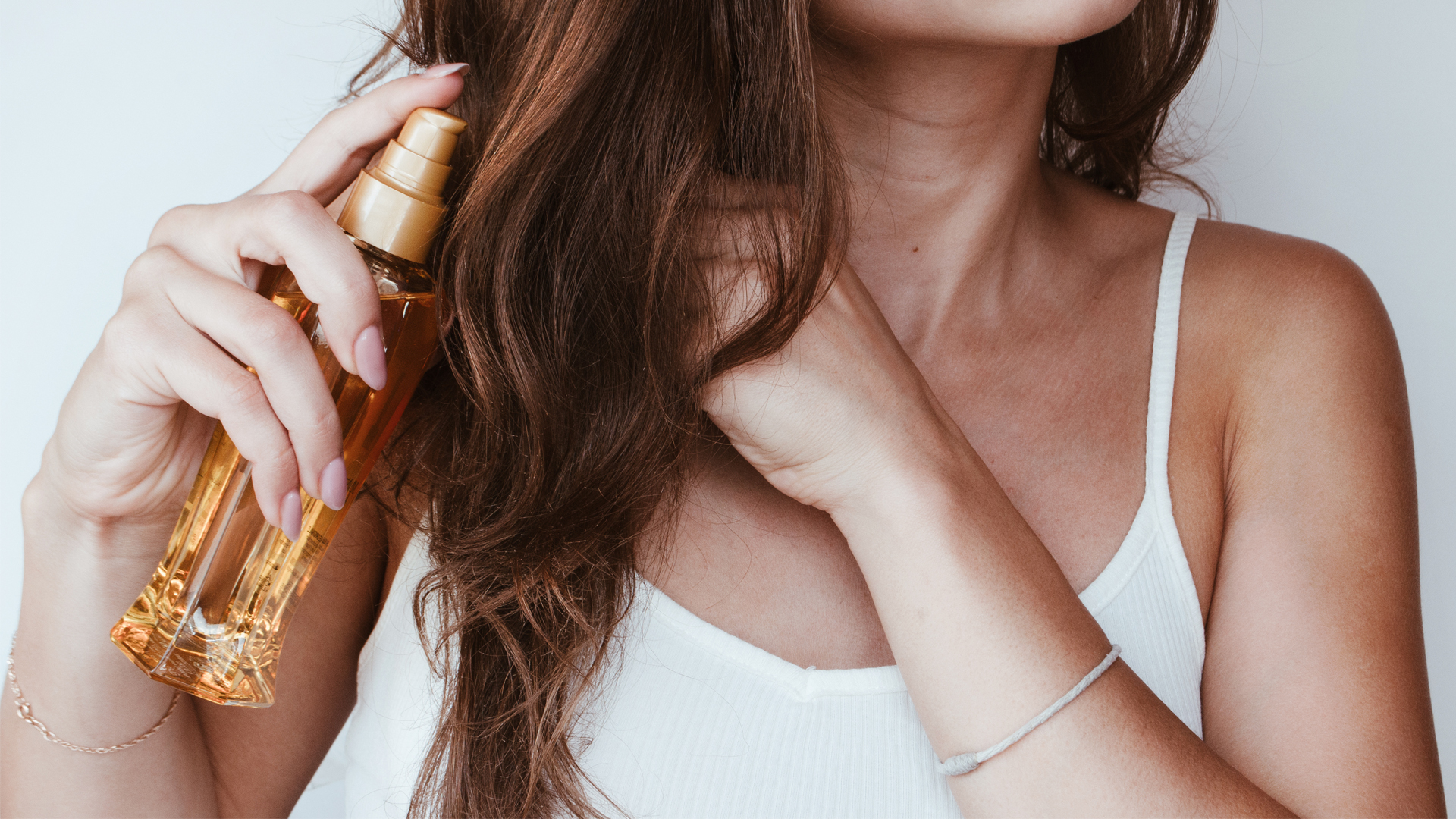
Texture sprays and sea salt sprays can create that breezy, beachy look people love. They add grip, separation, and a little undone movement. However, they should be used thoughtfully because some formulas can feel drying, especially on color-treated or already dry hair.
If your hair is fine or oily, a light texture spray can add body without much effort. If your hair is dry, apply a leave-in conditioner first, then use texture spray sparingly through the mid-lengths and ends. Scrunch after spraying to encourage movement.
Salt-free wave sprays are another option. Some use ingredients such as sugar, proteins, or lightweight conditioning agents to create texture without the same dry feel. The best choice depends on your hair density, porosity, climate, and how polished or messy you want the final look.
Common Mistakes That Make Wavy Hair Fall Flat
Using Products That Are Too Heavy
Rich butters and thick creams can be wonderful for some curls and coils, but they may overwhelm loose waves. If your hair looks greasy, limp, or stringy, switch to lighter products.
Touching Hair Before It Is Dry
This is the classic wavy hair trap. Your hair starts drying beautifully, you touch it “just once,” and suddenly frizz enters the chat. Let waves dry fully before fluffing, separating, or scrunching out gel cast.
Skipping Hold Products
Moisture is important, but moisture alone may not keep waves defined. If your hair looks great wet but disappears when dry, add mousse or gel.
Brushing Dry Waves
Dry brushing can separate the wave pattern and create puffiness. Refresh with water and scrunching instead.
Best Routine for Accentuating Wavy Hair
Here is a simple routine you can customize:
- Wash your scalp with a gentle shampoo.
- Condition the mid-lengths and ends.
- Detangle with fingers or a wide-tooth comb while hair is wet.
- Apply lightweight leave-in conditioner.
- Add mousse, gel, or both, depending on your hold needs.
- Scrunch upward to form waves.
- Remove excess water with a microfiber towel or T-shirt.
- Air dry or diffuse on low heat and low airflow.
- Do not touch until fully dry.
- Scrunch out any cast and fluff roots gently.
This routine is not a law. It is a starting point. Wavy hair often requires a little trial and error because texture, density, porosity, haircut, humidity, and product choice all change the result.
Haircuts That Help Waves Stand Out
The right haircut can make wavy hair much easier to style. Long, heavy, one-length cuts may pull waves downward, especially if your hair is fine. Soft layers can remove weight and help waves bounce up. Face-framing pieces can also add movement around the front, where waves often show best.
Ask your stylist for a cut that works with your natural texture. If you usually wear your hair wavy, arrive at the salon with your hair styled naturally so the stylist can see your pattern. A great wavy haircut should look good without requiring a curling iron every morning. Your haircut should be your assistant, not your unpaid intern.
Experience Section: What Real Wavy Hair Teaches You Over Time
Living with wavy hair is a long-term relationship, not a one-date miracle. At first, many people try to solve every problem with more product. More cream for frizz. More mousse for volume. More gel for hold. More spray for texture. Before long, the bathroom shelf looks like a tiny beauty supply store, and the hair still has the emotional stability of a weather app.
The biggest lesson is that wavy hair responds best to balance. Too much moisture can make waves soft but limp. Too much protein can make them feel stiff or rough. Too much gel can create definition but reduce movement. Too little product can leave hair fluffy and undefined. The sweet spot is personal, and it often changes with the season.
Humidity is another teacher. On dry days, waves may need more leave-in conditioner or a softer cream. On humid days, they may need stronger hold and less touching. If your hair expands outside like it is trying to become a houseplant, do not panic. Add a humidity-resistant styler, use gel, and let the hair dry completely before stepping into damp air when possible.
Another real-life discovery: your best wash-day hair may not happen on day one. Some waves look better on day two after the hair has relaxed, gained a little volume, and stopped looking too “perfect.” A quick mist of water, a tiny bit of mousse, and a gentle scrunch can bring back shape without restarting the whole routine.
People with wavy hair also learn that the underneath layers may behave differently from the top. The front pieces may curl beautifully while the back remains suspiciously straight. One side may wave like a shampoo commercial while the other side looks like it slept through the meeting. This is normal. Hair patterns are rarely identical across the whole head.
A practical trick is to style stubborn sections individually. If the front pieces fall flat, finger-coil them with a little gel. If the roots lack volume, clip them upward while drying. If the ends look stringy, trim them or use less heavy product. Small adjustments often work better than changing the entire routine.
The most satisfying moment comes when you stop trying to make wavy hair look the same every day. Wavy hair is naturally relaxed, dimensional, and a bit unpredictable. That is part of its charm. Some days it will be polished. Some days it will be beachy. Some days it will be “I tried, and honestly, this is still pretty cute.”
The goal is not perfection. The goal is to understand your texture well enough to bring out its best qualities: movement, softness, shine, and personality. Once you learn what your waves like, styling becomes less of a battle and more of a collaboration. A slightly chaotic collaboration, yes, but a beautiful one.
Conclusion
Accentuating wavy hair is all about working with your natural pattern instead of forcing it into a shape it does not want. Start with gentle cleansing, smart conditioning, careful detangling, and lightweight moisture. Then use scrunching, mousse, gel, microfiber drying, diffusing, and refreshing techniques to bring your waves to life.
The best wavy hair routine is simple, flexible, and realistic. You do not need 27 products, a professional glam squad, or a full moon. You need the right balance of hydration, hold, and patience. Once you find that balance, your waves can look defined, soft, touchable, and full of movementthe kind of hair that looks effortless, even when you know a little strategy was involved.