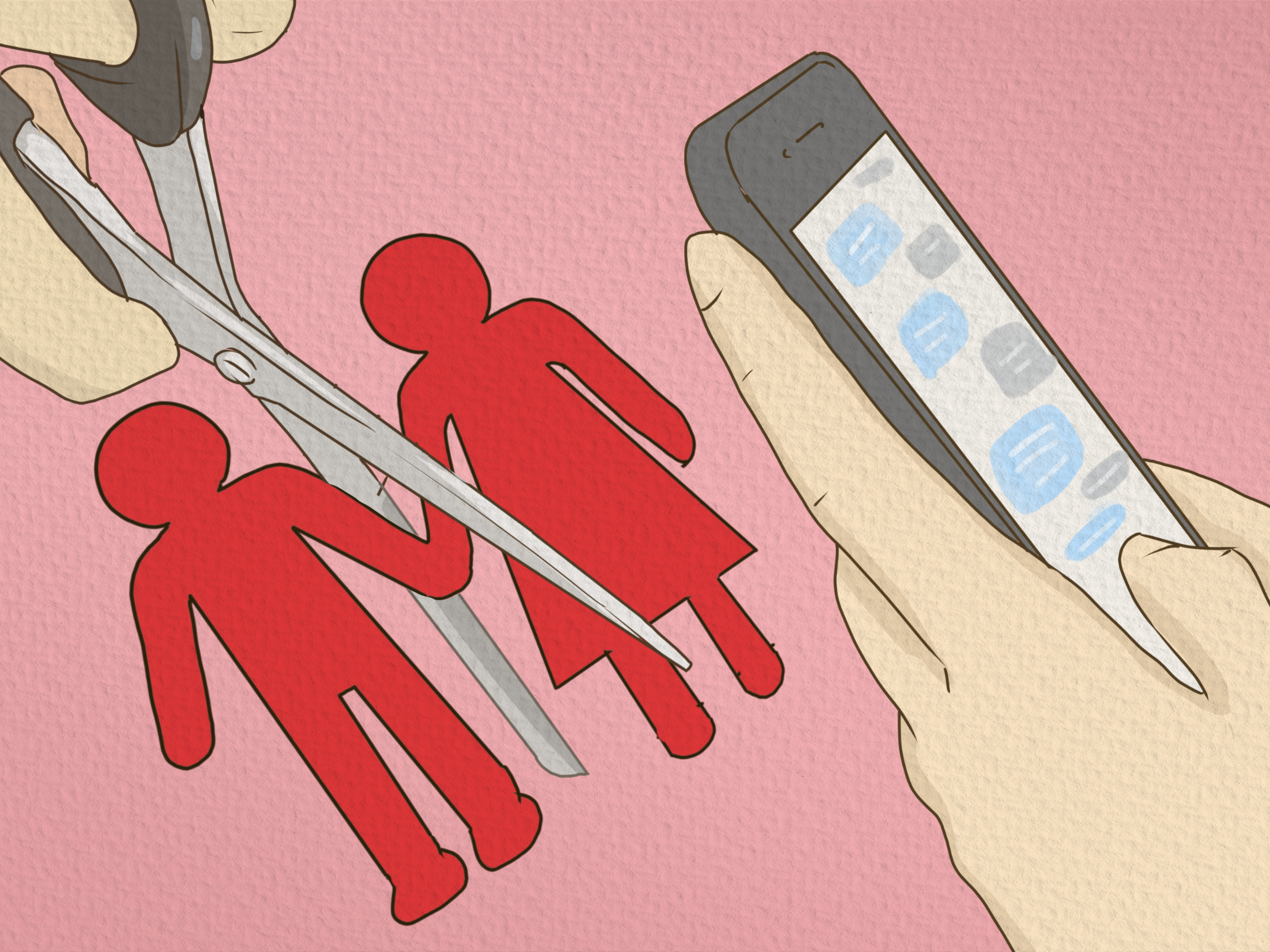
Breakups are supposed to end things. In reality, they often leave the door cracked open just enough for confusion to stroll back in wearing great hair and texting, “Hey, stranger.” One minute your ex is silent for weeks. The next, they like your photo from six months ago, ask how your mom is doing, and vanish again like a magician who specializes in emotional whiplash.
If that sounds familiar, you may be wondering whether your ex is testing you. Not in the cute, romantic-comedy sense. More in the “Are they checking if I’m still available, still attached, still easy to access, or still willing to play this game?” sense. And yes, that kind of testing happens more often than people want to admit.
To be fair, not every odd text means your ex is running a secret lab experiment on your heart. Sometimes people are lonely, nostalgic, guilty, curious, or bad at endings. But when the behavior becomes patterned, inconsistent, and emotionally destabilizing, it can start to look a lot like breadcrumbing, mixed signals, or plain old boundary-poking.
This guide breaks down 11 common signs your ex may be testing you, what those behaviors usually mean, and how to respond without getting dragged back into a situation that costs you your peace. Because closure is hard enough without turning your phone into a haunted house.
What It Usually Means When an Ex Is “Testing” You
When people say an ex is testing you, they usually mean one thing: your ex is trying to measure your availability without clearly offering commitment, accountability, or real change. They may want reassurance that you still care. They may want to know whether they still have emotional access to you. They may even want to soothe their ego, ease their guilt, or keep you as a backup plan while they figure themselves out.
That does not always make them evil. It does make the dynamic risky. Why? Because testing behavior usually creates uncertainty instead of clarity. It pulls you into analysis mode, where you start decoding emojis like they are ancient prophecy and asking your best friend whether “Hope you’re good” means reconciliation or boredom.
The healthiest lens is this: do not focus only on whether your ex is testing you. Focus on whether their behavior is consistent, respectful, and aligned with what you actually want.
11 Signs Your Ex Is Testing You
1. They Send Random Check-In Texts After Long Silence
If your ex disappears for weeks or months and then suddenly pops up with “Hey,” “Been thinking about you,” or the classic “Just checking in,” pay attention to the pattern. A genuine attempt to reconnect usually comes with clarity, context, and follow-through. A test usually comes with vagueness and an escape hatch.
What to do: Do not reward confusion with instant intimacy. Reply only if you want to, and keep it calm and brief. If they want a real conversation, let them be specific. You are not customer support for unfinished emotions.
2. They Get Warmer the Moment You Pull Away
This is one of the clearest signs. When you stop replying quickly, stop watching their stories, or start moving on, suddenly they become more attentive. They compliment you, reminisce, or act vulnerable. The second you lean in, they cool off again.
That hot-and-cold cycle often says less about love and more about control, anxiety, or fear of losing access.
What to do: Watch behavior over time, not emotional spikes. If their interest only appears when your attention disappears, do not mistake reactivity for commitment.
3. They Watch Everything You Post but Avoid Real Conversation
Your ex may be first to view every story, like your posts, react with the occasional fire emoji, and somehow remain allergic to an honest conversation. Social media can become a low-risk way to test whether you are still emotionally reachable.
What to do: Treat passive digital lurking for what it is: data, not devotion. If seeing their name every day keeps reopening the wound, mute, restrict, or unfollow. Peace is a perfectly valid user setting.
4. They Fish for Jealousy
If your ex casually mentions someone new, drops hints about dating, or asks whether you are seeing anyone in a tone that feels a little too interested, they may be testing your emotional reaction. This is especially true if the conversation seems designed to provoke rather than inform.
What to do: Refuse the bait. You do not need to perform hurt, interest, or competition. A calm response like “I hope things are going well for you” shuts down the drama without inviting more of it.
5. They Bring Up Your Best Memories at Convenient Times
Nostalgia is powerful. Exes who want to test the waters often reheat the highlight reel: your first trip, your inside jokes, that one perfect night, the playlist, the dog, the diner, the hoodie. Conveniently, they skip the part where the relationship actually broke down.
What to do: Let yourself remember the good without rewriting history. If you feel pulled in, remind yourself why the relationship ended. Missing moments is not the same as missing the relationship as it really was.
6. They Ask for “Small” Favors That Recreate Emotional Closeness
Can you help them with a résumé? Pick up something they left behind? Talk them through a hard day? Look at their apartment listing? Tiny favors can become soft-launches back into emotional couple territory, especially when the breakup is still fresh.
What to do: Ask yourself whether the favor is practical or relational. If it pulls you back into a caretaker role you are trying to leave, say no. Boundaries are not rude. They are adult furniture.
7. They Flirt but Won’t Define Anything
Your ex compliments your appearance, sends late-night texts, jokes about old chemistry, or acts like the breakup was a minor scheduling inconvenience. But when the conversation gets serious, they become slippery. No definition, no plan, no accountability.
What to do: Do not let flirtation substitute for clarity. If you are open to reconnection, ask direct questions: “What are you looking for?” “Why are you reaching out now?” “What would be different this time?” Vibes are not a relationship plan.
8. They Want Friendship With Romantic Benefits
Some exes say they want to “stay close” or “be friends” but act territorial, flirt heavily, lean on you emotionally, or expect access that exceeds ordinary friendship. That is not always friendship. Sometimes it is a low-commitment way to keep the bond alive while avoiding responsibility.
What to do: Define the terms. Real friendship after a breakup usually requires time, healing, and clear boundaries. If the friendship feels like a discount version of the old relationship, it is probably not friendship yet.
9. They Use Guilt, Crisis, or Pressure to Pull You Back
If your ex implies you abandoned them, says nobody understands them like you do, blames you for their emotional state, or uses guilt to force contact, that is a major red flag. In more serious cases, they may use threats, panic, or emotional pressure to keep you engaged.
What to do: Take distress seriously, but do not let guilt become a leash. If there is a genuine safety concern, contact emergency services, a crisis resource, or a trusted adult rather than trying to manage everything alone. Compassion and boundaries can exist in the same sentence.
10. They Involve Mutual Friends to Get Information
If your ex is suddenly asking friends about your dating life, mood, schedule, or whether you still talk about them, they may be triangulating instead of communicating directly. It keeps them informed while preserving plausible deniability.
What to do: Tell trusted friends what you are comfortable sharing. A simple “Please don’t relay updates about me” can save a lot of unnecessary emotional static. Your healing does not need a group chat.
11. Their Apologies Sound Good, but Nothing Changes
This is the grand finale. Your ex says they have changed, they miss you, they understand your pain, and they are sorry. Great. But do they actually show sustained change, respect your limits, and communicate consistently? Or do they apologize just enough to reopen the door and repeat the same cycle?
What to do: Measure change by actions, not speeches. A meaningful apology includes accountability and follow-through. If the pattern stays the same, the apology is just decoration on the same old mess.
How to Respond Without Failing a Test You Never Agreed to Take
Get Clear on Your Goal First
Before responding to anything, decide what you want. Are you hoping to reconcile? Trying to heal? Open to friendship later but not now? Looking for total no contact? When you know your goal, you stop reacting on autopilot.
Match Their Behavior, Not Their Potential
Many people get stuck because they respond to what the ex could mean instead of what the ex is actually doing. Potential is charming. Pattern is truth. If someone offers confusion, believe the confusion.
Use One Clear Boundary
You do not need a courtroom speech. Try something simple: “I’m not available for mixed signals.” “I’m focusing on moving forward.” “If you want to talk seriously, be direct.” “I’m not comfortable staying in touch right now.” Calm boundaries are often more effective than emotional essays.
Choose Low Contact or No Contact When Needed
If every exchange resets your healing, creates anxiety, or keeps you obsessed with decoding their motives, stepping back is wise. In some cases, no contact is the fastest route to clarity. If you must stay in touch because of work, school, or co-parenting, keep communication minimal, practical, and specific.
Stop Using Social Media as Emotional Weather Forecasting
Checking whether your ex viewed your story is not closure. It is a stress hobby. Social media makes tiny signals feel huge, which is why it is often the perfect playground for post-breakup testing. Reduce exposure if it keeps you stuck.
Talk to Someone Who Is Not in the Drama
A trusted friend, counselor, therapist, or grounded family member can help you reality-check the situation. This matters even more if you feel confused, guilty, or like you are constantly second-guessing your own read on the dynamic.
When “Testing” Crosses Into Something More Serious
Sometimes the issue is not just emotional ambiguity. Sometimes it becomes manipulation, coercion, harassment, or abuse. Take it seriously if your ex constantly monitors you, pressures you sexually, humiliates you, threatens you, tries to isolate you, weaponizes guilt, or makes you question your memory and judgment.
If that is happening, the goal is no longer to decode their intentions. The goal is to protect your safety and mental health. Keep records if needed, tighten privacy settings, tell people you trust, and seek professional or local support. If there is an immediate safety concern, contact emergency services right away. If someone is using emotional crisis threats to force you into contact, get outside help rather than carrying that weight by yourself.
Real-Life Experiences: What This Usually Feels Like on the Ground
In real life, being tested by an ex rarely looks dramatic at first. It looks small. Annoyingly small. It looks like a heart reaction to your Instagram story after twenty-one days of silence. It looks like “Hey, I found your old sweatshirt” even though that sweatshirt mysteriously vanished nine months ago and has apparently now been discovered in the emotional archaeology wing of their closet. It looks like a midnight text that says, “Can I ask you something?” followed by absolutely nothing for twelve hours.
Most people do not get pulled back in because of one giant romantic gesture. They get pulled back in through repetition. A little nostalgia here. A little jealousy there. A tiny apology. A casual check-in. A crisis moment. A compliment that lands exactly where your self-doubt lives. That is why the experience can feel so disorienting. Every single interaction seems too small to make a big deal about, but together they create a pattern that keeps you emotionally on call.
One common experience is feeling strangely relieved whenever your ex reaches out, even if you know the contact is unhelpful. That relief can fool you into thinking the connection is healing. Often it is just temporary reassurance. You feel seen for a second, then dropped again, and suddenly you are more anxious than before. It is emotional fast food: quick hit, low nourishment, regret later.
Another common experience is overinterpreting digital behavior. You tell yourself you are just being observant, but soon you are building a full detective board out of story views, playlist changes, old likes, and suspiciously timed selfies. When that happens, the issue is no longer whether your ex is testing you. The issue is that the dynamic is draining your focus and training your nervous system to live on uncertainty.
People also describe feeling embarrassed that they still care. They think, “Why am I even affected by this?” But the truth is simple: attachment does not shut off on command. Confusing contact from an ex can reopen grief, hope, anger, attraction, and self-doubt all at once. That does not mean you are weak. It means you are human.
The most empowering shift usually happens when someone stops asking, “What does my ex want?” and starts asking, “What does this behavior do to me?” If the answer is that it makes you anxious, distracted, guilty, obsessed, or emotionally smaller, that answer matters more than whatever hidden motive your ex may or may not have. Your experience is valid evidence.
And once people start responding from self-respect instead of curiosity, the fog tends to lift. They stop rushing to reply. They stop explaining themselves in paragraphs. They stop treating every ping like fate. They choose boundaries, quiet, and consistency. Oddly enough, that is often when the so-called test loses its power. Because the moment you stop auditioning for a role in someone else’s unfinished emotional script, you get your life back.
Conclusion
If your ex is testing you, the most important thing to remember is this: you do not have to pass. You do not have to prove your loyalty, your softness, your availability, or your capacity to tolerate mixed signals. Healthy reconnection is possible in some cases, but it requires honesty, consistency, accountability, and changed behavior, not breadcrumb texts and emotional scavenger hunts.
So if you notice the signs, pause before you react. Look at patterns. Trust your nervous system. Decide what protects your peace. The right relationship will not make you decode affection like it is a crossword puzzle written by chaos.