Note: This article is written for web publication in standard American English and synthesizes real home-organization guidance from reputable U.S. lifestyle, design, and storage experts. No source links are included in the article body as requested.
A master closet should feel like a personal boutique, not a tiny department store after a tornado with excellent taste. Yet for many people, the primary bedroom closet becomes the place where good intentions go to retire: jeans that almost fit, shoes that require emotional support, formalwear from a wedding three jobs ago, and a suspicious pile of “I’ll deal with this later.” Spoiler: later has entered the chat.
The good news is that master closet organization does not require a mansion, a custom carpenter, or the kind of budget that makes your credit card whisper, “Please don’t.” With smart zones, better visibility, seasonal storage, vertical space, and a few simple habits, you can turn even a chaotic walk-in closet into a calm, practical, easy-to-maintain space.
These 10 easy master closet organization tips are designed for real life. That means they work whether you have a spacious dressing room, a builder-grade walk-in, a shared closet with two very different wardrobe personalities, or one shelf that appears to be holding up the hopes of the entire household.
Why Master Closet Organization Matters
A well-organized master closet saves time, protects clothing, reduces visual clutter, and helps you make better style decisions. When everything is crammed together, you forget what you own, buy duplicates, wear the same five outfits, and slowly develop a complicated relationship with laundry. When your closet is arranged by category, use, season, and visibility, getting dressed becomes faster and less stressful.
Closet organization is not just about making things look pretty for exactly 11 minutes before real life happens. The best systems are simple enough to maintain. If your storage plan requires you to fold sweaters into museum-quality rectangles every Tuesday under perfect lighting, it will fail. If your plan gives every item a logical home, uses containers that fit your actual shelves, and makes everyday clothes easy to reach, it has a fighting chance.
10 Easy Master Closet Organization Tips That Actually Work
1. Start With a Closet Edit Before Buying Anything
The first rule of master closet organization is painfully simple: do not organize clutter. That is just giving chaos a name tag. Before buying bins, baskets, hangers, drawer dividers, or a glamorous velvet bench you may not have room for, take inventory of what you own.
Pull out one category at a time: shirts, pants, dresses, shoes, bags, accessories, workout clothes, and seasonal pieces. This keeps the project manageable and prevents your bedroom from looking like a retail clearance event. For each item, ask three questions: Does it fit? Do I wear it? Does it support the life I actually live now?
Create four piles: keep, donate, sell, and repair. Be honest, but not dramatic. You do not have to become a minimalist who owns one linen shirt and speaks softly to houseplants. The goal is to keep clothing that is useful, flattering, comfortable, meaningful, or truly loved. If an item is damaged beyond repair, recycle it if possible. If it is in good condition but no longer serves you, let someone else enjoy it.
2. Use the Reverse Hanger Method for Wardrobe Reality Checks
If you struggle to decide what to keep, try the reverse hanger method. Turn all hangers backward at the beginning of a season. After you wear an item, return it to the closet with the hanger facing the normal direction. After three months, the backward hangers tell the truth without making a speech.
This method is especially useful in a master closet because primary closets often become storage zones for fantasy wardrobes. You may discover that you wear the same black sweater constantly, but have not touched six “statement tops” since statement necklaces were a personality trait. The point is not to shame yourself. It is to understand your real habits.
For folded items, use a similar tracking system. Place rarely worn sweaters or jeans in a labeled bin and set a reminder to review it at the end of the season. If you never opened the bin, that is useful information. Your closet should reflect your current routines, not your imaginary life as a person who attends brunch in silk trousers every weekend.
3. Create Clear Closet Zones
Zones are the secret sauce of easy closet organization. Instead of mixing everything together, divide your master closet into sections based on use and category. Common zones include everyday workwear, casual clothes, activewear, formalwear, shoes, bags, accessories, seasonal items, laundry, and travel gear.
Keep daily-use items at eye level or within easy reach. Store occasional items higher, lower, or toward the back. For example, your go-to jeans should not live behind ski pants unless you are skiing to the grocery store. Formal gowns, tuxedos, heavy coats, and vacation-only clothing can be stored in garment bags or labeled bins if they are not part of your weekly routine.
For shared closets, create personal zones. One partner gets the left side, the other gets the right side, or each person gets dedicated hanging space, shelves, and drawers. Shared baskets are where organization systems go to become arguments. Separate zones keep peace, visibility, and socks under control.
4. Maximize Vertical Space
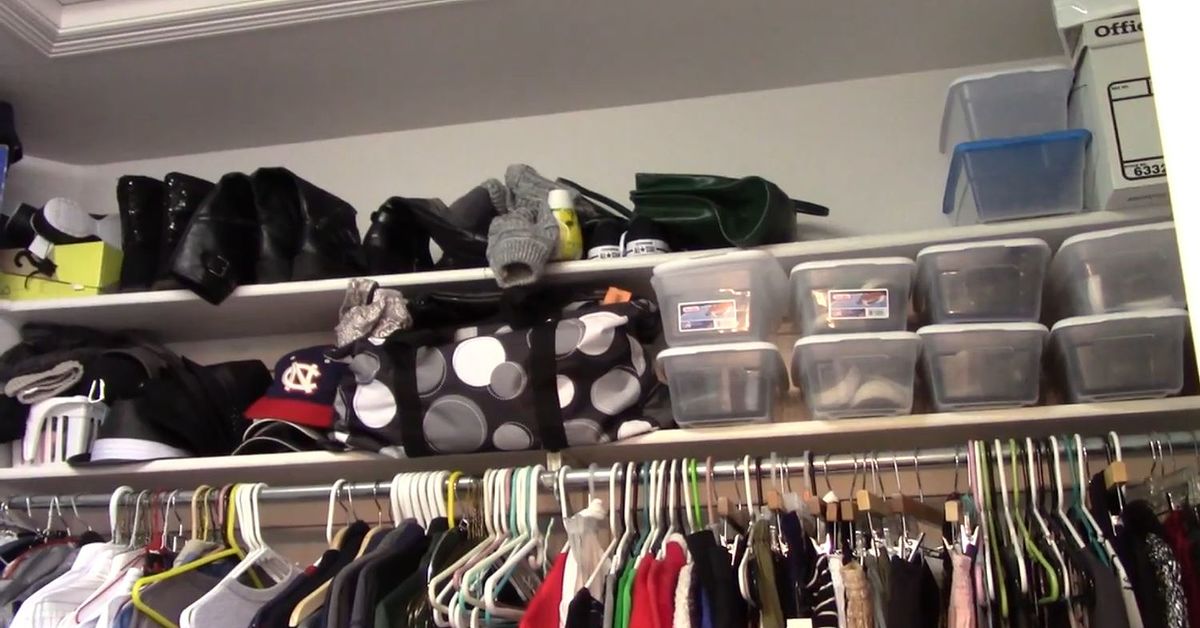
Most master closets have hidden storage potential above, below, and behind the main hanging rods. Vertical space is where the magic happens. Add stackable bins to upper shelves, use shelf dividers for sweaters and jeans, install hooks on empty wall space, and consider a second hanging rod if your closet has tall open areas.
Short-hanging items such as shirts, blouses, folded pants, and skirts can often fit on double rods. Long-hanging items such as dresses and coats need their own section. By separating short and long pieces, you free up floor space for shoe racks, baskets, or a hamper.
The back of the closet door is also valuable real estate. Use it for belts, scarves, hats, slim shoe organizers, jewelry pouches, or daily accessories. Just avoid overloading the door until it looks like a traveling accessories cart. Keep it neat, intentional, and easy to access.
5. Upgrade Your Hangers
Hangers are small, but they can make or break a closet. Mismatched bulky hangers waste space and create visual clutter. Slim, matching hangers instantly make a master closet look cleaner and can increase hanging capacity. Velvet hangers are helpful for slippery tops, while sturdy wooden hangers are better for coats, suits, and heavier garments.
Do not keep wire hangers from the dry cleaner unless you enjoy shoulder bumps and closet chaos. Use specialty hangers for pants, belts, ties, scarves, and skirts. Cascading hangers can save space, but use them carefully. If they make clothes difficult to see or remove, they may simply create vertical clutter.
One practical rule: hang only what benefits from hanging. Dresses, blouses, jackets, trousers, and structured pieces usually do well on hangers. Thick sweaters often stretch when hung, so fold them on shelves or in drawers with dividers.
6. Make Shoes Easy to See and Easy to Put Away
Shoes have a talent for becoming a floor-based obstacle course. The solution is not necessarily more shoe storage; it is better shoe visibility. Use shelves, cubbies, angled racks, clear shoe boxes, stackable bins, or an over-the-door shoe organizer depending on your space.
Keep everyday shoes at the most accessible level. Store special occasion shoes higher or in labeled boxes. Boots may need boot shapers, clips, or taller cubbies so they do not slump into sad leather noodles. If your shoe collection is large, group by type: sneakers, flats, heels, boots, sandals, dress shoes, and seasonal footwear.
For a polished look, place one shoe facing forward and the other backward on shelves. This saves a little space and lets you see heel height and toe shape at the same time. It is a tiny trick, but tiny tricks are the snacks of organization: small, satisfying, and surprisingly effective.
7. Use Drawers, Dividers, and Bins for Small Items
Small items are the reason closets become mysterious. Socks, belts, jewelry, sunglasses, scarves, shapewear, workout accessories, and travel pouches can disappear into drawers like they are entering witness protection. Dividers solve this problem by creating boundaries.
Use drawer dividers for socks, underwear, bras, ties, watches, and accessories. Use small bins for clutches, wallets, hair accessories, lint rollers, and seasonal extras. Clear bins work well when you want visibility. Fabric bins look softer and more decorative. Labeled bins are best for high shelves where you cannot easily see the contents.
For folded clothing, try file folding. Instead of stacking T-shirts or leggings in piles, fold them vertically so you can see each item when you open the drawer. This prevents the classic “remove one shirt, destroy entire stack” tragedy.
8. Rotate Seasonal Clothing
A master closet works better when it is not trying to hold every climate at once. If your closet contains wool coats, swimsuits, linen shirts, snow boots, beach hats, and holiday pajamas all within arm’s reach, you are asking a lot from one space.
Use a seasonal swap system. Keep in-season clothing front and center. Store off-season items in breathable garment bags, lidded bins, under-bed storage, or upper shelves. Before storing anything, make sure it is clean and dry. Stains and odors can set over time, and moths are not known for respecting your favorite cashmere.
Label seasonal containers clearly: “Winter Sweaters,” “Summer Linen,” “Vacation,” “Formalwear,” or “Holiday.” When the next season arrives, you can swap items without hosting a full closet excavation.
9. Improve Closet Lighting and Mirrors
Lighting is often overlooked in master closet organization, but it matters. If you cannot see your clothes clearly, you will not use your closet efficiently. Poor lighting also makes navy and black look identical, which is how people accidentally create outfits with the emotional range of a shadow.
Upgrade overhead lighting if possible, or add battery-powered LED lights, motion-sensor strips, or rechargeable puck lights to dark shelves and corners. A full-length mirror or mirrored door can make the closet more functional and help you check outfits without sprinting across the bedroom.
If you have a walk-in closet, consider a small stool, bench, or landing surface if space allows. This gives you a place to put folded laundry, pack a suitcase, or sit while putting on shoes. Just do not let the bench become a clothing mountain. Furniture in a closet should support organization, not become a soft storage rebellion.
10. Build a 10-Minute Weekly Reset
The best closet system is the one you maintain. A master closet does not stay organized because you did one heroic weekend project while listening to a podcast and questioning your life choices. It stays organized because you create small habits.
Once a week, set a timer for 10 minutes. Rehang clothes, return shoes to their homes, fold stray items, empty the hamper, remove dry-cleaning bags, and toss donation items into a dedicated basket. This short reset prevents small messes from becoming closet folklore.
Use the one-in, one-out rule for clothing and shoes. When you buy a new item, donate or sell something you no longer wear. This habit keeps your closet from expanding beyond its physical limits. Unfortunately, closets do not grow just because we have discovered a sale.
Budget-Friendly Master Closet Organization Ideas
You do not need a custom closet system to make a major improvement. Start with the lowest-cost, highest-impact changes: matching slim hangers, drawer dividers, shelf dividers, labels, clear bins, hooks, and a proper hamper. These items solve many common closet problems without renovation.
If you have a little more budget, consider modular shelves, stackable shoe racks, pull-out baskets, or a freestanding drawer unit. For larger closets, a modular closet system can add structure with rods, shelves, drawers, and accessory storage. Measure carefully before buying anything. “I think it fits” is not a measurement; it is a future return errand.
For renters, use removable hooks, tension rods, freestanding shelves, over-the-door organizers, and portable garment racks. These options improve storage without permanent installation. The goal is to make the closet work for your life now, not wait for a mythical future renovation where everything is custom and you suddenly enjoy folding laundry.
Common Master Closet Organization Mistakes to Avoid
One common mistake is storing too many sentimental pieces with everyday clothing. A wedding outfit, heirloom scarf, or college sweatshirt may deserve a place in your home, but not necessarily prime closet real estate. Store keepsakes separately so they do not crowd daily essentials.
Another mistake is buying containers before decluttering. Storage products are helpful only when they match your actual inventory. If you buy 12 bins before editing, you may simply create a very attractive storage system for things you do not need.
Finally, avoid systems that are too complicated. If every shirt must be sorted by color, sleeve length, fabric, mood, and moon phase, the system will collapse. Organize enough to make life easier, not so much that your closet needs an operations manual.
Experience Section: What Actually Makes a Master Closet Stay Organized
In real life, the biggest lesson about master closet organization is that maintenance matters more than perfection. A closet can look stunning on day one, with matching bins and shirts arranged in a soothing color gradient, but if the system does not match your daily habits, it will slowly unravel. The most successful closets are not the fanciest ones. They are the ones where putting something away is almost as easy as dropping it on the nearest chair.
One practical experience many homeowners share is that visibility changes everything. When clothes are hidden in deep piles, they stop existing in your mind. You reach for the same outfits because those are the only ones you can see. After reorganizing shelves with dividers and file-folding drawers, people often rediscover pieces they already own. It feels like shopping, except your bank account remains calm.
Another real-world lesson is that shoes need a strict plan. In many master closets, shoes begin neatly lined up and then migrate across the floor like tiny leather animals. A defined shoe zone prevents this. Even a simple two-tier rack can change the mood of the space. Clear shoe boxes are excellent for special pairs, but everyday shoes usually need open access. If a storage solution adds too many steps, people stop using it. Nobody wants to unbox sneakers at 7:15 a.m. while holding coffee and negotiating with time.
Shared closets also teach valuable lessons. Couples often have different definitions of “organized.” One person may want color-coded categories; the other may believe a pile is a valid filing system. The solution is not to force one method on both people. Instead, give each person their own zones and choose systems that fit their habits. Drawer dividers may work for one partner, while open baskets work better for the other. A master closet should reduce conflict, not become a courtroom for laundry crimes.
Lighting is another underrated experience-based upgrade. Many people organize their closets and still feel frustrated because the space is dim. Once brighter bulbs, LED strips, or motion lights are added, the closet becomes easier to use. You can distinguish colors, find accessories, and spot clutter before it multiplies. Good lighting also makes the space feel more intentional, which encourages better habits.
The final experience worth noting is emotional: decluttering gets easier after the first round. At first, letting go of clothes can feel wasteful or uncomfortable. But after living with a closet full of items you actually wear, the benefits become obvious. Mornings are smoother. Laundry is less intimidating. Shopping becomes more thoughtful because you know what you own. The closet stops being a guilt museum and becomes a working part of your home.
Conclusion
Master closet organization is not about creating a picture-perfect space that belongs in a luxury catalog. It is about building a closet that supports your real routines, protects your clothes, and helps you start the day with less stress. Begin with a closet edit, organize by zones, use vertical space, upgrade hangers, improve shoe storage, add dividers, rotate seasonal clothing, brighten the space, and maintain it with a quick weekly reset.
The best master closet is easy to understand at a glance. You know where your jeans live. Your shoes are not plotting against your ankles. Your sweaters are not leaning like a fabric skyscraper. Everything has a place, and that place makes sense. With these simple closet organization tips, your master closet can become more functional, more beautiful, and far less likely to make you mutter before breakfast.