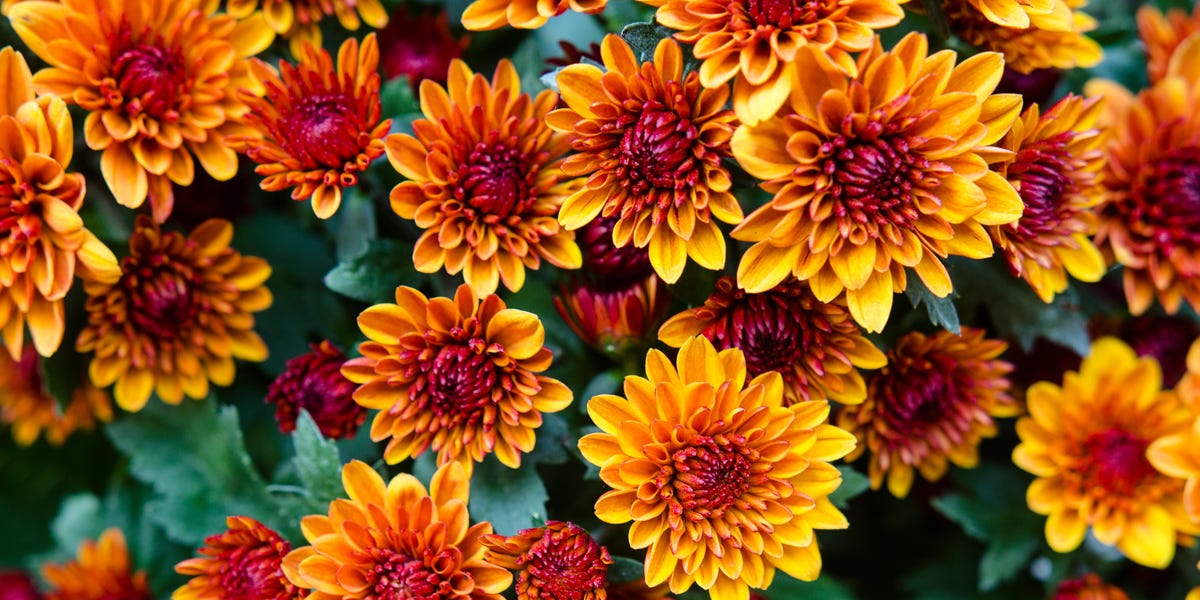
Fall mums are the undisputed drama queens of autumn. They arrive at garden centers in big, fluffy domes, wearing every shade of gold, rust, plum, bronze, burgundy, and sunset orange like they own the season. Honestly, they kind of do. But even the prettiest mums look better with a supporting cast. The right companion plants for mums add contrast, stretch the season, and keep your porch pots, borders, and flower beds from looking like a one-plant talent show.
If you want a fall garden that feels layered instead of random, the trick is not to keep buying more mums until your cart squeaks. The trick is to pair chrysanthemums with plants that love similar conditions and bring something different to the party: foliage, height, texture, trailing growth, or extra blooms when the weather turns cool. In other words, give your mums a few stylish friends and let them all shine together.
Below, you’ll find the best companion plants for mums this fall, plus practical ideas for arranging them in containers and garden beds without creating a tangled botanical group chat.
Why Companion Planting Works So Well with Fall Mums
Mums like the basics done right: plenty of sun, decent air circulation, and soil that drains well. They are not interested in wet feet, deep shade, or being smothered by something bigger and thirstier. That makes choosing companion plants pretty simple. Look for plants that enjoy similar light, can handle cool fall weather, and bring a different look than the tight, rounded shape of chrysanthemums.
The best plants to pair with mums usually do one of four jobs. Some add texture, like ornamental grasses or coral bells. Some add contrast in shape, like snapdragons or small conifers. Some bring trailing softness, like sweet alyssum. And some extend the color story of autumn, like asters, pansies, and ornamental kale. Put those qualities together, and your fall containers go from “nice pot” to “who did your porch styling?”
10 Best Companion Plants for Mums This Fall
1. Ornamental Kale and Cabbage
If mums are the fireworks, ornamental kale and cabbage are the velvet backdrop. Their ruffled leaves bring bold foliage in shades of purple, dusty rose, cream, and green, which makes mum blooms look even richer. Because these cool-season favorites hold up well in chilly weather, they often keep looking sharp after more tender plants have started waving the white flag.
They work especially well in containers because they create a dense, sculptural middle or lower layer. Try bronze mums with purple ornamental kale for a dramatic look, or white mums with creamy cabbage for a softer, elegant display. If your fall style leans more “pumpkin patch chic” than “formal estate garden,” this pairing is basically your soulmate.
2. Pansies
Pansies are one of the easiest ways to make mums look fuller and more polished. Their cheerful, face-like blooms tuck neatly around the base of chrysanthemums, filling empty gaps with purple, blue, yellow, white, and maroon color. Since pansies tolerate cool temperatures and even light frosts, they’re a smart match for autumn containers and front-border plantings.
Use pansies when your mums feel a little too stiff or top-heavy. A low ring of pansies softens the edges and makes the whole arrangement look intentional. Think of them as the eyeliner of fall planters: subtle, strategic, and weirdly powerful.
3. Violas
Violas are pansies’ smaller, more prolific cousins, and they deserve their own spotlight. They bloom generously, trail a bit more naturally, and bring a delicate, almost confetti-like effect around larger mum flowers. If pansies are bold and charming, violas are the friend who shows up in a great jacket and somehow makes everyone else look better too.
Because violas produce so many flowers, they are excellent for edging containers, window boxes, and pathways where you want a thick ribbon of fall color. Pair golden mums with deep purple violas, or burgundy mums with pale lavender violas for a combo that looks expensive even if your budget absolutely did not feel expensive.
4. Asters
Asters are one of the classic fall flowering companions for mums, and for good reason. They bloom from late summer into fall, often right through frost, and bring masses of daisy-like flowers in purple, pink, white, and blue tones. Their looser, more natural growth habit contrasts beautifully with the rounded form of garden mums.
In landscape beds, asters help create that layered cottage-garden effect people spend entire weekends trying to copy. Plant asters slightly behind or beside mums so the shapes don’t compete. The result is a more relaxed, abundant fall display that looks like it happened effortlessly, even if you stood there for twenty minutes moving pots three inches at a time.
5. Sedum
Sedum, especially upright varieties such as ‘Autumn Joy’ and dark-leaved stonecrops, is one of the best low-maintenance companion plants for mums. It blooms late, feeds pollinators, and brings thick foliage plus flattened flower heads that contrast nicely with the tighter mum blooms. The colors also play well together: dusty pinks, rosy reds, copper tones, and burgundy foliage all feel made for fall.
Sedum shines in garden beds and larger containers where you want something sturdy, drought-tolerant, and seasonally appropriate. It is especially useful if you like fall displays that feel a little less cute and a little more sophisticated. Mums can be the extroverts; sedum can be the cool, grounded friend with excellent taste.
6. Coral Bells
Coral bells, or heuchera, are a foliage-first companion that instantly upgrades a mum display. Their leaves come in shades of burgundy, caramel, lime, silver, green, and nearly black, which means there is probably a heuchera for every mum color under the sun. They are especially useful in spots with partial shade, where mums may still get enough light but need companions that are a little more forgiving.
Use coral bells to anchor the base of a planter or thread them through the front of a mixed bed. Their mounded shape and colorful leaves stay attractive even when flowers elsewhere begin to fade. In practical terms, coral bells help your fall arrangement keep its dignity after the first cold snap. Every garden needs that kind of friend.
7. Ornamental Grasses
If your mums need height, movement, and a little swagger, ornamental grasses are the answer. Their blades and seedheads add motion that mums simply cannot. While chrysanthemums sit in tidy mounds, grasses sway, catch light, and bring that breezy late-season texture that makes a planting feel alive.
Small or medium grasses like little bluestem, feather reed grass, or other compact ornamental selections work beautifully in fall containers and borders. Use them as the vertical “thriller” behind mounded mums. The contrast is part of the magic: round versus airy, dense versus feathery, polished versus wild. It is basically the buddy-comedy version of planting design, and it works every time.
8. Snapdragons
Snapdragons are a smart cool-weather companion for mums when you want extra bloom power and a stronger upright shape. Their spiky flowers add vertical interest, and they bloom well in fall conditions in many regions. This makes them a great bridge between late-summer color and the cooler weeks of autumn.
Snapdragons are especially good in containers that need more height but not the bulk of a grass or shrub. They fit nicely behind or beside mums and help break up that common “three round things in a pot” look. Choose tones that either harmonize with your mums or deliberately contrast with them. Gold mums with wine-red snapdragons? Gorgeous. White mums with plum snapdragons? Also gorgeous. Fall is forgiving like that.
9. Sweet Alyssum
Sweet alyssum is the soft, fragrant spiller your mum container has been waiting for. It creates a low, airy cloud of tiny flowers and naturally spills over pot edges, which helps heavier fall combinations feel lighter and more finished. White alyssum is the most classic option, but pink and purple varieties can be beautiful too.
This is the plant to use when your container feels a little too chunky. Mums, kale, and grasses are all wonderful, but together they can start looking like they lift weights. Alyssum adds a delicate finishing touch and gives your arrangement that “someone definitely knows what they’re doing” quality. It is also useful in borders where it can trail along edges and knit the planting together.
10. Dwarf Conifers and Other Small Evergreens
For structure that lasts beyond peak mum season, dwarf conifers are hard to beat. Small junipers, boxwood-like evergreens, compact cypress forms, and other miniature woody plants add shape, evergreen color, and a strong vertical or mounded element that keeps containers interesting even when flowers begin to fade.
This is one of the best tricks for porch planters because it stretches your display deeper into late fall and even early winter. A pot with a small evergreen, one or two mums, trailing filler, and cool-season accents looks layered and intentional rather than temporary. It also helps reduce that slightly sad moment when the mums are done and the container suddenly looks like it needs counseling.
How to Pair Mums Successfully
Match Light and Drainage
The best companion plants for chrysanthemums share similar growing needs. Mums generally want full sun and well-drained soil, so avoid pairing them with anything that prefers soggy conditions or deep shade. If you are planting in a partly shaded location, lean on flexible companions like coral bells and be realistic about whether your mums will bloom as strongly there.
Think in Layers
A beautiful fall arrangement usually includes at least two or three forms. Start with a rounded mum, then add something upright like snapdragons or ornamental grass, and finish with a low or trailing plant like alyssum, violas, or ivy. That layered structure makes even a simple porch pot look more dynamic.
Use Foliage as Much as Flowers
One of the biggest mistakes in fall planting is relying only on blooms. Flowers are lovely, but foliage carries the design when weather shifts. Ornamental kale, coral bells, conifers, and grasses keep the display looking alive and textured long after the first flush of color has peaked.
Buy Budding Mums, Not Spent Ones
When shopping, choose mums with lots of buds just starting to show color instead of plants already blooming their hearts out in the parking lot. You will get a longer display, and your companion planting will hold together better over time. A mum at full blast is beautiful, but it is also announcing that its grand finale may be sooner than you think.
Common Mistakes to Avoid
Overcrowding the container: Fall plants do not always fill in as quickly as summer annuals, but cramming too many into one pot still causes trouble. Give roots room and let each plant keep its shape.
Ignoring color temperature: Warm mums look best with companions in rust, gold, plum, cream, and deep green. If you toss in one neon-pink surprise, the whole arrangement can start arguing with itself.
Using only one texture: A pot full of round mounds can look flat. Mix spiky, ruffled, trailing, and feathery forms for a richer result.
Forgetting the weather: Not every plant sold in early fall will still look good after chilly nights. If you want lasting impact, focus on cool-season companions that actually enjoy autumn.
Experience: What I’ve Learned Pairing Mums in Real Fall Displays
After years of seeing mums used everywhere from tiny porch steps to sprawling front beds, I have learned one very humbling lesson: mums are easy to buy and surprisingly easy to style badly. It happens all the time. You fall in love with six giant pots of orange chrysanthemums, bring them home like a victorious autumn hunter-gatherer, and then realize you have created a front porch that looks less “curated fall entrance” and more “mum warehouse clearance event.” The flowers are beautiful, but without companion plants, everything can feel heavy, repetitive, and a little one-note.
The best fall displays I’ve seen always mix shape first, color second. In other words, before worrying about the exact shade of bronze or burgundy, pay attention to whether your mums are sitting next to something airy, trailing, upright, or boldly leafy. A single grass tucked behind a mum changes the whole mood. A ring of violas around the base instantly softens a plain nursery pot. A couple of coral bells in a garden bed can make the mums look more grounded and less like they were dropped in by helicopter five minutes ago.
I’ve also noticed that foliage carries more visual weight in fall than many gardeners expect. In summer, flowers do most of the talking. In fall, foliage is often what makes a display feel lush and expensive. Ornamental kale is a great example. Some people treat it like a backup singer for mums, but in a really good container, it is a co-headliner. The same goes for heuchera and dwarf evergreens. When the blooms start to slow down, those leaves and branches are what keep the container from looking tired.
Another practical thing experience teaches fast is that porch pots and garden beds behave differently. In containers, you want companion plants that look good immediately. There is no time for a shy, slow-growing perennial to think about its future. You need instant chemistry. That is why pansies, violas, alyssum, ornamental kale, and compact grasses are such reliable partners. In beds, you can think more long-term. Asters, sedum, rudbeckia, coral bells, and small evergreens help create a framework you can refresh with mums every autumn.
And then there is color. Fall color sounds simple until you are standing at the garden center holding a yellow mum, a magenta aster, a chartreuse heuchera, and a random red pepper plant, wondering whether you are making art or a mistake. My rule is simple: either stay in one family of warm autumn colors, or intentionally build contrast with purpose. Gold mums and purple asters look elegant because the contrast is strong and classic. Bronze mums with burgundy coral bells and plum violas look rich because the palette stays deep and moody. Trouble starts when every color gets invited and nobody agrees on the dress code.
The happiest surprise in fall planting is how much better mums look when they are not trying to do all the work themselves. Give them a spiller, a thriller, and a foliage partner, and suddenly they stop looking like grocery-store decor and start looking like real garden design. That is the magic of good companion planting for mums: the mums still get to be the stars, but the whole display gets better reviews.
Conclusion
If you want the best companion plants for mums this fall, think beyond more flowers in matching colors. The strongest combinations balance bloom, foliage, height, texture, and seasonal staying power. Ornamental kale and cabbage add bold leaves, pansies and violas fill gaps, asters and sedum extend bloom time, coral bells and grasses add contrast, snapdragons bring height, alyssum softens edges, and dwarf conifers keep the whole show looking polished long after peak chrysanthemum season.
So yes, buy the mums. They are fabulous. But give them a cast of equally hardworking companions, and your fall garden will look less like a seasonal impulse purchase and more like a master plan with excellent taste.